The most effective approach treats shyness with patience rather than pressure, gives kids tools rather than pushing them into overwhelming situations, and celebrates small wins along the way. Here's what that actually looks like day to day.
Understand What Shyness Actually Is
Shyness is often confused with social anxiety, but they're not the same thing. Shyness is a temperament trait, meaning some kids are naturally more cautious and observant in new social situations, taking longer to warm up before engaging. This is a normal variation in personality, not a problem that needs correcting.
Social anxiety, by contrast, involves a level of fear or distress that meaningfully interferes with a child's daily functioning, like avoiding school or refusing to participate in activities they'd otherwise enjoy. Most shy children fall into the first category, warming up gradually and doing just fine once they feel comfortable. Understanding this distinction helps set realistic expectations and reduces the pressure to "fix" something that isn't actually a problem.
Let Them Warm Up at Their Own Pace
One of the most common mistakes well-meaning adults make is pushing a shy child to participate before they're ready, whether that's insisting they say hello to a stranger or forcing them into the middle of a group activity. This tends to backfire, increasing anxiety rather than building confidence.
Instead, give your child time to observe a new situation before expecting participation. Arriving a little early to social events, for instance, lets a shy child settle into a space before it fills with people, which is often far less overwhelming than walking into a room already full of activity. Respecting their pace signals that their comfort matters, which paradoxically builds the security they need to engage sooner.
Build Skills in Low-Pressure Settings First
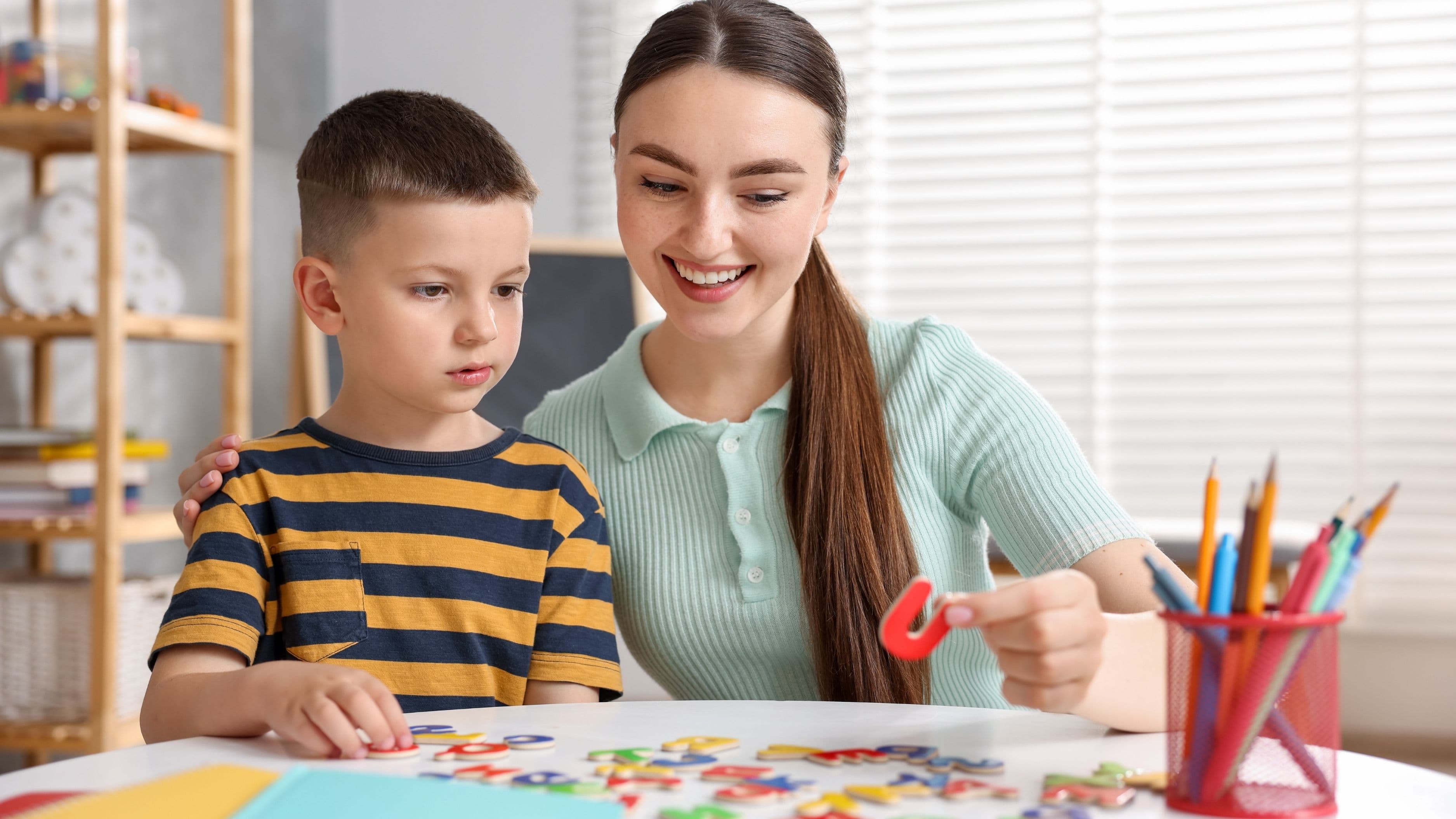
Social skills, like any skill, develop through practice, and low-stakes practice environments work far better than high-pressure ones. Role-playing simple social scenarios at home, like greeting someone or asking to join a game, gives a shy child a chance to rehearse without an audience watching.
One-on-one playdates tend to be much more manageable for shy kids than large group settings, since there's less social complexity to navigate and more room for a genuine connection to form. Starting with a single friend before working up to group activities lets a child build confidence incrementally rather than being thrown into the most challenging social scenario first.
Avoid Labeling Them as "Shy" Out Loud
Kids absorb the labels adults use to describe them, and hearing themselves consistently described as "shy" in front of others can reinforce the identity in a way that becomes self-fulfilling. It's worth being mindful of language, even when explaining a child's behavior to another adult in front of them.
Instead of saying "she's just shy" when a child hesitates to greet someone, a simple reframe like "she likes to take her time getting comfortable" describes the same behavior without attaching a fixed label to it. This small shift in language keeps the door open for a child's social confidence to grow without a label working against that growth.
Teach Specific, Concrete Social Scripts
Vague encouragement like "just be yourself" or "go make friends" doesn't give a shy child anything actionable to work with. Concrete scripts do. Teaching a child a simple phrase to use when joining a game, like asking "can I play too?", gives them a specific tool to reach for instead of having to improvise in a moment that already feels stressful.
The same applies to greetings, asking questions to keep a conversation going, or handling a moment when they don't know what to say. Practicing these scripts at home, even through simple role play, builds a kind of muscle memory that makes real social situations feel less intimidating.
Celebrate Small Wins Without Overdoing It
When a shy child takes a small social risk, like waving at a new classmate or answering a question in front of the class, acknowledging that effort matters. The key is calibrating the celebration to the size of the moment. Overly enthusiastic praise for small steps can sometimes feel embarrassing or overwhelming to a shy child, drawing more attention to the moment than they're comfortable with.
A simple, genuine acknowledgment, like noting that you saw them take that step and that it mattered, tends to land better than a big, public celebration. This keeps the focus on building the child's internal sense of accomplishment rather than making the moment about external validation.
Model Social Confidence Yourself
Kids learn a great deal by watching the adults around them navigate social situations. When you greet a neighbor, strike up a conversation with a cashier, or handle an awkward social moment gracefully, your child is absorbing that model even if they're not actively imitating it in the moment. This doesn't mean performing exaggerated extroversion, but simply demonstrating that social interactions, including imperfect ones, are a normal and manageable part of life.
Talking through your own social experiences out loud, including moments of nervousness you've felt yourself, also helps normalize the feeling for your child rather than making it seem like something only they experience.
What to Avoid
Avoid forcing a shy child into the spotlight before they're ready, since this tends to increase anxiety rather than build confidence. Avoid comparing them to more outgoing siblings or peers, since comparison rarely motivates a shy child and often just reinforces self-consciousness. Avoid rescuing them from every uncomfortable social moment, since some manageable discomfort is actually how social confidence develops over time. And avoid assuming shyness is a problem that needs fixing at all, since for most kids, it's simply part of their temperament rather than a deficit.
FAQ
Is shyness something my child will grow out of? Many children become more socially comfortable as they get older and gain more social experience, though some naturally remain more reserved as adults, which is a normal variation rather than something to correct.
When should I be concerned that my child's shyness is something more serious? If shyness is accompanied by significant distress, avoidance of school or activities they'd otherwise enjoy, or physical symptoms like stomachaches before social situations, it may be worth discussing with a pediatrician or child therapist to rule out social anxiety.
Should I enroll my shy child in more social activities to help them come out of their shell? Selective, low-pressure social activities can help, but forcing a heavily social schedule on a shy child can backfire. Start with smaller, one-on-one opportunities before working up to larger group settings.
Reflection
Helping a shy child thrive isn't about changing who they are. It's about giving them tools, patience, and low-pressure opportunities to practice social skills at a pace that feels manageable to them. Progress here often looks quiet and gradual rather than dramatic, and that's exactly how lasting confidence tends to build.
📚 Sources
American Academy of Pediatrics, "Shyness in Children" – https://www.healthychildren.org/
Child Mind Institute, "Helping Shy Kids Come Out of Their Shell" – https://childmind.org/