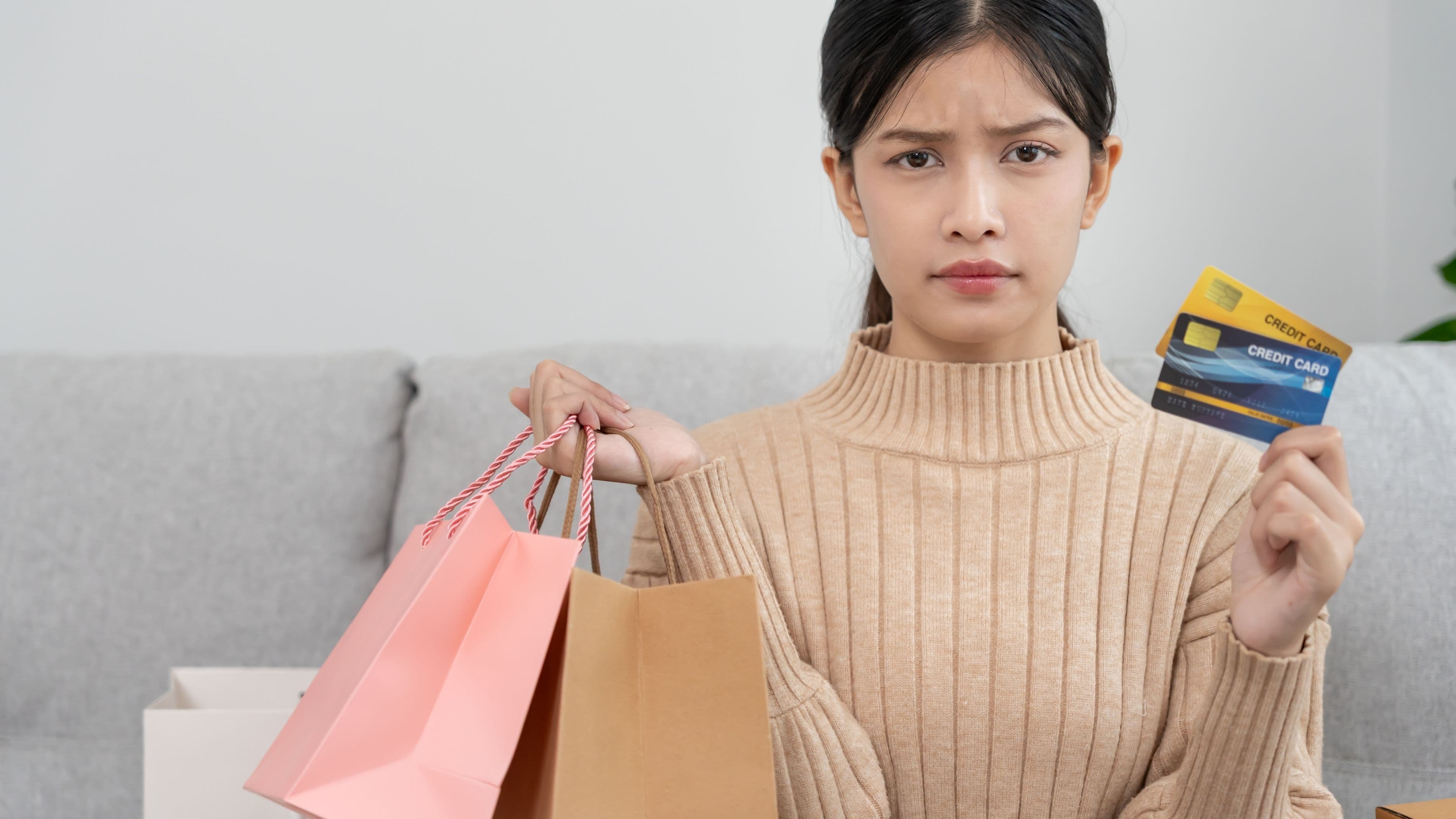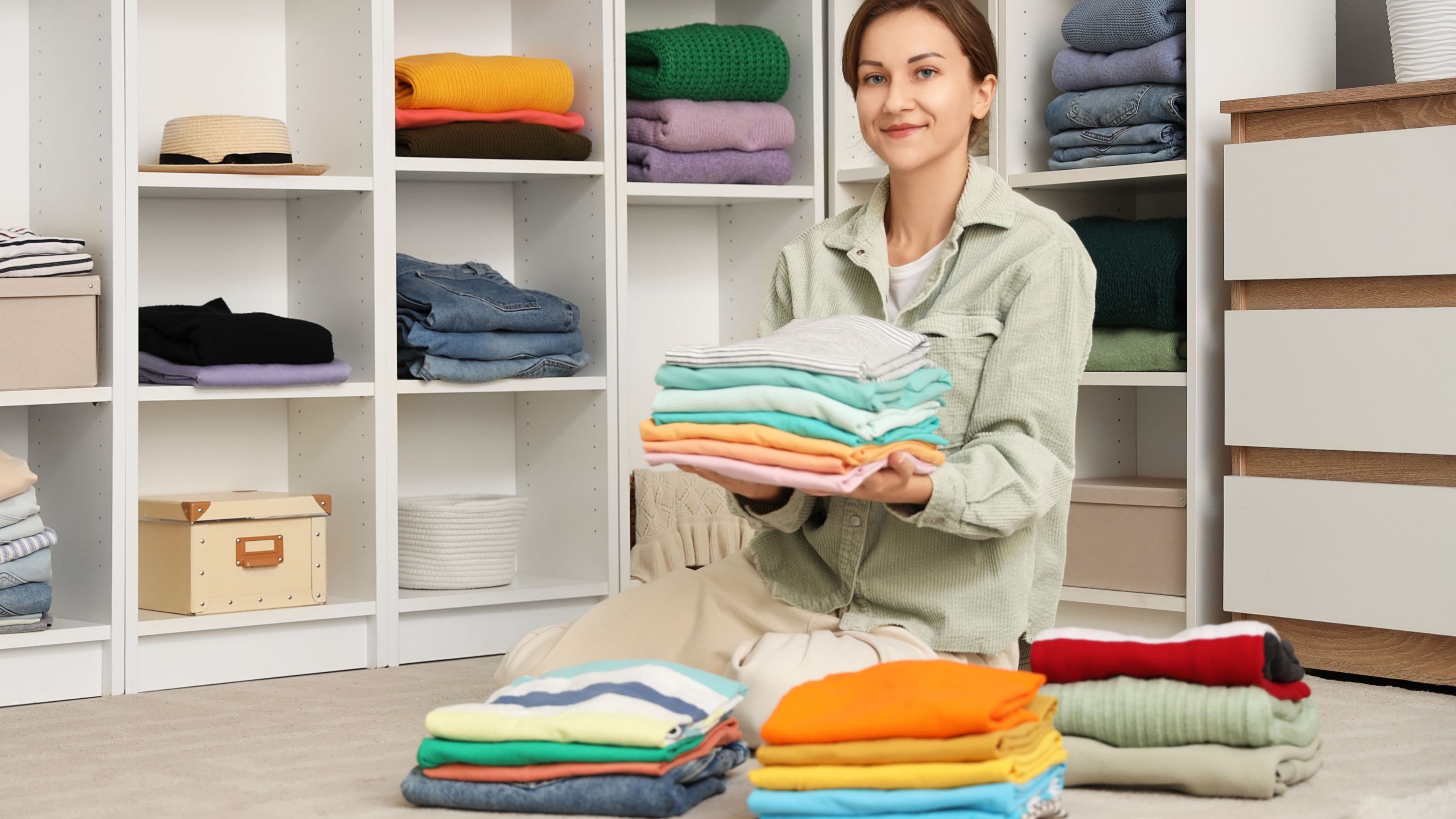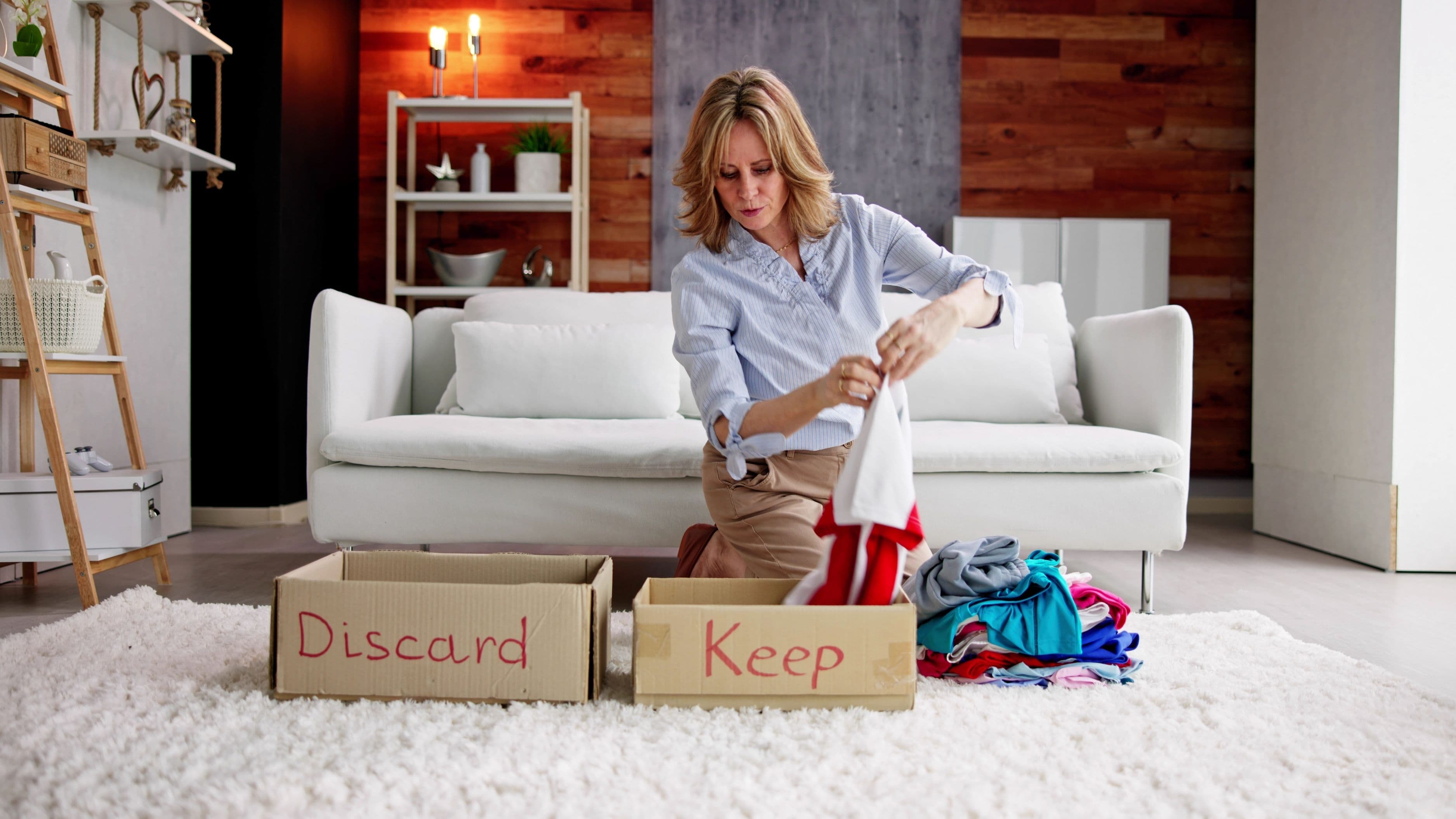
This guide walks through where to look, what to check for, and how to build a simple system so secondhand shopping feels like a smart habit rather than a treasure hunt that eats up your evening.
Why Secondhand Shopping Fits an Intentional Family Life
Children's clothing is often barely worn before it's outgrown, which means the secondhand market tends to be full of genuinely good-condition pieces rather than worn-out hand-me-downs. Choosing secondhand first, rather than as a last resort, can shift the whole experience of clothing your kids from a recurring expense to something closer to a manageable, even enjoyable routine.
There's also a quieter benefit here beyond cost. Buying less new clothing tends to reduce the steady stream of packages, tags, and decisions that can add to the low-level overwhelm many parents feel around household management.
Where to Look for Quality Secondhand Kids' Clothing
ThredUp curates a large selection of children's clothing by size, brand, and condition, with a straightforward rating system that tells you upfront whether an item is like-new or shows visible wear. This makes it a solid starting point if you want secondhand shopping to feel as predictable as buying new.
Poshmark works more like a marketplace of individual sellers, which means selection varies more, but it also means you can often find higher-end or specific brands that curated platforms don't always carry. Reading a seller's other listings and reviews before buying gives you a decent sense of how reliably they describe item condition.
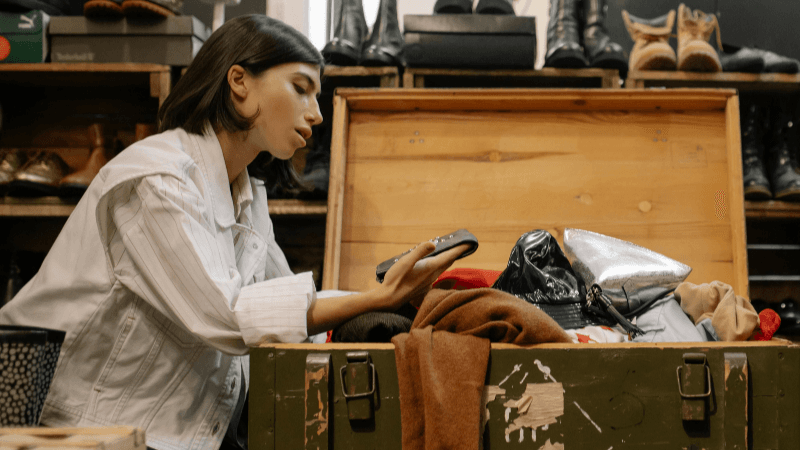
Facebook Marketplace and local parent groups tend to have the most competitive prices, since sellers are usually local parents looking to pass items along quickly rather than professional resellers. The tradeoff is less structure, so you'll want to ask specific questions about condition and pickup logistics before committing.
Kidizen focuses specifically on kids' and maternity items, with a community built around parents buying and selling similar sizes as their children grow, which often means better selection consistency than general marketplaces.
Once Upon A Child, while primarily a physical store, also lists inventory online in some locations, offering the reassurance of an in-person quality check built into their business model before items ever get listed.
How to Check for Quality Before You Buy
Look closely at listing photos for signs of wear around common stress points, like knees on pants, cuffs on sleeves, and necklines on shirts, since these areas show age faster than the rest of a garment. A few photos taken in good lighting from multiple angles is a good sign that a seller is being transparent about condition.
Ask about smoke-free and pet-free homes if that matters to your family, since secondhand items can sometimes carry lingering odors that aren't obvious from photos alone. Most sellers are happy to answer this directly, and a seller's willingness to answer specific questions is often a good indicator of how trustworthy the rest of their listing is.
Pay attention to fabric composition when it's listed, since natural fibers like cotton tend to hold up better over multiple wears and washes than cheaper synthetic blends, which can pill or thin out more visibly with age.
Building a Simple Secondhand Shopping Routine
Rather than shopping only when you're in a scramble because your child suddenly outgrew everything, try checking your preferred platforms on a regular, low-pressure schedule, like once every few weeks. This gives you time to browse thoughtfully instead of buying under pressure, and it lets you catch good pieces before they sell.
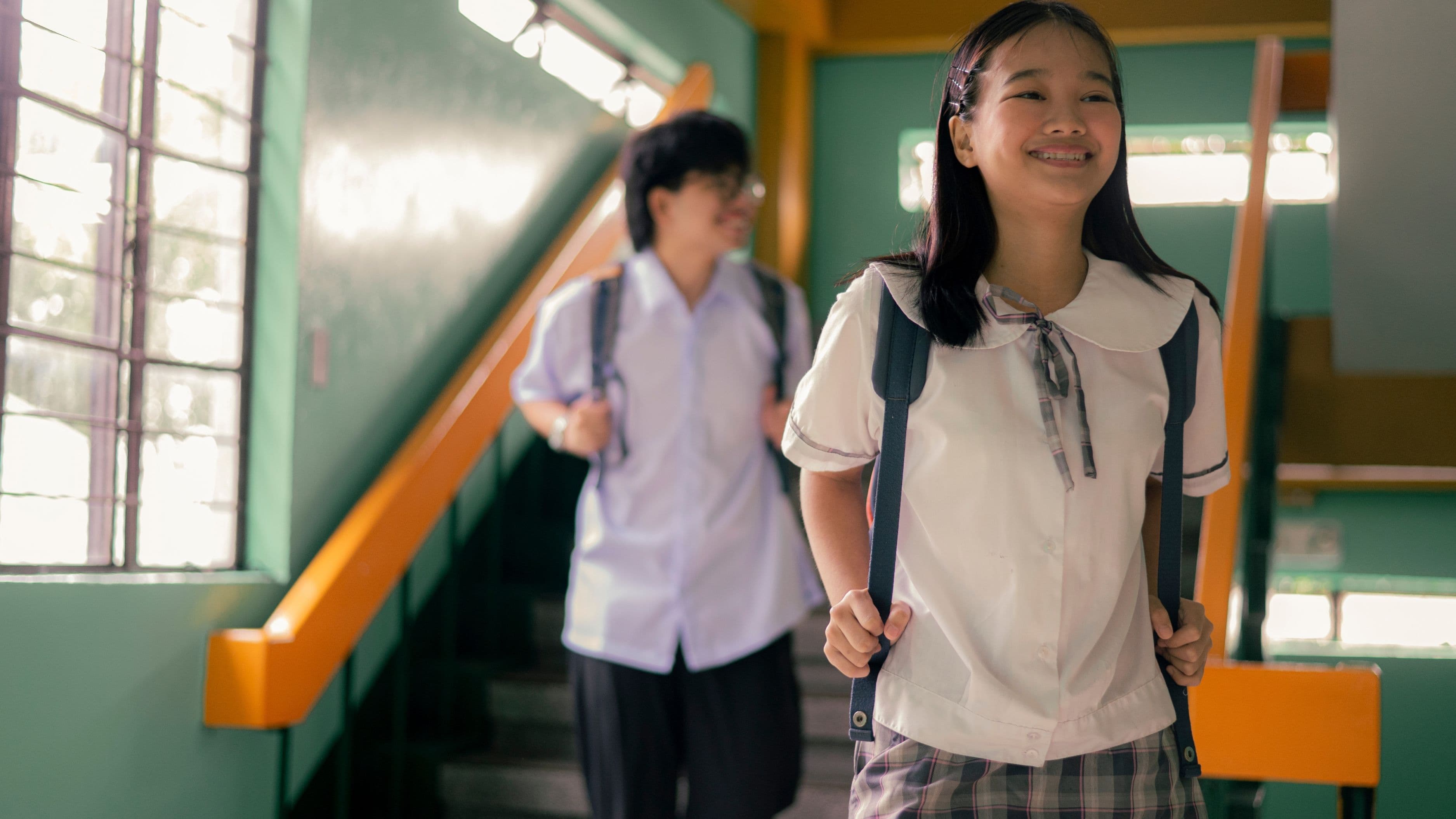
Keep a simple running list of current sizes and specific needs, whether that's winter coats, school uniforms, or a particular event outfit, so your browsing stays focused rather than turning into an overwhelming scroll through everything available.
Realistic Expectations
Secondhand shopping does take more time upfront than buying new, since you're comparing listings, checking condition, and sometimes waiting for the right size and item to appear rather than grabbing it off a shelf immediately. It generally becomes easier and faster as you settle into a few trusted platforms and sellers rather than starting from scratch every time.
You also won't always find exactly what you're picturing, especially for very specific items like a particular event outfit, so it helps to hold that expectation loosely and treat secondhand shopping as one part of your overall approach rather than the only way you clothe your kids.
What to Avoid
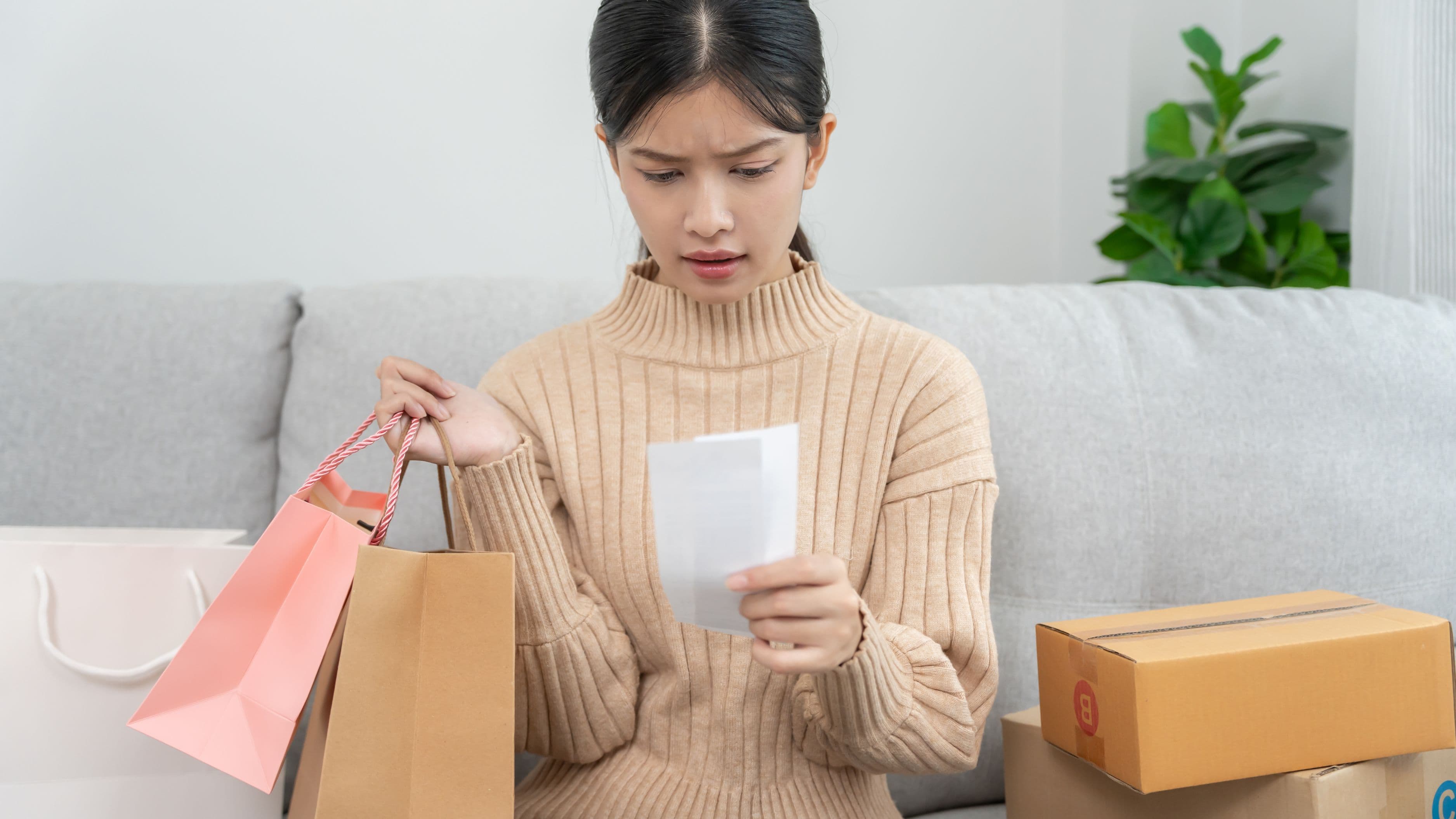
Be cautious of listings with only one blurry photo or vague descriptions like "great condition" without any supporting detail, since these are the listings most likely to disappoint once the item arrives. A seller who's genuinely confident in an item's condition usually shows it clearly.
Avoid buying secondhand items with elastic waistbands or fasteners without checking specifically on their condition, since elastic degrades with age in ways that aren't always visible in photos but become obvious the first time your child wears the item.
Frequently Asked Questions
Is secondhand children's clothing actually safe and clean? Reputable platforms and sellers typically wash items before selling, but it's a good habit to wash anything secondhand yourself before your child wears it, the same way you might with new clothing.
How much can I realistically expect to save shopping secondhand? Savings vary by platform and brand, but many parents find they can pay roughly a third to half of retail price for gently used items, particularly for higher-quality brands that hold their value well.
What's the best way to sell my own children's outgrown clothing? Platforms like ThredUp offer a simple mail-in process, while Poshmark and Kidizen work well if you're comfortable listing and photographing items yourself for a bit more control over pricing.
Shopping secondhand for kids' clothing works best as a steady habit rather than an occasional emergency fix. Give yourself a little time to find platforms and sellers you trust, and the whole process starts to feel like a natural, even satisfying part of managing a growing family's wardrobe.
📚 Sources
ThredUp, Resale Report – https://www.thredup.com/resale
Consumer Product Safety Commission, Children's Product Safety – https://www.cpsc.gov