Why the "Screens Are Bad" Framing Falls Short
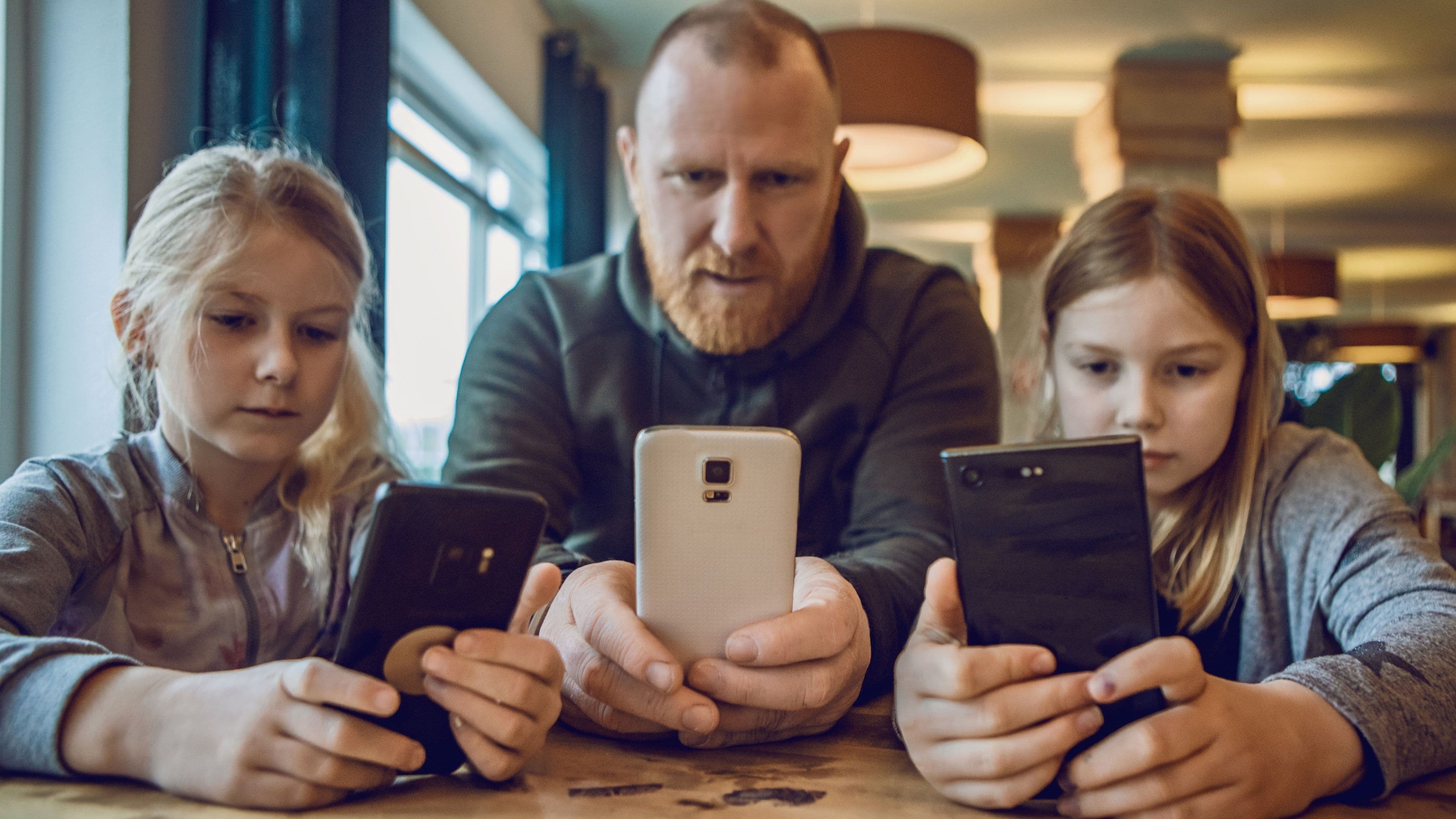
Blanket rules around screen time often create tension without solving the underlying issue, which is usually a lack of shared, engaged time together, not the device itself. A family watching a movie together, laughing at the same moments and talking about it afterward, is a very different experience than each person scrolling separately in their own corner of the house. The goal isn't to demonize the screen, it's to notice the difference between isolating screen use and shared screen use, and shift more of your time toward the second category.
Start With Co-Viewing Instead of Solo Scrolling
One of the simplest shifts is choosing shows, movies, or even video games that you watch or play together rather than separately. Pick something that genuinely interests more than one person in the household, and treat it as intentional time rather than background noise.
Pause occasionally to talk about what's happening, ask your kids what they think will happen next, or share your own reaction to a plot twist. This small habit turns passive consumption into an activity you're actually experiencing together, which is where the real connection lives.
Use Video Calls as a Genuine Substitute for Distance
If your family is spread across different cities, screens can actually solve a problem rather than create one. Regular video calls with grandparents, cousins, or a parent traveling for work give kids a way to stay meaningfully connected across distance. Make these calls a consistent ritual rather than a rare event, a Sunday evening call, for example, becomes something to look forward to rather than an awkward obligation. The consistency matters more than the length of each call.
Turn Gaming Into a Shared Activity
Video games get an unfairly bad reputation in a lot of family conversations, but cooperative games can build genuine teamwork and communication between parents and kids. Choose age-appropriate games that require working together toward a shared goal rather than competing against each other, since collaboration tends to build more warmth than rivalry. Even just sitting nearby and asking questions about a game your child is playing solo signals interest in their world, which matters more than people often expect.
Create "Screen Time Check-Ins" Instead of Just Limits
Rather than only enforcing a hard cutoff time, build in a habit of briefly checking in about what everyone watched, played, or read that day. This isn't about monitoring or judgment, it's about creating a natural opening for conversation. Asking "what was the funniest thing you saw today" or "did anything from that show surprise you" turns screen time into a shared reference point rather than a private, separate experience each person has on their own.
Use Shared Photo and Video Moments Intentionally
Phones aren't just for scrolling, they're also how most families capture memories now. Make a habit of looking back through recent photos together once a week, even for just ten minutes. Reminiscing about a recent outing or a funny moment captured on video creates a small but meaningful ritual of shared reflection, and it uses the same device that often gets blamed for pulling families apart.
Set Boundaries Around Isolating Use, Not All Use
The distinction that actually matters is between screen time that isolates and screen time that connects. Meals, car rides, and the last hour before bed are reasonable times to protect from solo scrolling, since these moments naturally invite conversation if devices aren't competing for attention. Outside of those protected windows, focus less on rigid time limits and more on whether the screen use is bringing your family together or pulling everyone into separate corners.
Realistic Expectations
This shift won't happen overnight, and some days will still involve everyone staring at their own device in different rooms. That's normal, and it doesn't undo the progress made on the days you are intentional about shared screen time. The goal is a gradual shift in the overall balance of your family's screen habits, not a perfect transformation. Give yourself and your family grace as this becomes a more natural part of your routine.
What to Avoid
Avoid making every screen interaction feel like a lesson or a monitored activity, since kids pick up on forced togetherness quickly and tend to resist it. Don't use screen time as the only connection tool in your household, it works best as one piece of a broader pattern of shared meals, conversations, and activities. And be cautious about being inconsistent with your own screen habits while asking more of your kids, since modeling the behavior you want to see matters more than any rule you set.
FAQ
Is it bad for kids to watch shows alone sometimes? Not at all. Solo screen time isn't inherently harmful, the goal here is simply making sure it isn't the only kind of screen time happening in your household.
How do I get older teens interested in shared screen time? Let them choose what you watch or play together sometimes. Teens are far more likely to engage when they feel some ownership over the activity rather than it being imposed on them.
What if my family already has a lot of separate screen habits? Start small with one new shared ritual, like a weekly movie night or a regular video call, rather than trying to overhaul everything at once. Small, consistent changes tend to stick better than big ones.
📚 Sources
American Academy of Pediatrics – Media and Children: https://www.aap.org/en/patient-care/media-and-children/
Common Sense Media – Family Media Habits Research: https://www.commonsensemedia.org/research