Here's a calmer, more grounded approach to getting this handled.
Start With What You Already Have
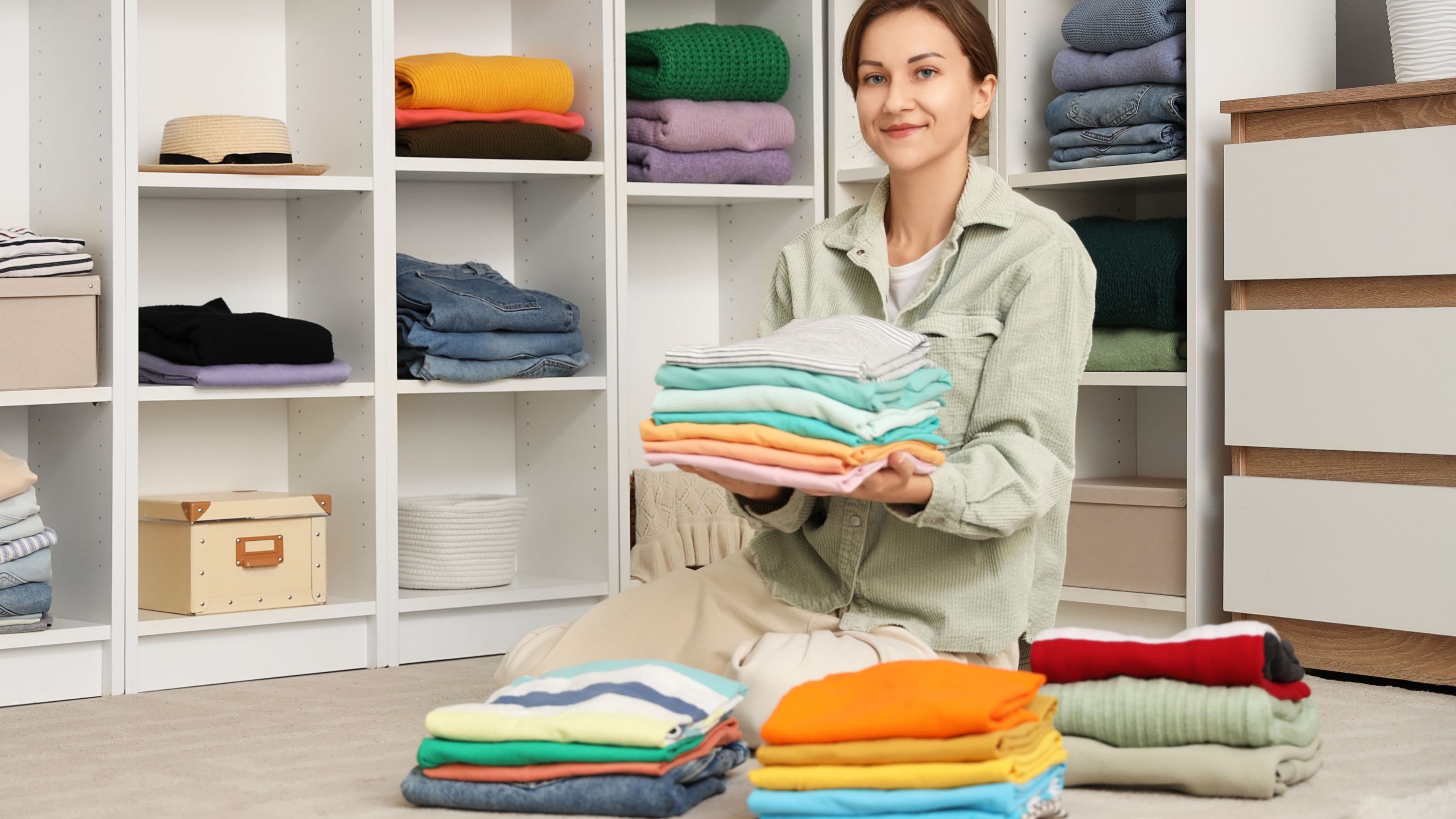
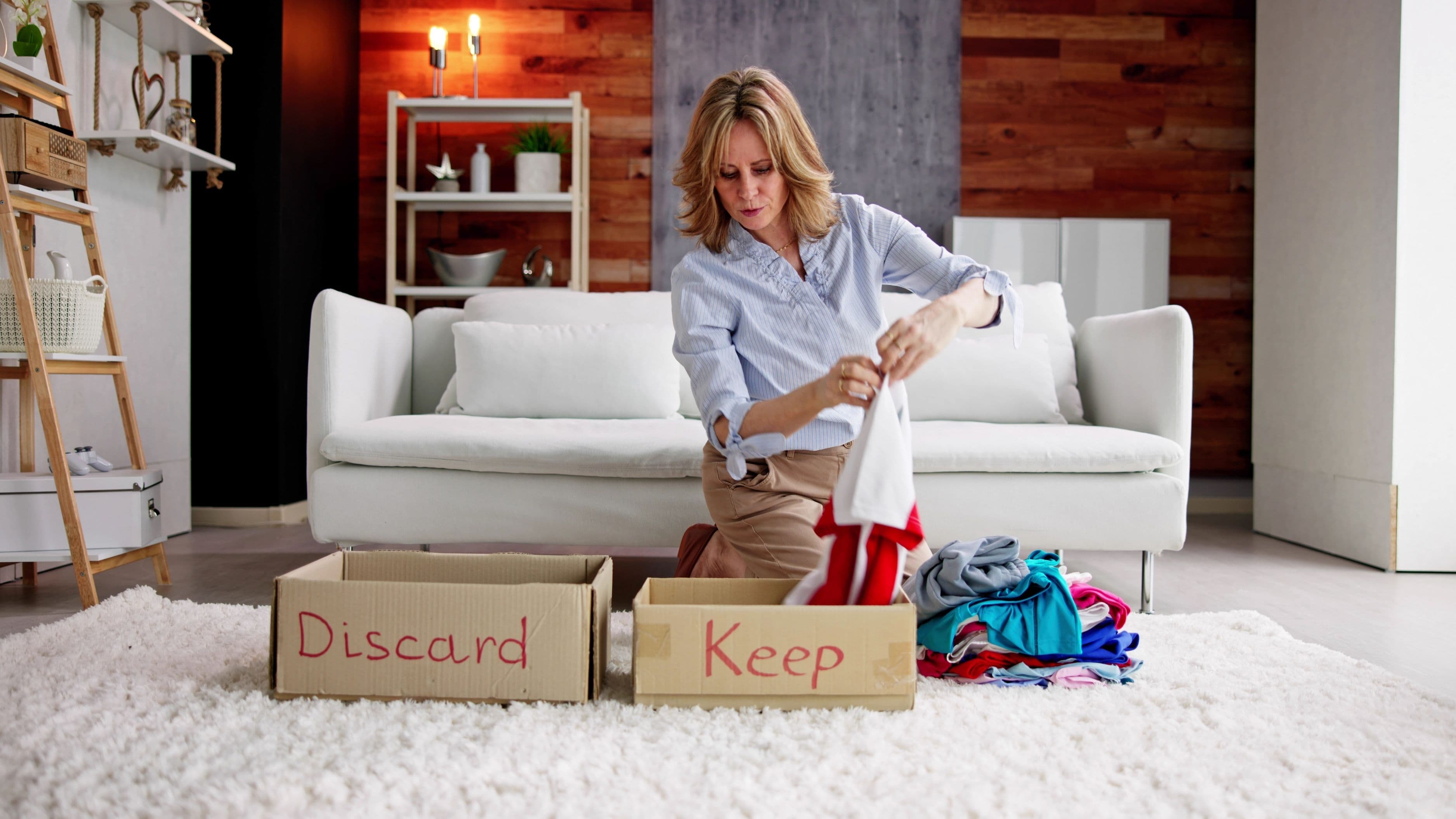
Before buying anything new, take a few minutes to go through last year's uniform pieces with your child. Try things on rather than guessing by eye, since kids can grow in ways that aren't always obvious just by looking at a shirt hanging in the closet. You may find that half of what's needed is already sitting there, just waiting to be rediscovered rather than replaced.
This step also gives you a clearer, more honest starting point for what actually needs to be purchased, rather than shopping from a place of assumption or last-minute panic. It's a small ritual, but it sets a tone of intentionality rather than reactive spending for the season ahead.
Buy With Room to Grow, Not a Perfect Fit
It's tempting to buy uniform pieces that fit exactly right in the moment, but a little extra room, particularly in pants length or waist size, can extend how long a piece stays wearable through a growth spurt. This doesn't mean buying several sizes too large, which creates its own discomfort and awkwardness, but choosing the larger end of a reasonable size range when it's close.
This approach won't work for every item, especially structured pieces like blazers where fit matters more visibly, but for basics like polos, pants, and skirts, a bit of growing room can genuinely stretch your uniform budget across more of the school year.
Buy in Layers Instead of All at Once
Rather than purchasing a full uniform wardrobe in a single trip, consider spacing purchases out, buying just enough for the first couple of weeks and reassessing from there. This gives you time to see how quickly items wear, whether the fit is holding up, and whether your child has any specific comfort issues with a fabric or cut before you're committed to a full set.
This staggered approach also opens the door to catching sales that come later in the season, since uniform retailers often adjust pricing as the school year progresses rather than only in the weeks right before it starts.
Explore Secondhand and Uniform Exchange Options
Many schools run informal uniform exchanges, whether through a PTA-organized swap, a bulletin board, or a parent group chat where families pass along outgrown pieces. These options exist specifically because uniform items are often outgrown before they're worn out, making them genuinely good condition finds rather than a compromise.
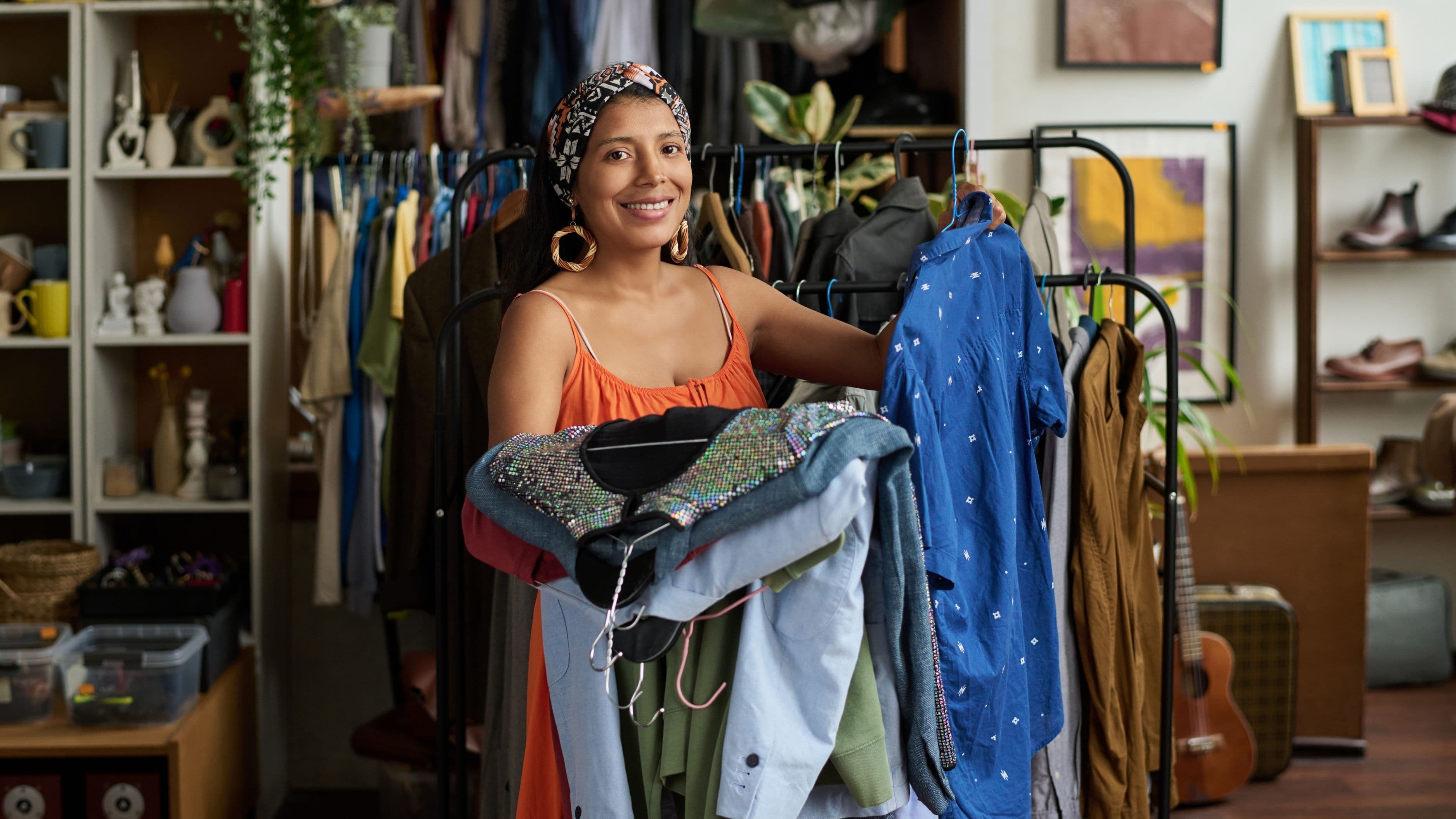
Thrift stores near schools with uniform requirements sometimes carry a surprising number of uniform-specific pieces too, since so many families donate outgrown items each year. It's worth checking before committing to full retail prices, especially for higher-cost items like blazers or specific branded pieces that only get worn a portion of the week.
Compare Retailers Instead of Defaulting to One
If your school doesn't require a single specific retailer or branded logo, it's worth comparing a few different stores rather than assuming the first uniform-labeled option is the best value. Basic uniform colors and styles, like navy pants or white polos, are often available from general clothing retailers at a noticeably lower price than specialty uniform shops, as long as the school's dress code allows it.
Take the time to actually read your school's uniform policy closely, since some schools are stricter about specific logos or fabric types than others assume. A quick clarifying question to the school office can save you from buying pieces that end up not meeting requirements.
Prioritize Durability Over the Lowest Price
It's tempting to go with the cheapest option available, but uniform pieces get worn repeatedly through the week and washed far more often than typical clothing, which means quality genuinely matters here. A slightly higher upfront cost on a well-made pair of pants or a sturdier polo can outlast two or three cheaper versions that thin out or lose shape after a few washes.
This doesn't mean the most expensive option is automatically the most durable one; look at fabric weight and stitching quality where you can, and consider asking other parents at your school which retailers have held up well for their kids specifically.
Set a Uniform Budget Before You Shop
Going in with a set number in mind, even a rough one, keeps uniform shopping from turning into an open-ended spending spree once you're actually in the store or scrolling through a retailer's site. Break the total down by category, like tops, bottoms, and outerwear, so you have a clearer sense of where the bulk of the cost is actually going.
This budget doesn't need to be rigid down to the dollar, but having a number in mind gives you something to check yourself against when an unplanned "just one more thing" moment shows up mid-shop.
What to Avoid
Avoid buying an entire uniform wardrobe in one single trip without trying pieces on first, especially for younger kids whose sizing can shift quickly even within a single season. Also be cautious of assuming brand-name uniform retailers are required when your school's actual policy may be more flexible than you think; always double-check before spending more than necessary on branding alone.
Resist the urge to buy extras "just in case" beyond what your child realistically needs for a normal laundry rotation. A reasonable number of uniform sets, enough to get through a typical week between washes, is usually enough without overbuying.
FAQ
How many uniform sets does my child actually need? Most families find that four to five sets of tops and bottoms cover a normal school week comfortably between wash cycles, though this depends on your laundry schedule.
Is it worth buying uniforms a size up for growth? For basics like pants and polos, yes, within reason. For structured pieces like blazers, a closer fit usually looks and feels better, so save the room-to-grow approach for softer, more forgiving pieces.
What if my school requires a specific branded retailer? Check if secondhand versions are available through school exchanges or parent groups first, since branded items tend to be pricier new and are often outgrown before they wear out.
Uniform shopping doesn't have to be stressful or expensive when you approach it with a plan instead of last-minute urgency. A little preparation now means less financial strain and a smoother start to the school year for everyone.
📚 Sources
National Retail Federation – Back to School Spending Survey – https://nrf.com/research-insights/back-school-and-college-spending
Consumer Reports – Smart Back to School Shopping – https://www.consumerreports.org/back-to-school/