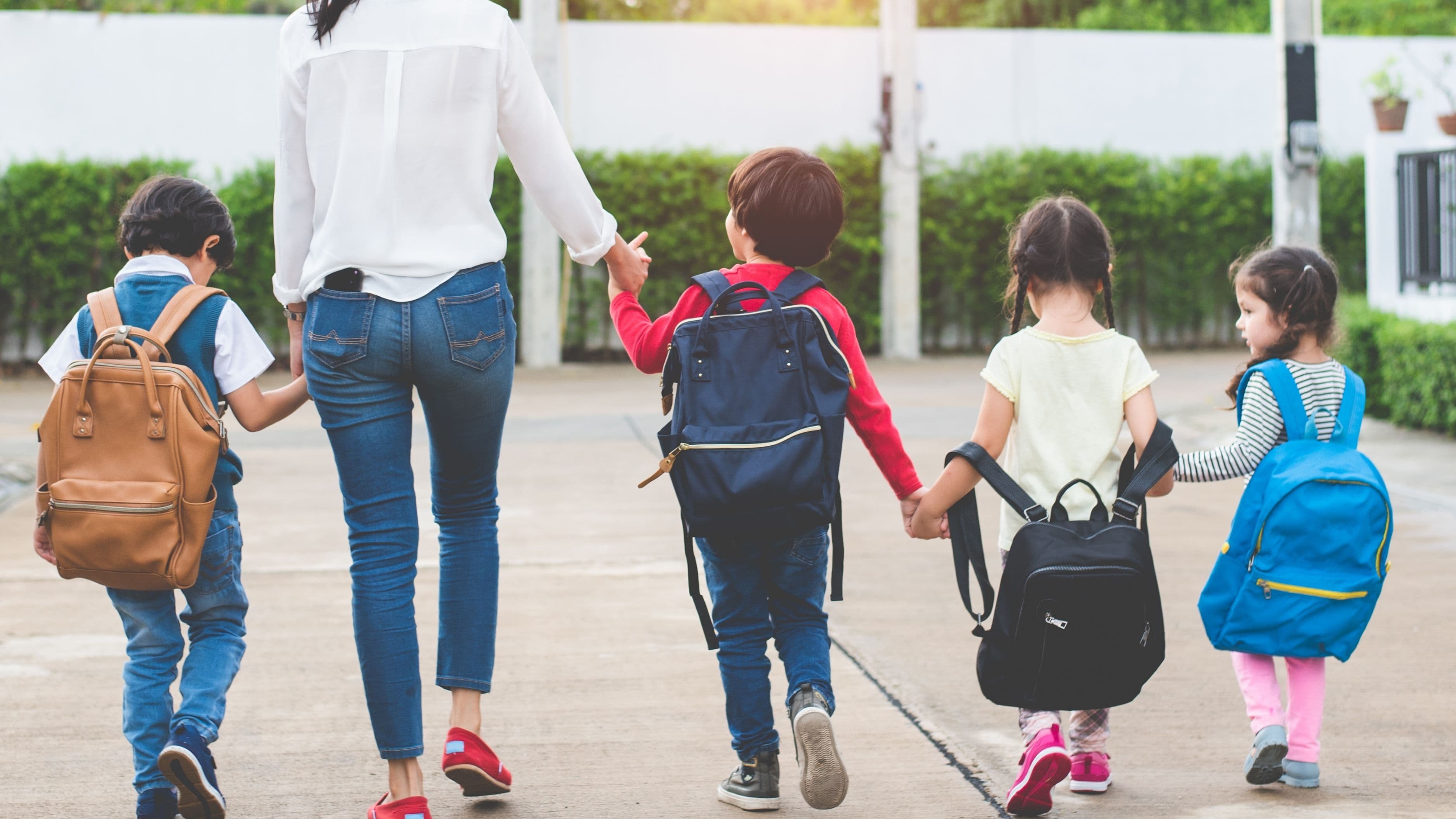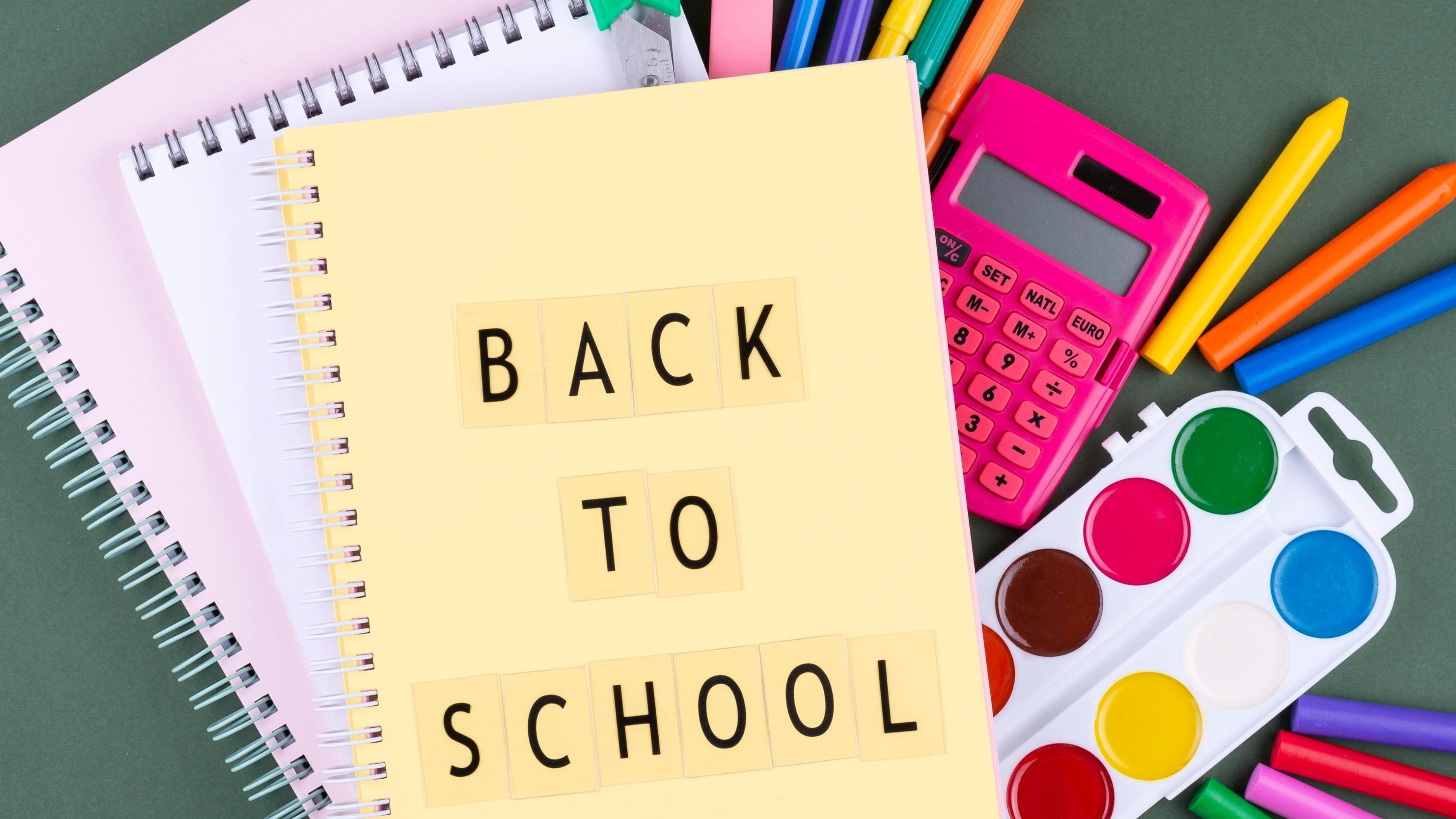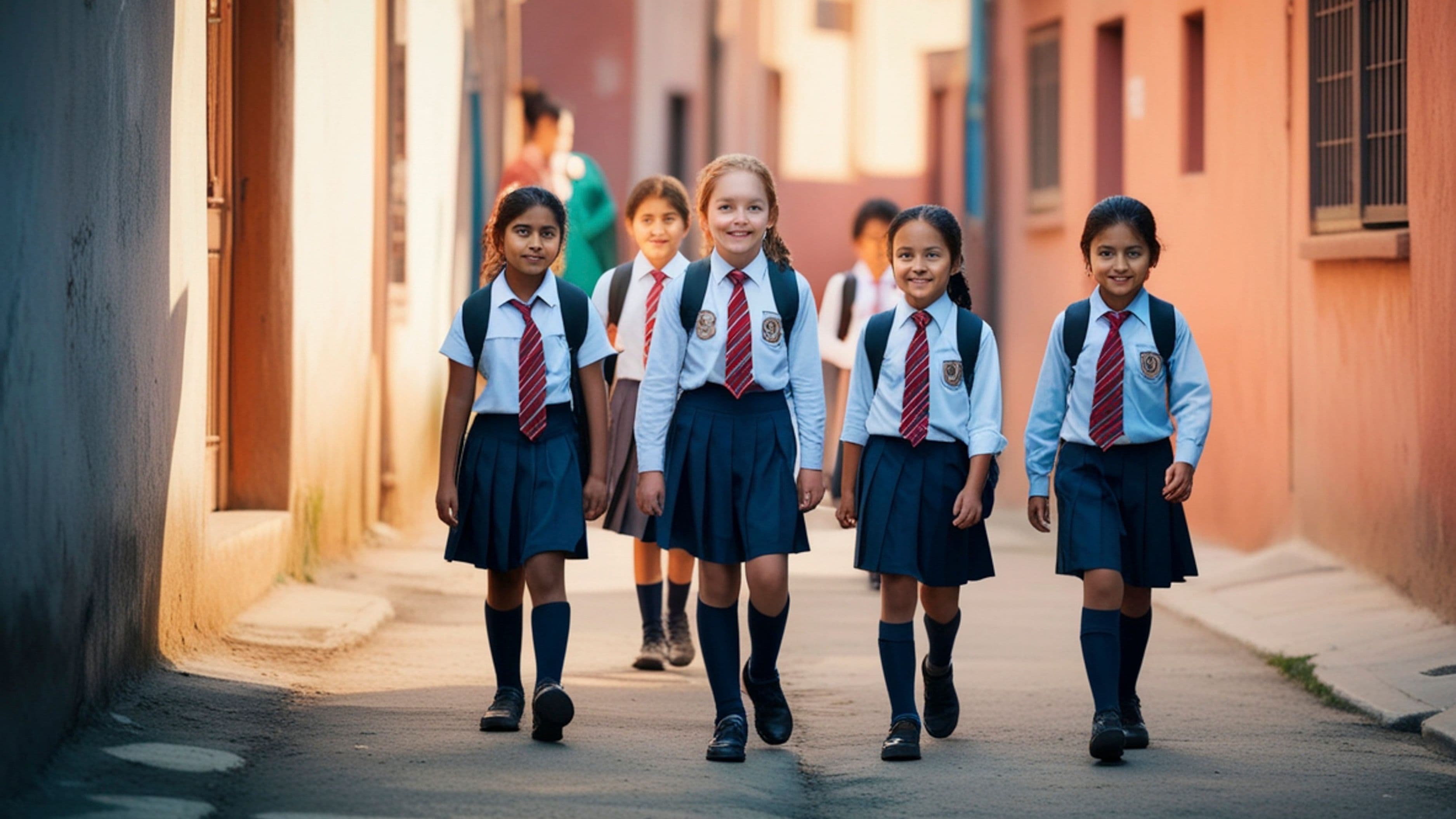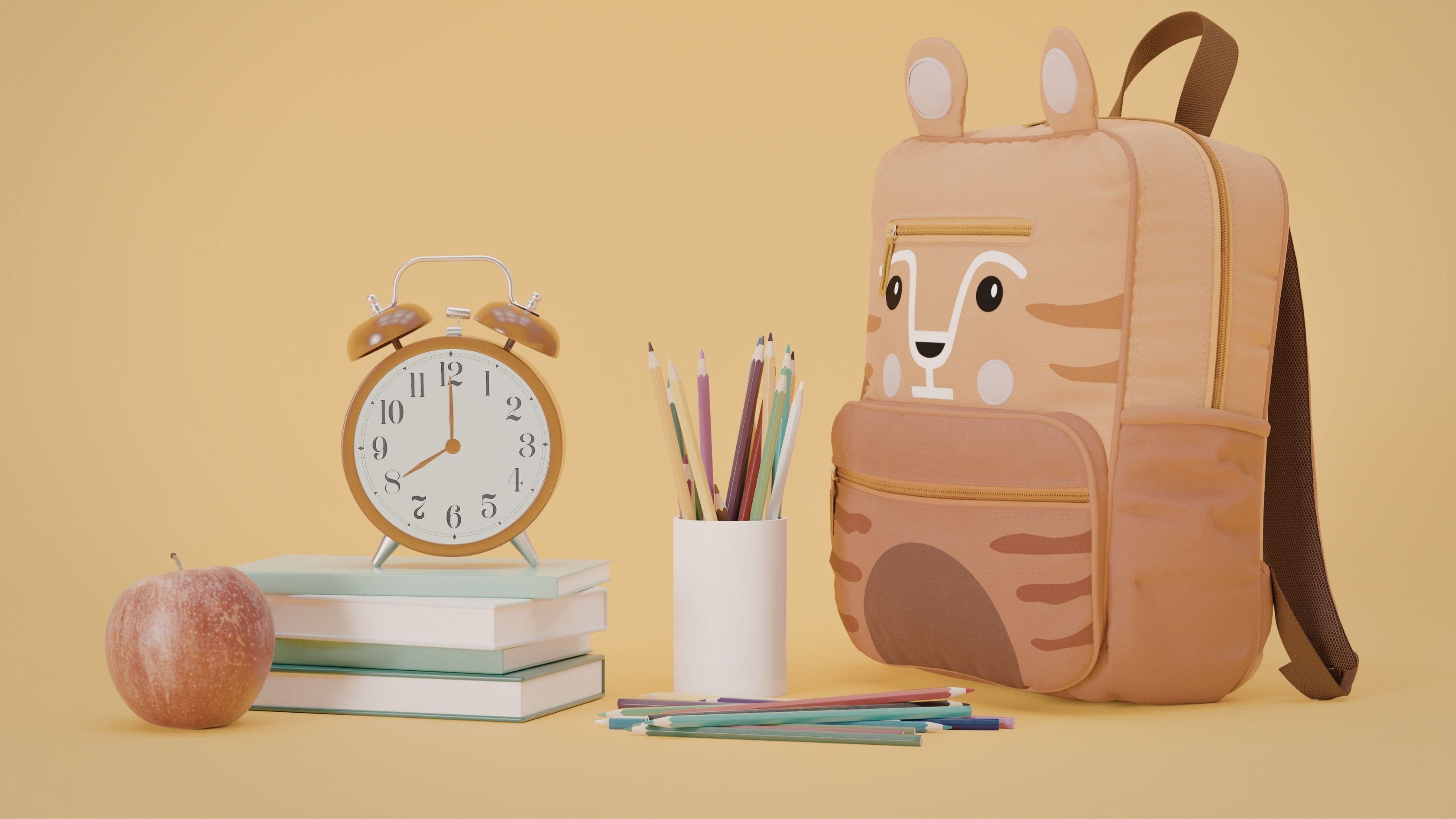
This isn't about buying more, it's about buying with intention. A classroom runs more smoothly, and a child feels more prepared, when the supplies in their backpack are the ones that genuinely support daily learning rather than sit as extra weight.
Start With What Gets Used Every Single Day
Pencils, erasers, and glue sticks may sound basic, but they're also the items that disappear fastest in any classroom. Teachers consistently mention needing extras of these staples throughout the year, not because families didn't buy enough initially, but because daily use simply wears through supplies faster than a single back-to-school haul accounts for.
Buying in slightly larger quantities than the list suggests, and being willing to send a fresh set partway through the semester, takes real pressure off both the teacher and your child. A classroom with enough basic supplies to go around functions with far less daily friction than one constantly running short.
Sturdy, Reusable Supplies Beat Disposable Ones
Teachers consistently point toward supplies built to survive months of handling rather than the cheapest option on the shelf. A durable pencil case, a solid pair of scissors, and a binder with reinforced edges hold up through an entire school year, while flimsier versions often need replacing by winter break.
This matters for a child's sense of stability too. Repeatedly losing or breaking supplies mid-semester adds small stressors to an already busy routine, both for the student and for the parent scrambling to replace them on short notice.
Supplies That Support Organization, Not Just Task Completion
Folders, binders, and labeled supply pouches do more than hold papers, they teach a child how to keep track of their own responsibilities. Teachers frequently mention that students with a simple, consistent organization system, one folder for homework, one for handouts, one supply pouch for daily tools, adjust more smoothly to classroom routines than students without one.
This is a place where a little intentionality goes a long way. A single color-coded folder system, chosen together with your child, builds a habit that carries well beyond a single school year.
Community-Style Supplies Matter More Than Individual Extras
Many classrooms rely on shared supplies: tissues, hand sanitizer, extra pencils, dry-erase markers, and paper towels that keep the room functioning for everyone, not just one child. Teachers often mention these communal items running short far faster than personal supplies, since they're used by every student in the room throughout the day.
Contributing a little extra here, even beyond what's specifically requested, tends to have an outsized positive impact on how smoothly the classroom runs as a whole, and it teaches children early on that shared spaces work better when everyone contributes.
Comfort Items That Support Focus, Not Just Academics
Supplies that support physical comfort, a labeled water bottle, a small stress ball for younger children, comfortable, well-fitted headphones for schools that use them regularly, all quietly support a child's ability to focus throughout a long school day. Teachers often note that small comfort details make a noticeable difference in how settled a child feels during transitions and quiet work periods.
These aren't flashy additions to a supply list, but they support the emotional regulation that makes academic focus possible in the first place.
Realistic Expectations
Not every item on a supply list gets used equally, and that's normal. Some items serve as classroom backups that may not be touched until later in the year, and that's part of how teachers plan for the unpredictability of a full school year with dozens of different needs in one room.
What to Avoid
Avoid overloading a backpack with excess of any single item beyond what's requested, since it can create clutter without solving an actual need. Avoid ignoring a teacher's specific supply list in favor of your own preferences, since most lists are built around what that particular classroom and curriculum actually require. And avoid assuming higher price automatically means higher classroom value, since durability and simplicity often matter more than brand names.
FAQ
Should I buy extra supplies beyond the requested list? A modest amount of extra basics, especially pencils, erasers, and tissues, is usually appreciated, but it's worth checking with the teacher before adding significantly more than requested.
What if my child's school doesn't provide a specific supply list? Reach out directly to the teacher or check the school's website, since many schools post grade-specific lists that reflect exactly what that classroom uses throughout the year.
Are electronic organizational tools better than paper folders for young children? For most elementary-aged children, simple paper-based systems like labeled folders build organizational habits more effectively than digital tools, which are usually better suited to older students.
Outro
The most useful school supplies aren't the ones that look impressive in a shopping cart, they're the ones that quietly support a child's focus, organization, and comfort throughout a long school year. A little intentionality at the start of the season makes the whole year run smoother for everyone in that classroom.
📚 Sources
"Back-to-School Supply Guidance for Parents" – National Education Association, nea.org
"Classroom Organization Strategies" – Edutopia, edutopia.org
"Supporting Student Focus in the Classroom" – Child Mind Institute, childmind.org