Saving on back-to-school clothes isn't about clipping coupons or hunting extreme deals until you're exhausted. It's about shopping with intention: knowing what you actually need, when to buy it, and where to look. A little mindfulness around the process goes a long way — for your budget, your stress levels, and even the environment.
Here are the strategies that genuinely work.
Start With What You Already Have
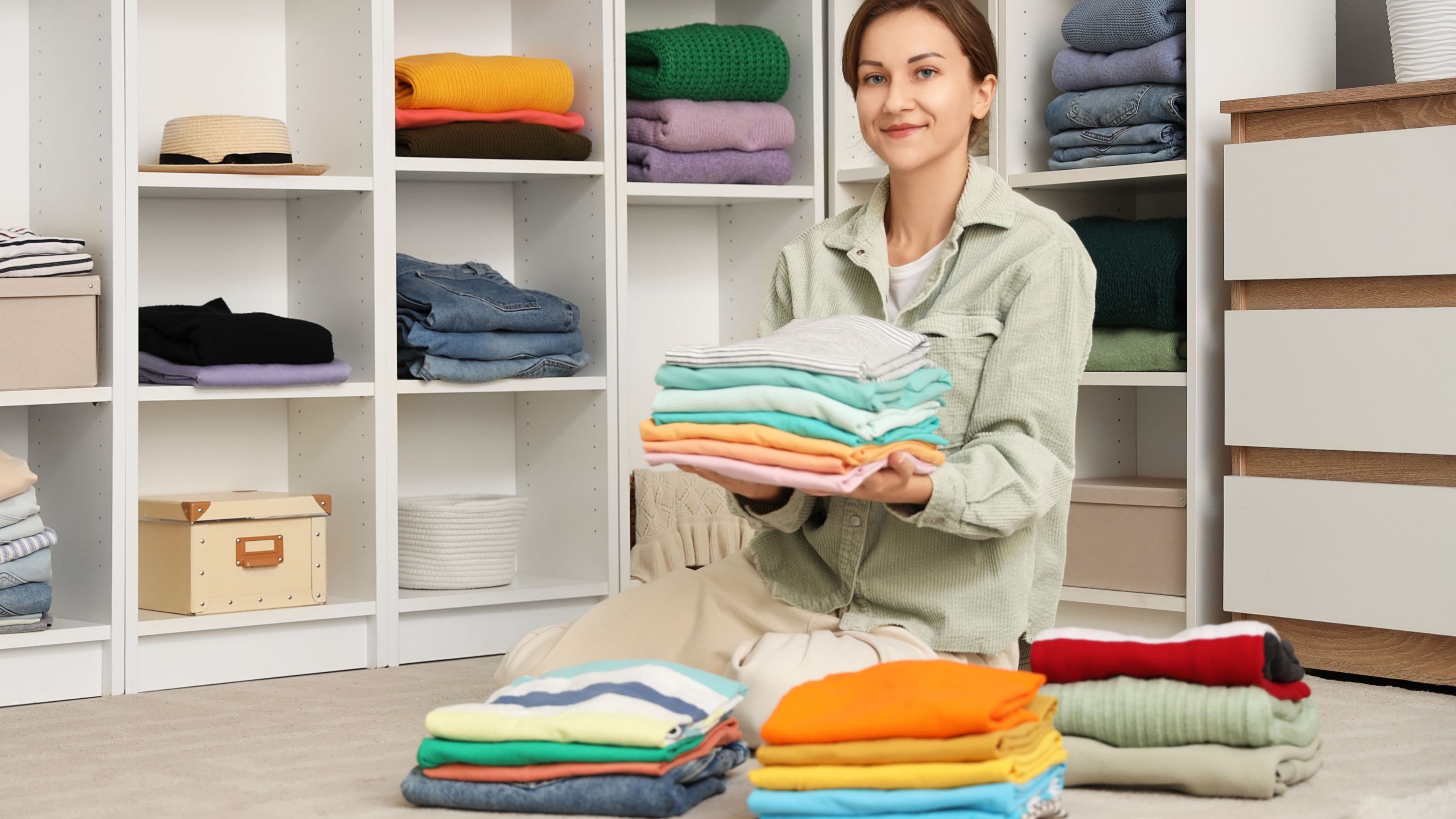
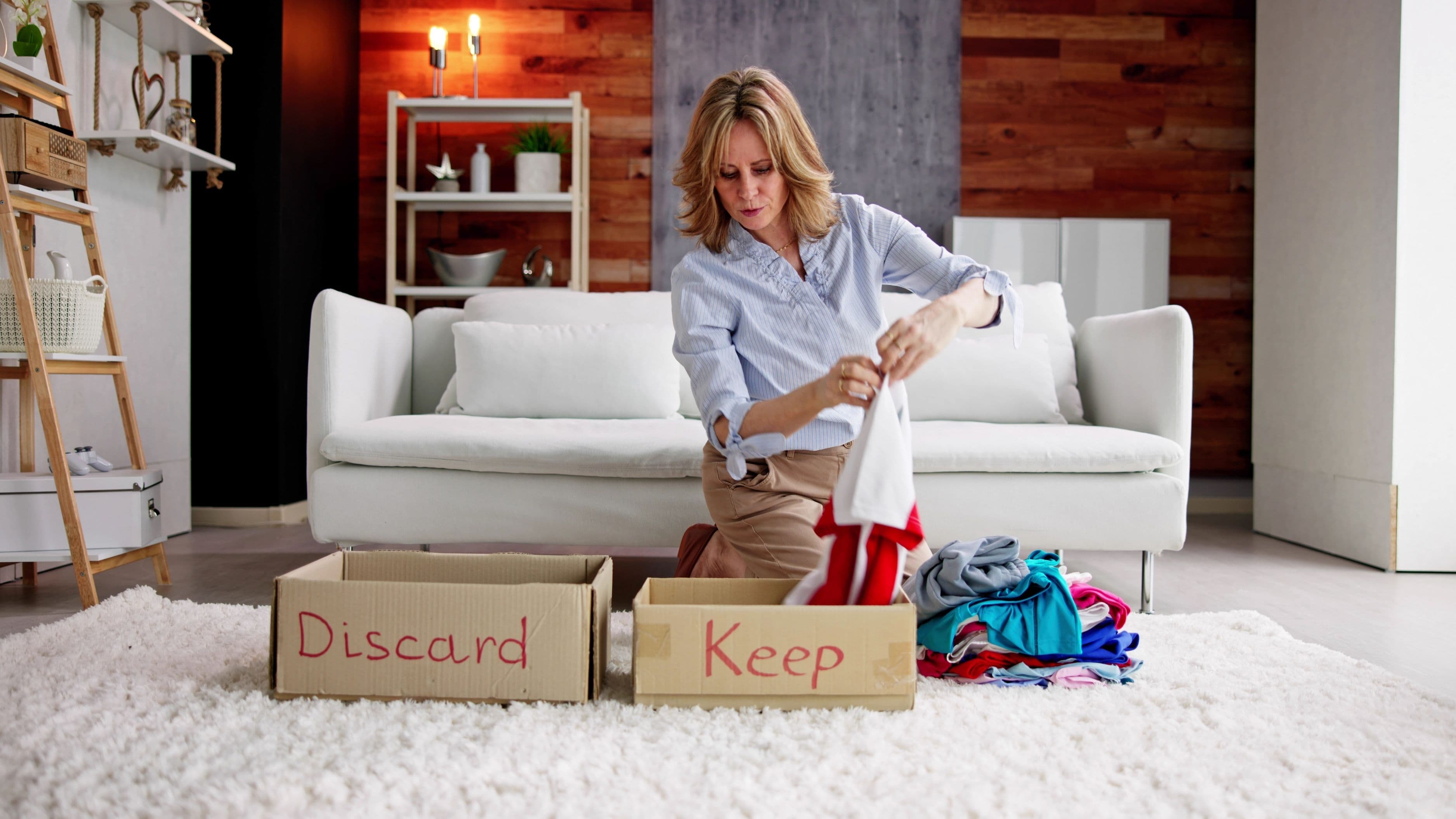
Before you spend a single dollar, take stock of what's already in the closet. This sounds obvious, but most families skip it and end up buying duplicates of things they already own, or replacing items that still have plenty of wear in them. Pull everything out, sort by size, and assess honestly. What still fits? What's in good condition? What can be repurposed — worn-out jeans cut into shorts, a too-small sweatshirt kept for art class or outdoor play?
This step also helps you identify the actual gaps: the three pairs of pants your daughter outgrew, the missing sneakers, the gym clothes that are down to one usable set. Shopping from a real list rather than a vague sense of "the kids need clothes" keeps you focused and prevents the kind of drift that turns a $150 trip into a $400 one. Starting from what you have is also a low-key lesson in gratitude and resourcefulness that carries over into how your kids relate to things generally.
Set a Budget Before You Browse
Once you know what you need, give the shopping a number before it starts. Decide how much you're comfortable spending on back-to-school clothing this year, break it down by child if you have more than one, and stick to it. A set budget changes the entire psychology of the shopping process – without one, every purchase feels like a judgment call, and you end up making dozens of small decisions that collectively overshoot what you intended to spend.
Budget-setting also helps you prioritize. If you have $200 for one child, you'll think carefully about whether the $60 hoodie is worth it or whether a $20 version does the same job. That kind of deliberate thinking is actually the point – not deprivation, but intention. Families who shop with a specific number in mind consistently report spending less and feeling less stressed about the process than those who shop open-endedly.
Buy the Basics First, Trends Later
School clothes don't need to be fashion statements, and the items that do the most work in a child's weekly rotation are usually the simplest ones. Invest your budget first in the essentials: well-fitting pants or jeans, plain t-shirts in neutral colors, a sturdy pair of everyday shoes, a few layering pieces for cooler weather. These are the items that get worn five days a week and need to hold up to repeated washing.
Trend pieces – the graphic sweatshirt with the character your child is obsessed with right now, the novelty backpack, the shoes in the color everyone is wearing this season – can wait. If there's budget left after the basics are covered, then yes, let your kid pick something fun and current. But leading with trends often means overspending on items that get replaced in six months when the interest fades, while the practical stuff gets shortchanged. Basics first is both the more economical and the more sustainable approach.
Shop Secondhand and Resale First
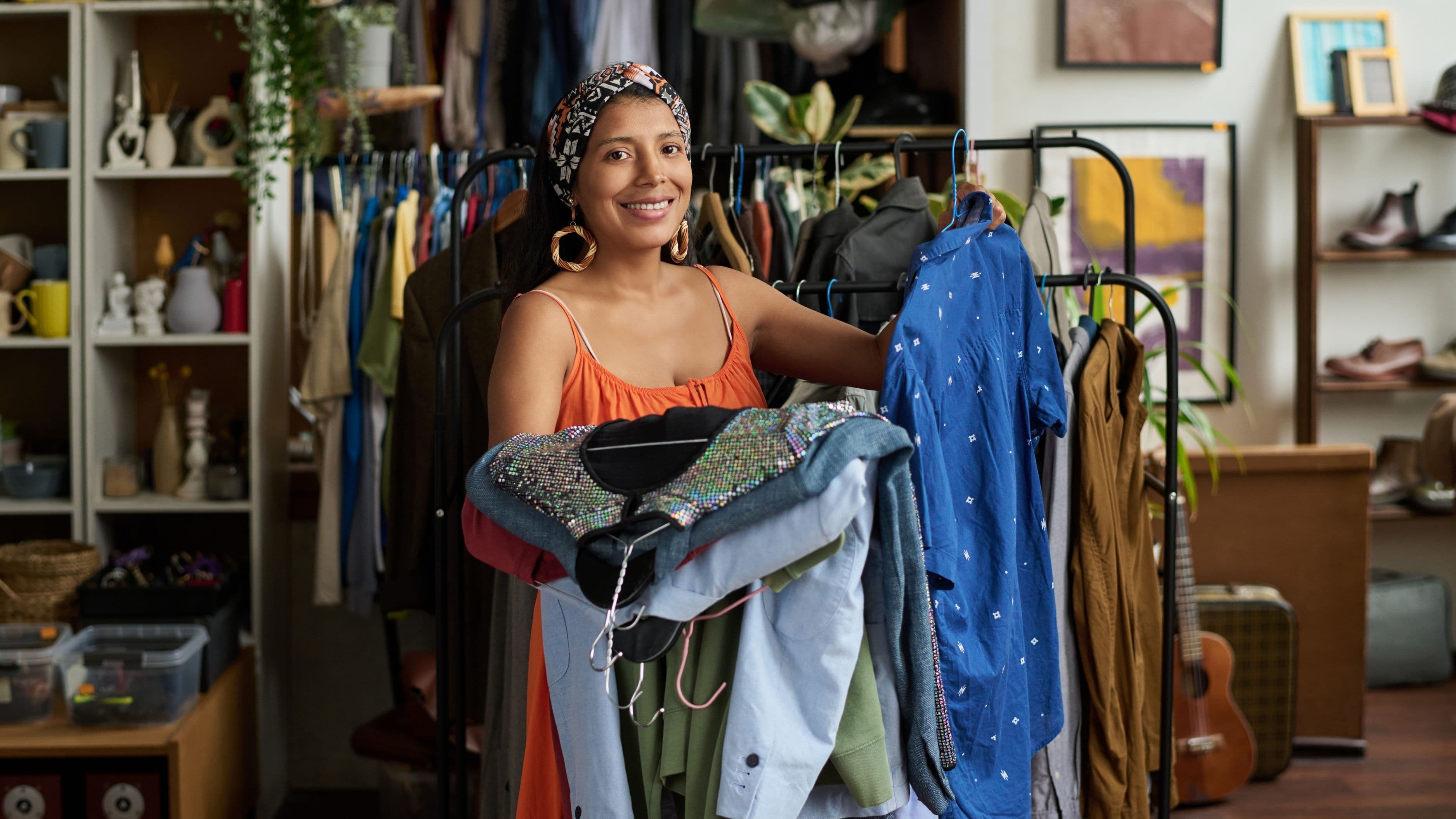
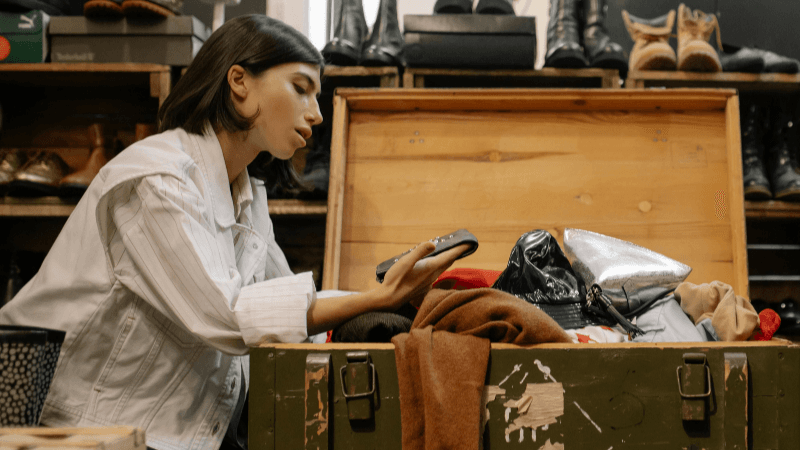
Thrift stores, consignment shops, and online resale platforms have become genuinely excellent sources for kids' clothing – and the stigma that used to surround secondhand shopping has largely evaporated, especially among younger generations. Children's clothing in particular turns over at resale shops quickly, because kids grow so fast that many items are barely worn before they're passed on.
Platforms like ThredUp, Poshmark, and Facebook Marketplace carry a wide range of kids' brands at a fraction of retail price. Local consignment sales – the kind organized by parent groups or community centers in late summer – are worth finding in your area because they tend to have a high volume of near-new children's clothing at very low prices. For basics like jeans, leggings, sweatshirts, and t-shirts, secondhand is often indistinguishable from new after one wash. Save the new-clothing budget for the items that are harder to find in good condition secondhand: shoes, underwear, school backpacks.
Time Your Shopping Strategically
Retail pricing on kids' clothing follows predictable patterns, and knowing them helps you shop at the right moments. The highest prices typically hit in late July and early August, right at peak back-to-school demand. If you can start shopping a few weeks earlier – in June or early July – you'll often find summer clearance running alongside the first back-to-school arrivals, which creates genuine overlap and good value.
Shopping after the school year starts is another underused strategy. By mid-September, many retailers discount their remaining back-to-school inventory significantly to clear space for fall collections. If your child doesn't desperately need something on day one of school, waiting two or three weeks can save you 30–50% on the same items. The discipline required is real, but so is the savings. Similarly, end-of-season clearance in late autumn is the ideal time to buy next-year's winter clothes one size up – coats, boots, and heavier layers especially.
Use Cashback Apps and Retailer Loyalty Programs
Cashback apps like Rakuten, Ibotta, and Honey run in the background of your shopping and return a percentage of what you spend at participating retailers – including major kids' clothing stores like Old Navy, Gap, Carter's, and Target. Setting these up takes about ten minutes, and the returns accumulate passively without changing your shopping behavior at all. Over a back-to-school season, the combined cashback from a few major purchases can add up to a meaningful amount.
Retailer loyalty programs are worth joining if you shop at a store regularly. Old Navy Rewards, Target Circle, and similar programs offer periodic percentage-off events and birthday bonuses that can significantly reduce the cost of a larger purchase. The trap to avoid is signing up for store credit cards in pursuit of the discount – the interest rates on retail cards are high enough that carrying even a small balance quickly erases any savings. Use the free loyalty programs, skip the credit cards.
Embrace Clothing Swaps With Other Families
One of the most practical and genuinely enjoyable ways to refresh a child's wardrobe without spending much is to organize or participate in a clothing swap with other families whose kids are close in age to yours. The concept is simple: everyone brings clean, outgrown clothing they no longer need, and participants browse and take what works for their children. What doesn't get claimed goes to donation.
This works best among friend groups or neighborhood communities where kids are at slightly different stages – the items your eight-year-old has outgrown might be perfect for a friend's six-year-old, and vice versa. Some parent communities organize these formally as annual events; others keep it casual and ongoing. Beyond the obvious budget benefit, clothing swaps build a sense of community and mutual support around something that can otherwise feel isolating and stressful. It's also a genuinely meaningful way to model for your kids that resources can be shared rather than always purchased new.
Buy Slightly Bigger for Growing Room
For younger children especially, buying one size up from their current fit on key pieces is a simple strategy that stretches the life of the clothing significantly. A pair of jeans or a sweatshirt with a little growing room in September will fit comfortably by November and potentially make it all the way through the school year. The cost-per-wear on that item is dramatically better than buying exactly the right size now and replacing it in four months.
The exceptions are shoes and anything with a waistband that needs to fit well for comfort and movement. For those, buy to fit. But for outer layers, sleepwear, casual t-shirts, and anything with a relaxed cut, buying slightly generous is both practical and economical. When in doubt, size up.
Involve Your Kids in Intentional Choices
When children understand that the family has a clothing budget and are given real input within it, a few things tend to happen: they make more thoughtful choices, they're more satisfied with what they get, and they take better care of their things because they had a hand in choosing them. This doesn't mean handing a nine-year-old a credit card – it means explaining the budget in simple terms and letting them make genuine decisions within it.
"We have $80 for your school clothes. We need two pairs of pants and some shirts. You get to pick the colors and styles." That kind of structured choice is appropriate for school-age children and produces better outcomes than either dictating every purchase or giving unlimited input. Older kids can be included in the secondhand shopping process specifically – many teenagers who are initially resistant to thrift shopping come around quickly when they realize the quality of what's available and the money they're saving for things they actually want.
Reflect on What "Enough" Looks Like
There's a quieter question underneath all the practical strategies, and it's worth sitting with for a moment: how much does a child actually need to start the school year? Marketing around back-to-school season is designed to create urgency and expand the definition of necessity, and it works – studies consistently show that families overspend on this category relative to what their children actually use. A child who goes to school five days a week needs a functional, comfortable week's worth of clothing. That's five or six outfits, not fifteen.
Approaching the season with a clear sense of "enough" rather than "more" is both a financial strategy and a wellness practice. It reduces the mental load of managing a cluttered closet, makes getting dressed in the morning simpler for kids who can get overwhelmed by too many choices, and models a relationship with stuff that prioritizes function over accumulation. Enough is not deprivation. It's actually quite freeing – for your budget and for your family's daily life.
A Gentle Takeaway
Back-to-school shopping doesn't have to be a frantic, expensive sprint. When you approach it intentionally – starting from what you have, shopping with a list and a budget, embracing secondhand, timing your purchases well – it becomes manageable, and even satisfying. The goal isn't to spend as little as possible at all costs. It's to spend thoughtfully, so you're not starting the school year already feeling depleted. A little intention now pays dividends in calm all season long.
FAQ
When is the best time to shop for back-to-school clothes? Early July catches end-of-summer sales alongside first back-to-school arrivals, and mid-to-late September is ideal if your child doesn't urgently need items on day one – retailers discount remaining inventory significantly once the peak season passes.
How many outfits does a school-age child actually need? A functional week's worth – five to seven outfits – is genuinely sufficient for most school-age children. More than that tends to add closet clutter and decision fatigue without meaningfully improving their daily comfort.
Are secondhand clothes safe and hygienic for kids? Yes. Washing secondhand clothing before wearing is standard practice and is all that's needed for most items. Shoes are worth inspecting carefully for structural integrity, but clothing in good condition poses no hygiene concern after a wash.
What are the best apps for saving money on kids' clothes? Rakuten and Honey for cashback on online purchases; ThredUp and Poshmark for buying quality secondhand; Facebook Marketplace for local resale and clothing swaps. Combining a cashback app with a retailer sale can stack savings effectively.
How do I get my child on board with secondhand shopping? Frame it around choice and value rather than constraint. Let them pick items themselves, point out quality brands they recognize at lower prices, and if they're older, show them the math – the money saved can go toward something they want more. Most kids come around quickly once they're engaged in the process.
📚 Sources
Consumer Reports – How to Save on Back-to-School Shopping – consumerreports.org/shopping/how-to-save-on-back-to-school-shopping
National Retail Federation – Back-to-School Spending Survey – nrf.com/research-insights/consumer-research/back-school
ThredUp 2024 Resale Report – thredup.com/resale
Rakuten – How Cashback Shopping Works – rakuten.com/how-it-works
American Psychological Association – Stress and Money – apa.org/news/press/releases/stress/2022/concerned-future-inflation