This is less about buying more and more about buying with a clear sense of what's actually needed, what can be reused, and where a little planning saves real money.
Start With an Honest Closet Assessment
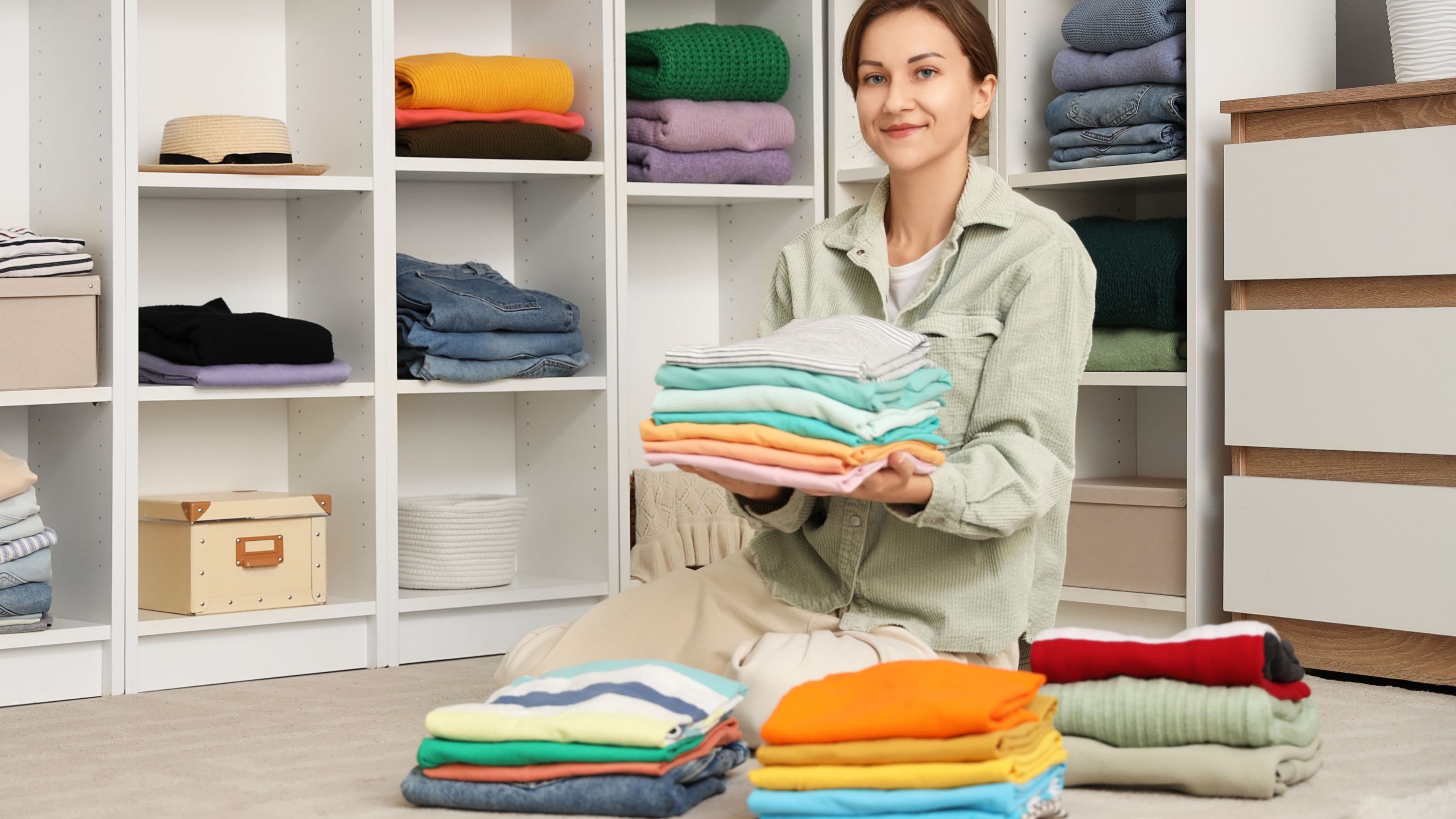
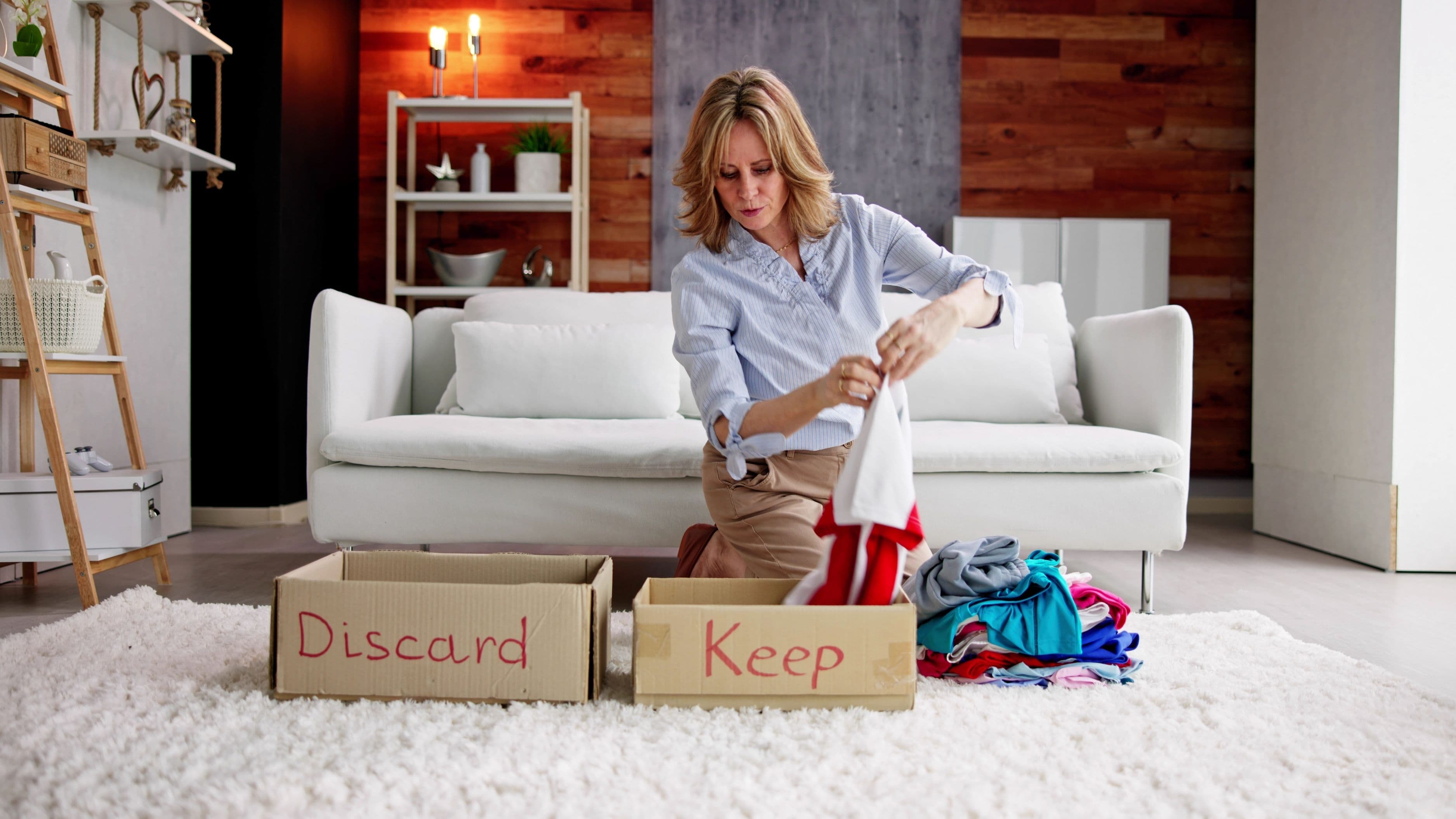
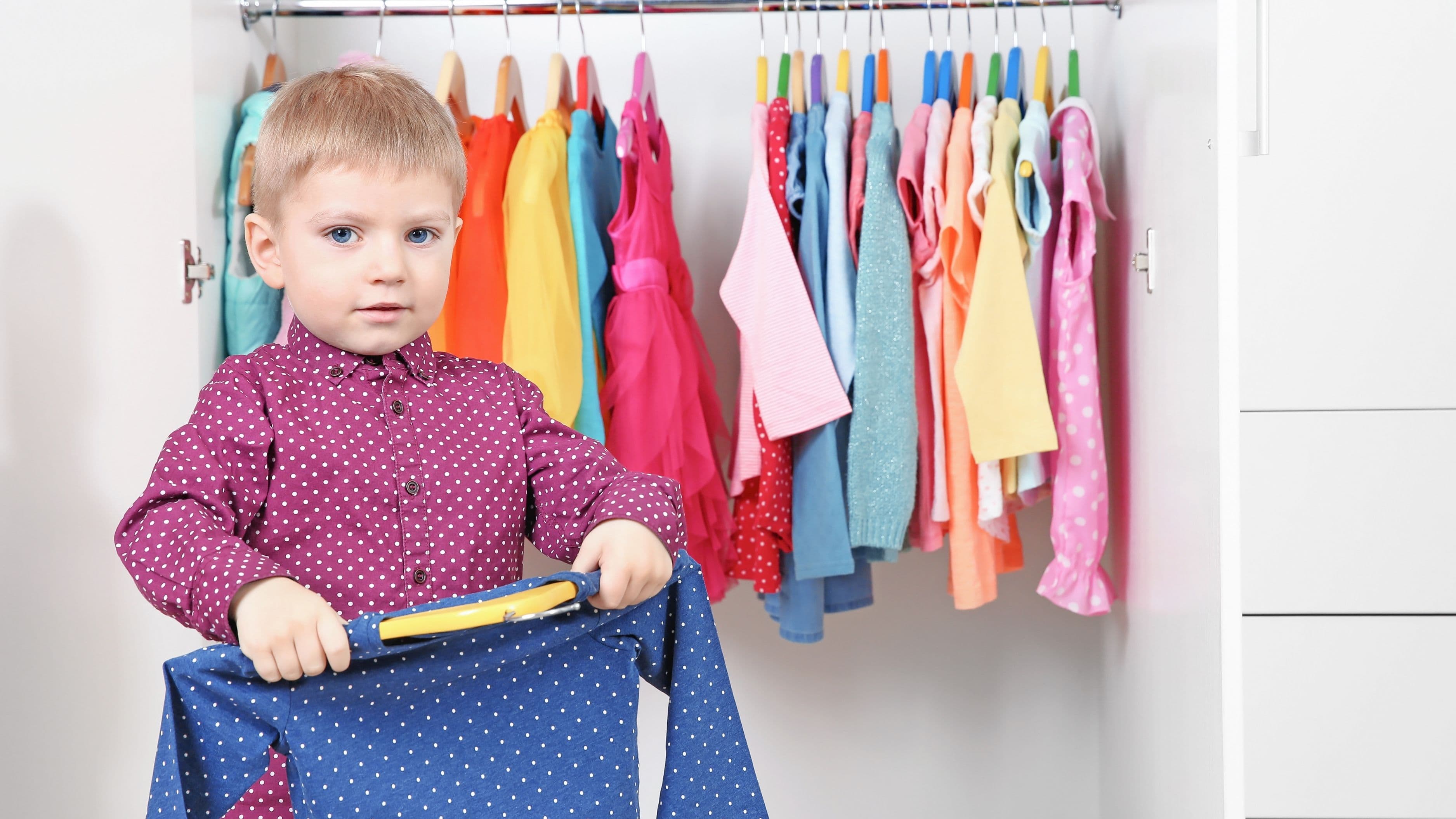
Before adding anything new, take twenty minutes to sort through what your child already owns. Separate items into three categories: things that still fit and work for the season ahead, things that could still work with minor adjustments like hemming or layering, and things that genuinely need to be replaced or handed down.
This single step often reveals that the "whole new wardrobe" feeling is smaller than it seems. Many families discover they need far fewer new pieces than expected once they see what's still usable, and it also gives your child a gentle involvement in the process, noticing what they've outgrown or what they're excited to keep wearing.
Prioritize Versatile Basics Over Trend Pieces
Rather than chasing whatever's currently popular, focus new purchases on basics that mix and match easily: solid-colored tops, well-fitting pants, and a couple of layering pieces that work across multiple outfits. A child with five versatile pieces they can combine in different ways has more effective wardrobe options than one with ten trend-specific items that only pair with themselves.
This approach also naturally reduces spending, since basics tend to be less expensive than trend-driven pieces and hold their usefulness longer as your child moves through the year.
Buy Slightly Ahead of Current Size, Not Two Sizes Up
It's tempting to buy generously oversized clothing hoping it lasts longer, but clothing that's noticeably too big often goes unworn because it doesn't feel comfortable or look right to your child. A better approach is buying just one size ahead of their current measurement, giving some room for growth without sacrificing daily wearability.
This small adjustment in shopping habits tends to reduce the amount of barely-worn clothing that ends up unused in a drawer, which ultimately saves money by making sure what you buy actually gets worn through a full season.
Time Your Shopping Around Seasonal Sales, Not Just Back-to-School Displays
Back-to-school retail pushes tend to price items at a premium during the first few weeks of the season. Many of the same items go on sale within a month or two as retailers shift toward fall and winter inventory. If your child's current wardrobe can bridge the first few weeks of school, waiting even briefly can mean meaningfully lower prices on the same items.
This requires a bit of patience, but it's one of the most reliable ways to stretch a back-to-school budget further without sacrificing what actually ends up in your child's closet.
Consider Consignment and Resale for Fast-Growing Kids
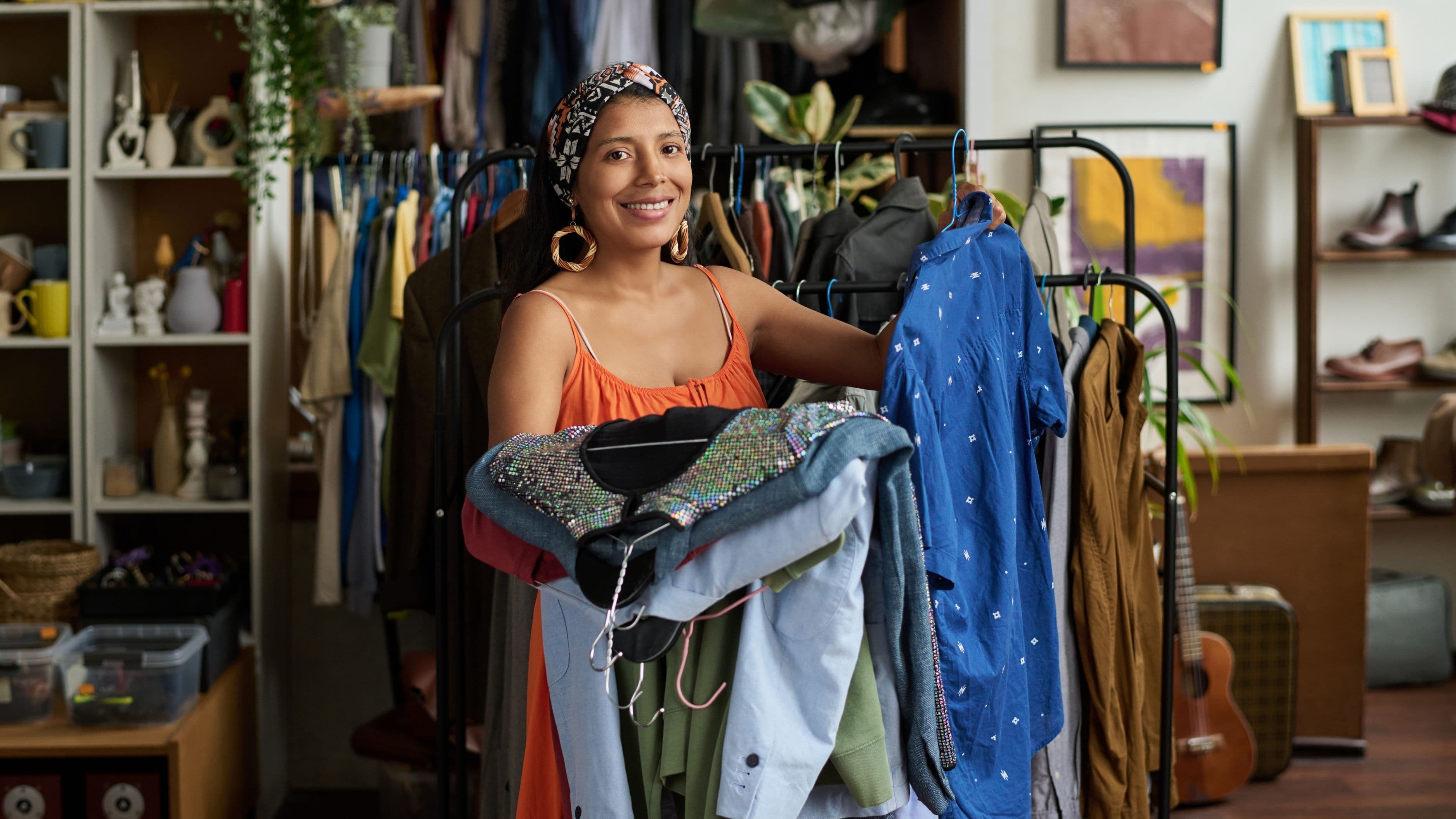
Children, especially younger ones, often grow out of clothing before it shows significant wear. Consignment shops, local buy-nothing groups, and online resale platforms are excellent sources for gently used clothing at a fraction of retail price, and many of these same platforms let you resell what your child outgrows, effectively lowering your net spending over time.
This approach works especially well for outerwear, shoes, and special occasion clothing, items that are often worn only briefly before a growth spurt makes them obsolete anyway.
Involve Your Child in a Few Key Decisions
Giving your child some input, even something as simple as choosing between two color options or picking their favorite item from a small selection, tends to increase how much they actually wear what you've purchased. Kids who feel some ownership over their wardrobe choices are less likely to resist getting dressed in the morning, which quietly reduces both stress and unworn-clothing waste.
Realistic Expectations
A full wardrobe refresh rarely needs more than ten to fifteen new pieces, even for a growing child, when combined with what they already own. It's normal for a few items to still need replacing partway through the year as growth spurts happen unevenly, so building in a little flexibility to your budget rather than trying to cover the entire year in one shopping trip tends to work better in practice.
What to Avoid
Avoid buying a full new wardrobe before checking what's already usable, since this is the fastest way to overspend unnecessarily. Avoid oversized "growing room" purchases that go unworn due to poor fit. And avoid skipping seasonal sale timing purely out of a desire to shop everything in one trip, since a little patience often makes a real difference in your total spending.
FAQ
How many new items does my child actually need for back-to-school? Most children need far fewer than a full new wardrobe, often just a handful of key basics to fill gaps left by growth or wear, once you've assessed what they already own.
Is buying secondhand clothing a good option for school wardrobes? Yes, especially for fast-growing children, since consignment and resale options often provide gently used clothing at meaningfully lower prices than retail.
Should I let my child pick out all their own school clothes? Giving them input on a few key choices tends to work better than either extreme, full control often leads to impractical choices, while no input at all can lead to resistance getting dressed each morning.
Outro
A thoughtful back-to-school wardrobe refresh doesn't require overspending, it requires an honest look at what's already there, a focus on versatile basics, and a little patience around timing. Your child ends up with a closet that actually works for them, and your budget stays intact for everything else the school year brings.
📚 Sources
"Back-to-School Shopping on a Budget" – Consumer Reports, consumerreports.org
"The Environmental and Financial Case for Consignment Shopping" – Good Housekeeping, goodhousekeeping.com
"How Kids' Clothing Sizing Works" – American Academy of Pediatrics, healthychildren.org