Reclaiming your sense of self after motherhood isn't about resenting your role as a parent or wanting to undo the love you feel for your child. It's about recognizing that you're allowed to still exist as a full person with interests, ambitions, and a personality that existed long before your child did – and that finding your way back to that doesn't take anything away from them.
Why This Feeling Is So Common
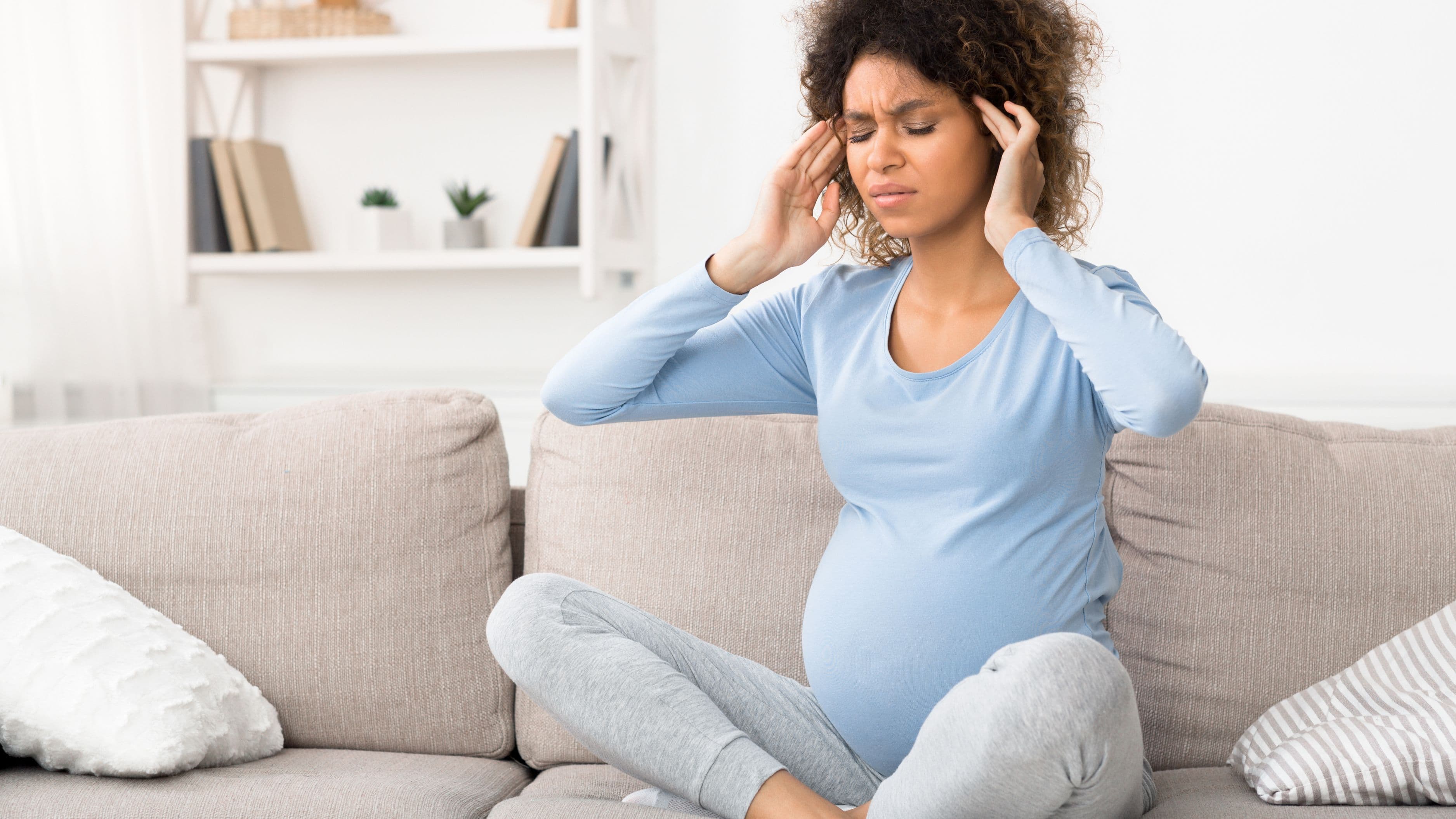
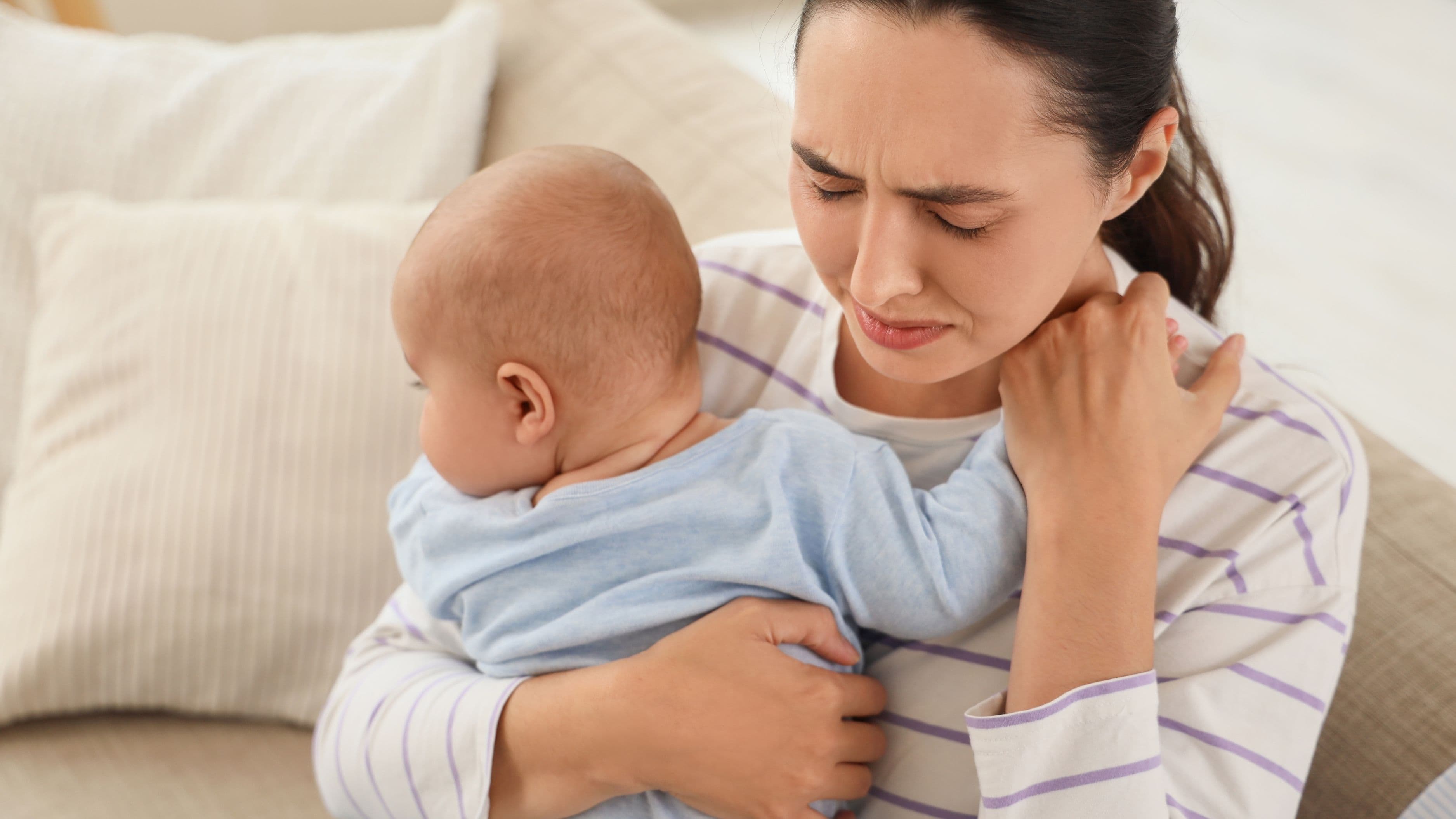
Matrescence, the psychological and identity shift that happens when someone becomes a mother, is a recognized transition that mirrors the intensity of adolescence in terms of how much it reshapes your sense of self. Your priorities shift overnight, your body changes, your relationships shift, and the sheer time demands of caregiving leave little room to process any of it.
Add to this the cultural narrative that motherhood should be endlessly fulfilling on its own, and it's easy to feel guilty for missing parts of your old life, even when that guilt isn't fair to yourself. Naming this shift for what it is – a real, significant transition – can be the first step toward giving yourself permission to feel however you actually feel about it.
Start With Small Pockets of Time That Are Just Yours
Reclaiming identity doesn't require large blocks of free time you likely don't have right now. It starts with protecting small, consistent pockets of time, even fifteen or twenty minutes, that belong entirely to you and aren't shaped around anyone else's needs.
This might mean reading a few pages of a book before bed, taking a walk alone, or simply sitting with a cup of coffee in silence before the house wakes up. The goal isn't the activity itself so much as the reminder that you still have preferences, interests, and a rhythm that exists independent of caregiving.
Reconnect With What Used to Bring You Joy
Think back to what you genuinely enjoyed before becoming a mother, separate from what felt productive or expected of you. Maybe it was a creative hobby, a sport, a particular kind of music, or simply spending unstructured time with friends who knew you outside of your parenting identity.
You don't need to jump back into these things at the same intensity as before. Even a scaled-down version, like picking up a paintbrush for twenty minutes instead of taking a full class, can reconnect you with a part of yourself that's been on pause.
Rebuild Friendships and Adult Conversation
It's common for friendships to quietly fade in the early years of motherhood, simply because time and energy get consumed elsewhere. Rebuilding these connections, or forming new ones with people who see you as more than "so-and-so's mom," matters more than it might seem at first.
Reach out to an old friend for a short coffee catch-up rather than waiting for a perfect window of free time that may never come. Conversations that have nothing to do with parenting can be surprisingly restorative, reminding you that your identity extends beyond your role at home.
Talk Openly With Your Partner or Support System About Mental Load
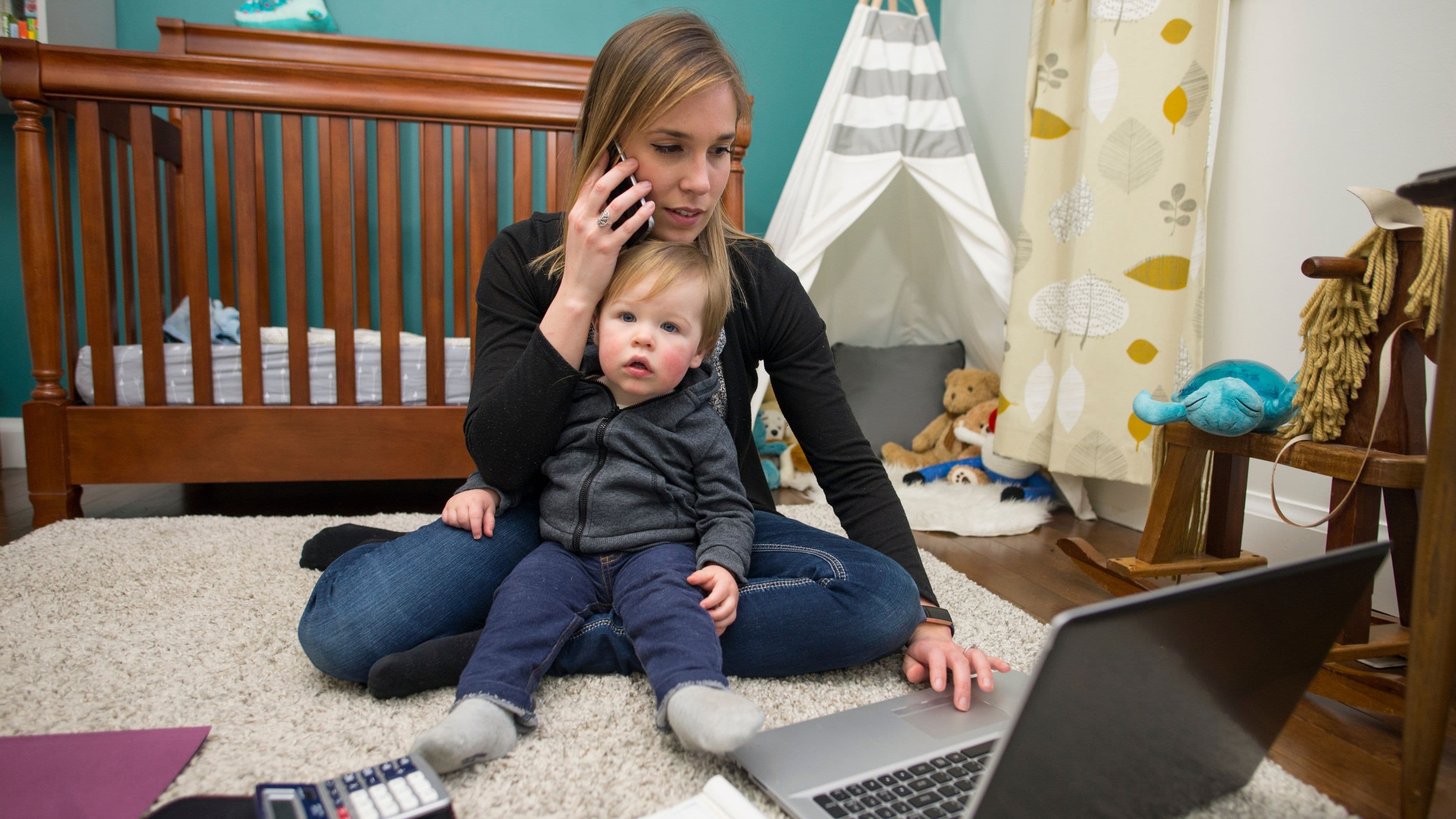
If you have a partner or co-parent, having an honest conversation about how the mental and logistical load of parenting is distributed can free up real time and headspace for you to reconnect with yourself. This isn't about assigning blame – it's about making an invisible imbalance visible so it can actually be addressed.
If you're parenting without a partner, look for pockets of support elsewhere, whether that's family, close friends, or local parent groups, so you're not carrying every piece of the load alone.
Give Yourself Permission to Redefine, Not Just Return
It's worth acknowledging that you may not go back to exactly who you were before, and that's not a loss so much as a natural evolution. Reclaiming your identity doesn't mean recreating your pre-motherhood self perfectly – it means giving yourself room to figure out who you are now, with motherhood as one part of your identity rather than the entirety of it.
This reframe can take pressure off the process, since you're not chasing an old version of yourself but building an updated one that includes both who you were and who you've become.
What to Avoid
Avoid comparing your journey to how other mothers seem to be handling things, especially on social media, where curated moments rarely reflect the full picture. Also be cautious about waiting for a "right time" to start reclaiming pieces of your identity, since that perfect window of free time rarely arrives on its own – small, imperfect steps matter more than waiting for an ideal moment.
If feelings of loss, disconnection, or persistent low mood feel heavier than typical adjustment, it's worth talking to a healthcare provider, since postpartum mood changes are common and support is available.
Moving Forward With Patience
Reclaiming your identity after motherhood isn't a single milestone you reach and check off. It's an ongoing, gentle process of noticing where you've lost touch with yourself and taking small, consistent steps back toward the parts of you that still matter, alongside the meaningful new identity you're building as a parent.
If you're experiencing persistent sadness, disconnection, or overwhelming feelings after having a child, consider speaking with a healthcare provider or therapist, as postpartum mood and identity changes are common and support can make a real difference.
FAQ
Is it normal to feel like I've lost myself after having a baby? Yes, this is an extremely common experience often referred to as matrescence, and it doesn't mean anything is wrong with you or your relationship with your child.
How do I find time for myself when I barely have time to shower? Start incredibly small – even ten to fifteen minutes of something just for you can help, and the consistency matters more than the length of time.
Will I ever feel like "myself" again? Many women describe feeling like a new, evolved version of themselves rather than returning to exactly who they were before, and that shift is a natural part of this transition rather than something to fear.
📚 Sources
Matrescence: The Psychological Transition to Motherhood, ncbi.nlm.nih.gov
Postpartum Depression Facts, nimh.nih.gov
Maternal Mental Health Resources, postpartum.net