If you've found yourself wondering whether you're doing enough, whether your child is developing the emotional depth you hope for, or simply how to nurture something as tender as empathy without forcing it – this is for you. Not a checklist. Not a parenting program. Just a grounded look at what actually shapes a kind child, and how you can gently tend those roots in your own home.
Empathy Is Learned, Not Just Felt
It helps to start here, because a lot of parents carry quiet worry that their child "just isn't empathetic" – as though it's a fixed trait they were born with or without. Research on child development consistently shows otherwise. Empathy is a skill, shaped by experience, reflection, and the emotional environment a child grows up in. Some children are naturally more sensitive to others' feelings, but all children can develop deeper empathy when it's modeled, practiced, and gently encouraged over time.
This matters because it shifts the question from "is my child kind?" to "am I creating the conditions where kindness can grow?" That's a question with far more room to work with – and far less reason for despair when things don't go perfectly.
Model What You Want to See
Children learn far more from what they observe than from what they're told. If empathy is something you want your child to develop, the most powerful thing you can do is let them see it in you – not in grand gestures, but in ordinary moments.
How you talk about the person who cut you off in traffic. How you respond when someone at the store is slow or confused. Whether you stop to acknowledge someone who seems to be struggling. Whether you name your own feelings out loud – "I felt hurt when that happened" – rather than keeping your emotional life opaque and inaccessible to your child. These small moments accumulate into a child's understanding of how people treat each other and what it looks like to care.
This isn't about performing perfect emotional regulation. Children don't need a parent who never loses their temper or always says the right thing. They need a parent who, when they fall short, acknowledges it – "I snapped at you earlier and I shouldn't have, I'm sorry" – because that kind of repair is itself an act of empathy, and it teaches more than any calm moment could.
Name Emotions Early and Often
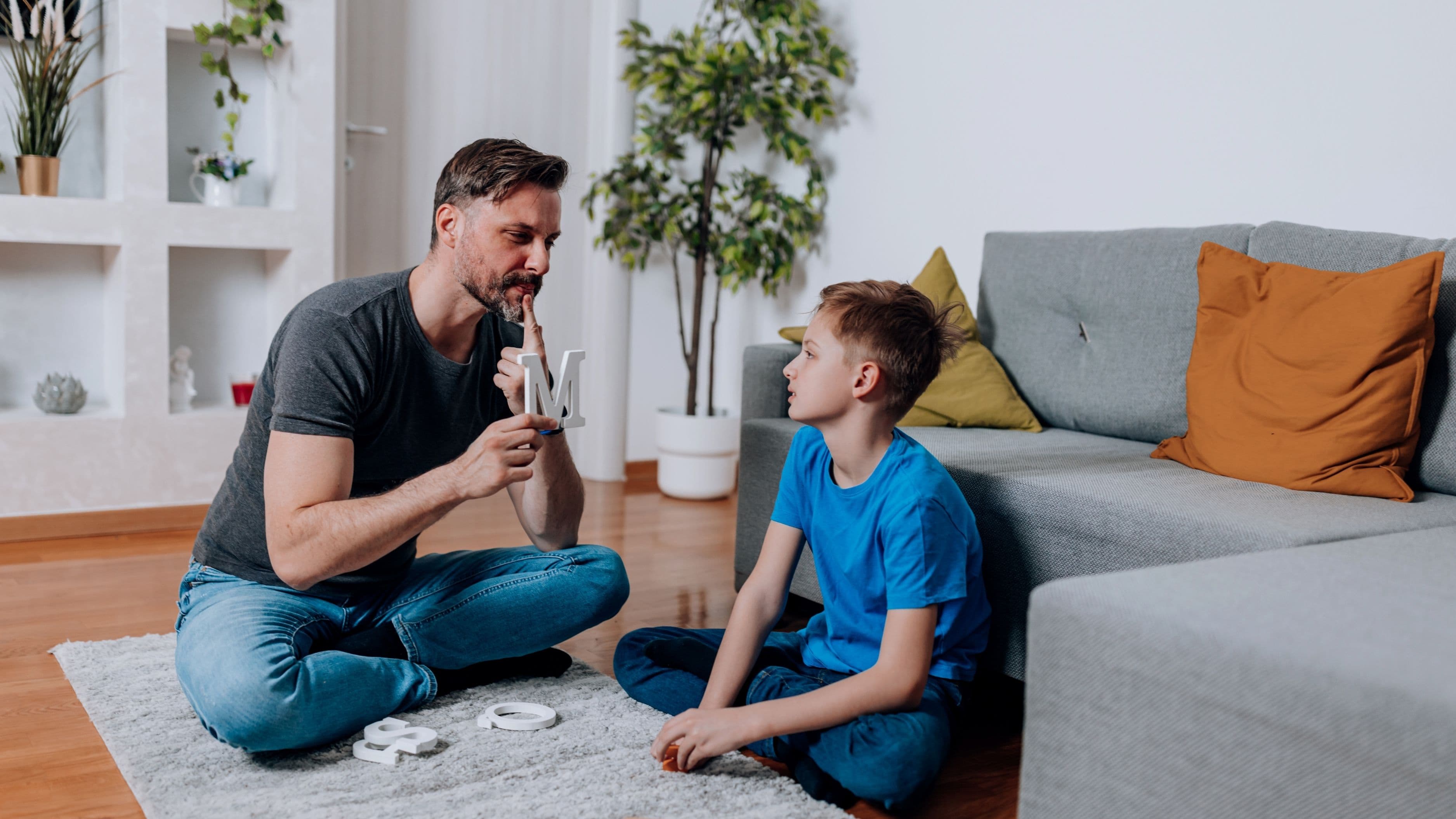
Children can't empathize with feelings they can't identify. One of the most practical things you can do from a very young age is build your child's emotional vocabulary – not by lecturing, but by narrating.
"You look frustrated – the block keeps falling and it's not doing what you want." "She started crying when her toy broke – I think she felt really sad about that." "I could tell you felt proud of yourself when you finished that." This kind of gentle narration, offered without pressure or correction, helps children develop the ability to recognize emotional states – in themselves and in others – which is the foundation of empathy.
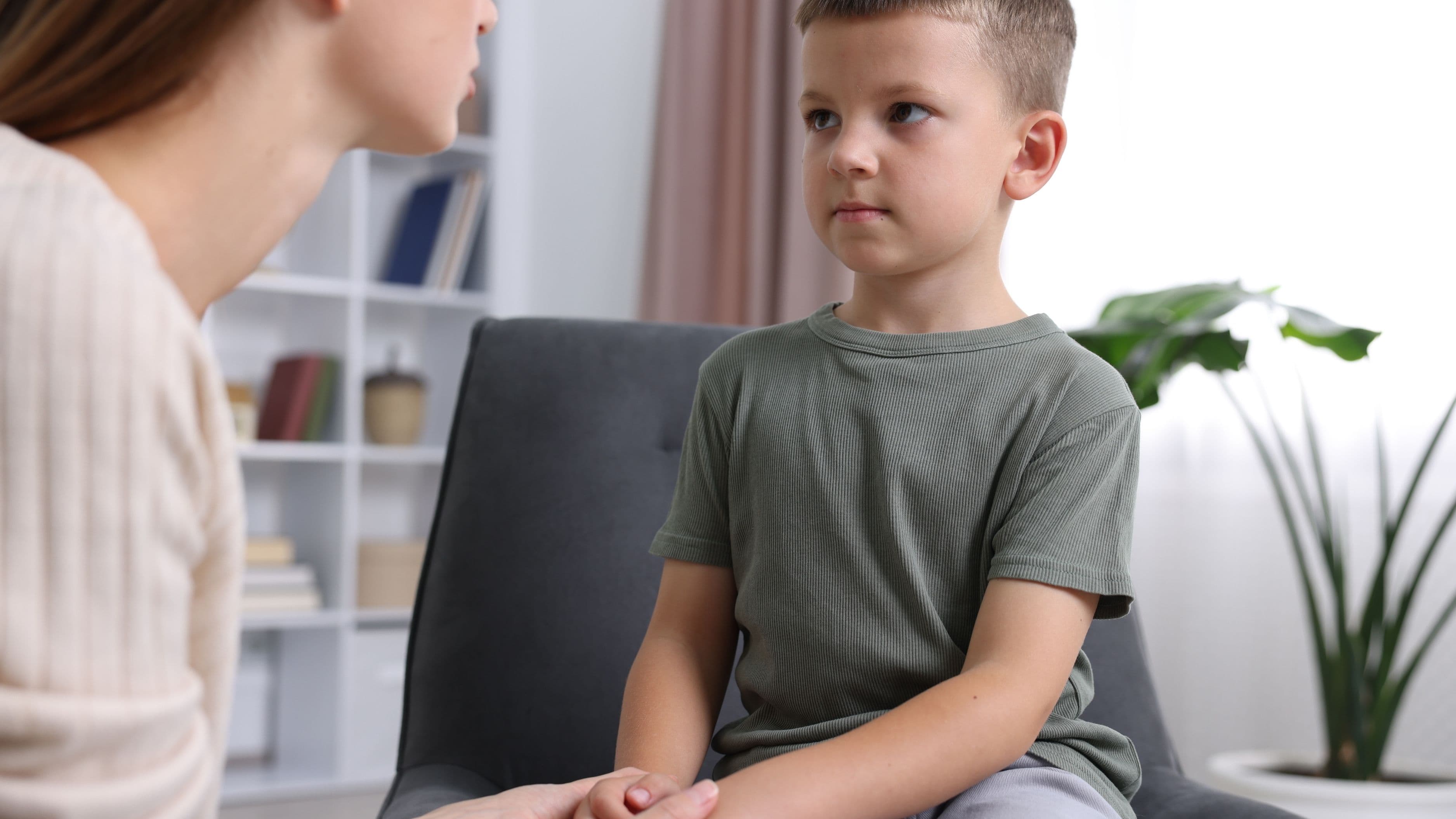
As children grow older, the conversations can deepen. Asking "how do you think that made him feel?" after a conflict or a story isn't meant to make a child feel guilty – it's an invitation to perspective-taking, which is the cognitive component of empathy. The goal isn't to deliver a verdict on their behavior but to make space for genuine reflection. That reflection, practiced over years, becomes instinct.
Create Space for Their Emotions Too
Here's something that's easy to overlook: a child who isn't allowed to fully feel their own emotions has a much harder time connecting with the feelings of others. When big feelings are consistently minimized, rushed past, or treated as inconvenient, children learn to disconnect from their inner life – and that disconnection makes empathy harder, not easier.
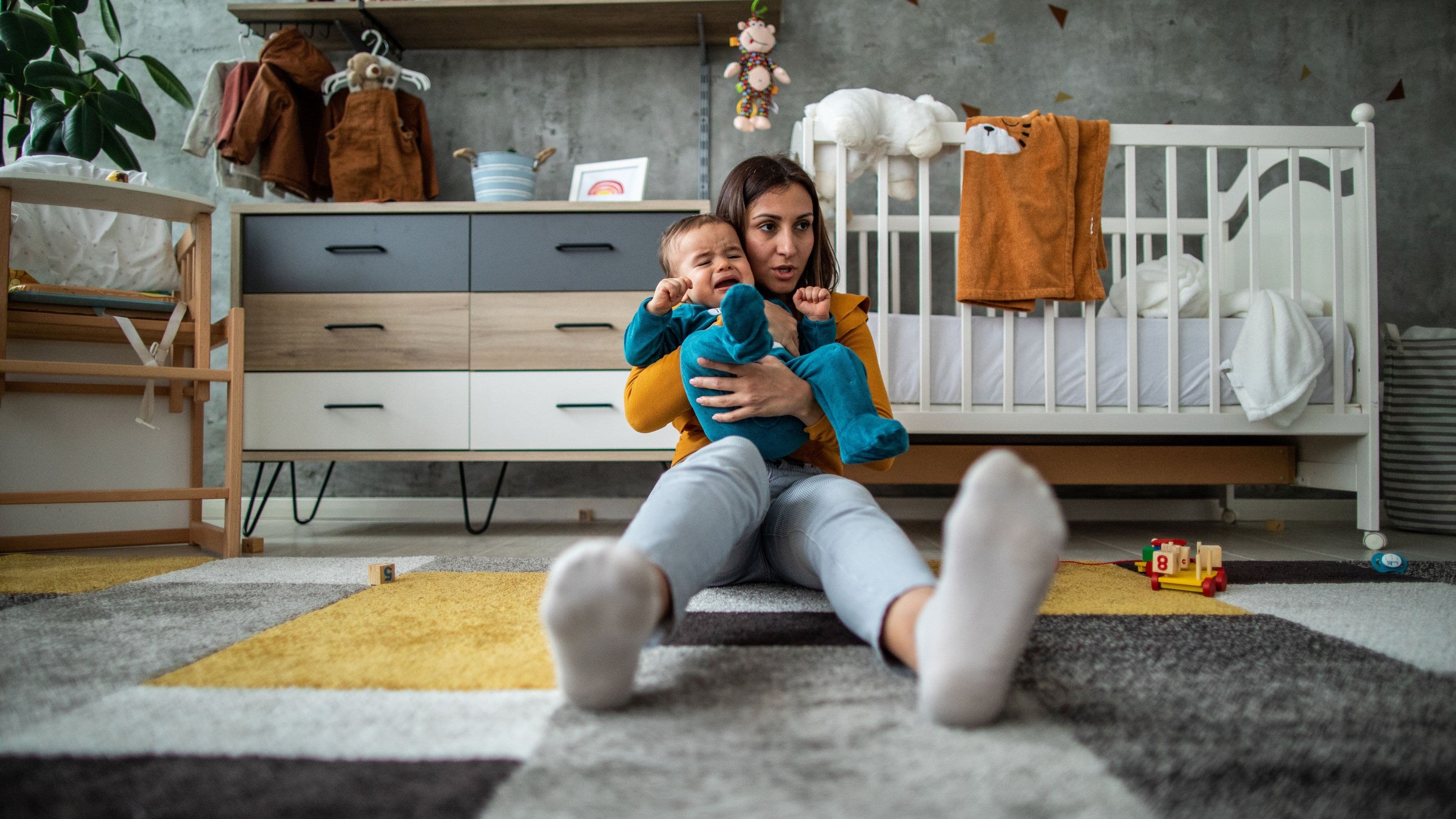
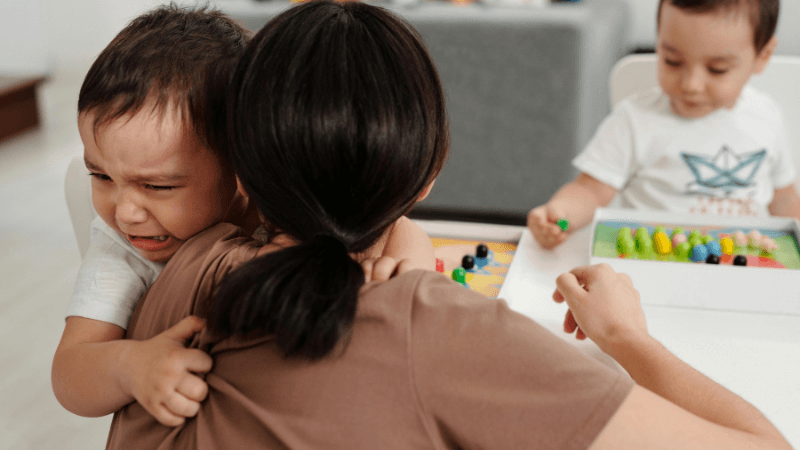
This doesn't mean every emotional moment needs a long conversation or that you're required to sit with every tantrum indefinitely. It means responding to feelings with presence before problem-solving. "You're really upset right now" before "here's how we fix this." "I understand you didn't want to leave" before "but we had to go." The acknowledgment – even brief – tells a child that their inner experience is real and worthy of attention. That message, received over and over, builds emotional security. And emotionally secure children are consistently more empathetic toward others.
Read Together and Talk About Characters
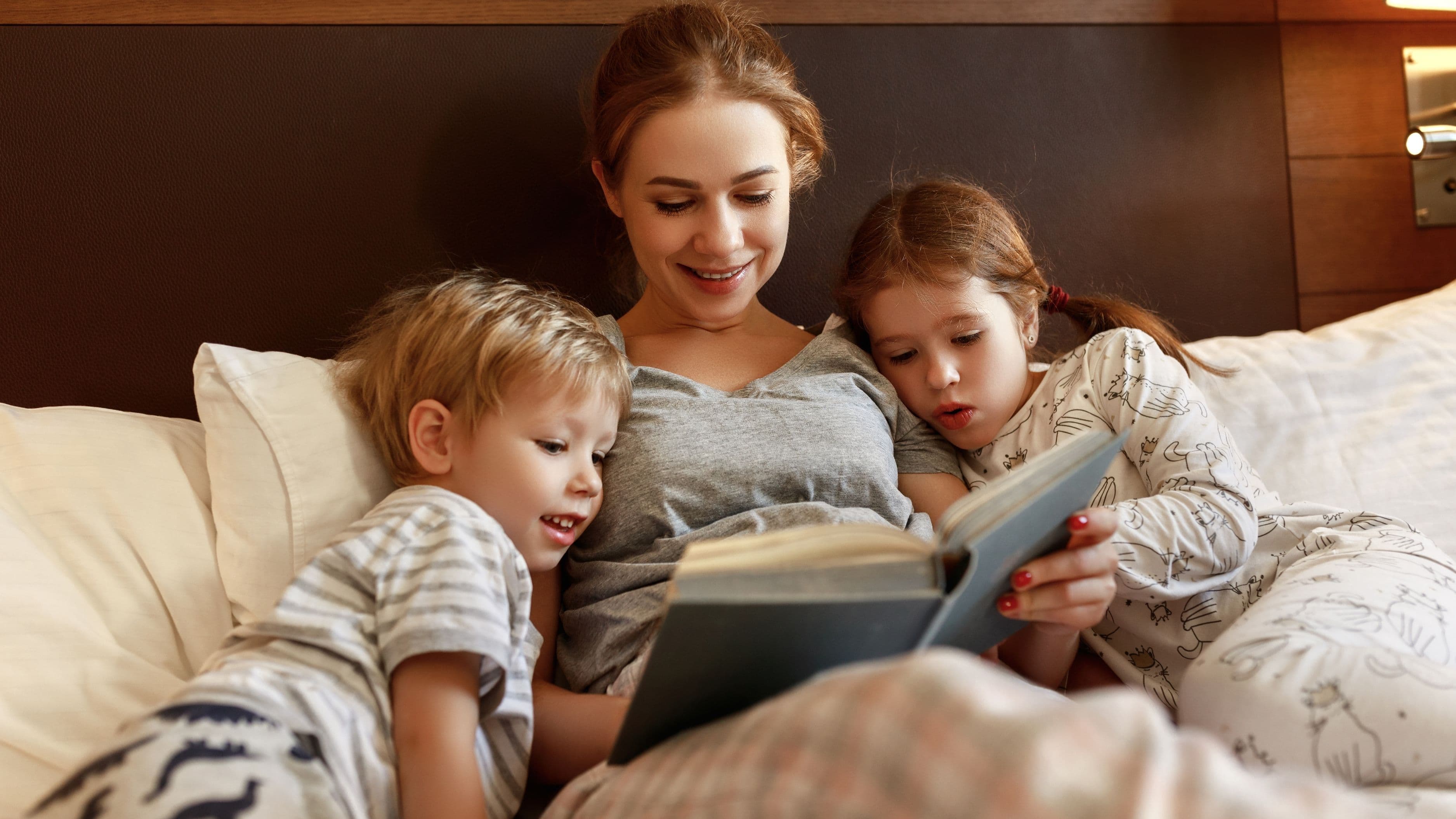
Stories are one of the oldest and most effective tools for building empathy. When a child becomes absorbed in a character's perspective – feeling what they feel, understanding why they make the choices they make – they're practicing the exact cognitive and emotional skills that underpin empathy in real life.
This works best when reading together becomes a conversation rather than a performance. Not quizzing a child on plot points, but wondering aloud with them: "I wonder why she was so afraid to tell the truth." "What do you think he was feeling when everyone laughed?" "Have you ever felt something like that?" These questions invite children to step inside another person's experience, a practice that carries directly into how they navigate real relationships.
The books don't need to be specifically about kindness to do this work. Any story with well-drawn characters and real emotional stakes builds the empathy muscle. Fiction, picture books, even comics – the format matters less than the habit of engaging with characters as though their inner lives are real and worth understanding.
Give Them Opportunities to Help
Empathy without action has limited roots. Children who are given genuine opportunities to help – not just encouraged to feel bad for others, but actually given something useful to do – develop a more embodied sense of their own capacity for kindness.
This can look like very small things. Letting a young child help make soup for a sick neighbor. Involving them in choosing a toy to donate from their own collection. Asking their input on how to make a family member who's had a hard week feel more welcome. The act of contributing to someone else's wellbeing, and then witnessing its effect, creates a positive feedback loop: helping feels good, which makes children want to do it again, which gradually becomes a part of how they see themselves.
Older children can take on more meaningful roles – volunteering, organizing a collection drive at school, writing a letter to someone who is isolated. The scale doesn't determine the impact. What matters is that kindness moves from concept to lived experience in the child's own hands.
Talk About Differences With Openness, Not Avoidance
Empathy across difference – for people whose lives look very different from one's own – is one of the most important capacities a child can develop, and it doesn't develop in silence. When families avoid talking about race, disability, poverty, mental illness, or other differences out of discomfort or a wish to seem neutral, children fill that silence with whatever they absorb from peers, media, and cultural messages that aren't always accurate or compassionate.
Talking about difference doesn't require having perfect answers or complete knowledge. It requires a willingness to be curious alongside your child – to say "that's a really good question, let's think about it together" or "I'm not sure, but here's what I do know." It means naming injustice when children encounter it rather than smoothing it over, and helping them sit with discomfort rather than looking away from it. Children who grow up in homes where difference is discussed openly and thoughtfully are better equipped to extend genuine empathy to people whose experiences differ from their own.
What to Avoid
Some well-intentioned parenting habits can quietly work against the development of empathy, and it's worth naming them gently.
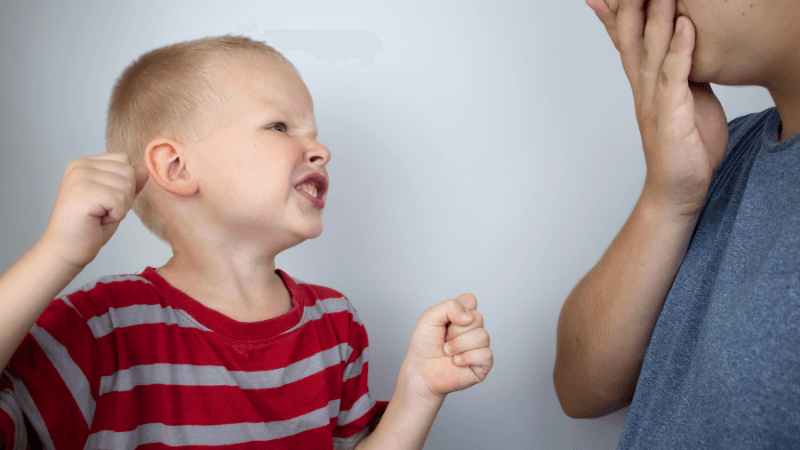
Forcing apologies before a child is ready rarely produces genuine remorse – it produces performative words delivered to end an uncomfortable moment. A coerced "sorry" teaches a child to say what adults want to hear, not to actually reckon with another person's feelings. A more useful approach is to give the child time to regulate, then have a genuine conversation about what happened and how it affected the other person.
Praising kindness exclusively with external rewards can also shift motivation in the wrong direction. "You were so kind – here's a treat" gradually teaches children that kindness is instrumental, a means to an external end. Noticing and naming the internal satisfaction is more lasting: "Did you see how she smiled when you did that? How did that feel for you?"
And finally – protecting children from every difficult emotion, conflict, or consequence, however lovingly intended, can inadvertently limit their emotional development. Children who are never allowed to feel disappointment, navigate conflict, or sit with something hard have fewer opportunities to develop the emotional depth that empathy requires. Some discomfort is part of the process.
A Gentle Reminder for Imperfect Days
You will have days when your child is unkind – to a sibling, a classmate, to you – and it will feel discouraging. That's normal. Empathy develops over years, not in consistent upward lines, and children are still learning to regulate emotions that often overwhelm them. A child who hurts someone's feelings and then genuinely feels bad about it is already doing the work.
What matters most isn't perfection on any given day. It's the overall emotional climate of your home – whether it's a place where feelings are taken seriously, where repair is possible after rupture, where kindness is modeled without being performed, and where children feel safe enough to be honest about their inner lives.
That kind of home doesn't produce perfect children. It produces children who are genuinely trying, who know how to notice others, and who understand – in their bones, not just their heads – that how we treat each other matters.
That's more than enough.
FAQ
At what age do children start developing empathy? Even infants show early signs of empathy – newborns cry in response to other babies crying, and toddlers as young as 18 months will spontaneously try to comfort someone who is upset. The capacity deepens significantly between ages 3 and 6 as children develop theory of mind – the ability to understand that others have thoughts and feelings different from their own. Empathy continues developing well into adolescence and beyond.
What if my child seems unusually self-focused or struggles with empathy? Some children are naturally more inward-focused, especially in early childhood. Others may be going through a developmental phase, experiencing stress, or – in some cases – have neurological differences that affect empathy processing. If you have persistent concerns, speaking with a pediatrician or child psychologist is a wise step. For most children, however, consistent modeling, emotional coaching, and patience produce meaningful growth over time.
How do I teach empathy without making my child feel guilty for every conflict? The goal isn't guilt – it's reflection. There's a meaningful difference between "look how sad you made her feel" (which centers guilt) and "how do you think she felt when that happened?" (which invites genuine perspective-taking). Empathy-building conversations work best when they're curious rather than prosecutorial, and when they happen after the child has had a chance to calm down.
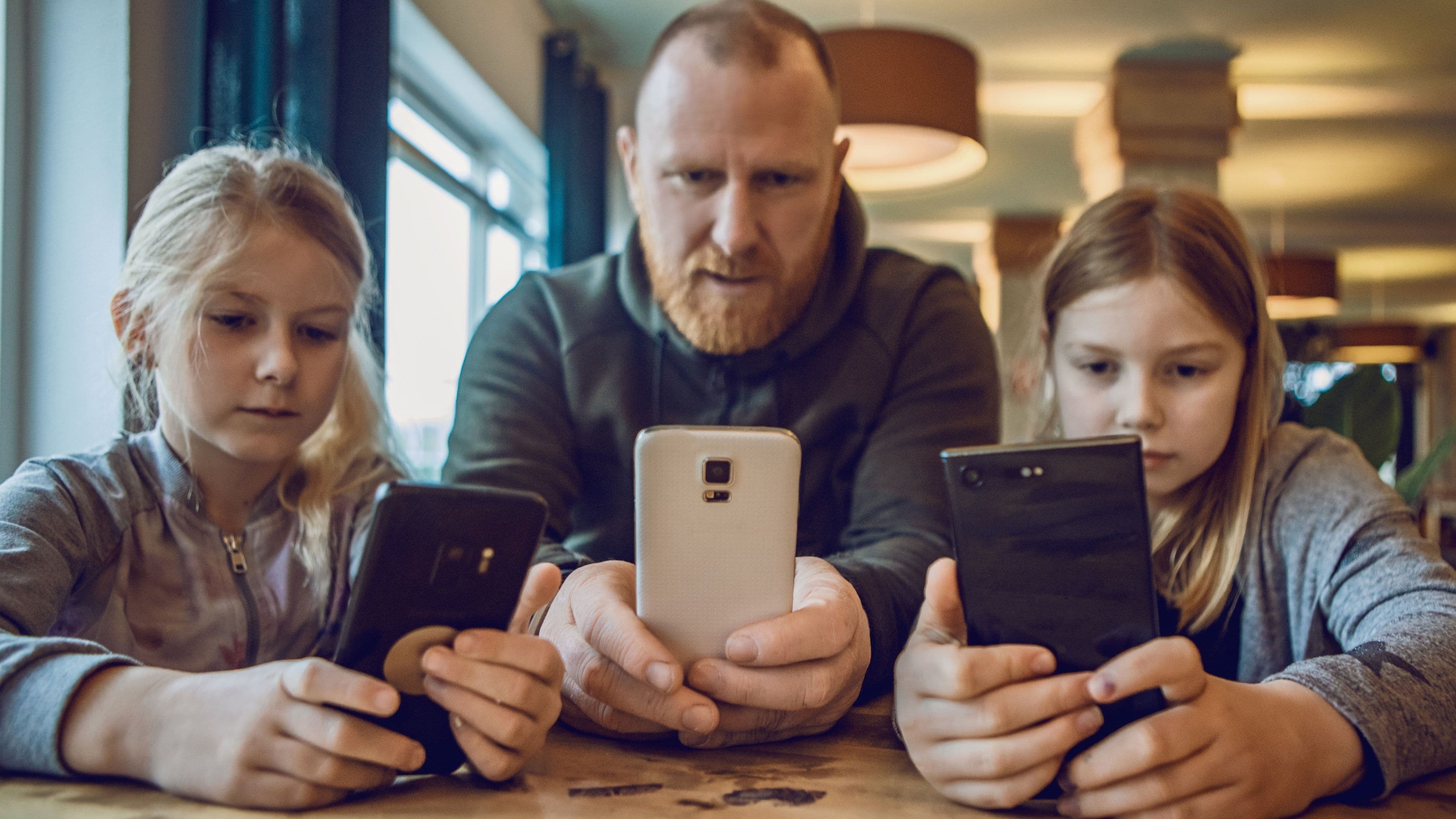
Can screens and social media affect empathy development? Research suggests that high levels of passive screen consumption – particularly content that doesn't involve genuine social interaction or narrative depth – can reduce opportunities for the kind of face-to-face and imaginative engagement that builds empathy. Active engagement, including video calls with family, co-viewing with conversation, and interactive storytelling, carries less risk. Balance, as with most things in parenting, matters more than strict rules.
How do I handle it when my child witnesses unkindness without knowing what to say? You don't always need to have the right words in the moment. Saying "I'm not sure what the right thing to say is, but that didn't sit right with me either" is honest and models both moral sensitivity and intellectual humility. Following up later – "I've been thinking about what we saw earlier" – shows that you take these things seriously and that moral reflection is an ongoing part of life, not something that only happens in teachable moments.
📚 Sources
Greater Good Science Center – How to Raise Kind Kids: https://greatergood.berkeley.edu/article/item/how_to_raise_kind_kids
American Academy of Pediatrics – Empathy and Children: https://www.healthychildren.org/English/ages-stages/toddler/Pages/Empathy-and-Children.aspx
Harvard Graduate School of Education – Making Caring Common Project: https://mcc.gse.harvard.edu/resources-for-parents
Zero to Three – Social-Emotional Development: https://www.zerotothree.org/resources/series/tips-for-parents-on-social-emotional-development
Greater Good Science Center – Can You Teach Empathy?: https://greatergood.berkeley.edu/article/item/can_you_teach_empathy
Psychology Today – The Roots of Empathy in Children: https://www.psychologytoday.com/us/blog/evolution-the-self/201012/the-roots-of-empathy-in-children