What Qi Gong Actually Is
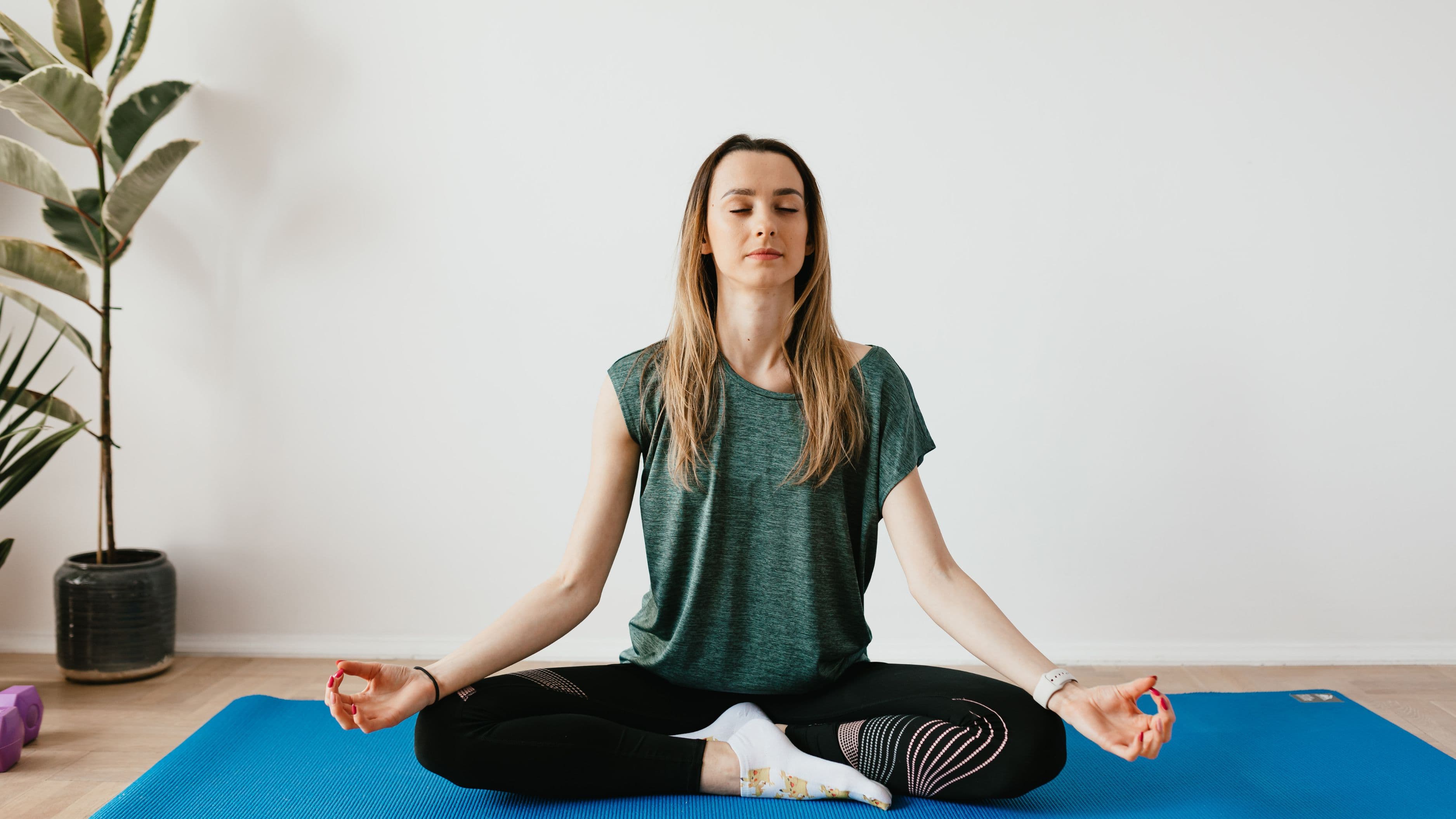
Qi gong combines slow, deliberate movement, breath work, and focused attention, often performed standing or seated. Unlike more vigorous forms of exercise, the movements are gentle and low-impact, making it accessible to people who may not be able to tolerate higher-intensity activity because of pain or physical limitations. Sessions typically last anywhere from ten minutes to an hour, and the practice can be done standing, seated, or even adapted for people with significant mobility restrictions.
The tradition behind qi gong is rooted in the concept of cultivating and balancing "qi," often translated as vital energy, though you don't need to adopt any particular belief system to practice it or potentially benefit from its physical components – the slow movement, controlled breathing, and focused attention have measurable effects independent of the traditional framework around them.
What the Research Actually Shows
Research on qi gong for chronic pain, including conditions like fibromyalgia, lower back pain, and osteoarthritis, has shown modest but real benefits in a number of studies, particularly around pain intensity, quality of life, and stress reduction. It's worth being honest here: most of the research base is smaller and less robust than what exists for more established treatments, and results vary depending on the specific condition and how consistently someone practices.
What does seem to hold up reasonably consistently across studies is qi gong's effect on the nervous system's stress response. Chronic pain and the body's stress response are closely linked, and practices that reliably reduce physiological stress – slow breathing, gentle movement, focused attention – tend to have a real, if moderate, impact on how pain is experienced, even when the underlying condition itself doesn't change.
How It Might Help With Chronic Pain Specifically
Chronic pain often comes with a layer of muscle tension, shallow breathing, and a nervous system stuck in a heightened stress state, all of which can make pain feel more intense than the underlying tissue damage alone would explain. Qi gong's combination of slow movement and deep, controlled breathing directly addresses this layer – it doesn't change the original source of pain, but it can meaningfully reduce how much the nervous system amplifies it.
There's also a gentle movement benefit worth mentioning. Chronic pain frequently leads to reduced movement over time, which can create its own secondary problems – stiffness, deconditioning, reduced circulation. A practice gentle enough to be sustainable, even on harder pain days, offers a way to maintain some movement without the setback risk that more intense exercise might carry.
Getting Started Realistically
If you're curious about trying qi gong, start with a class specifically designed for beginners or people managing chronic conditions, rather than a general class that may move faster or expect more physical range than feels comfortable. Many community centers, hospitals with integrative medicine programs, and online platforms offer beginner-specific sessions.
Start with short sessions – ten to fifteen minutes – rather than committing to a full hour right away. Consistency matters more than duration here, and a sustainable short practice done several times a week will likely serve you better than an ambitious longer session you can't maintain.
Realistic Expectations
Qi gong is not a cure, and it won't eliminate chronic pain on its own. The honest expectation, based on the current evidence, is a complementary practice that may modestly reduce pain intensity, improve stress levels, and support gentle movement, particularly when it's part of a broader approach that includes appropriate medical care. Some people notice a difference within a few weeks of consistent practice; for others, the benefit is more subtle or takes longer to show up.
If you have chronic pain, this is worth discussing with your doctor or physical therapist, particularly if your pain is related to a specific diagnosed condition where certain movements may need to be modified or avoided.
What to Avoid
Avoid using qi gong as a replacement for medical treatment for a diagnosed condition, particularly for pain with a clear underlying cause that needs ongoing medical management. It's best positioned as a complement, not a substitute.
Be cautious of instructors or programs making dramatic healing claims – qi gong's realistic benefits are real but modest, and any practice promising to cure a chronic condition outright is overselling what the current evidence actually supports.
If a particular movement causes sharp or worsening pain, stop and modify it or skip it. Qi gong should feel gentle throughout; genuine discomfort beyond mild effort is a sign to adjust rather than push through.
FAQ
Do I need to believe in the traditional Chinese medicine framework for qi gong to help? No. The physical components – movement, breath, focused attention – have effects independent of whether you personally connect with the traditional philosophy behind the practice.
How is qi gong different from tai chi? They share roots and some similar principles, but tai chi typically involves more structured, flowing sequences of movement, while qi gong is often simpler and more focused on breath and stillness alongside gentle motion.
Can I do qi gong if I have limited mobility? Yes, many forms can be adapted for seated practice or very limited range of motion. Look for a class or instructor specifically experienced with adaptive practice.
Qi gong won't replace the medical care a chronic pain condition may need, but as a gentle, low-risk complement, it has a reasonable evidence base for modestly easing pain and supporting a calmer nervous system. Approach it with realistic expectations, and it can become a genuinely useful piece of a broader pain management approach – and it's always worth discussing with your doctor if you're managing an ongoing condition.
📚 Sources
National Center for Complementary and Integrative Health: Qi Gong – https://www.nccih.nih.gov/health/tai-chi-and-qi-gong-in-depth
Johns Hopkins Medicine: The Health Benefits of Tai Chi – https://www.hopkinsmedicine.org/health/wellness-and-prevention/the-health-benefits-of-tai-chi
Arthritis Foundation: Qi Gong for Arthritis Pain – https://www.arthritis.org/health-wellness/healthy-living/physical-activity/other-activities/qi-gong-for-arthritis