This isn't a crisis – it's a natural part of aging. But it is something worth paying attention to, because the choices you make in your daily life have a real and meaningful effect on how well your bones hold up over the decades ahead. The good news is that the most important things you can do are also some of the most accessible: how you eat, how you move, and how you support your overall health all matter in ways that accumulate quietly and significantly over time.
Why Bone Health Deserves More Attention Than It Gets
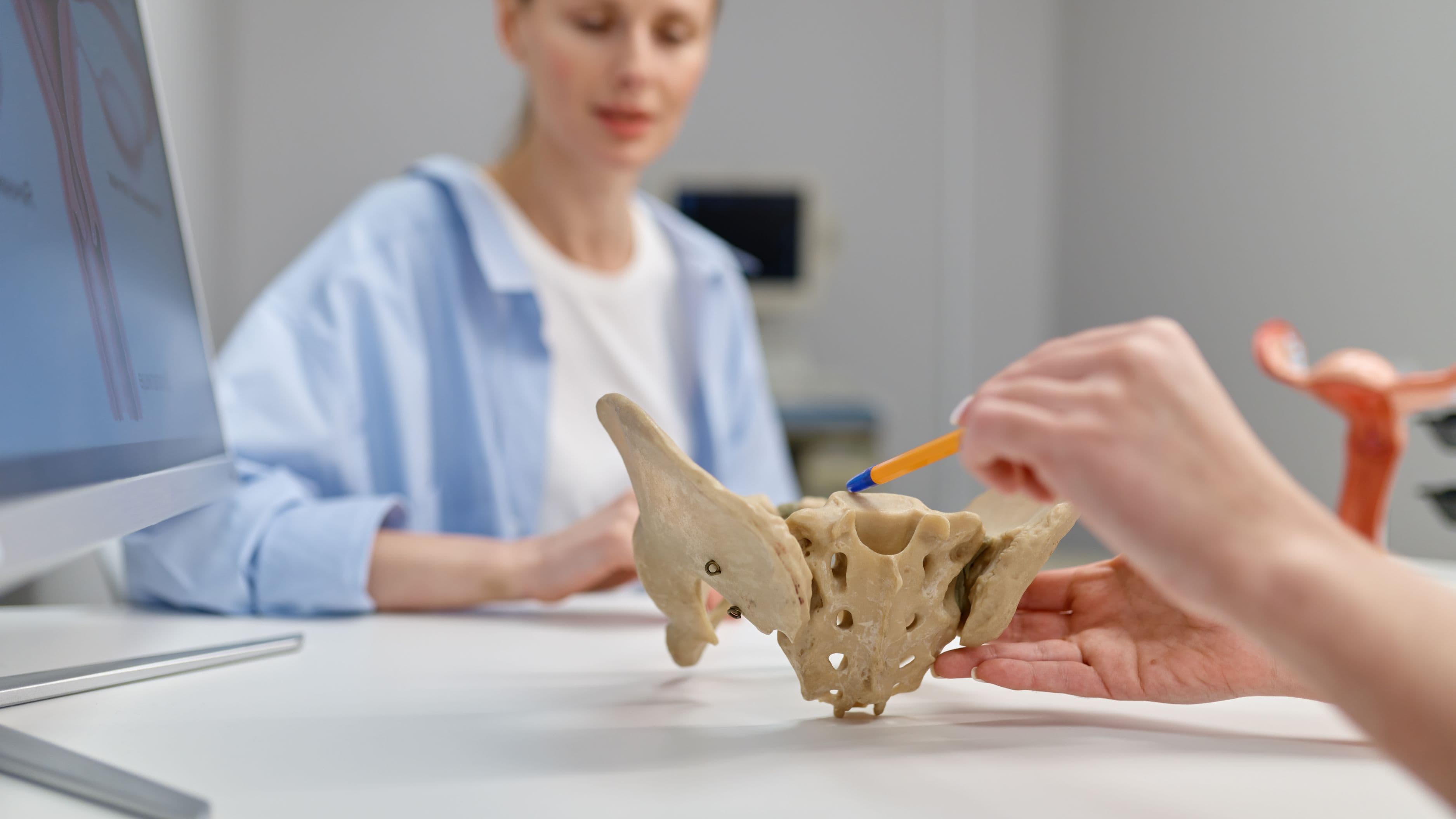
Bone loss tends to happen invisibly. There's no signal – no discomfort, no visible change – as density gradually decreases through your thirties, forties, and fifties. For women, the transition through perimenopause and menopause accelerates this process significantly, because estrogen plays a key role in slowing bone resorption. In the years immediately following menopause, bone loss can be two to three times faster than in the years before.
Osteoporosis – the condition in which bones become significantly porous and fragile – affects approximately ten million Americans, and an additional 44 million have low bone mass that puts them at increased risk. Hip fractures in older adults carry serious consequences:
reduced mobility, loss of independence, and in some cases, complications that affect long-term health outcomes significantly. Most of that downstream difficulty is preventable with consistent, early attention to bone health – long before a fracture ever occurs.
Build Your Foundation With Calcium
Calcium is the primary mineral in bone tissue, and adequate intake over a lifetime is one of the most reliable predictors of bone density in later years. The recommended daily intake for most adults is around 1,000 mg, rising to 1,200 mg for women over 50 and men over 70. Most people fall short of this without realizing it.
Food sources are the most effective way to meet your calcium needs. Dairy products – milk, yogurt, cheese – are the most concentrated sources, but they're far from the only ones. Canned salmon and sardines eaten with their bones, firm tofu made with calcium sulfate, edamame, almonds, bok choy, kale, and broccoli all contribute meaningfully to your daily intake. Fortified plant milks and orange juice can also be significant sources if you check the label. Building a diet that includes two to three calcium-rich foods daily is usually enough to meet your needs through food alone.
If you supplement, calcium carbonate is best absorbed with food, while calcium citrate can be taken any time. The important thing with supplementation is not to overdo it – very high supplemental calcium intake (well above 1,000 mg from supplements alone) hasn't been shown to provide additional bone benefit and may carry other health considerations. Meeting your needs through food first, and supplementing only what's genuinely missing, is the more balanced approach.
Don't Underestimate Vitamin D
Calcium doesn't work in isolation. Vitamin D is what allows your intestines to absorb calcium effectively – without adequate vitamin D, much of the calcium you consume passes through without being utilized. It also plays a direct role in bone mineralization and in the muscle strength that protects your bones from the impact of falls.
Vitamin D is primarily synthesized through sun exposure on the skin, but many factors limit how much most people actually produce: living in northern latitudes, spending most of the day indoors, wearing sunscreen (which is still recommended for skin health), and the natural decline in skin's ability to synthesize vitamin D that comes with age. Food sources – fatty fish, egg yolks, fortified foods – contribute some, but rarely enough to maintain optimal levels on their own.
For most adults, a daily supplement of 1,000 to 2,000 IU of vitamin D3 is a reasonable and well-supported approach, though your optimal dose depends on your baseline levels. A simple blood test measuring 25-hydroxyvitamin D can tell you where you stand. Many people, including those who spend time outdoors, are surprised to find their levels lower than expected – and correcting a deficiency often produces noticeable improvements in energy and general well-being alongside the bone health benefits.
Make Movement a Non-Negotiable
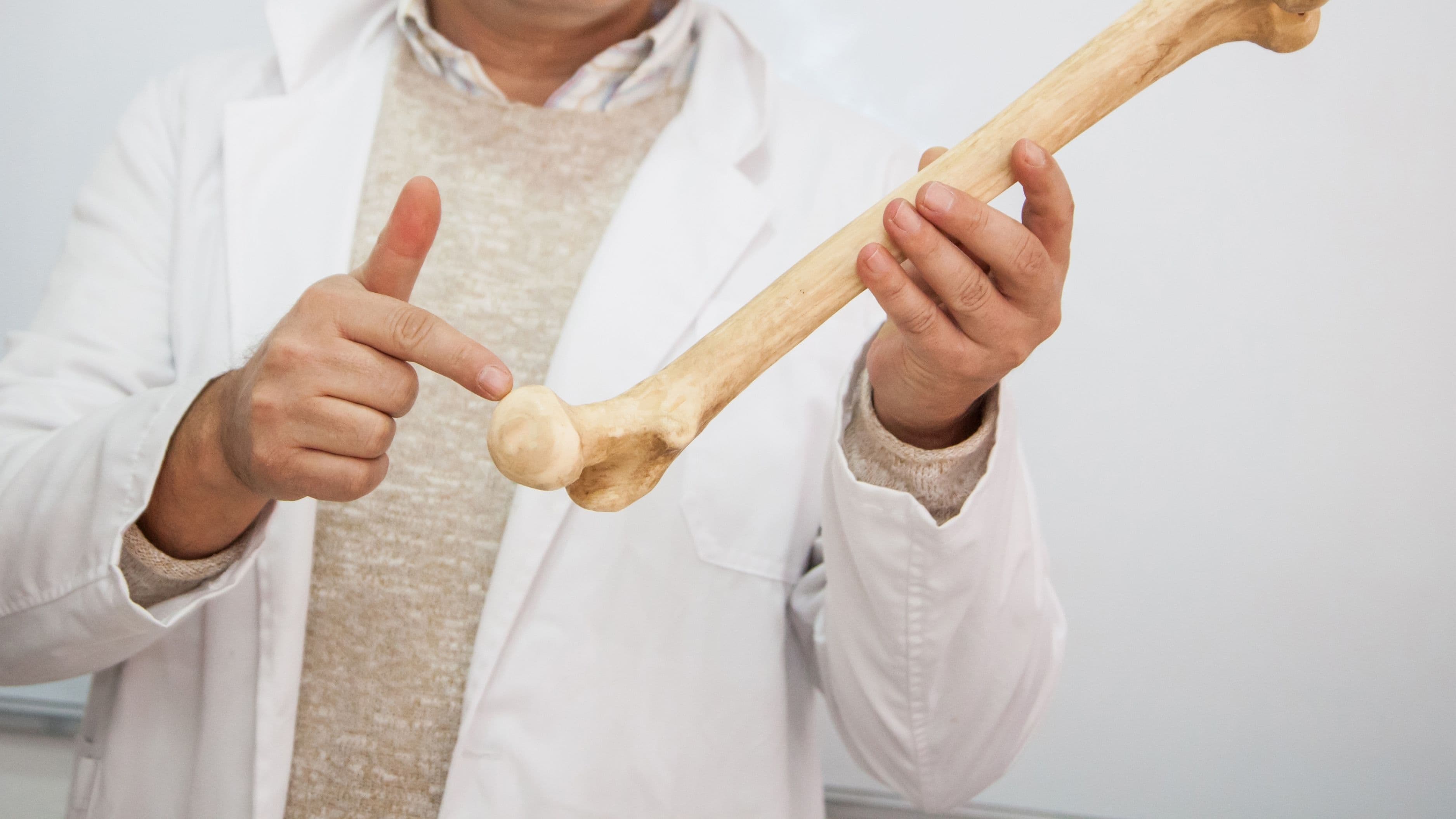
Exercise is one of the most powerful tools you have for building and maintaining bone density, and the mechanism is direct: bone tissue responds to mechanical loading by stimulating new bone formation. Bones that are regularly stressed by weight-bearing activity become denser and stronger over time. Bones that aren't loaded adequately lose density more quickly.
Weight-bearing exercise – walking, hiking, dancing, jogging, stair climbing – is the most accessible form of bone-building movement. These activities require your skeleton to support your full body weight against gravity, which provides the mechanical stimulus bones respond to.
Swimming and cycling, while excellent for cardiovascular health, are not weight-bearing and provide less direct bone benefit. That doesn't mean they're off the table – they're valuable for overall fitness – but they're best paired with weight-bearing activity rather than used as a substitute.
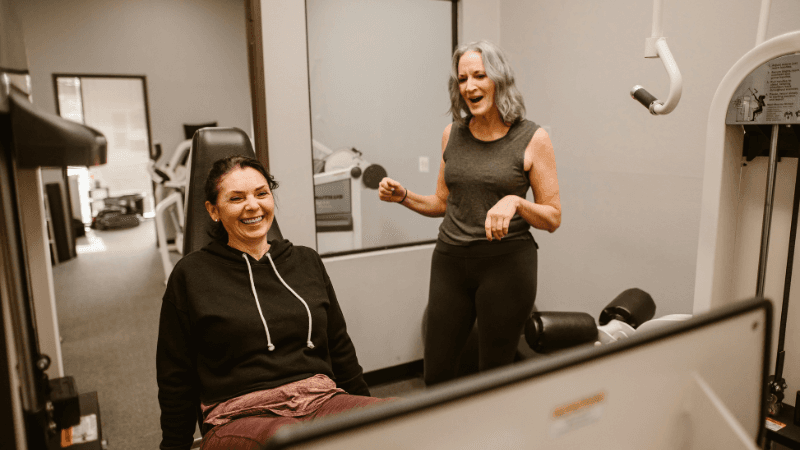
Resistance training – working with weights, resistance bands, or your own body weight – is equally important, and arguably underappreciated in conversations about bone health for women. Strength training provides direct mechanical loading on bone, improves muscle mass that supports your skeleton, and significantly reduces fall risk as you age. Even two sessions per week of moderate resistance work – squats, lunges, rows, presses – makes a measurable difference over time. If you're new to strength training, starting with a trainer or a structured program reduces injury risk and helps you build confidence with the movements.
Pay Attention to What Depletes Bone
Just as some things support bone health, others quietly work against it. Understanding the main depleters allows you to make more informed choices without tipping into anxiety about every food or habit.
Excess sodium causes increased calcium excretion through urine – not a concern for most people eating reasonable amounts of salt, but worth knowing if your diet skews heavily toward processed foods, which tend to be sodium-dense. High caffeine intake has a mild calcium-depleting effect, though this is generally offset by adequate calcium intake and is not a significant concern for most people who drink moderate amounts of coffee or tea. Smoking has a more direct and significant negative effect on bone density, and is one of the clearest modifiable risk factors for osteoporosis. Alcohol in excess – more than two to three drinks daily over years – is also associated with reduced bone formation and increased fracture risk.
Certain medications can affect bone density with long-term use, including corticosteroids (used for inflammatory conditions), some antidepressants, proton pump inhibitors used for acid reflux, and certain thyroid medications at high doses. If you take any of these medications regularly, it's worth discussing bone health monitoring with your doctor – not to create alarm, but because awareness allows for proactive support.
Nourish Bone Health With the Rest of Your Diet
Bone is a living tissue with a complex nutritional picture beyond just calcium and vitamin D. Several other nutrients contribute meaningfully to bone structure and metabolism, and a varied, whole-foods diet tends to cover most of them naturally.
Magnesium works alongside calcium in bone mineralization and is found in leafy greens, nuts, seeds, legumes, and whole grains. Vitamin K2 – distinct from K1 found in leafy greens – plays a role in directing calcium into bone tissue rather than soft tissue, and is found in fermented foods like natto, aged cheeses, and some fermented dairy products. Protein is an important and sometimes overlooked component of bone matrix: adequate protein intake supports bone structure, and the fear that high protein intake "leaches" calcium has largely been revised in the research literature – total protein adequacy matters more than concerns about excess. Collagen peptide supplementation has shown some early promise in supporting bone density, though the research is still developing.
The overall pattern of your diet matters more than any individual food or nutrient. A diet rich in vegetables, fruits, legumes, whole grains, and quality protein sources creates the nutritional environment in which bone health can thrive over the long term.
Consider a Bone Density Scan
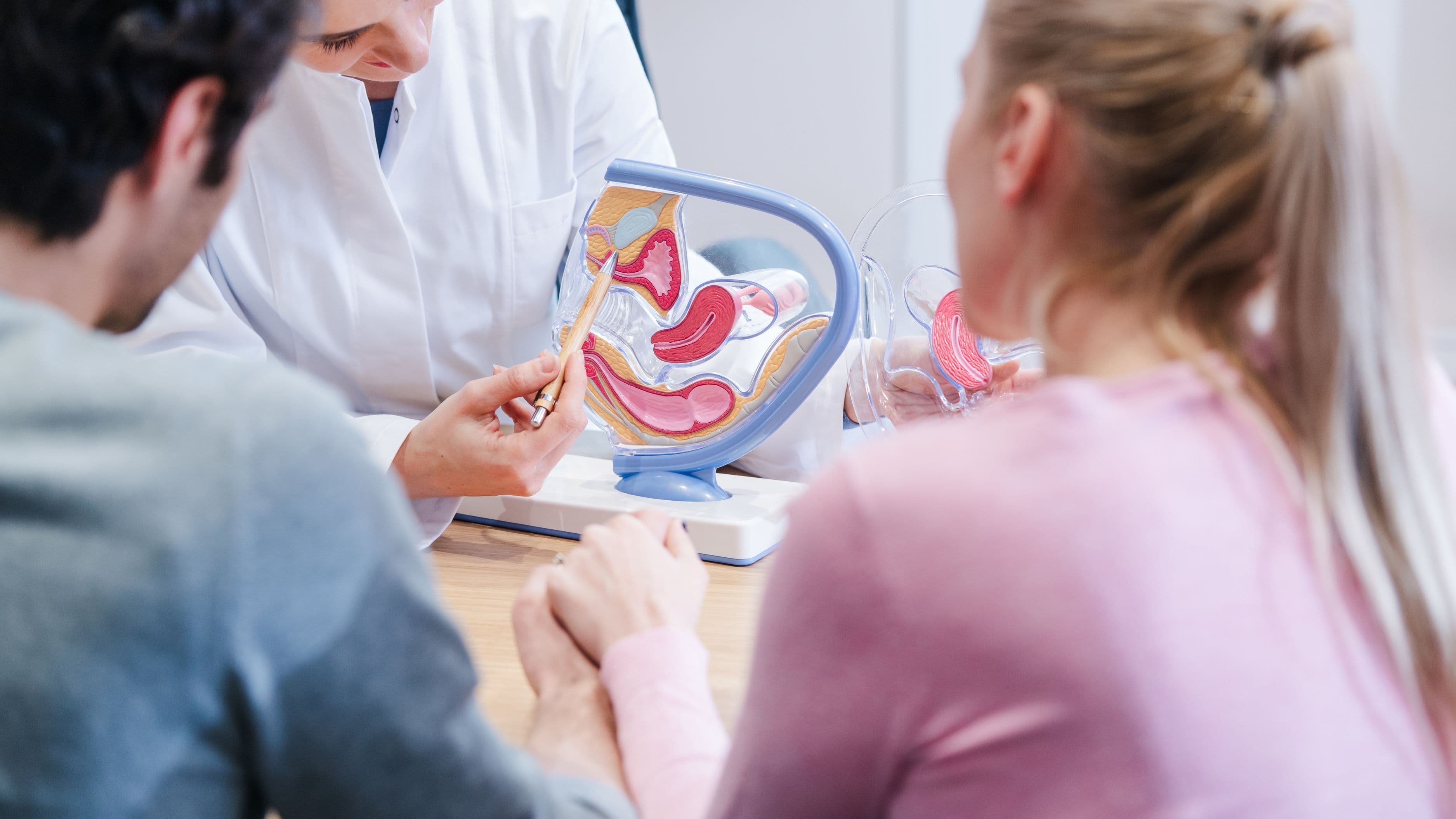
A DEXA scan – dual-energy X-ray absorptiometry – is a simple, low-radiation imaging test that measures bone mineral density at the hip and spine and compares it to reference values for your age and sex. For women, guidelines from major medical organizations typically recommend a baseline scan at age 65, or earlier for women with risk factors such as early menopause, a family history of osteoporosis, low body weight, or long-term use of bone-depleting medications.
Knowing your bone density gives you a concrete baseline to track over time and allows for informed, proactive decisions about exercise, nutrition, and supplementation. If low bone density is identified, there are well-established medical options – from lifestyle intensification to medication – that can meaningfully slow further loss. Most people who discover low bone density through screening feel empowered by the information rather than alarmed by it, because early knowledge consistently leads to better outcomes than late discovery.
The Role of Rest and Stress in Bone Health
Two factors that rarely appear in bone health conversations deserve a mention: sleep and chronic stress. During sleep, the body performs much of its cellular repair and regeneration work – including bone remodeling. Consistently poor or insufficient sleep is associated with lower bone density over time in several longitudinal studies, though the relationship is still being studied.
Chronic psychological stress elevates cortisol, and elevated cortisol over extended periods suppresses bone formation while increasing bone resorption. This is one of the physiological pathways through which chronic stress affects long-term physical health in ways that extend well beyond how you feel day to day. Managing stress – through whatever practices genuinely work for you – isn't just good for your mental health. It's good for your bones, your immune system, your hormonal balance, and your overall resilience. These things are not separate.
FAQ
At what age should I start paying attention to bone health? The earlier the better, honestly. Peak bone mass is typically reached in your late twenties, which means the habits you build in your twenties and thirties set the ceiling for how much bone you have to lose from later in life. That said, it's never too late – improvements in bone density are possible at any age with the right combination of exercise, nutrition, and support.
Is osteoporosis inevitable as I get older? No. Bone loss is a natural part of aging, but significant osteoporosis is not inevitable. Genetics plays a role in your baseline bone density, but lifestyle factors – exercise, nutrition, smoking, alcohol use – are all modifiable and collectively have a substantial effect on your long-term bone health trajectory.
Can I reverse bone loss that's already happened? Some degree of improvement in bone density is possible with consistent effort, particularly in the early stages of bone loss. Exercise and nutritional optimization are most effective at slowing further loss and maintaining what you have. For more significant osteoporosis, medication alongside lifestyle changes is often recommended to meaningfully rebuild density.
Is weight-bearing exercise safe if I already have low bone density? Generally yes, with some modifications depending on severity. Walking and low-impact movement are safe for most people with low bone density. High-impact activities and heavy lifting are better assessed with your doctor or a physiotherapist who can guide you toward safe loading that still provides bone stimulus without fracture risk.
Do plant-based eaters need to worry more about bone health? It requires a bit more attention, particularly around calcium and vitamin D. Plant-based calcium sources are well-absorbed from foods like kale, bok choy, tofu, and fortified plant milks, but the concentrations are generally lower than in dairy, so variety and consistency matter. Vitamin B12 and omega-3 intake are also worth monitoring on a fully plant-based diet, as both have downstream effects on bone and overall health.
Your bones have been quietly holding you up your entire life. Giving them a little more conscious attention – through movement you enjoy, food that nourishes, and rest that genuinely restores – is one of the most caring and forward-thinking things you can do for yourself. The changes don't have to be dramatic to be meaningful. Small, consistent habits, practiced over years, are what bone health is actually built on.
📚 Sources
National Osteoporosis Foundation. Bone Health Basics. https://www.bonehealthandosteoporosis.org/patients/what-is-osteoporosis/
NIH Osteoporosis and Related Bone Diseases National Resource Center. Calcium and Vitamin D: Important at Every Age. https://www.bones.nih.gov/health-info/bone/bone-health/nutrition/calcium-and-vitamin-d-important-every-age
Weaver, C.M. et al. (2016). Calcium plus vitamin D supplementation and risk of fractures. Osteoporosis International. https://pubmed.ncbi.nlm.nih.gov/26510847/
Kohrt, W.M. et al. (2004). Physical activity and bone health. Medicine & Science in Sports & Exercise. https://pubmed.ncbi.nlm.nih.gov/15514517/
Cauley, J.A. (2013). Public health impact of osteoporosis. Journals of Gerontology. https://pubmed.ncbi.nlm.nih.gov/23689830/
Holick, M.F. (2007). Vitamin D deficiency. New England Journal of Medicine. https://www.nejm.org/doi/full/10.1056/NEJMra070553
Rizzoli, R. et al. (2018). Protein intake and bone health. International Journal of Endocrinology. https://www.ncbi.nlm.nih.gov/pmc/articles/PMC5872778/
Hirotsu, C. et al. (2015). Interactions between sleep, stress, and metabolism. Sleep Science. https://www.ncbi.nlm.nih.gov/pmc/articles/PMC4688585/
U.S. Preventive Services Task Force. Osteoporosis Screening in Older Women. https://www.uspreventiveservicestaskforce.org/uspstf/recommendation/osteoporosis-screening
Harvard T.H. Chan School of Public Health. Calcium and Bone Health. https://www.hsph.harvard.edu/nutritionsource/calcium/