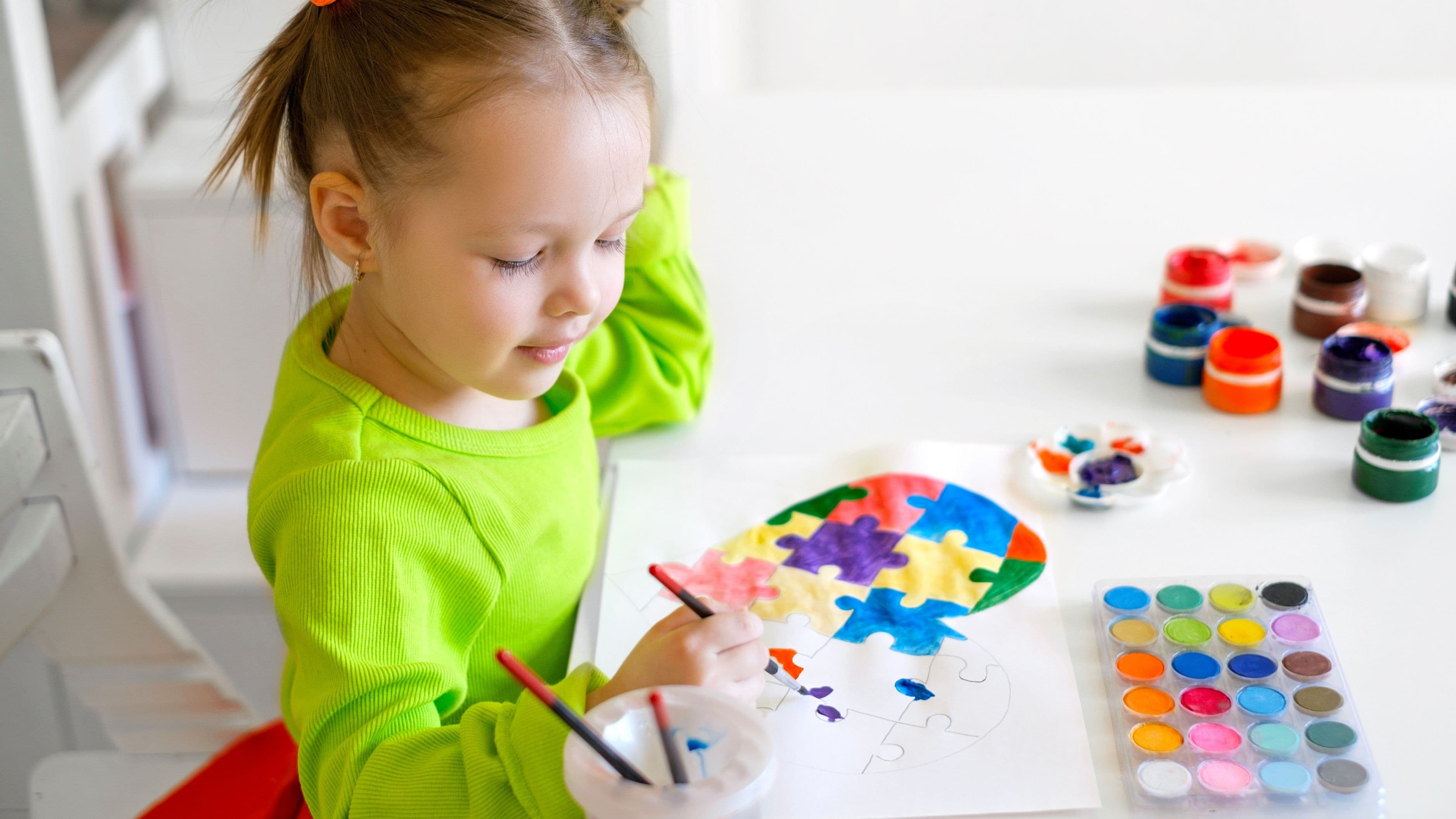
Learning by Doing, Not Memorizing
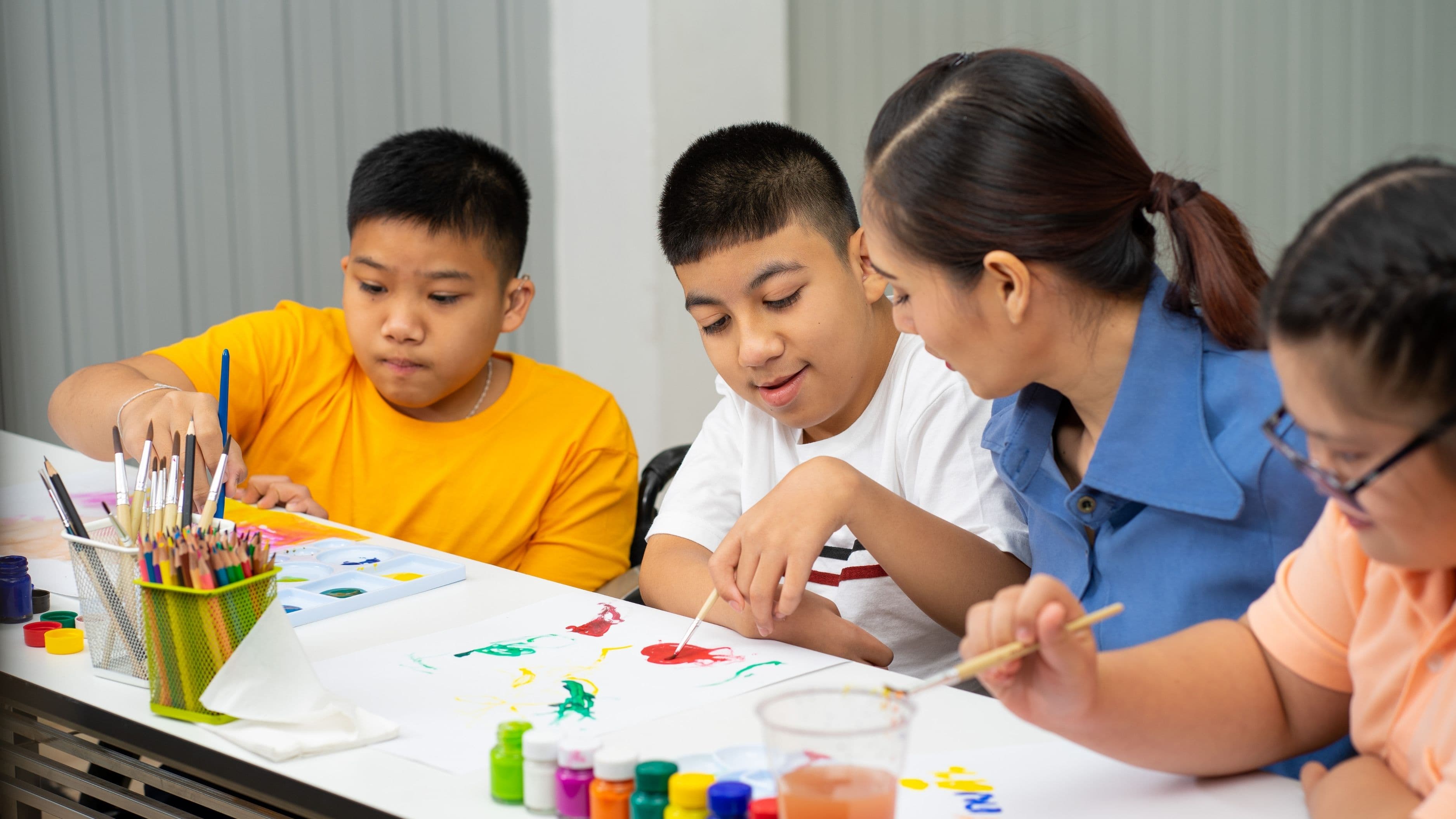
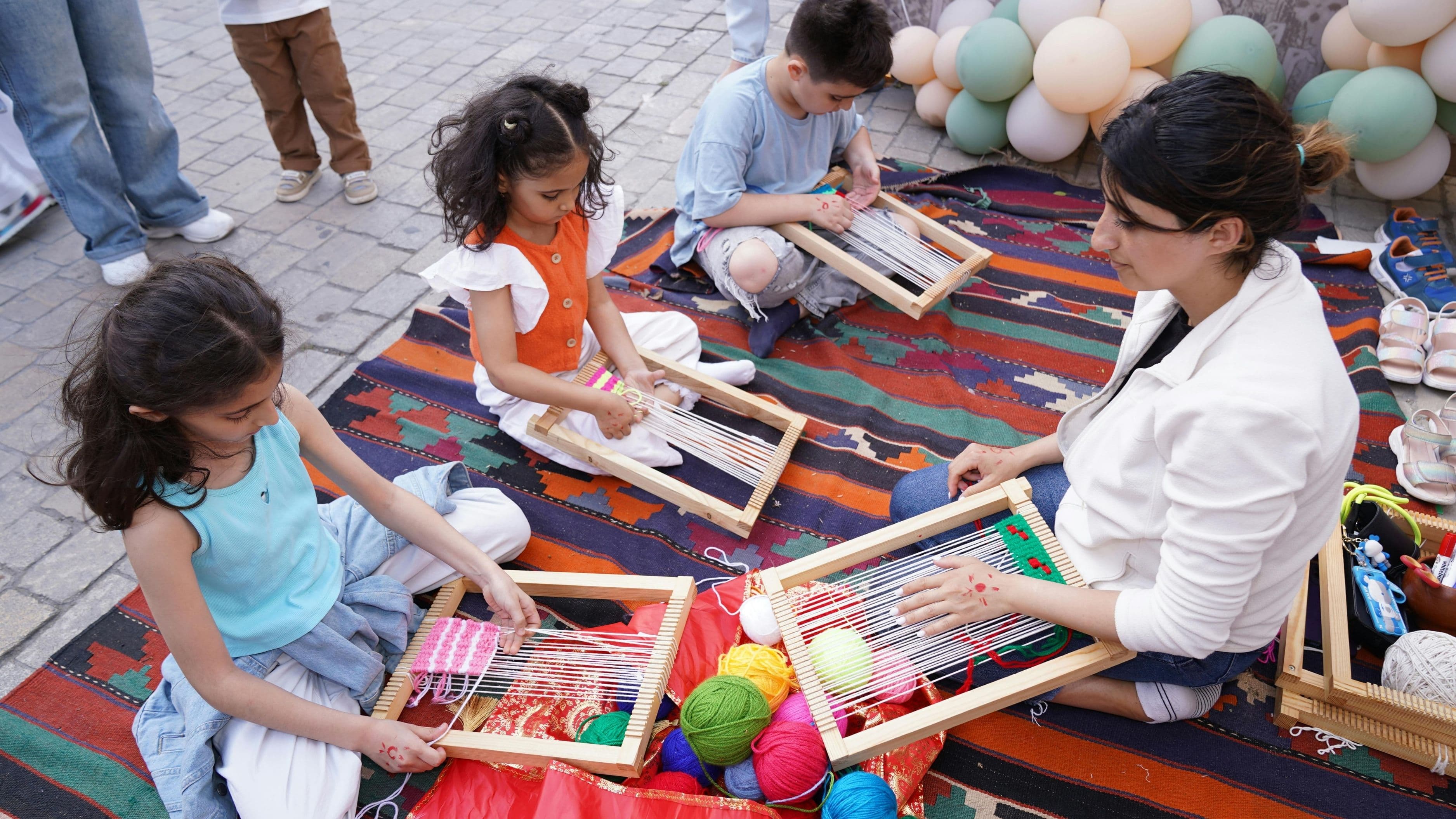
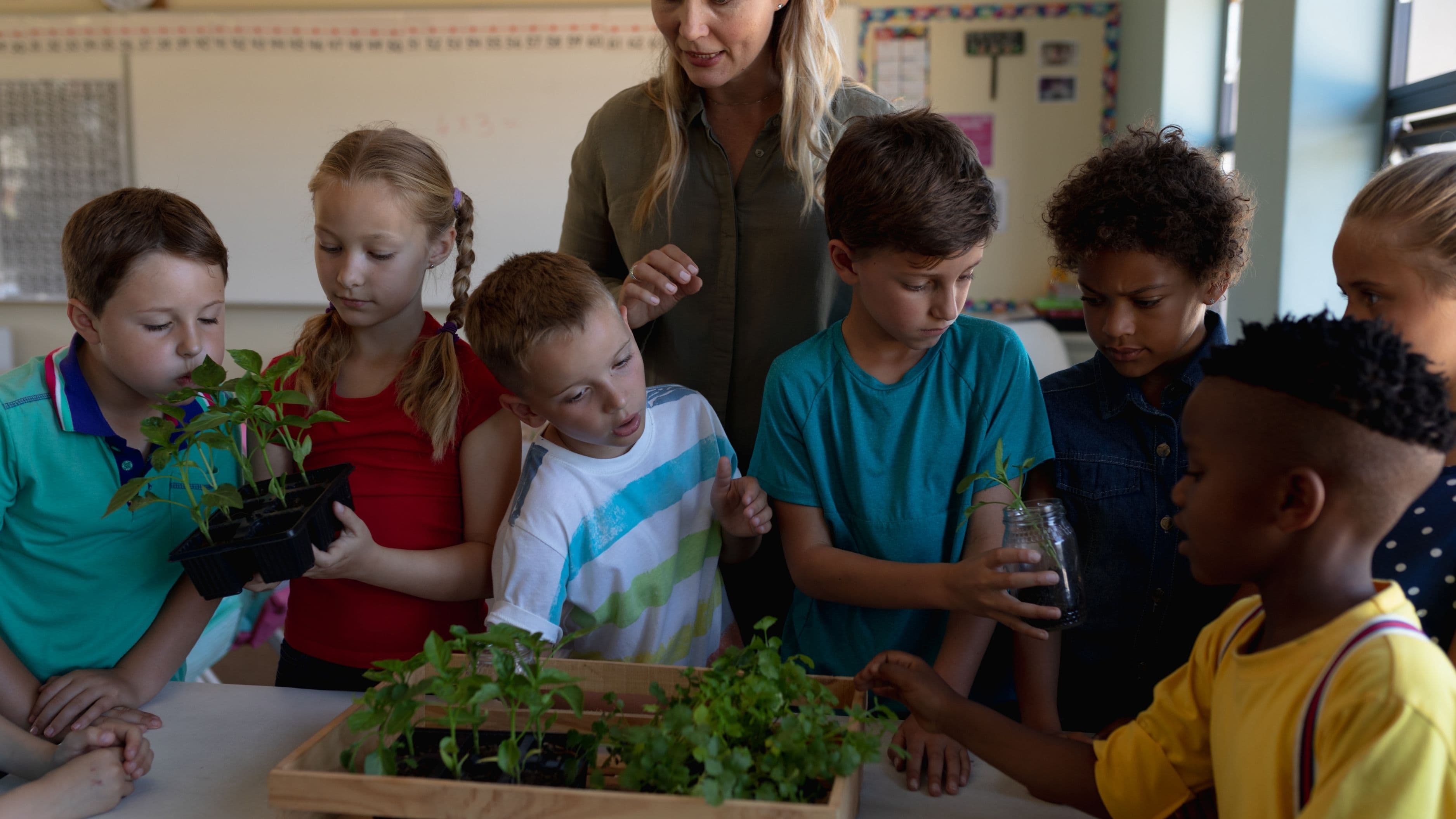
Project-based learning is an instructional approach where students gain knowledge and skills by working on real-world, meaningful projects over an extended period. Rather than passively receiving information, learners dive into complex questions, design solutions, and present their work to real audiences. It's the difference between reading about ecosystems and actually building a school garden to study one.
The Buck Institute for Education, one of the leading PBL research organizations, defines high-quality PBL as driven by a "challenging problem or question" that students actively investigate. The process involves sustained inquiry, collaboration, reflection, and the creation of a tangible product or presentation. Think of it as school that mirrors real life — messy, layered, and deeply engaging.
It Builds Skills That Textbooks Can't Teach
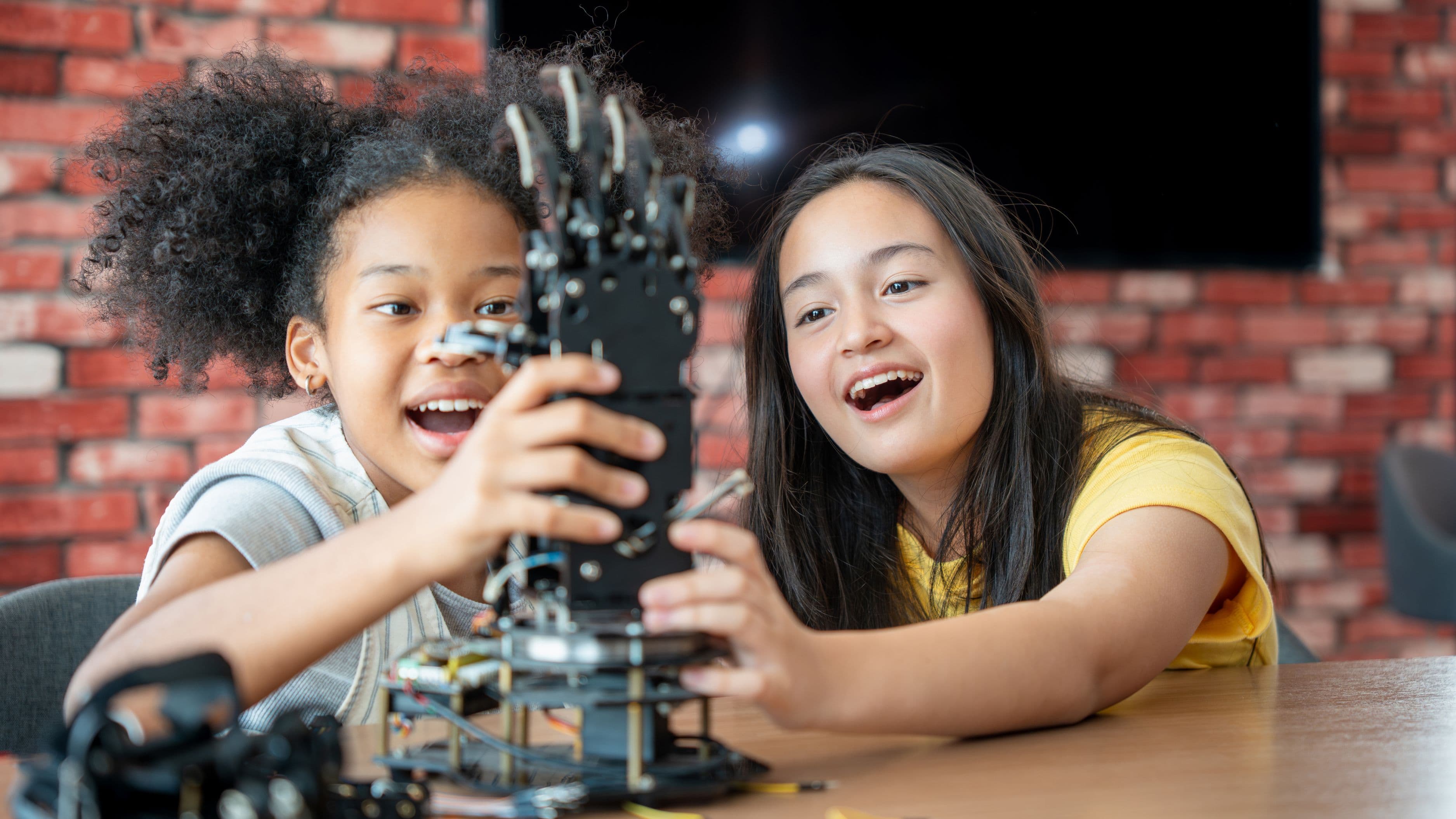
1. Critical thinking gets a real workout. When students tackle open-ended challenges — like designing a water filtration system or producing a community documentary — they have to analyze, evaluate, and problem-solve in ways multiple-choice tests simply don't demand. These aren't abstract exercises; they're mental muscles being built in real time.
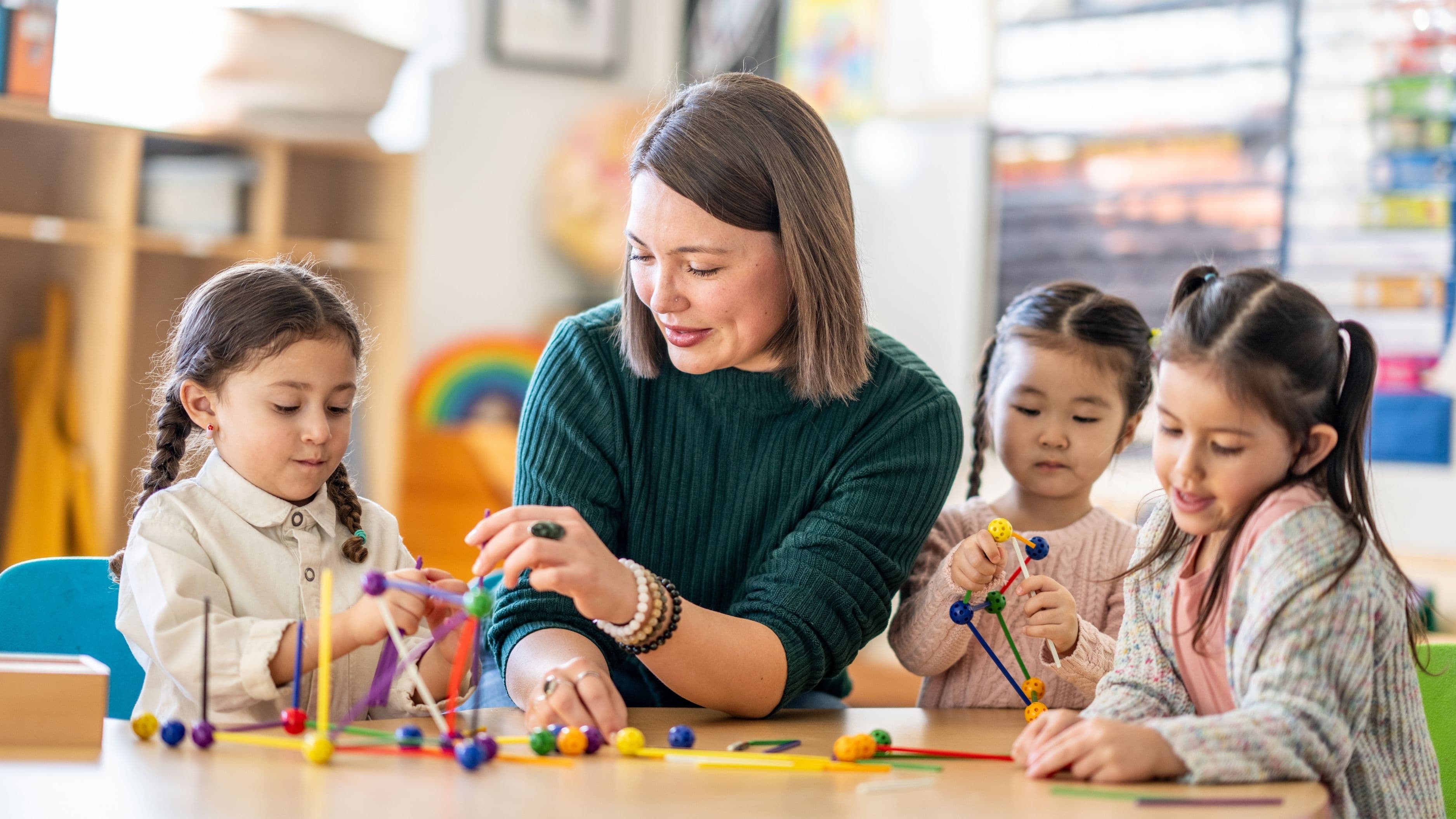
2. Collaboration becomes second nature. PBL requires students to work in teams, navigate disagreements, and divide labor thoughtfully. These interpersonal dynamics mirror what they'll encounter in workplaces, communities, and relationships — and learning to manage them early is an invaluable gift.
3. Communication sharpens with every presentation. Students don't just complete PBL projects — they present them. Whether pitching to a panel of local professionals or explaining their research to younger students, the act of clearly articulating ideas builds confidence that spills into every area of life.
4. Creativity is the engine, not the afterthought. Because there's rarely one "correct" answer in project-based work, students are free to innovate. That freedom to experiment — and sometimes fail — cultivates a creative resilience that rigid curricula often stifle.
5. Self-management quietly develops. Long-form projects demand time management, goal-setting, and personal accountability. Students learn to break big tasks into steps, check their own progress, and adjust when things go sideways — skills that matter enormously in adulthood.
The Research Is Clear
A landmark study published in AERA Open found that second-grade students who learned science through PBL scored significantly higher on state assessments than peers in traditional classrooms — and the gains were especially pronounced for students from low-income backgrounds. The research, led by University of Michigan professor Brian Reiser and colleagues, suggests that PBL doesn't just engage students; it levels the playing field.
Another 2021 study in the Journal of Educational Psychology found that PBL students demonstrated stronger intrinsic motivation and deeper conceptual understanding compared to lecture-based learners. When children feel ownership over their learning, they don't just retain more — they care more.
It Nurtures the Whole Child
Here's where PBL aligns beautifully with the values of intentional parenting and conscious living: it treats children as whole human beings, not just test-takers. Projects often connect to real community needs, ethical questions, or environmental issues — which means students aren't just learning about the world, they're learning how to show up for it.
There's something deeply nourishing about watching a child light up because their idea actually matters. PBL creates those moments regularly. Students who feel seen, heard, and genuinely useful carry that sense of purpose with them well beyond the classroom walls.
How Parents Can Support PBL at Home
Ask "what are you working on?" instead of "how was school?" This small shift invites your child to narrate their learning rather than summarize it. You'll get richer answers and signal that the process matters as much as the outcome.
Let them lead a home project. Give your child a real, low-stakes challenge — redesigning a shelf, planning a weekend outing, or starting a small container garden. Feel the energy shift when they realize their ideas have actual weight.
Celebrate the mess. PBL teaches children that mistakes are data, not failures. When a project at home doesn't go as planned, pause before problem-solving for them. Ask, "What would you try differently?" and watch their thinking deepen.
Connect learning to the bigger picture. When your child is working on a school project, ask how it connects to something they care about. That thread of meaning — between schoolwork and real values — is exactly what makes PBL stick.
Find schools and programs that prioritize it. Not all schools implement PBL equally. Look for classrooms where projects span weeks, involve community input, and result in student-created presentations or products. Asking the right questions during school tours can reveal a lot about a school's true philosophy.
A Way of Learning That Mirrors a Way of Living
At its heart, project-based learning isn't just a teaching strategy — it's a philosophy. It trusts that people (even small ones) are capable of doing meaningful work when given the right conditions, support, and space to grow. That resonates deeply with the mindset of anyone walking a path of intentional living: growth happens through doing, through questioning, through showing up fully.
If you're a parent navigating education choices or a lifelong learner reflecting on how you absorb and apply knowledge, PBL offers a powerful reminder — the richest learning rarely happens in rows and silence. It happens in the middle of something real.
Pick one idea from this list and try it today. Ask your child a different question tonight. Hand them a real problem to solve. Momentum starts small — and so does transformation.
📚 Sources
Krajcik, J., & Shin, N. (2014). Project-based learning. In R. K. Sawyer (Ed.), The Cambridge Handbook of the Learning Sciences (2nd ed., pp. 275–297). Cambridge University Press.
Harris, C. J., Penuel, W. R., D'Angelo, C. M., DeBarger, A. H., Gallagher, L. P., Kennedy, C. A., Krajcik, J. S., & Silk, E. M. (2015). Impact of project-based curriculum materials on student learning in science: Results of a randomized controlled trial. Journal of Research in Science Teaching, 52(10), 1362–1385.
Mukherjee, P., & Lahiri, S. (2021). Intrinsic motivation and conceptual understanding in PBL environments. Journal of Educational Psychology, 113(4), 781–796.
Buck Institute for Education. (2023). What is PBL? PBLWorks. https://www.pblworks.org/what-is-pbl