Academic Readiness Matters Less Than You Think
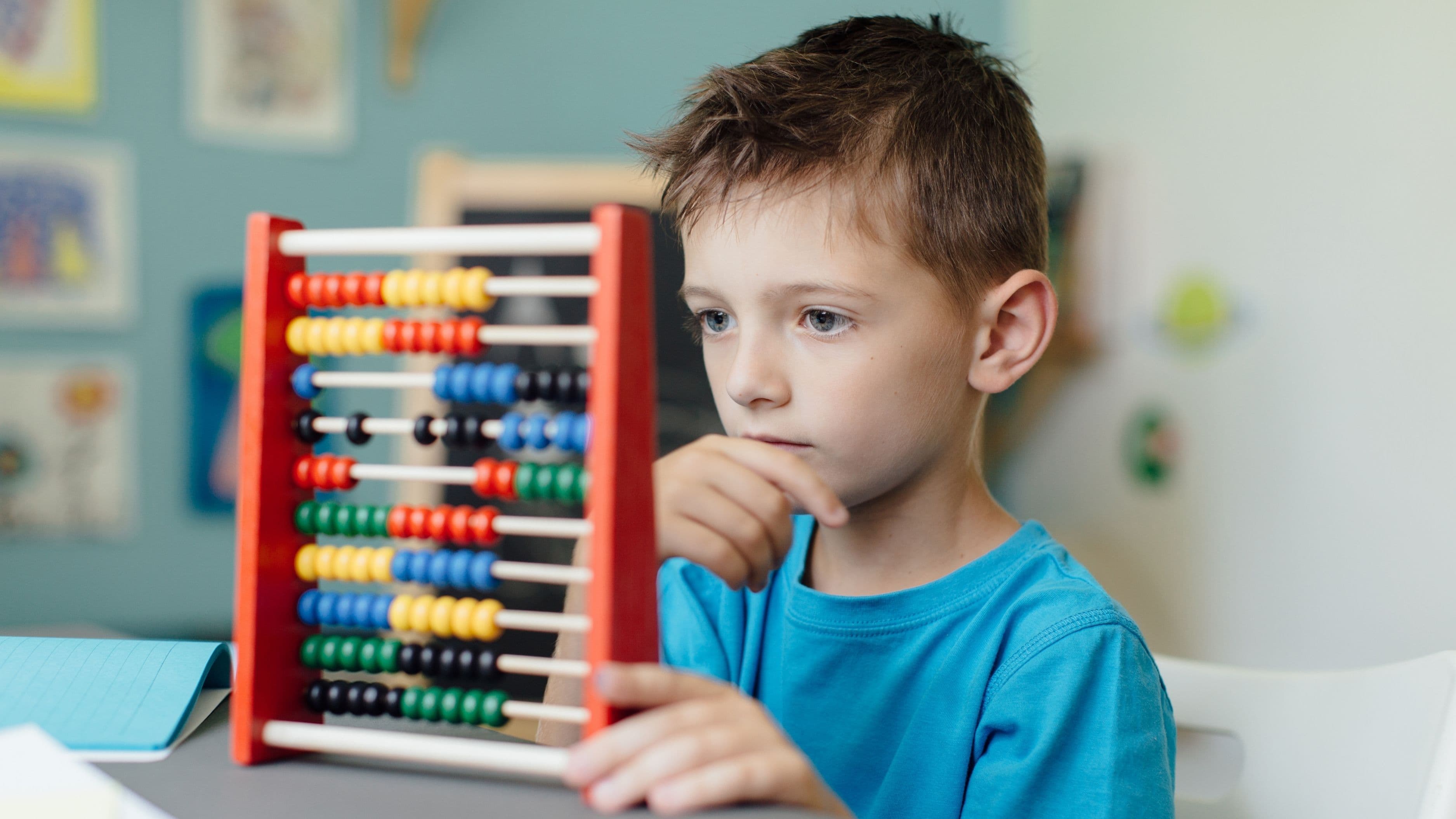
It's easy to assume kindergarten readiness is about knowing letters, numbers, and colors ahead of time, but teachers consistently say social and emotional skills matter more in those first weeks. A child who can follow simple instructions, separate from a parent without prolonged distress, and interact gently with peers will adjust faster than one who can recite the alphabet but struggles with those basics.
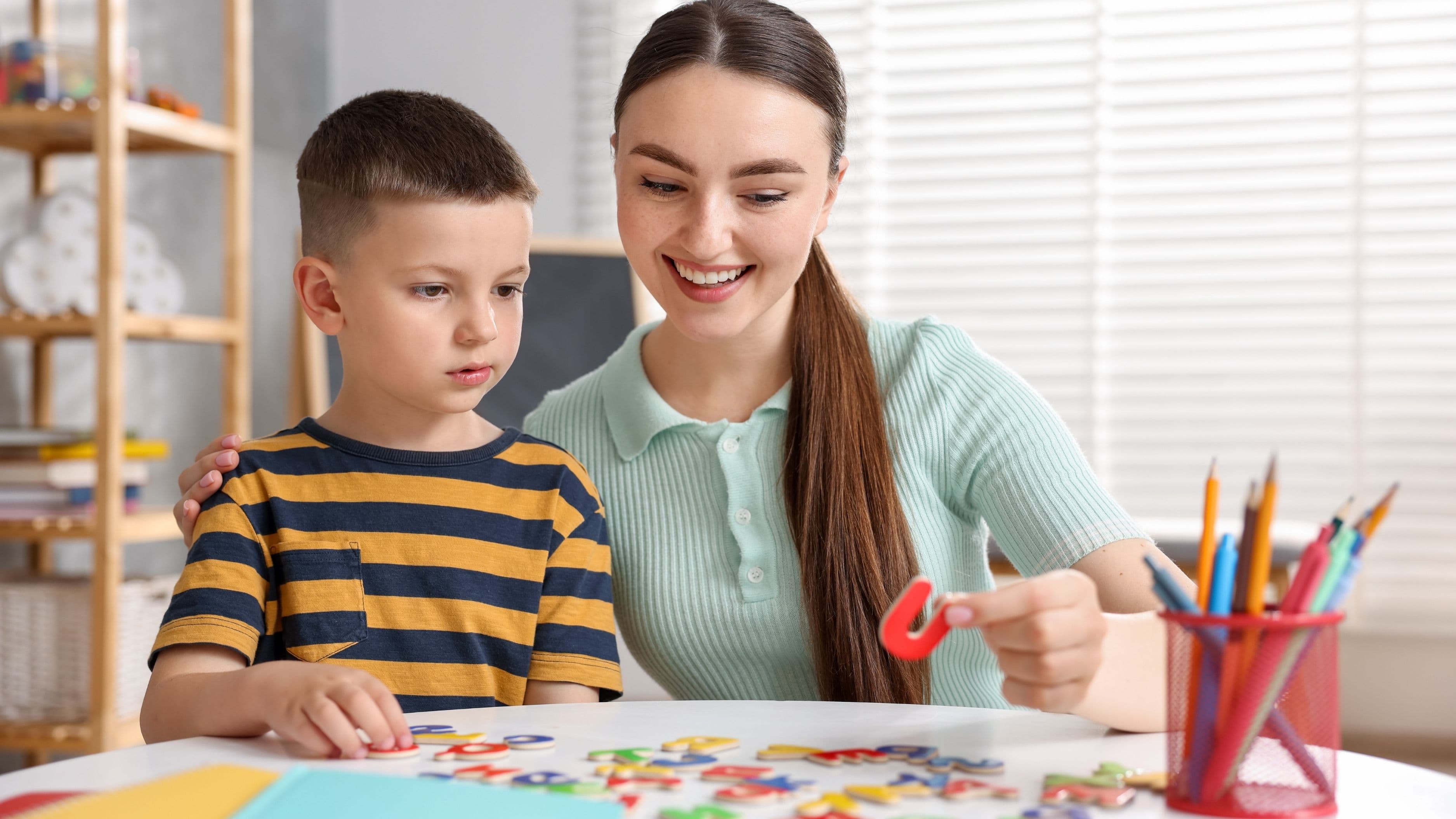
That doesn't mean letters and numbers don't matter at all – just that they shouldn't be the centerpiece of your preparation. A relaxed, curious relationship with books and counting will serve your child better than flashcard drilling in the final weeks before school starts.
Focus on Independence in Daily Tasks
Kindergarten classrooms move at a pace that assumes a certain level of self-sufficiency – putting on a coat, opening a lunch container, using the bathroom independently, washing hands after activities. These small tasks, practiced calmly at home, reduce your child's daily stress once school begins because they won't be relying on an adult for every small transition.
Start by letting your child attempt these tasks on their own, even if it's slower or messier than doing it yourself. Praise the effort rather than perfection, and resist the urge to step in the moment something takes longer than expected.
Build a Predictable Routine Before School Starts
Kindergarten introduces a structured schedule many children haven't experienced before – set wake times, transitions between activities, and less flexibility around naps or free play. Introducing a similar rhythm at home in the weeks leading up to school, even loosely, helps your child's body and mind adjust before the actual first day.
A simple morning and evening routine – wake time, breakfast, quiet play, consistent bedtime – gives your child's nervous system a sense of predictability that carries over into how they handle the newness of a classroom.
Practice Separation in Low-Stakes Situations
If your child hasn't spent much time away from you – whether through daycare, preschool, or time with relatives – kindergarten can bring up real separation anxiety in those first few weeks. Practicing shorter separations beforehand, even an hour with a trusted family member or a morning at a friend's house, builds the confidence that you will, in fact, come back.
Talk through what will happen during drop-off honestly and calmly, without over-promising or minimizing. Saying something like "I'll walk you in, give you a hug, and pick you up right after lunch" gives your child a concrete mental picture to hold onto.
Encourage Social Skills Through Everyday Interactions
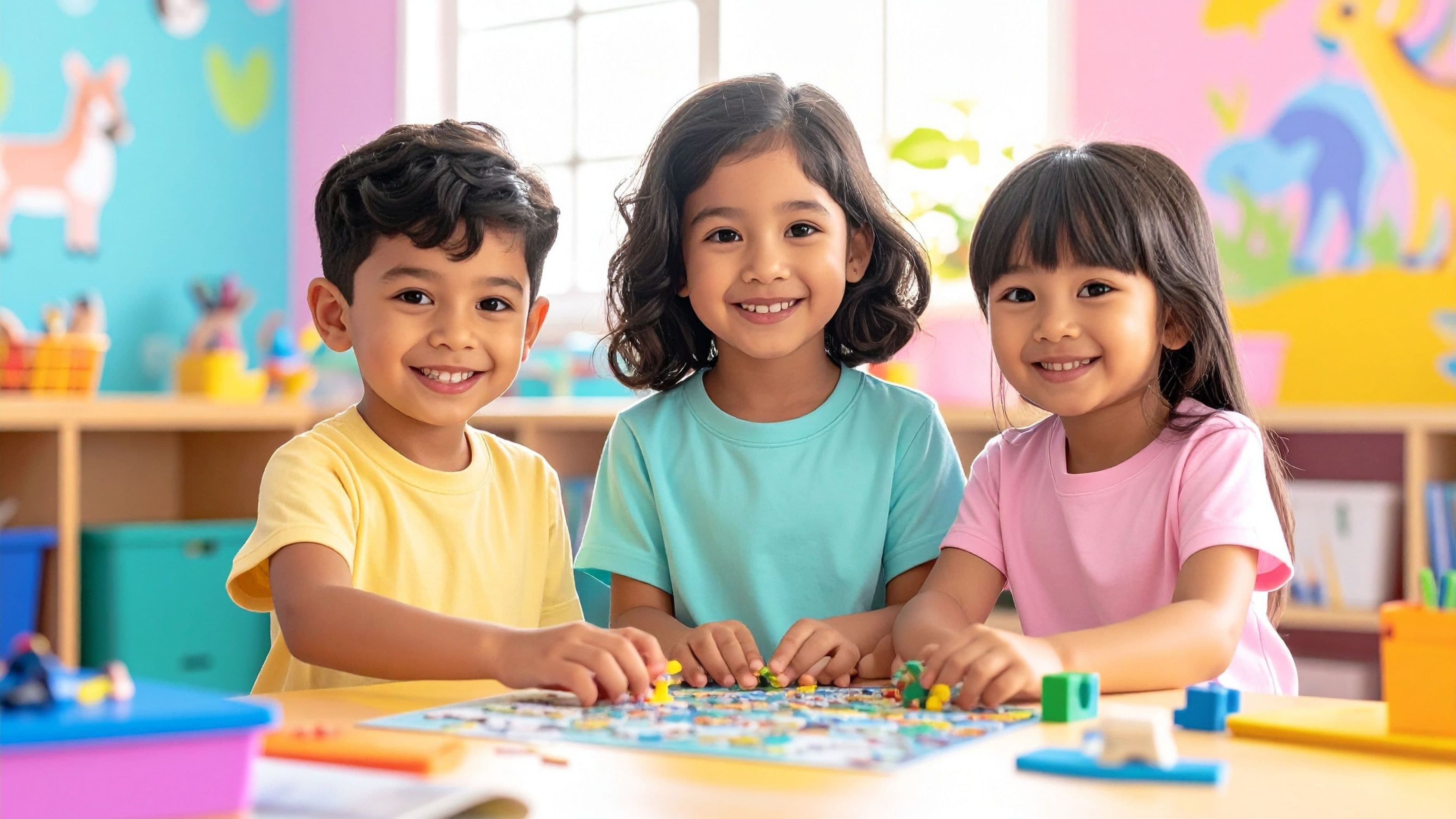
Group settings like kindergarten require skills many children are still developing – taking turns, sharing, resolving small conflicts without an adult stepping in immediately. Playdates, sibling interactions, and even simple board games at home all offer low-pressure practice for these exact scenarios.
Rather than intervening the moment a disagreement happens, try narrating the situation and offering language your child can use ("You could ask him if you can have a turn next"). This builds the tools they'll need to navigate similar moments independently at school.
Read Together, Often
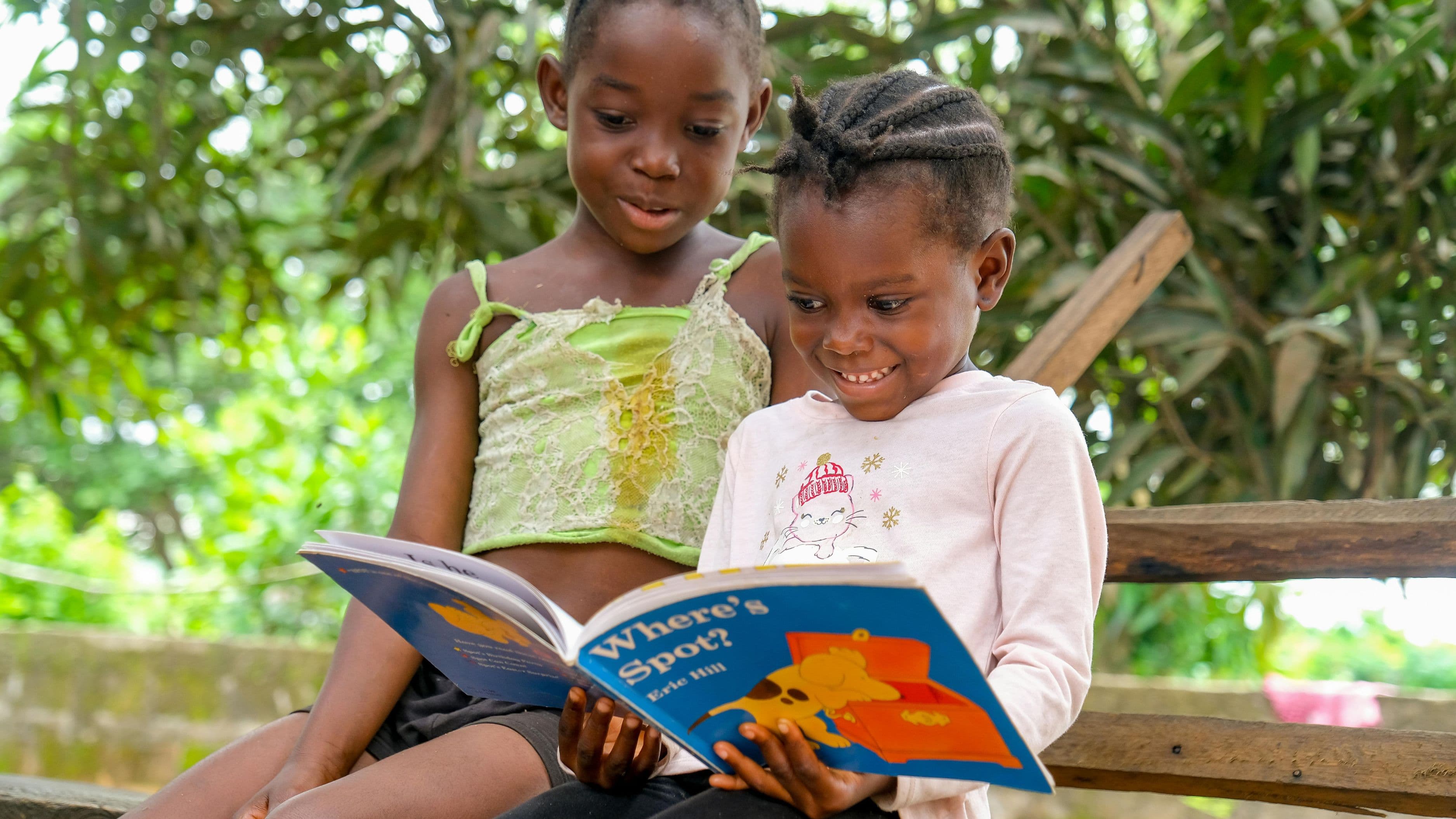
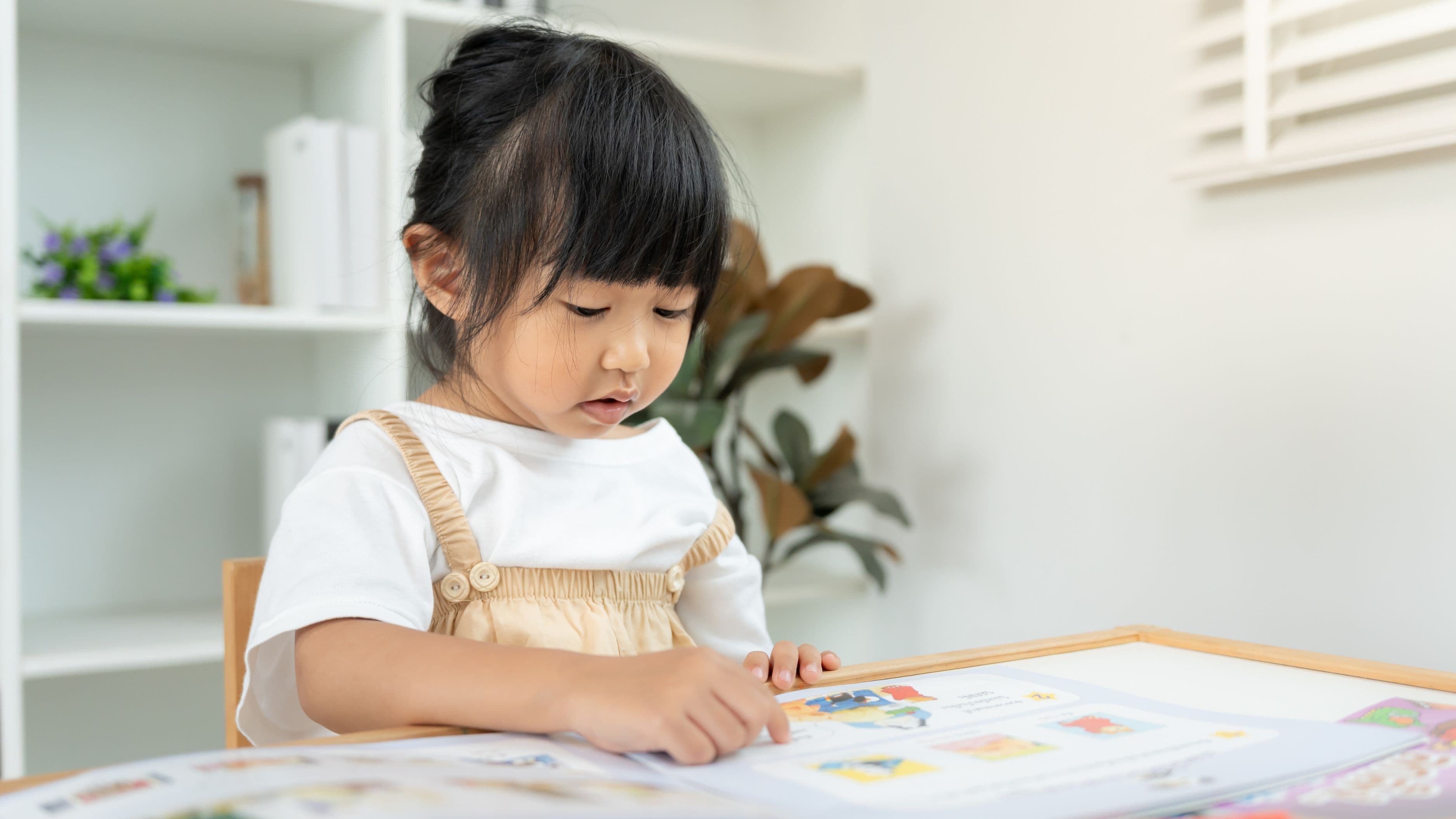
Shared reading time does more for kindergarten readiness than almost any other single activity. It builds vocabulary, attention span, and an early comfort with letters and stories, all without feeling like formal instruction. Letting your child choose books, ask questions, and even "read" the pictures back to you builds genuine engagement rather than passive listening.
Aim for this to feel like connection time, not a lesson – the goal is building a positive association with books, which sets the foundation for actual reading instruction once school begins.
What to Avoid
Try not to over-prepare academically at the expense of emotional readiness. A child who can count to 100 but melts down at every transition will have a harder start than one with more modest academic skills but steady emotional regulation.
Avoid talking about kindergarten in ways that unintentionally build anxiety – phrases like "it's going to be so different" or "you'll have to be so much more grown up now" can create worry rather than excitement. Framing it with genuine, age-appropriate enthusiasm helps more than repeated warnings about how hard it will be.
Resist comparing your child's readiness to other kids you know. Every child develops these skills on their own timeline, and comparison tends to create pressure for parents rather than useful information.
Realistic Expectations
Even well-prepared children typically need two to six weeks to fully settle into the kindergarten routine. Some tearfulness at drop-off, exhaustion by afternoon, and behavior regressions at home during this adjustment period are all normal, not signs that something is wrong or that your preparation wasn't enough.
Give yourself the same grace you're giving your child. This transition asks something of you too, and it's okay if some days feel harder than others as you both adjust to a new rhythm.
FAQ
Should my child know how to read before kindergarten? No. Kindergarten is designed to teach reading from the ground up. A comfort with books and basic letter recognition is helpful, but full reading fluency isn't expected or necessary at this stage.
What if my child still struggles with separation anxiety close to the start date? This is common and usually improves within the first few weeks of consistent routine. If it persists significantly beyond a month or intensifies, it's worth a conversation with the teacher or your pediatrician.
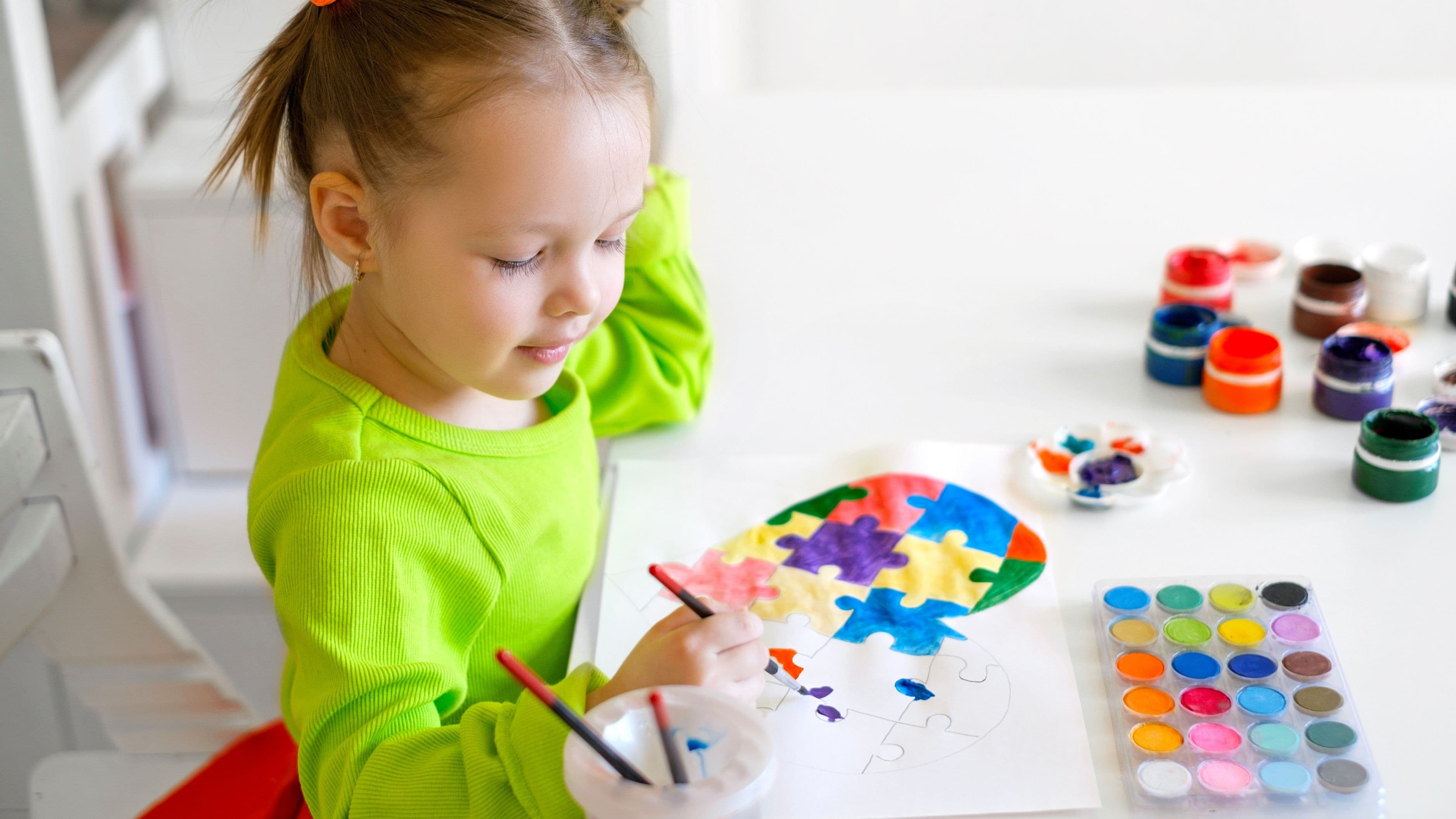
How many hours of quiet, non-screen time should we build in before school starts? There's no strict number, but incorporating regular quiet activities – puzzles, drawing, independent play – helps build the attention span kindergarten classrooms rely on, without needing to eliminate screens entirely.
Preparing your child for kindergarten is less about mastering a checklist and more about steadily building comfort with independence, routine, and connection. Trust the small, everyday moments you're already creating together – they matter more than any last-minute cramming ever could.
📚 Sources
NAEYC Guidance on Kindergarten Readiness - https://www.naeyc.org/resources/topics/school-readiness
Zero to Three: Supporting School Transitions - https://www.zerotothree.org/resource/supporting-your-childs-transition-to-school/