Start With a Preconception Checkup, Not a Panic Spiral
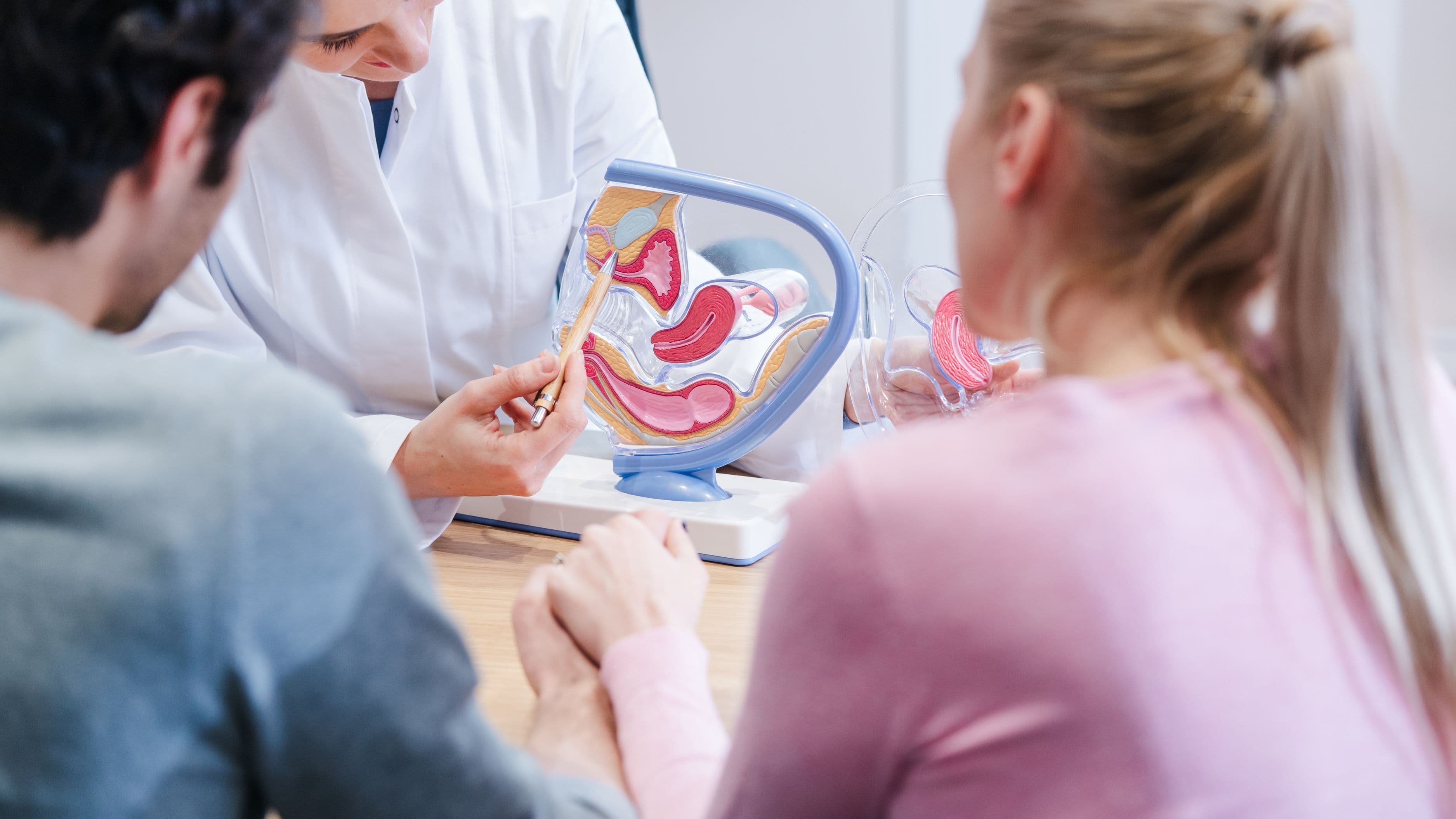
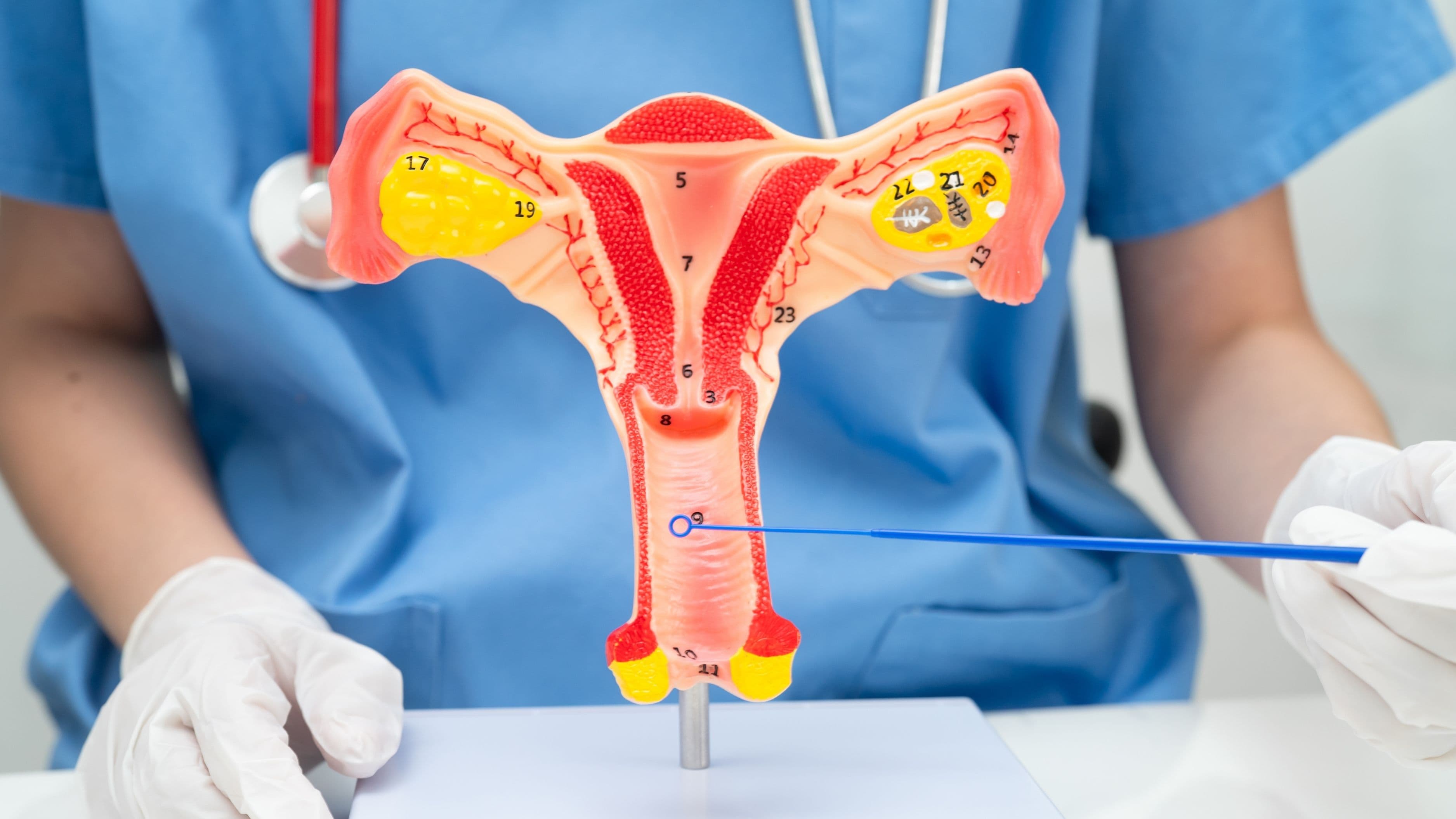
The single most useful thing you can do is schedule a preconception visit with your doctor or midwife before you start trying, rather than waiting until after a positive test. This appointment is where you'll review any existing health conditions, current medications, and family history that might affect pregnancy planning, and it's a natural moment to ask every question you've been sitting on quietly. Many women find this visit reassuring rather than frightening, because it turns vague worry into a concrete, personalized plan.
Your provider may also recommend baseline bloodwork or specific screenings that become more relevant with age, giving you real information instead of internet speculation to work from. Bring a written list of questions, since it's easy to forget half of them once you're sitting in the exam room.
Rebuild Your Relationship With Sleep
Sleep quality often gets dismissed as a minor lifestyle factor, but it plays a genuinely significant role in hormonal balance and overall readiness for the demands pregnancy will eventually place on your body. If your current routine involves scrolling in bed until midnight or running on six hours most nights, this is a reasonable window to gently rebuild better patterns before you're also managing early pregnancy fatigue on top of it.
Small, sustainable changes work better here than a dramatic overnight overhaul. Try shifting your bedtime by fifteen minutes earlier each week, dimming screens an hour before sleep, and keeping your bedroom cool and dark. Progress over perfection matters far more than hitting eight hours immediately.
Move Your Body in Ways You'll Actually Sustain
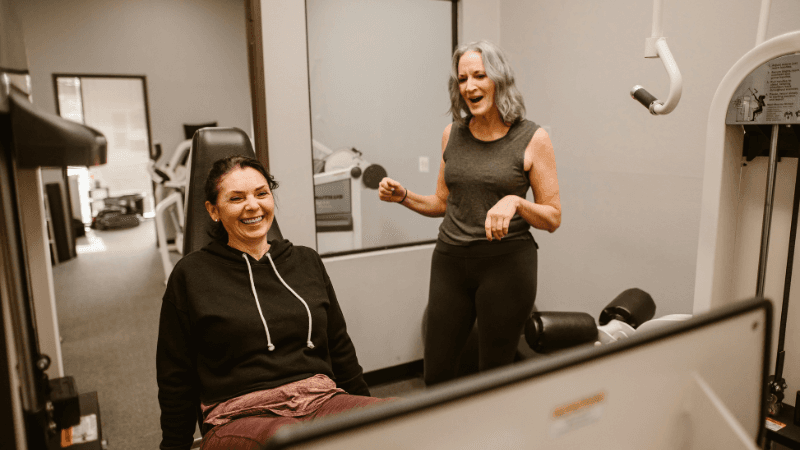
Fitness before pregnancy isn't about intense training programs or punishing yourself into some idealized shape. It's about building strength, mobility, and cardiovascular resilience through movement you genuinely enjoy and will keep doing, since consistency matters more than intensity here. Walking daily, gentle strength training, swimming, or yoga all support the kind of steady conditioning that tends to make pregnancy and recovery afterward feel more manageable.
If you've been mostly sedentary, there's no need to overcorrect dramatically all at once. Start with what feels realistic this week, then build gradually from there, checking in with your provider about any specific concerns tied to your individual health history.
Reassess Your Nutrition With Curiosity, Not Restriction
Nutritional needs shift somewhat with age and with pregnancy planning, but this doesn't mean adopting a rigid, restrictive diet overnight. Focus on adding nutrient-dense foods rather than eliminating entire categories out of fear – think leafy greens, protein sources, healthy fats, and whole grains layered into meals you already enjoy. Many providers recommend starting a prenatal vitamin with folic acid a few months before actively trying to conceive, so this is worth discussing at your preconception visit specifically.
Hydration deserves more attention than it usually gets in these conversations too. Something as simple as keeping a full water bottle within reach throughout your day can meaningfully support how your body handles the increased demands ahead.
Address Stress as Seriously as Physical Health
Chronic stress affects hormonal rhythms and overall well-being in ways that are easy to underestimate when you're focused entirely on physical checklists. Building a genuine stress-management practice – journaling, meditation, therapy, time outdoors, or simply protecting a bit of unstructured downtime each week – deserves the same intentionality you're bringing to diet and exercise.
This matters even more if you're navigating the emotional complexity that sometimes comes with trying to conceive later in your reproductive years, including any lingering anxiety about age-related risks you've read about online. Give yourself permission to process those feelings rather than suppressing them in favor of relentless positivity.
Have an Honest Conversation About Age-Related Risks
It's worth acknowledging directly that certain risks, including chromosomal differences and some pregnancy complications, do rise somewhat with maternal age, and pretending otherwise doesn't actually serve you. At the same time, the vast majority of women who conceive after 35 go on to have healthy pregnancies and healthy babies, and modern prenatal care has become significantly better at monitoring and managing age-related considerations than it was even a decade ago.
Ask your provider directly what additional screenings or monitoring they recommend based on your specific age and health history, so you're working from personalized medical guidance rather than generalized internet statistics that may not reflect your actual situation.
What to Avoid
Resist the urge to overhaul every aspect of your life simultaneously the moment you decide to start trying, since that kind of pressure tends to backfire into stress rather than genuine readiness. Avoid comparing your timeline or your body's response to anyone else's experience, since fertility and pregnancy unfold on wildly different timelines even among women the exact same age. And be cautious about spending hours in online forums that lean heavily toward worst-case scenarios, since that pattern often increases anxiety without adding anything useful to your actual preparation.
Realistic Expectations
Preparing your body for pregnancy after 35 is a process measured in months, not days, and it rarely follows a perfectly linear path. Some women conceive quickly once these foundations are in place; others need more time, and that timeline alone doesn't reflect anything about how "prepared" you were. Give yourself grace throughout this process, and remember that thoughtful preparation improves your odds and your experience, but it can't guarantee a specific timeline or outcome.
FAQ
How many months before trying should I start these changes? Three to six months gives your body meaningful time to adjust, though even smaller windows of preparation are genuinely worthwhile.
Do I need special fertility supplements beyond a prenatal vitamin? Discuss this directly with your provider rather than self-prescribing, since individual needs vary and some supplements aren't well-studied for this purpose.
Is it normal to feel anxious about trying to conceive later in life? Completely normal. Many women feel this way, and talking it through with a provider, therapist, or trusted friend can help you separate genuine medical considerations from generalized worry.
Preparing your body for pregnancy after 35 isn't about chasing perfection – it's about giving yourself a steady, informed foundation and then trusting the process from there. This article offers general wellness information and isn't a substitute for personalized medical advice, so bring your specific questions to your own healthcare provider.