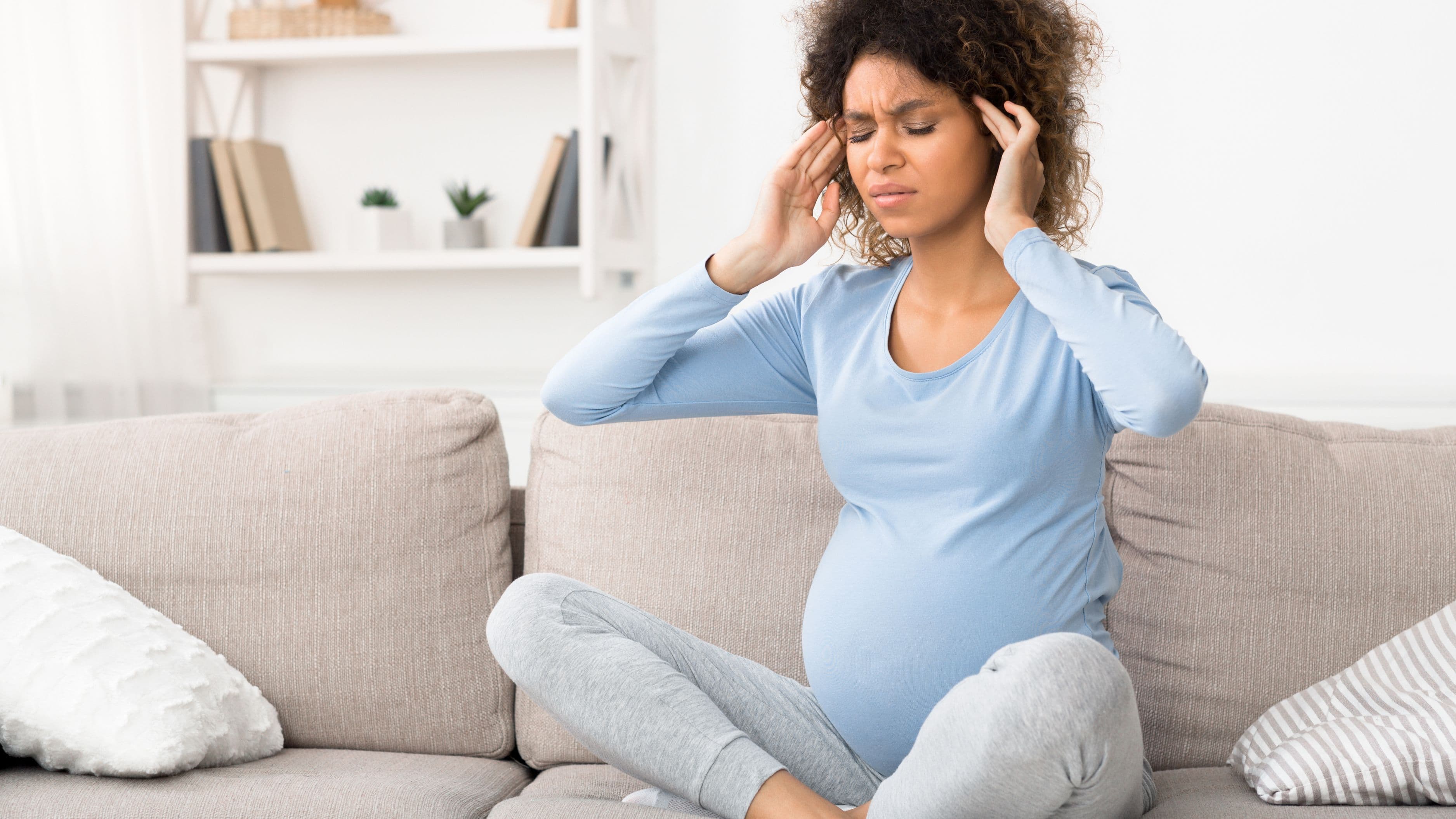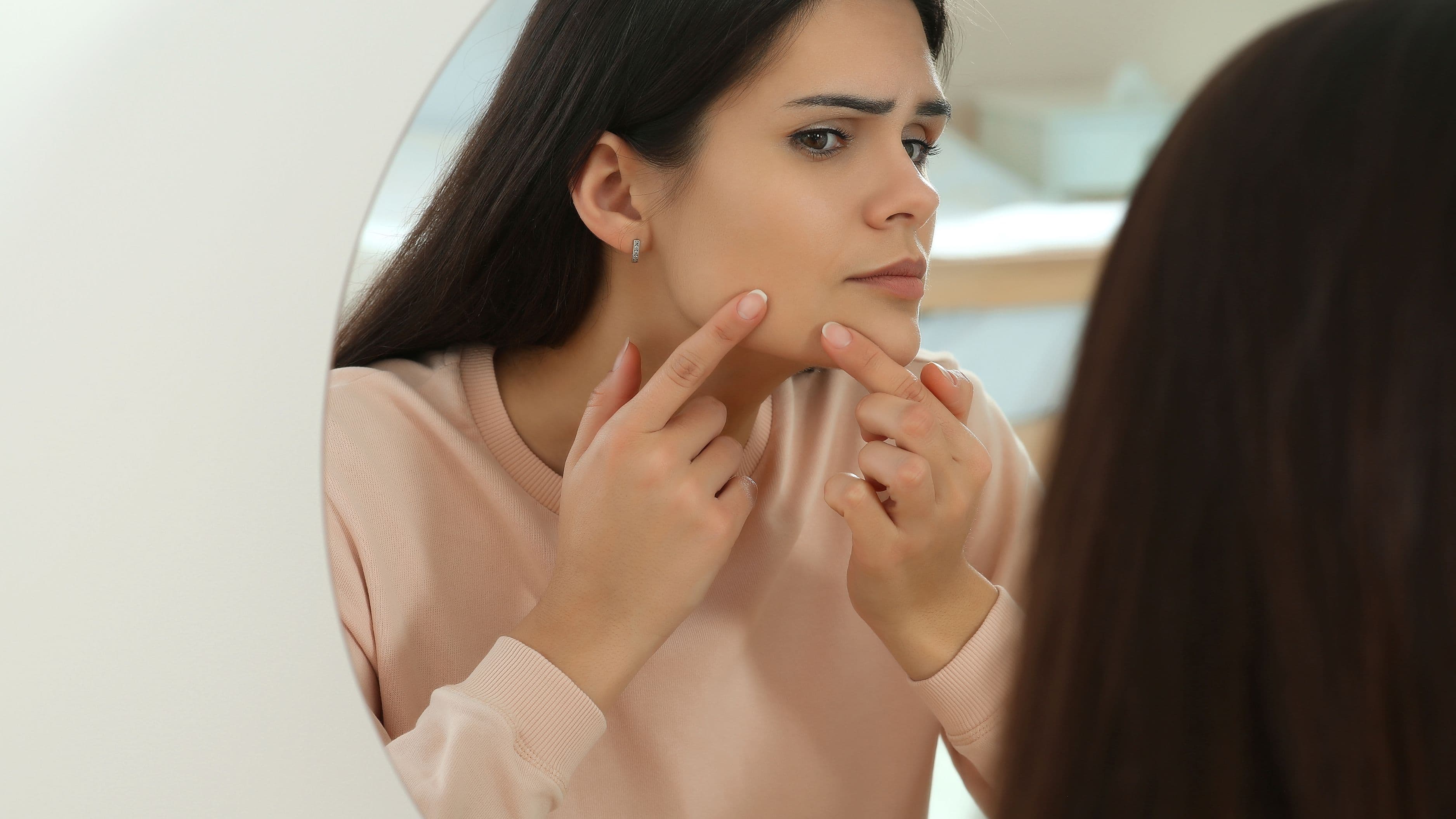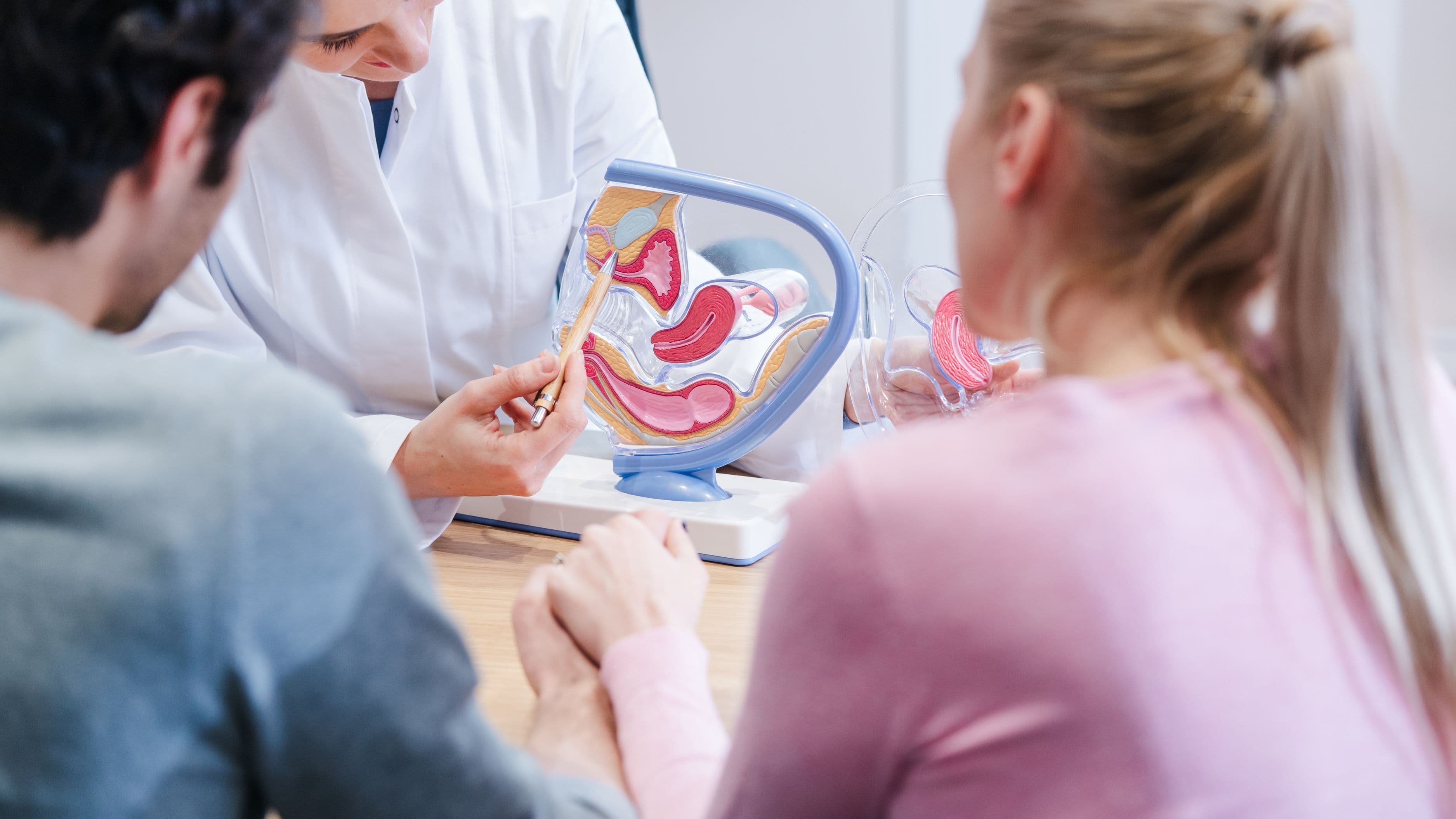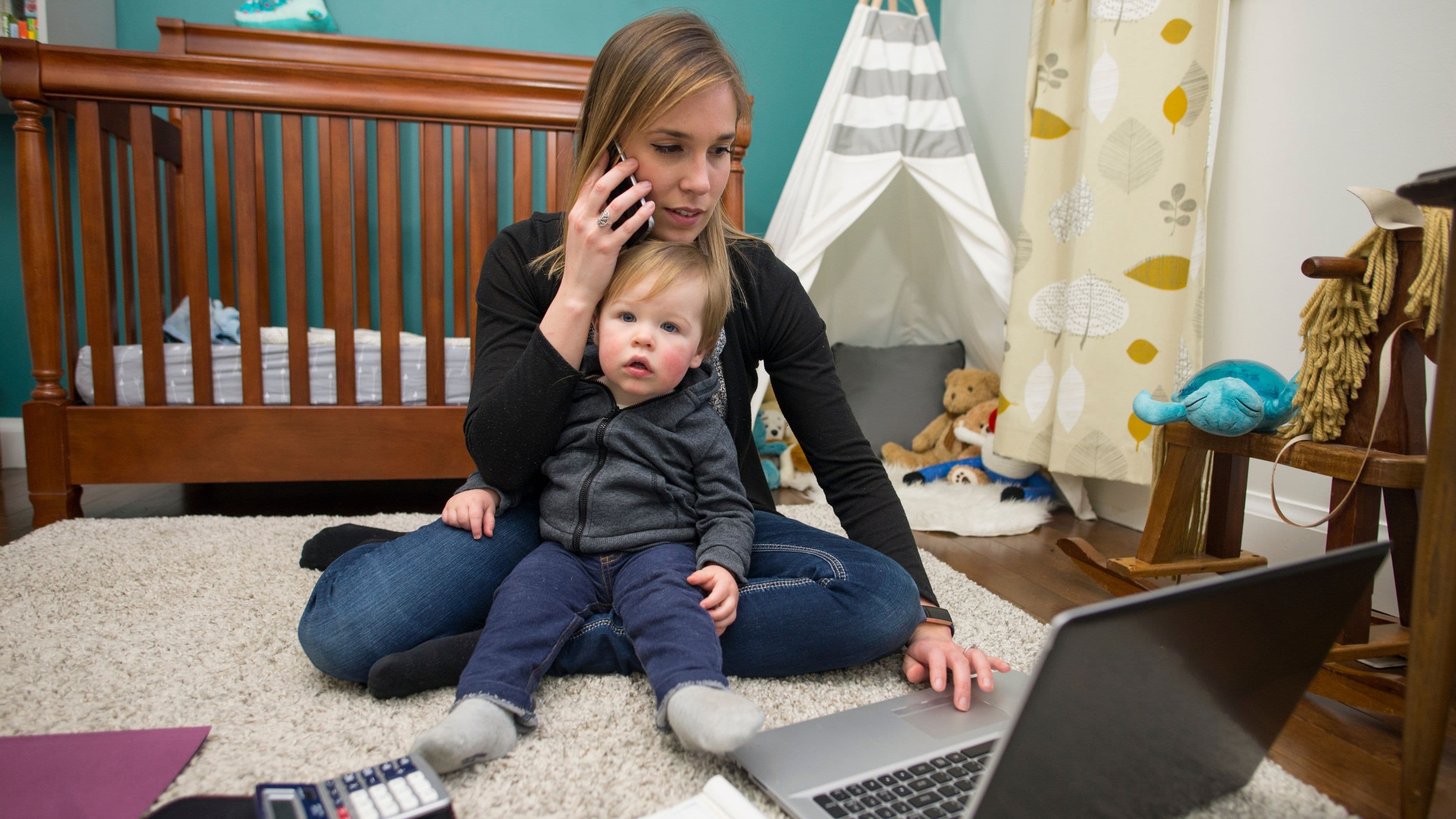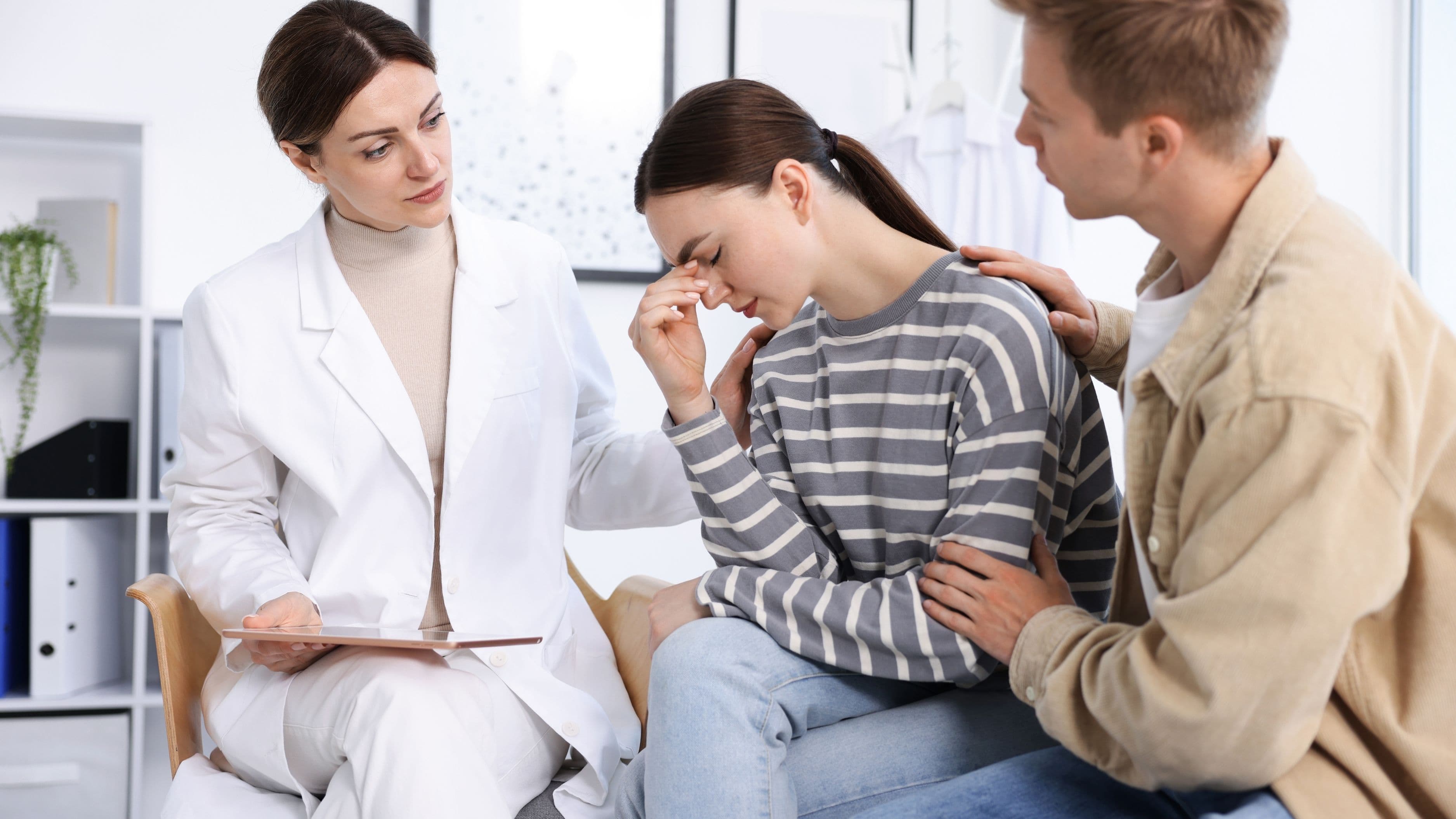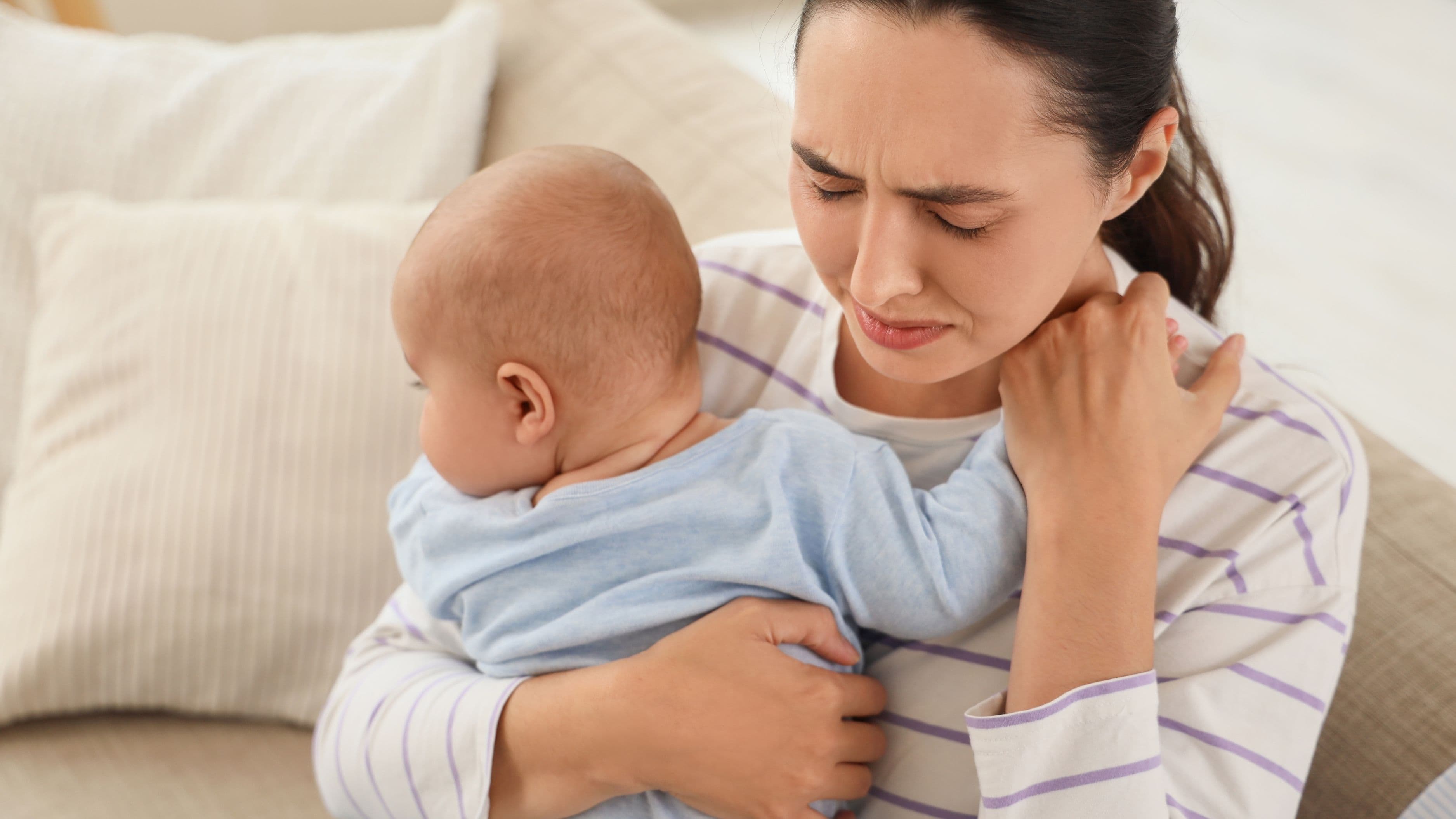
This isn't weakness. It isn't ingratitude. And it isn't the postpartum story most people talk about. What you might be experiencing is postpartum anxiety — a condition that affects roughly 1 in 5 new mothers, and one that remains dramatically under-discussed compared to its better-known sibling, postpartum depression. The silence around it isn't accidental. Anxiety, in the context of new motherhood, is so easily mistaken for "normal new mom worry" that thousands of women white-knuckle their way through months of suffering, believing it's just part of the job. It isn't. And understanding the difference between what's happening in your body and mind — versus what's happening in someone else's — might be the most important thing you read this year.
What Postpartum Anxiety Actually Is
Postpartum anxiety (PPA) is a perinatal mood and anxiety disorder that develops in the weeks or months following childbirth — though it can also begin during pregnancy. It's characterized by persistent, excessive worry that doesn't respond to reassurance, a nervous system that feels perpetually stuck in high gear, and an almost magnetic pull toward catastrophic thinking. Imagine a smoke alarm wired directly into your nervous system, going off at random — whether there's a fire or not. That relentless alertness is the hallmark of PPA, and for the women living inside it, there is nothing abstract about it. It lives in the body: in the tight chest, the shallow breathing, the jaw clenched even during sleep.
What makes PPA particularly insidious is that much of its symptom profile looks, from the outside, like being a conscientious parent. Hyper-vigilance about the baby's breathing? Sounds careful. Difficulty delegating care to anyone else? Sounds devoted. Googling "is it normal for a newborn to..." at 3 a.m.? Sounds relatable. The concern only becomes visible as a problem when the behavior begins to interfere with the mother's ability to rest, eat, function, or experience any stretch of peace — and by the time it's that visible, it's often been quietly building for weeks.
The Body's Alarm System Gone Wrong
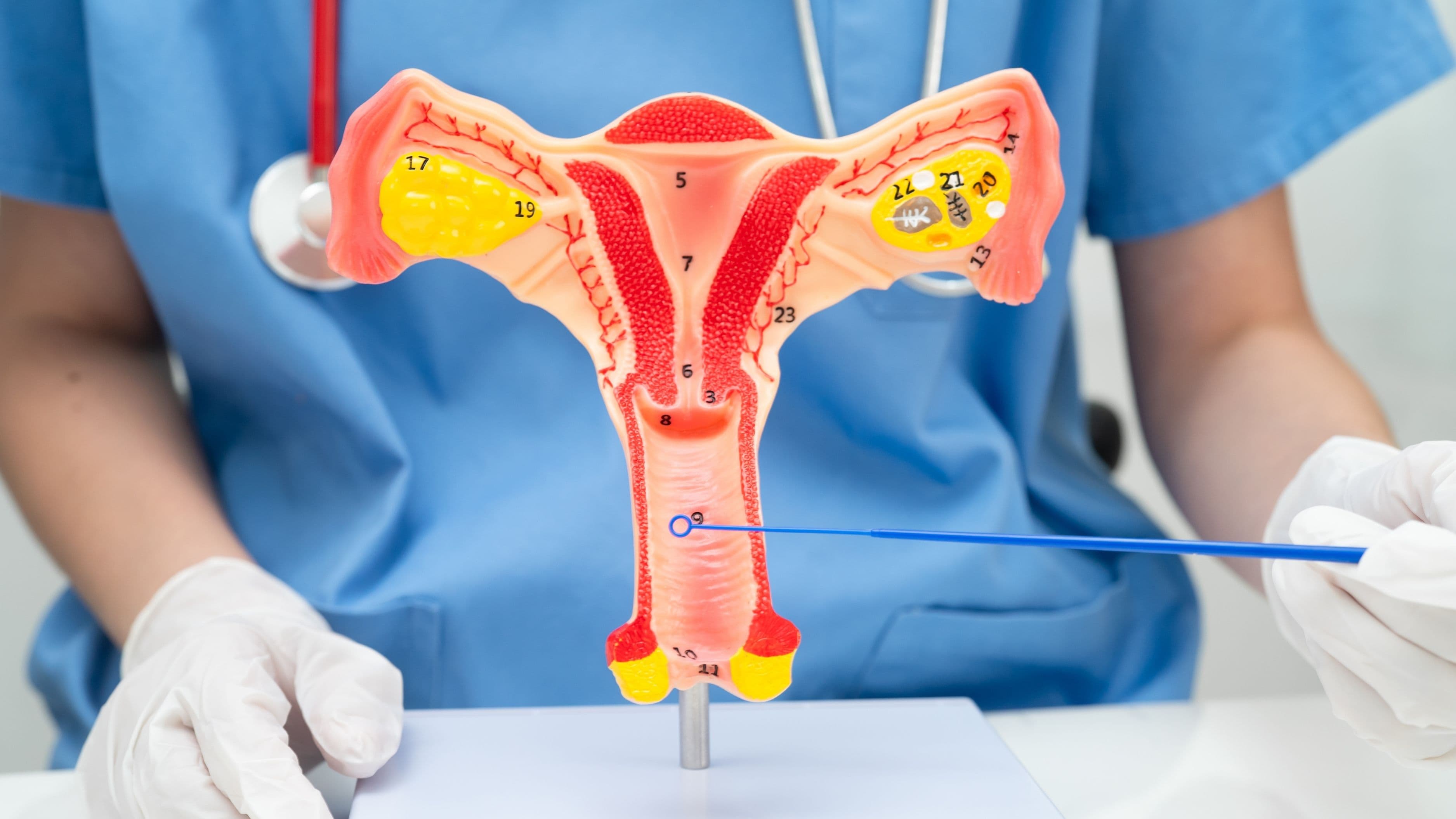
To understand why PPA happens, it helps to understand what childbirth does to the body at a neurological level. In the days following delivery, levels of estrogen and progesterone drop more sharply than at any other point in human biology — a steeper hormonal cliff than at any other life transition, including menopause. For some women, this hormonal free-fall tips the nervous system into a state of chronic activation. Add in sleep deprivation so profound it mimics the effects of clinical sleep disorders, the primal biological drive to protect a vulnerable newborn, and the existential weight of suddenly being responsible for another human life — and you have a neurological environment that is actively predisposed to anxiety.
This isn't a character flaw or a failure of mindset. It's a physiological reality that researchers are only now beginning to map with the attention it deserves. A 2020 review published in the Journal of Affective Disorders found that postpartum anxiety is at least as prevalent as postpartum depression — and in some populations, more so — yet receives a fraction of the clinical and public health attention. The body is not malfunctioning. It's doing exactly what evolution designed it to do in a perceived threat environment. The problem is that the threat signals never turn off.
Postpartum Depression: What It Looks and Feels Like
Postpartum depression (PPD) is the condition most people have heard of — the one that gets the awareness campaigns, the celebrity disclosures, the pamphlets in the OB's waiting room. It is real, serious, and worthy of every bit of that attention. But it has a distinct emotional texture that differs meaningfully from anxiety, even though the two can — and often do — coexist. Where anxiety is electric, PPD is heavy. Where anxiety races, PPD stills. Where anxiety keeps a mother awake imagining disaster, PPD can make it difficult to feel anything at all.
PPD typically manifests as a persistent low mood that doesn't lift even during moments that should bring joy — your baby's first smile lands somewhere behind a wall of glass. It brings a bone-deep fatigue that sleep doesn't fully repair, a withdrawal from connection with partner, friends, or the baby, and a gnawing sense of worthlessness or guilt that has no rational foothold. Some mothers with PPD describe it as being present in their own life while simultaneously watching it from a great distance — close enough to see everything, too far to feel it. This emotional numbness is often what distinguishes PPD from PPA at its core: one is an excess of feeling, the other is a terrifying absence of it.
How to Tell the Difference
Both conditions emerge in the same season of life and are often discussed interchangeably, but their internal experiences are meaningfully distinct. Here's a practical breakdown of where they diverge:
Postpartum Anxiety tends to look like:
Racing, repetitive, hard-to-stop thoughts — especially about the baby's safety
Physical symptoms: rapid heartbeat, shortness of breath, muscle tension, nausea
Difficulty sitting still or resting even when the baby is asleep
Avoidance of situations that trigger worry (refusing to drive with the baby, avoiding crowds)
Irritability and short fuse — not because of sadness, but because the nervous system is overloaded
Feeling like something bad is always about to happen, even in calm moments
Postpartum Depression tends to look like:
Persistent sadness, emptiness, or unexplained tearfulness that doesn't resolve
Feeling disconnected from your baby or struggling to bond
Loss of interest in things that used to matter — including self-care, relationships, creativity
Feelings of hopelessness or the sense that things will not improve
Difficulty making decisions or concentrating
In severe cases, thoughts of harming oneself or the baby — which always warrant immediate professional support
The overlap between the two is real and significant. Research suggests that up to 50% of women with PPD also experience clinically significant anxiety symptoms. A woman can feel hollow and wired at the same time — numb to joy while simultaneously flooded with fear. This is why self-diagnosis has limits, and why the conversation with a healthcare provider matters so much.
The Symptoms Nobody Warns You About
Beyond the clinical checklists, both conditions carry symptoms that don't make it onto most pamphlets — the ones that leave women feeling confused, ashamed, or certain they're "the only one." These are worth naming clearly, because recognition is the first crack of light through a very dark door.
Intrusive thoughts are among the most distressing and least discussed symptoms of postpartum anxiety. These are unwanted, involuntary mental images or scenarios — often involving harm coming to the baby — that flash through the mind without invitation and without reflecting any desire or intention. A mother might have a vivid mental image of dropping the baby on the stairs and immediately feel flooded with horror at her own mind. The key distinction: intrusive thoughts are ego-dystonic, meaning they feel deeply alien and unwanted. They are a symptom of a dysregulated nervous system, not a reflection of who you are as a mother. They are common — far more common than anyone admits — and they are treatable.
Rage is another symptom that rarely makes the official lists but is reported by significant numbers of women experiencing both PPA and PPD. It can arrive as snapping at a partner over something minor, or as a surge of hot, disproportionate fury at the baby for crying. The shame that follows — what kind of mother feels that? — is often more paralyzing than the anger itself. What's important to understand is that rage in this context is almost always a secondary emotion: the top layer of a nervous system that is overwhelmed, under-resourced, and desperately asking for support.
When It's More Than Baby Blues
The "baby blues" — the weepiness, emotional fragility, and mood swings that follow delivery — are a normal hormonal adjustment that typically peaks around day three to five postpartum and resolves on its own within two weeks. They're uncomfortable but expected, like emotional weather passing through. Postpartum anxiety and depression are something different: they're not weather, they're climate. They persist, they intensify, and they do not resolve on their own with rest and reassurance.
The clearest signal that you've moved beyond normal adjustment is duration and impairment. If symptoms have lasted more than two weeks, or if they're interfering with your ability to care for yourself or your baby — eating, sleeping, forming a bond, asking for help — that is the body sending a signal worth listening to. You wouldn't walk on a broken bone and call it soreness. You don't have to walk through this and call it exhaustion.
Pathways to Healing
The research on treatment for both PPA and PPD is genuinely encouraging. These are not lifelong sentences. They are conditions with clear, effective interventions, and most women who receive appropriate support experience significant improvement within weeks to months. The path forward usually involves some combination of the following:
Therapy — specifically Cognitive Behavioral Therapy (CBT) — has the strongest evidence base for both conditions. CBT for postpartum anxiety works by teaching the nervous system to distinguish between real threat signals and false ones, gently retraining the brain's alarm system over time. Feel the difference between the tight grip of panic and the slow release that comes with learning you can tolerate uncertainty — that shift is real, and it's learnable.
Medication, when indicated, is safe for breastfeeding mothers in most cases, and the decision should be made in collaboration with a psychiatrist or OB who specializes in perinatal mental health. The stigma around postpartum medication is disproportionate to the evidence. Treating your nervous system is not a departure from being a good mother — it's one of the most direct acts of care for your child you can take.
Community and peer support have an effect on postpartum mood disorders that clinical research increasingly validates. Isolation is the environment in which both anxiety and depression thrive. Postpartum Support International (PSI) offers free peer support groups, warmlines, and a provider directory specifically for perinatal mood disorders — and the relief of hearing another mother say "I felt that too" is something no amount of clinical language fully captures.
Nervous system regulation practices — slow, extended exhale breathing, gentle movement, time in nature, body-based grounding techniques — offer meaningful real-time relief by activating the parasympathetic nervous system and signaling safety to a body stuck in threat mode. These are not cures in isolation, but as daily practices woven into a broader healing plan, they create the physiological conditions in which healing becomes possible.
You Are Not Your Symptoms
Postpartum anxiety and depression are not personality traits. They are not predictions of the mother you will be. They are not evidence that you made a mistake, that you were somehow wrong for wanting this, or that your baby would be better off without you. They are medical conditions with biological underpinnings, specific treatment pathways, and millions of women on the other side of them who are living proof that recovery is not only possible — it is the norm.
The hardest and most important step is the first one: telling someone. Not performing okayness for one more week. Not waiting until it gets bad enough to justify asking for help. It is already bad enough. Your suffering already qualifies. You are allowed to reach toward healing before you've hit rock bottom, and you are allowed to want your life back — the full, present, sensory richness of it — starting now.
If you're in the United States and need immediate support, Postpartum Support International's helpline is available at 1-800-944-4773. You don't have to figure out exactly what's wrong before you call. You just have to pick up the phone.
📚 Sources
Fairbrother, N., Young, A. H., Janssen, P., Antony, M. M., & Tucker, E. (2015). Depression and anxiety during the perinatal period. BMC Psychiatry, 15(1), 206. https://doi.org/10.1186/s12888-015-0526-6
Wenzel, A., & Kleiman, K. (2015). Cognitive Behavioral Therapy for Perinatal Distress. Routledge.
Misri, S., & Kendrick, K. (2007). Treatment of perinatal mood and anxiety disorders: A review. The Canadian Journal of Psychiatry, 52(8), 489–498. https://doi.org/10.1177/070674370705200801
Postpartum Support International. (2024). Postpartum anxiety and perinatal mood disorders fact sheet. https://www.postpartum.net
Goodman, J. H., Watson, G. R., & Stubbs, B. (2016). Anxiety disorders in postpartum women: A systematic review and meta-analysis. Journal of Affective Disorders, 203, 292–331. https://doi.org/10.1016/j.jad.2016.05.033