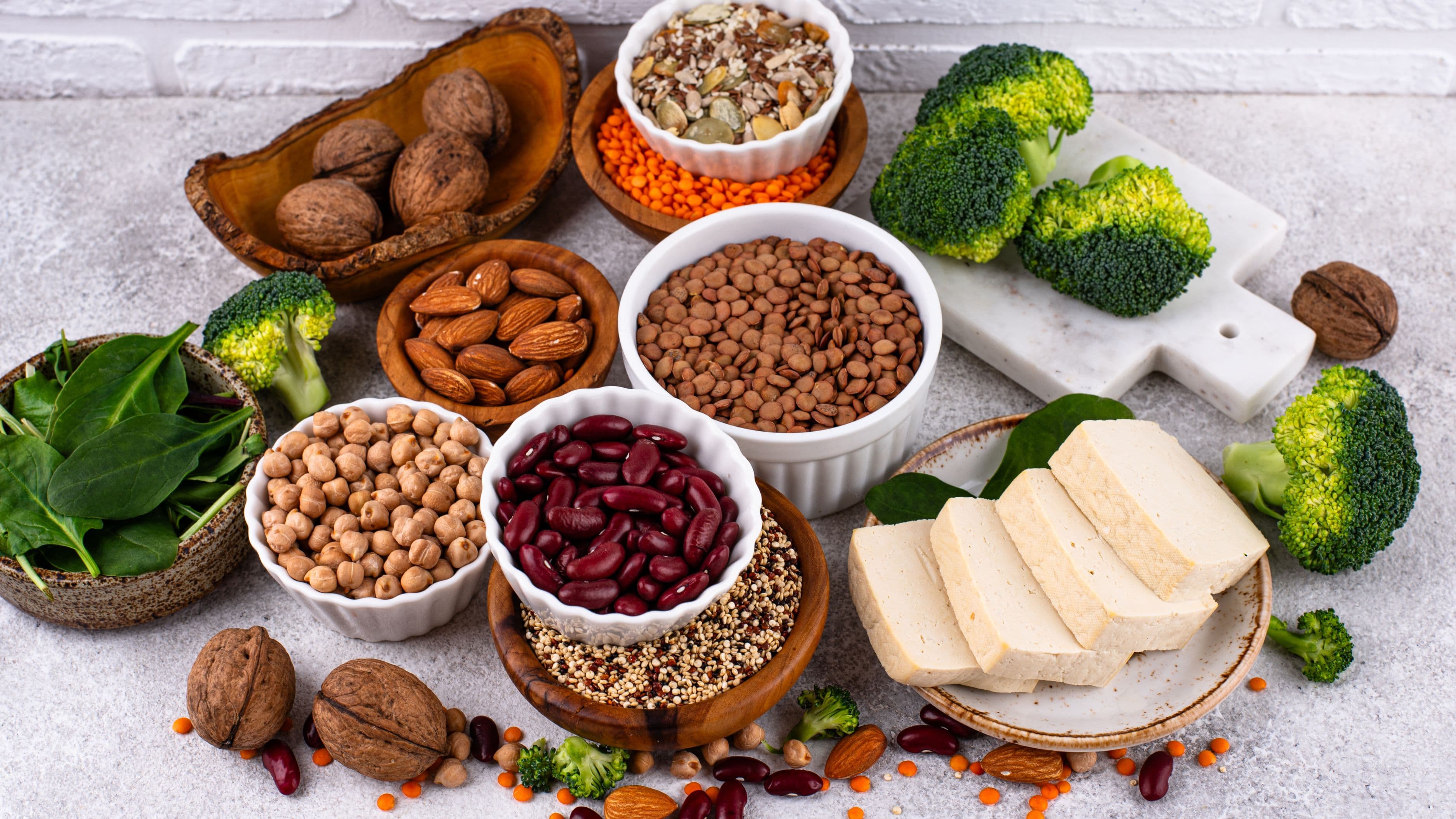
If you're considering this for your household, it helps to know what's actually backed by evidence versus what's just wellness-world noise, and how to approach it in a way that feels doable rather than overwhelming.
Better Nutrient Variety, Naturally
When meals center more on vegetables, legumes, whole grains, and fruit, families often end up eating a wider variety of nutrients than they would on a diet built primarily around meat and processed sides. Different plants bring different vitamins, minerals, and fiber types to the table, and that variety matters more than any single "superfood" ever could.
This doesn't mean meat needs to disappear entirely. Many families find success with a "plant-forward" approach, where vegetables and whole grains take up more of the plate and meat becomes a smaller, more intentional part of the meal rather than the default centerpiece.
Supporting Healthy Digestion for the Whole Family
Fiber is one of the clearest, most consistent benefits of eating more plants, and most people, kids included, don't get nearly enough of it. Legumes, whole grains, and vegetables all contribute fiber that supports regular digestion and feeds the beneficial bacteria in the gut.
For families with kids who deal with irregular digestion, gradually increasing fiber-rich foods like beans, oats, and fruit can make a real difference over a few weeks. The key word is gradually. Adding too much fiber too quickly can cause discomfort, so it's worth easing in rather than overhauling every meal overnight.
Heart Health Benefits That Build Over Time
Diets higher in vegetables, whole grains, and legumes and lower in saturated fat are associated with better long-term heart health markers, including healthier cholesterol levels and blood pressure. This matters for the whole family, not just the adults, since eating patterns established in childhood tend to carry into adulthood.
The realistic expectation here is that this is a long game. You won't see dramatic changes in a week or a month. What you're building is a pattern that compounds over years, which is honestly a more sustainable way to think about family health than chasing quick fixes.
Weight Management Without the Restriction Mindset
Plant-forward meals tend to be higher in fiber and water content and lower in calorie density, which naturally supports a healthy weight without requiring anyone in the family to count calories or feel restricted. A big bowl of vegetable-and-bean chili fills you up differently than the same calorie count in something processed and low in fiber.
This works best when it's framed around adding good things rather than cutting things out. Kids especially respond better to "let's add more colorful veggies to the pasta" than "we can't have that anymore."
Practical Ways to Start Without Overwhelming Your Family
Start with one or two meals a week rather than trying to convert every dinner immediately. "Meatless Monday" is a cliché at this point, but it works precisely because it's low-pressure and easy to build a habit around.
Swap in plant-based proteins gradually: black beans in tacos alongside the usual ground beef, lentils stirred into a familiar pasta sauce, chickpeas roasted as a snack instead of chips. These swaps let kids adjust to new flavors and textures without feeling like their favorite meals have been taken away entirely.
Involve kids in the process where you can. Letting them pick a new vegetable to try at the grocery store or help wash and chop gives them some ownership over the change, which tends to reduce mealtime resistance.
What to Avoid
Don't switch everything overnight. A sudden, strict shift often backfires with kids and can leave the whole family feeling deprived rather than nourished. Gradual changes stick better than dramatic ones.
Don't assume "plant-based" automatically means healthy. Plenty of processed plant-based products, veggie chips, meat-alternative nuggets, and sugary plant milks, aren't meaningfully better than their non-plant counterparts. Whole, minimally processed plant foods are where the real benefit lives.
Be mindful of nutrients that need more attention on a more plant-focused diet, particularly vitamin B12, iron, and omega-3s if animal products are significantly reduced. A conversation with a pediatrician or family doctor before making major dietary shifts, especially for growing kids, is worth the time.
FAQ
Does this mean my family has to go fully vegetarian or vegan? Not at all. Most families see meaningful benefits from simply shifting the ratio toward more plants, without eliminating meat or dairy entirely.
Will my kids get enough protein? Yes, when the diet includes a reasonable variety of legumes, whole grains, nuts, seeds, and dairy or eggs if included. Protein deficiency is rare in developed countries even among plant-forward eaters.
How long before we notice a difference? Digestive benefits like more regular fiber intake can show up within a couple of weeks. Broader health markers like cholesterol typically take a few months of consistent eating patterns to shift.
📚 Sources
Plant-based diets and health outcomes – https://www.hsph.harvard.edu/nutritionsource/healthy-eating-plate/
Fiber intake recommendations – https://www.eatright.org/food/nutrition/dietary-fiber
Pediatric nutrition guidance – https://www.healthychildren.org/English/healthy-living/nutrition/