So consider this that conversation. Perimenopause — the phase leading up to menopause that can last anywhere from two to twelve years — is real, it's significant, and it deserves a self-care approach as nuanced as the experience itself. Not a one-size-fits-all checklist, but a living, breathing routine built around what your body and mind actually need right now. Let's build it together.
What Perimenopause Actually Does to Your Body
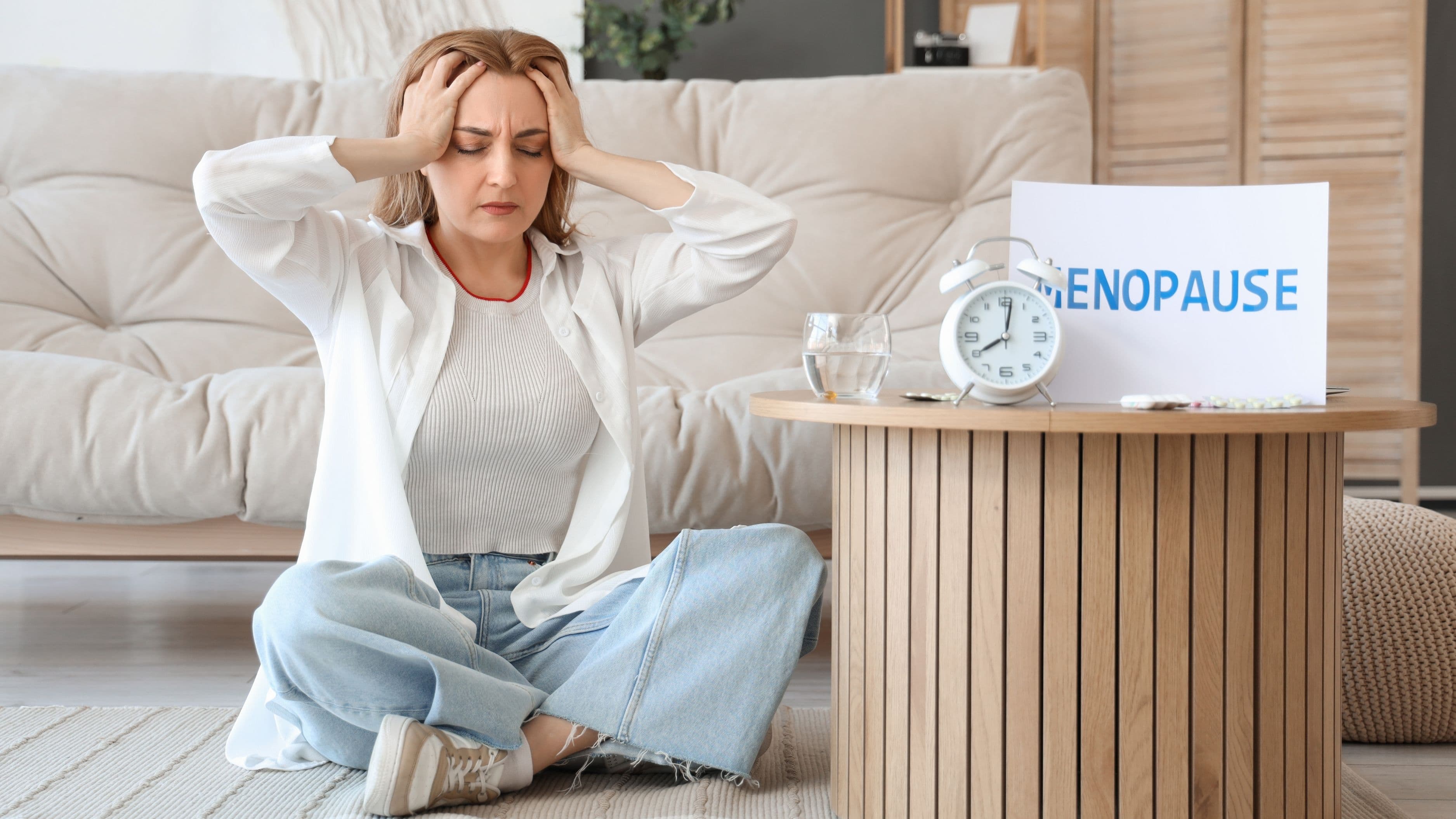
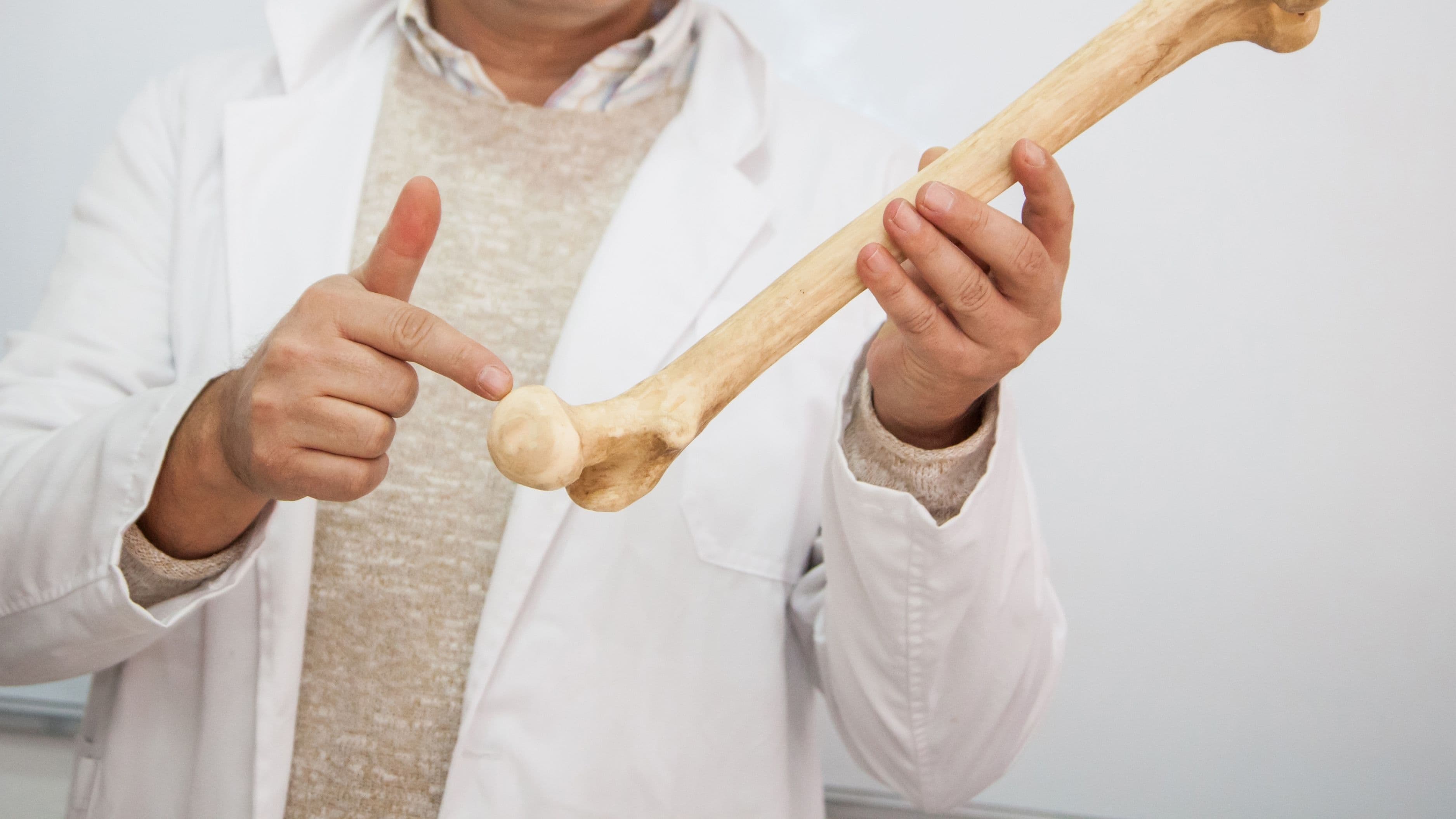
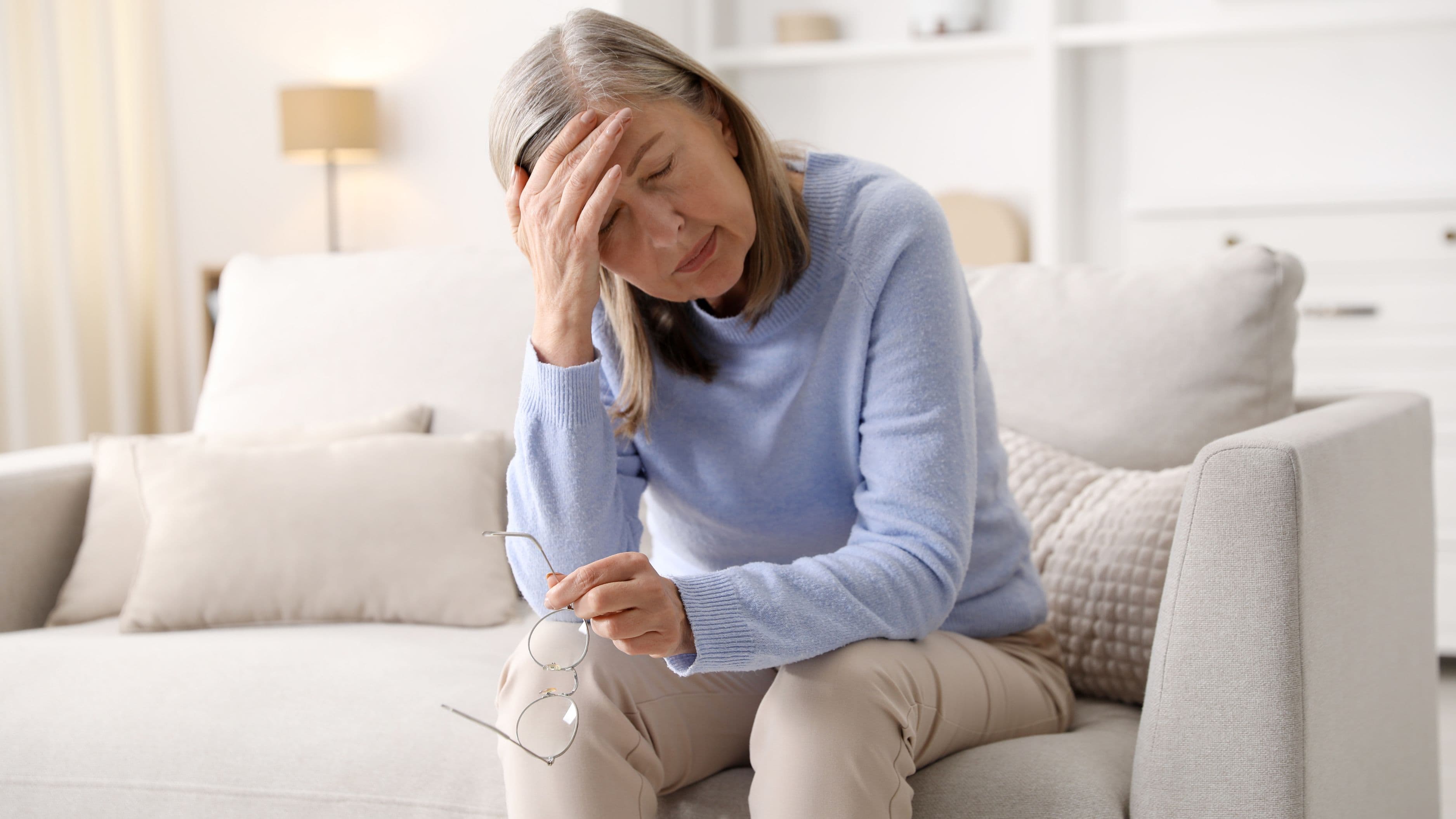
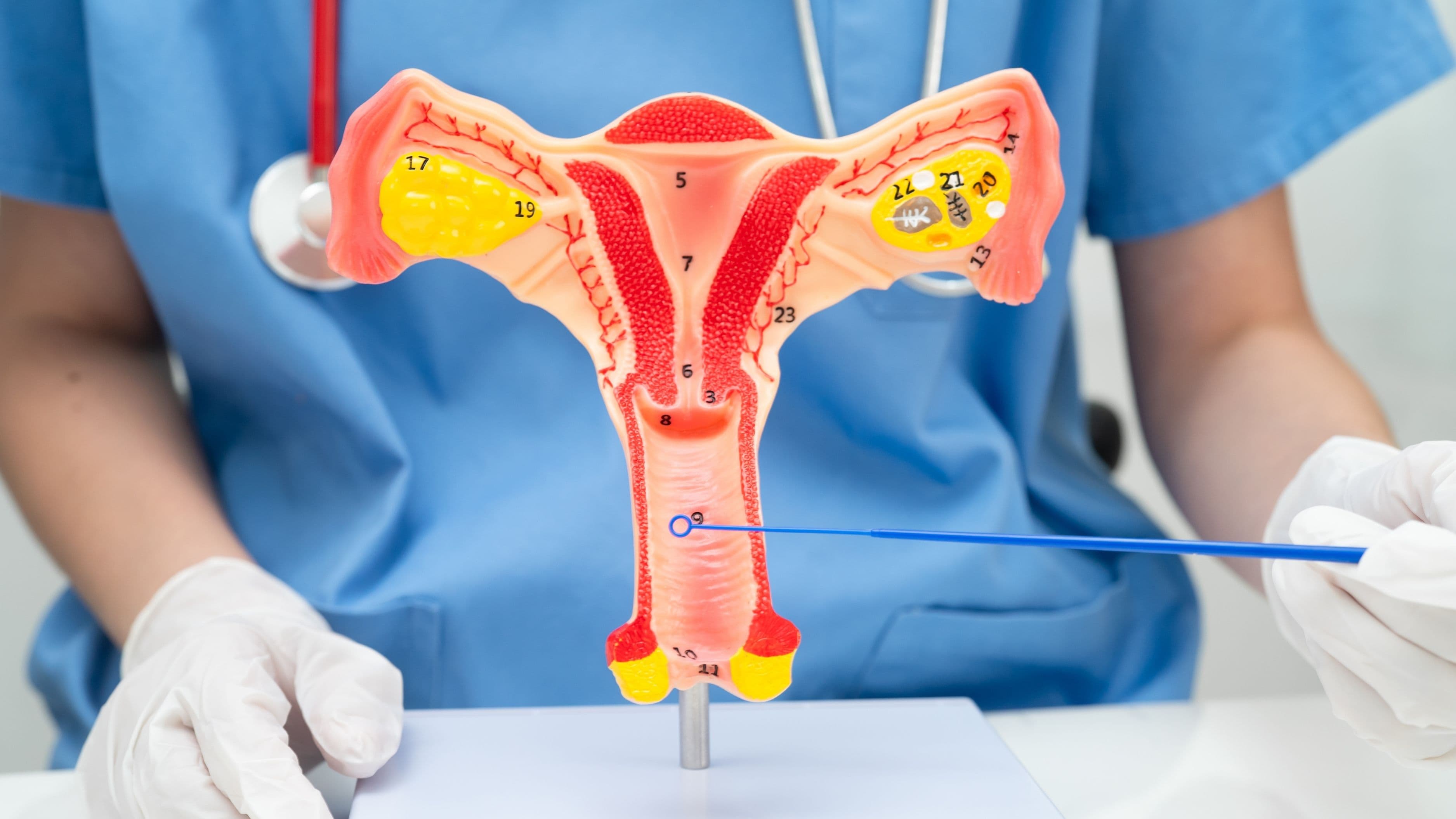
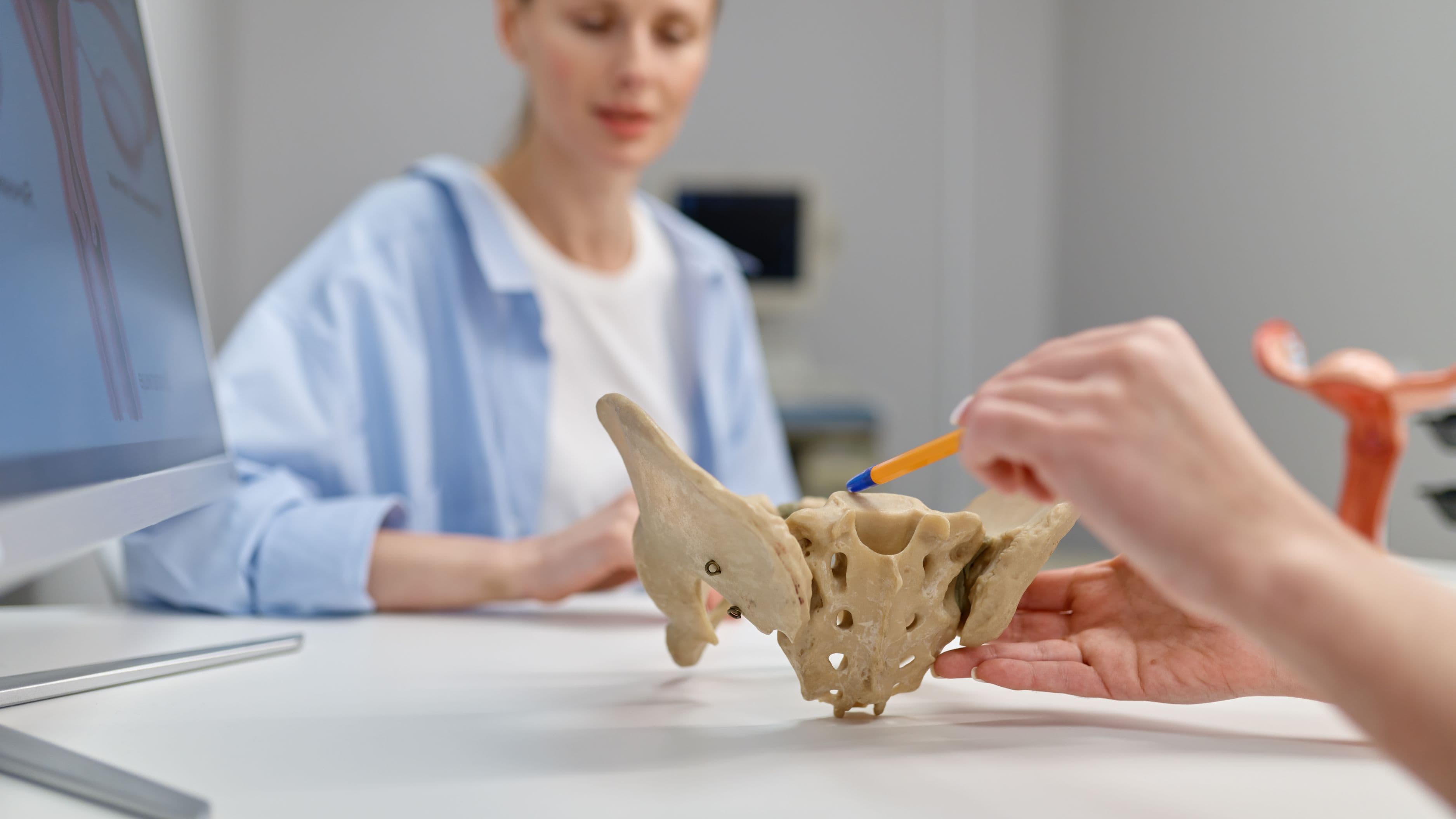
Before you can care for something, it helps to understand it. Perimenopause is the hormonal transition period when estrogen and progesterone levels begin fluctuating unpredictably before their eventual decline. This isn't a single event — it's a gradual, nonlinear process that affects sleep, mood, metabolism, skin, cognition, and even bone density in ways that can feel wildly disconnected from each other. One week you feel completely fine; the next you're waking at 3 a.m. drenched in sweat, snapping at people you genuinely love, and wondering if you're losing your mind.
According to the North American Menopause Society, more than 1.3 million women in the U.S. reach menopause each year, meaning perimenopause is already underway for tens of millions more. And yet it remains dramatically underdiscussed, both in medical offices and in everyday conversation. A self-care routine during this time isn't indulgent — it's genuinely strategic. It's the difference between white-knuckling through the transition and actually thriving inside it.
1. The Great Hormonal Sleep Heist — And How to Fight Back
Hot flashes don't keep business hours. They arrive at 2 a.m. like an internal bonfire, dragging you out of sleep just when your body needs it most. Declining progesterone — which has a natural sedative quality — combined with estrogen fluctuations can make deep, restorative sleep feel like a distant memory. Building a sleep-specific ritual isn't optional during perimenopause; it's survival.
Start by cooling your sleep environment more aggressively than you think necessary — 65 to 68°F is the sweet spot for most women during this phase. Layer your bedding so you can shed and recover quickly without fully waking up. Natural, breathable fabrics like linen and bamboo aren't wellness marketing fluff; they genuinely regulate temperature better than synthetic blends. Beyond the physical environment, anchor your wind-down with something that signals safety to your nervous system: a specific tea ritual, a few minutes of legs-up-the-wall pose, or a short body scan meditation that lets your muscles know the day is actually over. Your sleep routine deserves the same intentionality you'd give a meeting that matters — because it does.
2. The Stress-Hormone Double Agent
Here's the part that catches most women off guard: cortisol and estrogen are deeply interconnected. When estrogen drops, the body sometimes compensates by nudging cortisol higher, which means chronic stress hits harder during perimenopause than it did in your thirties. What used to roll off your back now lands with unexpected weight. The emotional reactivity, the low-grade anxiety that shows up for no obvious reason — cortisol is often the co-conspirator.
This is why stress management during perimenopause isn't just "nice to have" — it's physiologically necessary. Breathwork, particularly the extended exhale techniques (inhale for 4 counts, exhale for 6 to 8), can lower cortisol levels within minutes by activating the parasympathetic nervous system. Even ten minutes of deliberate stillness — sitting somewhere quiet, feeling sunlight on your face, listening to nothing — creates a measurable shift in your body's chemistry. You're not being soft. You're being smart about a system that's operating under genuinely elevated demand.
3. Movement as Medicine, Not Punishment
The instinct for many women when weight starts shifting or energy crashes is to exercise harder — more cardio, less food, push through. During perimenopause, this approach tends to backfire spectacularly. Excessive cardio without adequate recovery can actually spike cortisol, worsen fatigue, and accelerate muscle loss at a time when preserving lean muscle mass is increasingly important. The research here is clear: strength training, not more running, is the movement prescription this phase calls for.
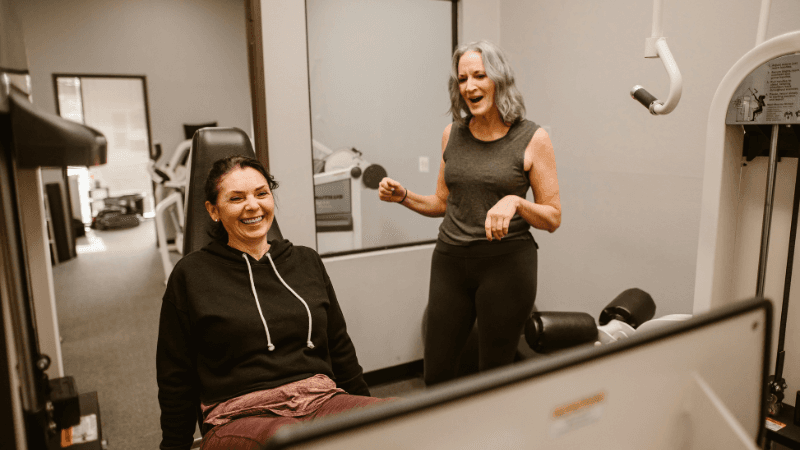
Lifting weights — even modest resistance training two to three times a week — supports bone density, improves insulin sensitivity, boosts mood through endorphins, and helps maintain the metabolic rate that tends to decline with estrogen. But movement doesn't have to live in the gym. A 20-minute walk outside, taken with genuine presence rather than a podcast in your ear, regulates blood sugar, reduces inflammation, and connects you to something larger than your to-do list. Feel the ground beneath you. Notice the light. Move your body like you're grateful for it, not punishing it for changing.
4. The Plate Makeover Nobody Warned You About
Your diet during perimenopause isn't just about weight. It's about giving an overstretched hormonal system the raw materials it needs to function. Protein becomes more important than ever — not for aesthetics, but because it supports muscle retention, stabilizes blood sugar, and helps produce the neurotransmitters that regulate mood. Most women in midlife are chronically undereating protein without realizing it.
Phytoestrogens — plant compounds that mildly mimic estrogen in the body — found in foods like flaxseeds, edamame, and fermented soy may help soften some hormonal fluctuation for certain women. Cruciferous vegetables support estrogen metabolism through the liver. Omega-3 fatty acids from fatty fish, walnuts, and chia seeds reduce the systemic inflammation that perimenopause can amplify. None of this requires a dramatic dietary overhaul or a subscription to anything. It requires eating with slightly more intention — treating each meal as information you're giving your body rather than just fuel you're stuffing into the tank.
5. The Emotional Audit You've Been Postponing
Perimenopause has a strange psychological dimension that doesn't get nearly enough airtime. Many women describe this period as a kind of identity reckoning — old roles that no longer fit, relationships that need renegotiating, a quiet but insistent voice asking what do I actually want now? It can feel destabilizing. It can also, approached with courage and curiosity, feel like a doorway.
Journaling during perimenopause isn't about recording symptoms — it's about excavating. What are you tolerating that you shouldn't? What have you been putting off? What version of yourself keeps trying to surface? Dr. Christiane Northrup, author of The Wisdom of Menopause, frames perimenopause not as a decline but as a neurological and spiritual upgrade — a time when the brain is literally rewiring to prioritize authenticity over approval. That rewiring can feel uncomfortable. It can also feel like the most honest thing your body has ever done for you.
6. The Community Prescription
Isolation quietly intensifies every perimenopause symptom. When you're navigating mood swings, brain fog, and body changes without any communal frame of reference, the experience can feel pathological rather than natural. Seeking out spaces — whether online communities, local wellness circles, or even honest conversations with friends in the same chapter — recontextualizes what you're going through. You're not falling apart; you're in very good company.
Peer support during health transitions has documented benefits beyond the emotional. A sense of belonging reduces cortisol, supports immune function, and improves adherence to healthy behaviors — which means community is not a soft supplement to your self-care routine; it's a pillar. Find your people. Talk openly. Let the conversation normalize something that has been whispered about for far too long.
This Chapter Has Your Name on It
Here's the truth tucked inside all of this: perimenopause is not something happening to you. It's a transition happening through you — reorganizing, recalibrating, insisting that the way you've been living might need to evolve. The women who come through this phase with the most grace aren't the ones who fought it hardest. They're the ones who got curious, got honest, and got intentional about what they actually needed.
Your self-care routine during perimenopause doesn't need to be elaborate or expensive or perfectly consistent. It needs to be real — grounded in your actual life, responsive to your actual body, and built on the radical premise that you are worth paying close attention to. Your life doesn't need to be perfectly balanced — just a little more listened to, a little more nourished, and a whole lot more yours.
📚 Sources
North American Menopause Society. (2023). Menopause 101: A primer for the perimenopausal years. menopause.org.
Northrup, C. (2012). The Wisdom of Menopause: Creating Physical and Emotional Health During the Change (Revised Ed.). Bantam Books.
Maltais, M. L., Desroches, J., & Dionne, I. J. (2009). Changes in muscle mass and strength after menopause. Journal of Musculoskeletal and Neuronal Interactions, 9(4), 186–197.
Chrousos, G. P., & Kino, T. (2007). Glucocorticoid action networks and complex psychiatric and/or somatic disorders. Stress, 10(2), 213–219.
Adlercreutz, H. (2007). Lignans and human health. Critical Reviews in Clinical Laboratory Sciences, 44(5–6), 483–525.