Regular pelvic exams aren't about fear or worst-case scenarios. They're one of the simplest ways to catch changes in your body early, when they're most treatable, and to build an ongoing relationship with a provider who actually knows your baseline. Understanding what these exams actually do – and don't do – can make the whole experience feel a lot less intimidating.
What a Pelvic Exam Actually Checks
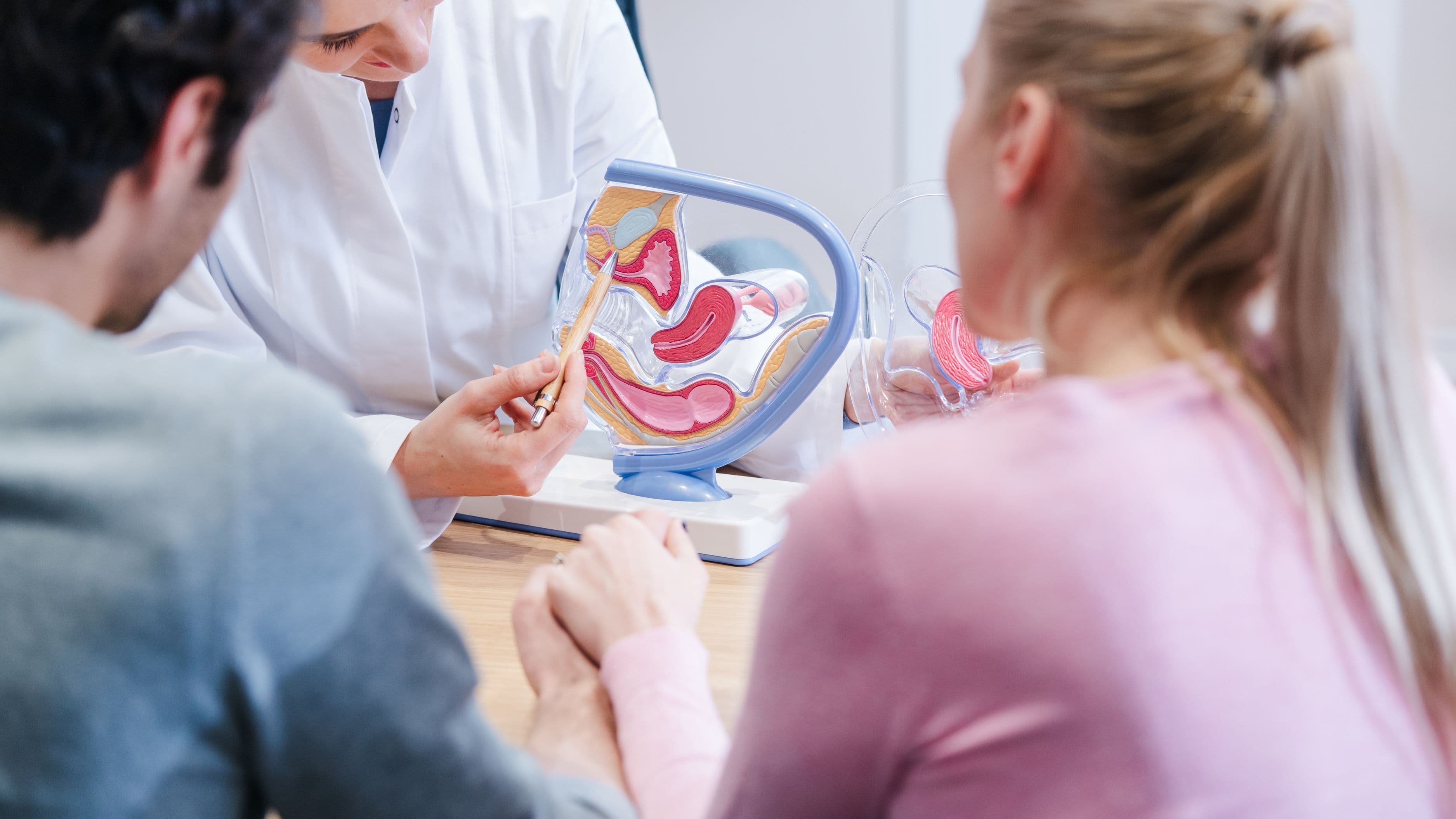
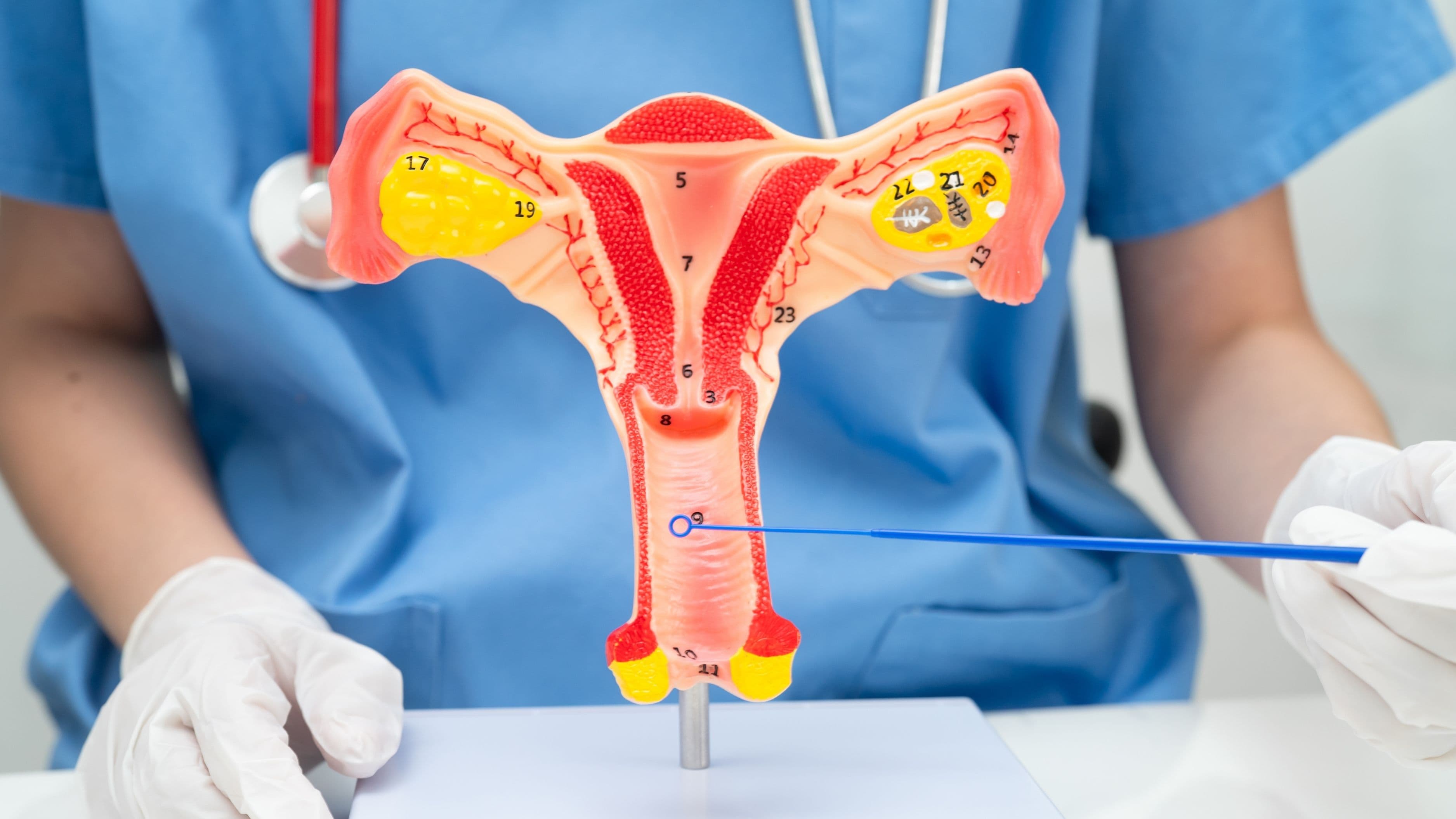
A standard pelvic exam typically involves a visual check of the vulva, an internal exam of the vagina and cervix, and often a manual check of the uterus and ovaries for size, shape, and tenderness. Depending on your age and history, it may also include a Pap smear, which screens specifically for cervical cell changes that could indicate early signs of cervical cancer.
None of this is about catching something wrong with you. It's about establishing what normal looks like for your body, so that if something does shift over time – a new type of pain, unusual bleeding, a lump, or discomfort – your provider has a reference point to compare against. That baseline is quietly valuable in a way that's easy to overlook until you actually need it.
Why Consistency Matters More Than People Realize
A single pelvic exam tells you about a single moment in time. What makes regular exams genuinely useful is the pattern they build over years. Conditions like ovarian cysts, fibroids, or early cervical changes often develop slowly, and a provider who's seen you consistently is far more likely to notice a meaningful shift than one meeting you for the first time.
This is part of why guidelines generally recommend starting regular exams in your early twenties and continuing on a schedule your provider sets based on your personal and family history, rather than treating it as a one-time box to check. The relationship with your provider matters here too. Feeling comfortable enough to ask questions or mention something that feels "probably nothing" often leads to catching things earlier than they would be otherwise.
The Emotional Side Nobody Talks About Enough
It's worth naming directly that pelvic exams can bring up real emotional discomfort, especially for anyone with a history of trauma, or simply anyone who's never quite gotten used to the vulnerability of the exam room. That discomfort is valid, and it doesn't mean something is wrong with you for feeling it.
Providers who specialize in gentle, trauma-informed care exist, and it's completely reasonable to ask a new provider about their approach before booking, or to request a female provider, a support person in the room, or extra time to talk through the process beforehand. None of these requests are inconvenient or excessive – they're a normal part of making healthcare feel manageable rather than something to white-knuckle through.
What to Expect If You've Been Putting It Off
If it's been years since your last exam, the idea of going back can feel more daunting than it needs to be. A good first step is simply calling ahead and being honest with the office – letting them know it's been a while, that you're feeling anxious, or that you have questions before you book. Most providers have heard this exact conversation many times and won't treat it as unusual.
Give yourself permission to ask for a slower, more explained version of the exam if that helps. You're allowed to ask what's happening at each step, to request the doctor narrate before touching anything, and to stop or pause if something feels like too much in the moment. This isn't being difficult. It's basic informed consent, and any provider worth returning to will respect it without hesitation.
Building It Into Your Routine
Rather than treating a pelvic exam as an isolated, dreaded appointment, some women find it easier to pair it with other self-care routines – scheduling it alongside a haircut appointment the same week, or building in a small reward afterward, like a favorite meal or a quiet evening. These small rituals won't make the exam itself different, but they can shift how you relate to the whole process emotionally.
Progress here isn't about suddenly loving the appointment. It's about it feeling a little less like an obstacle each time, and a little more like a normal part of taking care of yourself the same way you would with any other regular checkup.
What to Avoid
Don't wait for symptoms before scheduling a pelvic exam. Part of the value of these exams is catching changes before they become noticeable, which is exactly the window where treatment tends to be simplest.
Avoid choosing a provider purely based on convenience if their communication style leaves you feeling rushed or unheard. A five-minute drive isn't worth years of avoiding appointments because the experience feels impersonal.
Try not to let embarrassment about hygiene, body hair, or anything else keep you from going. Providers see this every single day, and none of it changes the quality or importance of your care.
FAQ
How often should I get a pelvic exam? This varies by age, health history, and provider recommendation, but many guidelines suggest starting regular exams around age 21 and continuing on a schedule your provider sets, often annually or every few years depending on your Pap smear results and personal risk factors.
Does a pelvic exam hurt? Most women describe it as uncomfortable rather than painful, though sensitivity varies. Communicating with your provider during the exam about pacing and pressure can make a real difference.
What if I feel too anxious to go? Talking to the office ahead of time, requesting a provider known for gentle care, or bringing a support person are all reasonable accommodations. Anxiety about the exam is common enough that most providers have strategies to help.
📚 Sources
American College of Obstetricians and Gynecologists – "Well-Woman Visit" – https://www.acog.org/womens-health/faqs/your-first-gynecologic-visit
Centers for Disease Control and Prevention – "Cervical Cancer Screening" – https://www.cdc.gov/cervical-cancer/screening/index.html