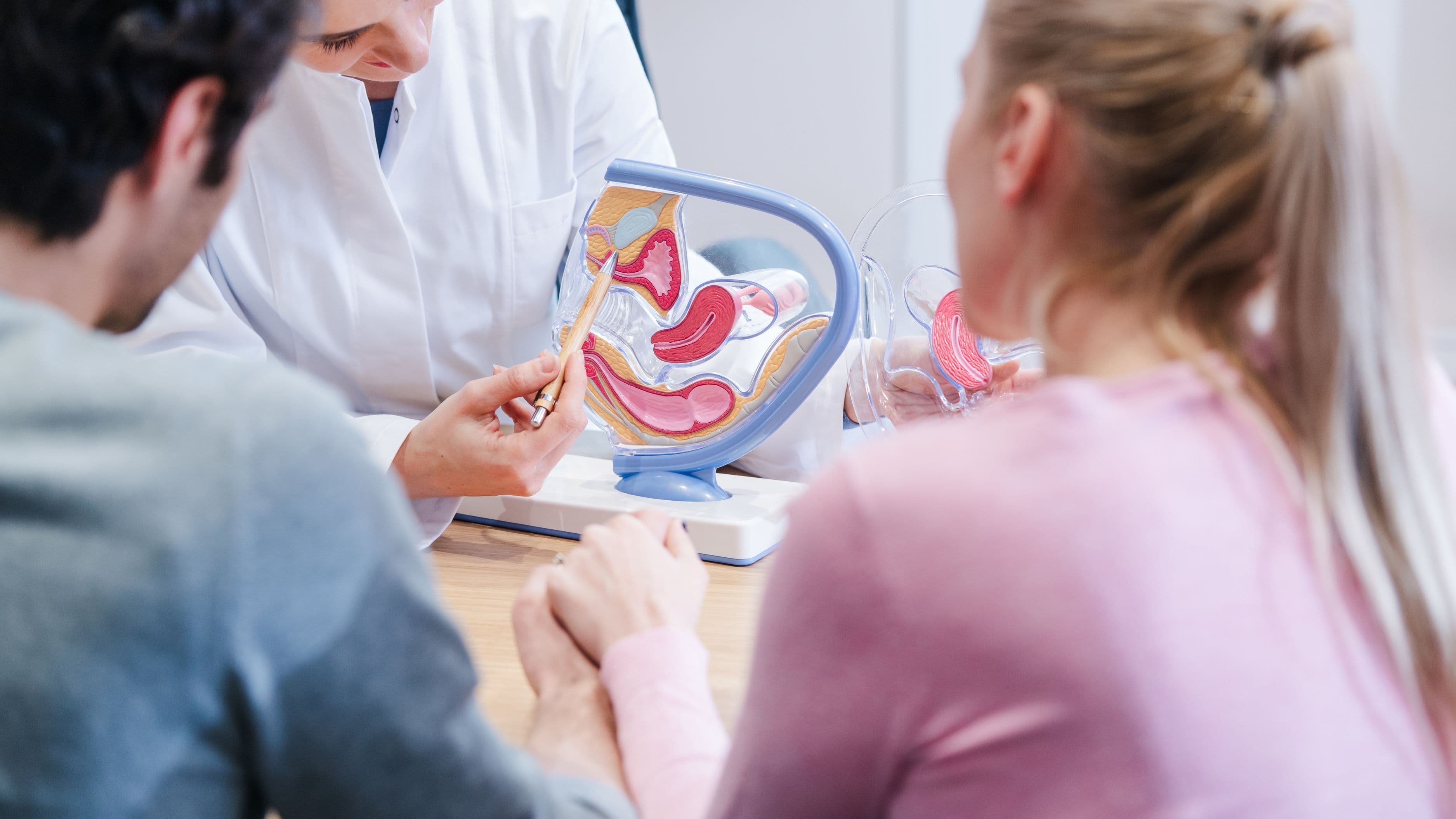
1. PCOS Isn't What the Name Suggests
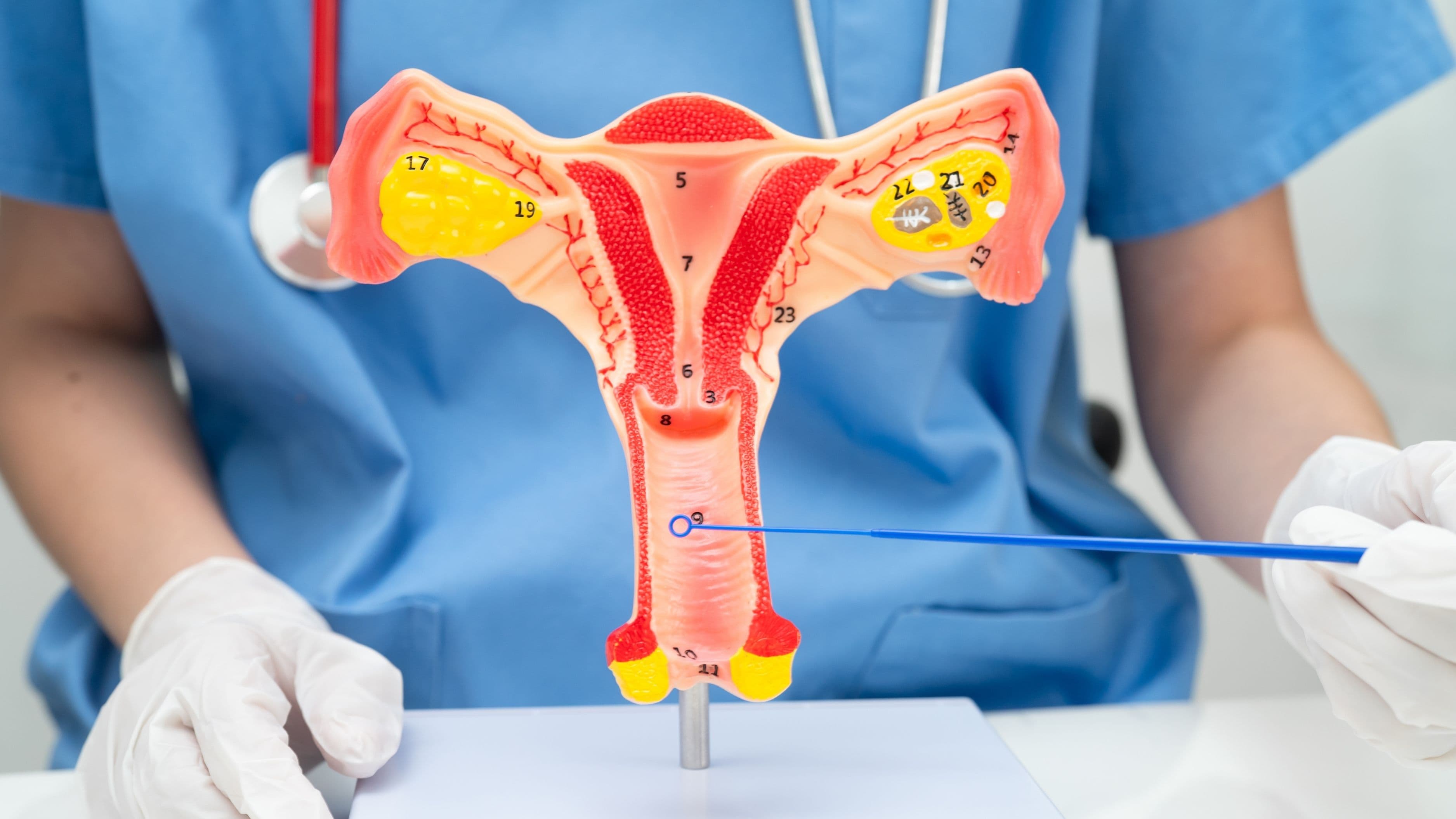
Here's the first thing that trips most people up: despite the word "polycystic" in the name, you don't actually need to have cysts to have PCOS. The "cysts" referred to are actually immature follicles — tiny fluid-filled sacs in the ovaries that haven't fully developed or released an egg the way they're supposed to. They cluster together on the ovary and show up on an ultrasound looking like a string of pearls, but they aren't true cysts in the traditional medical sense. This naming confusion has led to decades of misdiagnosis and a lot of unnecessary fear.
PCOS is fundamentally a hormonal and metabolic disorder, not just an ovarian issue. The root of the problem lies in a hormonal imbalance — specifically, elevated androgens (often called "male hormones," though all bodies produce them) and disrupted insulin signaling. These two forces knock the reproductive system off its rhythm, affecting everything from ovulation to mood to metabolism.
2. The Hormonal Domino Effect
Imagine your endocrine system as an orchestra. When one instrument plays out of tune, the whole symphony shifts. That's what happens in PCOS. Elevated levels of luteinizing hormone (LH) and insulin create a cascade that causes the ovaries to overproduce androgens like testosterone. That excess disrupts the maturation of follicles, which means eggs often don't get released — a process called anovulation.
This hormonal disruption doesn't stay contained to the reproductive system. It ripples outward. Skin becomes oilier, facial or body hair may increase (a condition called hirsutism), and hair on the scalp may thin. For a wellness-oriented person already attuned to what their body is communicating, these physical changes can feel like the body speaking a language it hasn't spoken before — urgent, unfamiliar, and sometimes deeply distressing.
What's equally important to understand is that PCOS looks different in every person. Some women have all the textbook symptoms; others have just one or two. This variability is part of why it takes an average of two years for a woman to receive a proper PCOS diagnosis after first presenting symptoms to a doctor.
3. How Ovulation Gets Interrupted
Fertility depends on one thing happening reliably: ovulation. Each month, a healthy cycle involves a follicle maturing, an egg being released, and — if fertilized — implanting in the uterine lining. In PCOS, this process gets interrupted before it ever reaches the finish line. The follicles begin to develop but stall, never reaching the size needed to trigger ovulation. Without ovulation, there's no egg available to be fertilized.
This leads to irregular or absent periods — one of the hallmark signs of PCOS. Some women with PCOS have cycles that arrive every 35 to 90 days; others may go months without a period at all. While this might seem like a relief on the surface (fewer periods sounds easier), it actually signals that the reproductive system isn't completing its full cycle, which creates challenges for anyone trying to conceive.
The important takeaway here is that irregular ovulation doesn't mean impossible ovulation. Many women with PCOS do ovulate — just unpredictably. This unpredictability is what makes conception feel like chasing something elusive rather than following a clear rhythm.
4. PCOS and Fertility: The Real Picture
PCOS is the leading cause of female infertility, accounting for roughly 70–80% of cases of anovulatory infertility. That's a striking number — but here's what the statistic doesn't tell you: PCOS is also one of the most treatable causes of infertility. This distinction matters enormously. A diagnosis of PCOS is not a closed door; it's a map that helps you understand the terrain.
Many people with PCOS go on to conceive naturally, especially with lifestyle changes that support hormonal balance. Others benefit from medical interventions — everything from ovulation-inducing medications like letrozole or clomiphene to more advanced assisted reproductive technologies (ART) like IVF. The pathway looks different for everyone, and that's okay. What matters is having accurate information and a healthcare team that actually listens.
It's also worth knowing that pregnancy with PCOS carries some additional considerations, including a slightly higher risk of gestational diabetes (linked to insulin resistance), preeclampsia, and preterm birth. These risks are manageable and don't mean pregnancy isn't possible — they simply mean that informed, attentive prenatal care becomes even more valuable.
5. The Insulin Resistance Connection
One of the most underappreciated aspects of PCOS is how deeply it's tied to insulin resistance. Somewhere between 65–70% of women with PCOS have some degree of insulin resistance, meaning their cells don't respond efficiently to insulin. The body compensates by producing more insulin, and that excess insulin signals the ovaries to produce more androgens — and round and round the cycle goes.
This connection explains why lifestyle factors like nutrition and movement can have such a profound effect on PCOS symptoms. A diet that keeps blood sugar stable — think whole foods, fiber, protein, and healthy fats rather than blood sugar spikes from refined carbs — can help reduce insulin levels and, in turn, ease some of the hormonal disruption at the root of PCOS. This isn't about restriction or following a rigid wellness trend. It's about nourishing your body in a way that works with your biology rather than against it.
Exercise plays a similarly powerful role. Strength training and moderate aerobic activity have been shown to improve insulin sensitivity, support a healthy weight, and even improve menstrual regularity in women with PCOS. Even small, consistent movement — a daily walk, a gentle yoga flow — can shift the internal environment in meaningful ways.
6. The Emotional Weight Nobody Talks About
Living with PCOS isn't just a physical experience — it's an emotional one, too. The unpredictability of your cycle, the changes in your body you didn't invite, the uncertainty around fertility — these things accumulate. Research shows that women with PCOS have significantly higher rates of anxiety and depression than the general population. Some studies suggest the prevalence of depression among women with PCOS may be nearly three times higher than in those without it.
This isn't weakness. It's a physiological reality — hormonal imbalances genuinely affect mood and neurological function, and the emotional toll of navigating a chronic condition while trying to live your full life is real and valid. If you're part of a community like Harmony Hub that values intentional living and inner wellbeing, then tending to the emotional landscape of PCOS is just as important as the physical.
Mindfulness practices — journaling, breathwork, somatic movement, meditation — aren't just coping strategies. They're tools that actively lower cortisol, reduce inflammation, and support hormonal regulation. Bringing your whole self to the healing process, not just your symptoms, is where genuine restoration lives.
7. Getting a Diagnosis: What to Expect
If you suspect PCOS, the first step is an honest conversation with your doctor or OB-GYN. A diagnosis is typically made using the Rotterdam criteria, which requires at least two of the following three factors to be present: irregular or absent ovulation, elevated androgen levels (confirmed via blood test or symptoms), and polycystic ovaries visible on ultrasound. Other conditions — like thyroid disorders or hyperprolactinemia — need to be ruled out first, which is why blood work is an important part of the process.
Don't be discouraged if you need to advocate for yourself. Many women describe being dismissed or told that irregular periods are "normal for some people." Trust your body. If something feels off, pursue answers. A second opinion is always a reasonable choice, and a reproductive endocrinologist can offer a deeper level of specialized care if your GP isn't familiar with the nuances of PCOS.
Being diagnosed is not the end of anything. It's actually the beginning of having language for what you've been experiencing — and with language comes the ability to make informed, empowered choices.
8. Paths Forward: Treatment and Hope
There is no single cure for PCOS, but there are many ways to manage it effectively — and the options have expanded considerably in recent years. For those not currently trying to conceive, hormonal birth control is often prescribed to regulate cycles and reduce androgen symptoms. Metformin, an insulin-sensitizing medication traditionally used for type 2 diabetes, is commonly used to address the metabolic component of PCOS.
For those actively trying to conceive, treatment typically starts with lifestyle optimization, then moves to ovulation induction if needed. Letrozole (an aromatase inhibitor) has now overtaken clomiphene as the preferred first-line medication for inducing ovulation in PCOS, with strong success rates for many women. Injectable gonadotropins and IUI (intrauterine insemination) are next-tier options, followed by IVF for cases that require more intensive support.
Complementary approaches — acupuncture, herbal support (like inositol, which has shown promising results for improving insulin sensitivity and ovulation in PCOS), and anti-inflammatory nutrition — are increasingly being explored alongside conventional medicine. The most effective approach tends to be an integrative one: working with your body, honoring its rhythms, and layering support from multiple directions.
Coming Home to Your Body
PCOS asks something profound of the people who live with it: it asks you to pay attention. Not in a fearful, hypervigilant way — but in a curious, compassionate way. Your body is not broken. It is navigating a hormonal environment that modern life — with its chronic stress, processed food, and sleep deprivation — often makes harder to balance. And it is doing so while carrying the emotional weight of uncertainty, comparison, and the pressure to have it all figured out.
What would it feel like to approach your body not as something to fix, but as something to understand? To let your healing journey be one of relationship rather than warfare? PCOS is complex, yes. But so are you — and you are more than a diagnosis. The path forward is rarely straight, but it exists. And you don't have to walk it alone.
📚 Sources
Bozdag, G., Mumusoglu, S., Zengin, D., Karabulut, E., & Yildiz, B. O. (2016). The prevalence and phenotypic features of polycystic ovary syndrome: a systematic review and meta-analysis. Human Reproduction, 31(12), 2841–2855. https://doi.org/10.1093/humrep/dew218
Teede, H. J., Misso, M. L., Costello, M. F., et al. (2018). Recommendations from the international evidence-based guideline for the assessment and management of polycystic ovary syndrome. Human Reproduction, 33(9), 1602–1618. https://doi.org/10.1093/humrep/dey256
Dokras, A., Stener-Victorin, E., Yildiz, B. O., et al. (2018). Androgen Excess- Polycystic Ovary Syndrome Society: position statement on depression, anxiety, quality of life, and eating disorders in polycystic ovary syndrome. Fertility and Sterility, 109(5), 888–899. https://doi.org/10.1016/j.fertnstert.2018.01.038
Legro, R. S., Arslanian, S. A., Ehrmann, D. A., et al. (2013). Diagnosis and treatment of polycystic ovary syndrome: an Endocrine Society clinical practice guideline. Journal of Clinical Endocrinology & Metabolism, 98(12), 4565–4592. https://doi.org/10.1210/jc.2013-2350
Moran, L. J., Hutchison, S. K., Norman, R. J., & Teede, H. J. (2011). Lifestyle changes in women with polycystic ovary syndrome. Cochrane Database of Systematic Reviews. https://doi.org/10.1002/14651858.CD007506.pub3