Outdoor education isn't a new idea, but it's having a meaningful resurgence at a moment when children are spending more time indoors than any generation before them. The research behind it has grown substantially over the past two decades, and what it consistently shows is that time spent learning in, through, and from the natural world doesn't just benefit children academically – it shapes them in ways that stay with them long after the lesson is over.
If you're a parent trying to make more intentional choices about how your child grows and learns, understanding what outdoor education actually offers is a good place to start.
What Outdoor Education Actually Means
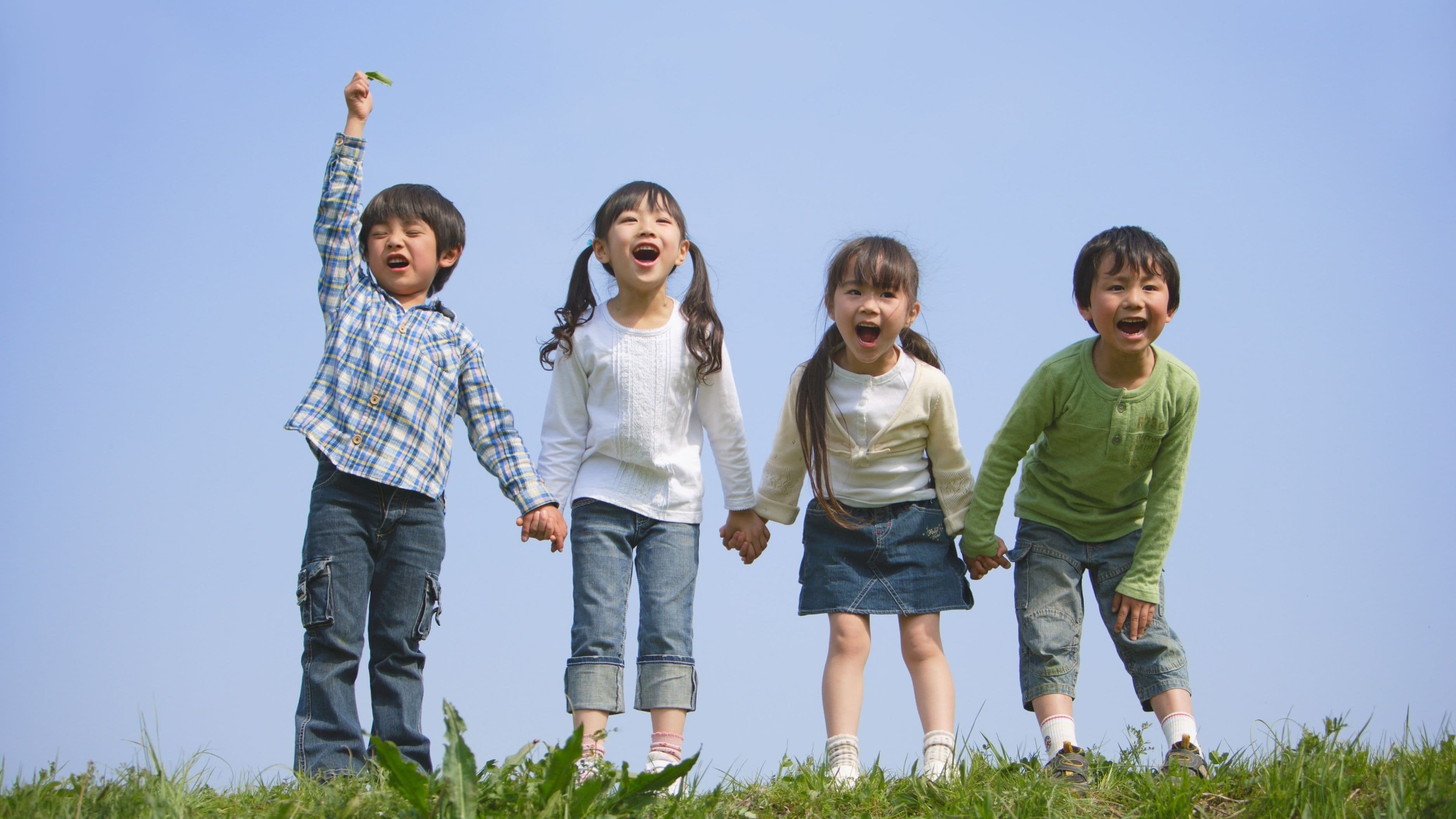
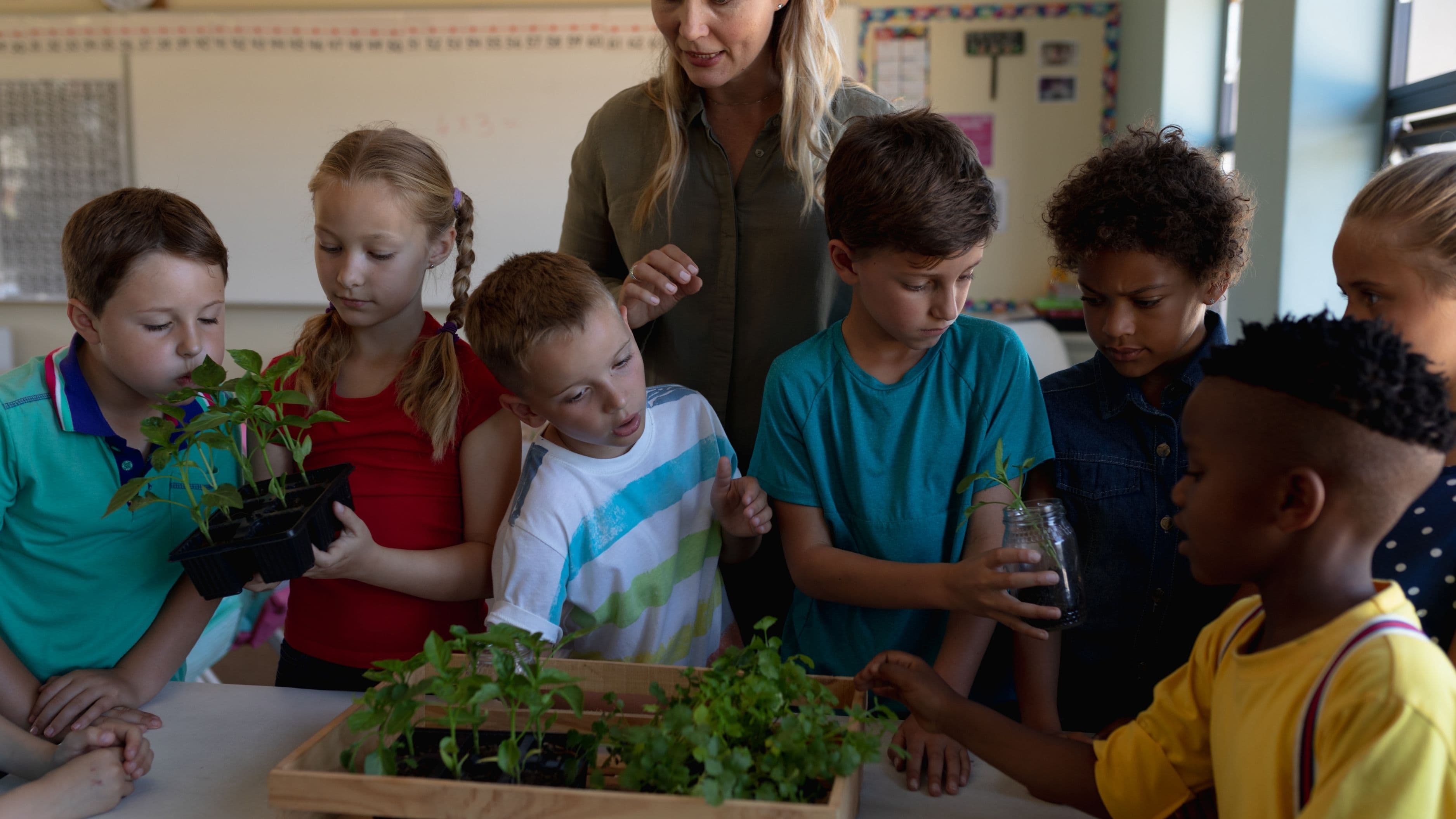
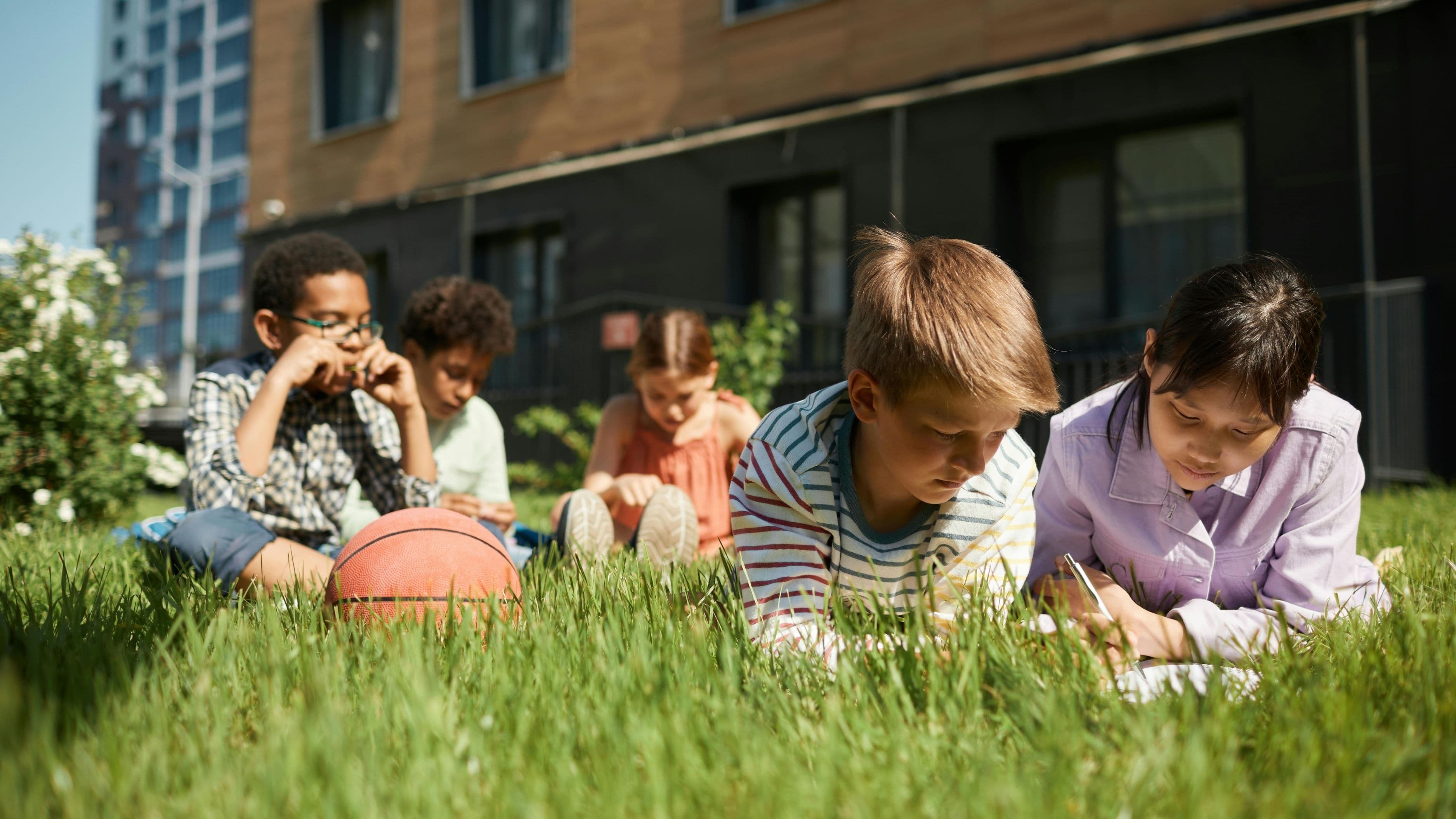
Outdoor education is a broad term that covers a range of intentional learning experiences in natural or outdoor settings. It can look like a forest school where children spend most of their day outside in all weather, a weekly nature walk woven into a school curriculum, a family camping trip approached with curiosity and reflection, or simply a consistent practice of letting your child explore a garden, park, or wild space with minimal interference.
What distinguishes outdoor education from just playing outside is the intentionality behind it – the idea that the natural environment is itself a teacher, and that children learn in qualitatively different ways when they're embedded in it rather than observing it from a distance. The outdoor setting doesn't replace conventional learning; it expands what's possible by engaging children through direct experience, sensory input, physical challenge, and genuine encounter with the living world.
How It Shapes a Child's Development
Physical Development and Sensory Integration
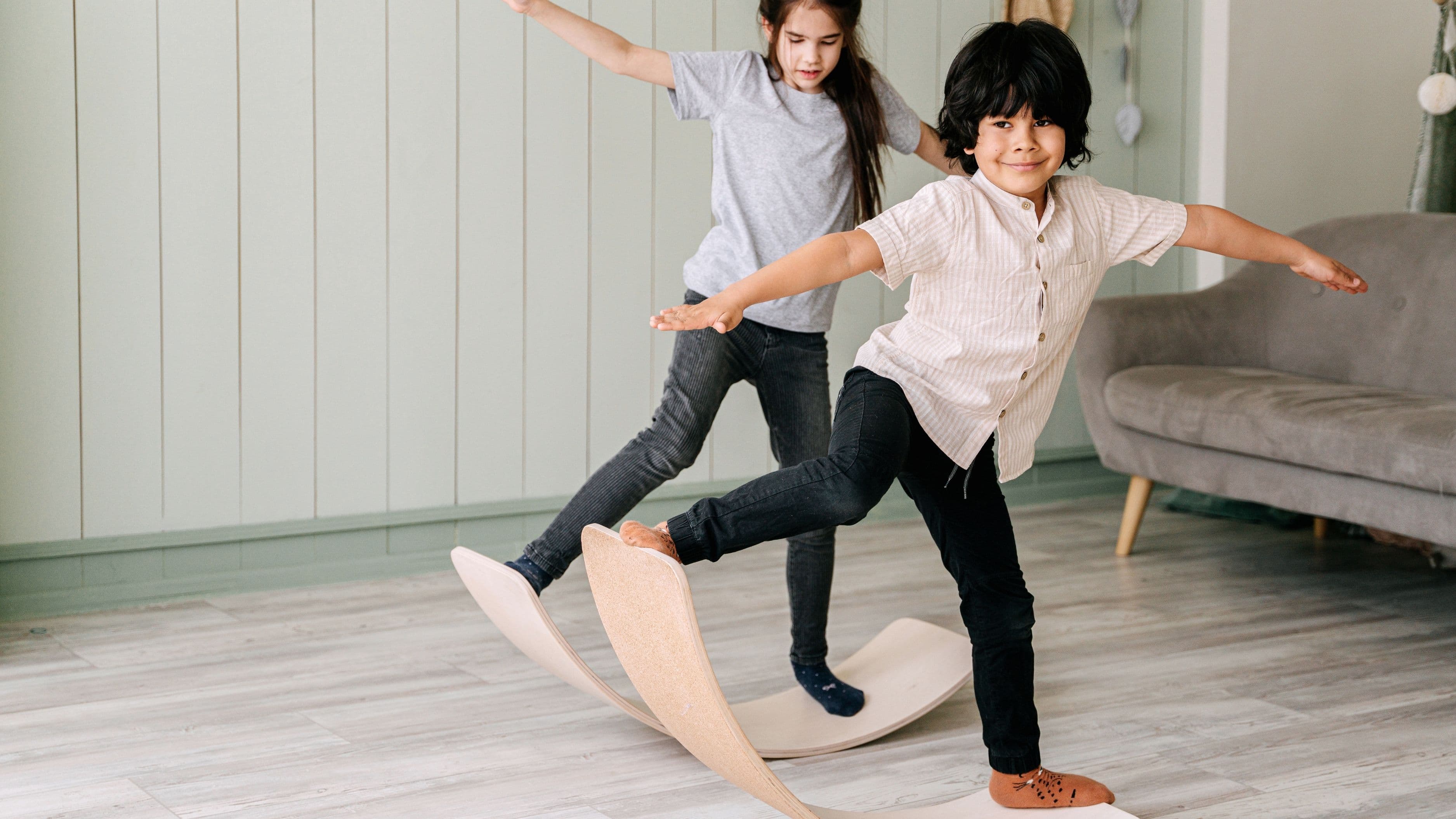
The outdoors demands full-body participation in a way that indoor environments rarely do. Climbing, balancing, jumping, carrying, digging – these aren't just activities, they're the raw material of physical development. Children who spend regular time in natural settings tend to develop stronger gross motor skills, better balance and coordination, and greater physical confidence than those whose movement is primarily restricted to structured indoor spaces.
There's also something more subtle happening at the sensory level. Natural environments are rich with varied textures, sounds, smells, and visual information that stimulate the nervous system in ways that indoor, screen-heavy environments don't. Occupational therapists have long recognized that outdoor time plays a significant role in sensory integration – the brain's ability to process and organize sensory information effectively. For children who are sensory-seeking or who struggle with sensory regulation, time outdoors is often genuinely therapeutic, not just pleasant.
Emotional Regulation and Resilience
One of the most consistent findings in outdoor education research is its positive effect on emotional wellbeing and the capacity for self-regulation. Nature provides a kind of calm stimulation that's been shown to reduce cortisol levels – the body's primary stress hormone – in children and adults alike. It's not that the outdoors is without challenge; it's that the challenges it presents are proportionate, real, and deeply satisfying to work through.
When a child navigates a muddy trail, figures out how to cross a stream, or manages the discomfort of cold fingers on a winter morning, they're building what researchers call "productive resilience" – the capacity to tolerate difficulty without becoming overwhelmed. This is meaningfully different from resilience built through academic pressure or competitive environments, because the child is developing it through their own agency and physical experience rather than through external demands.
Cognitive Development and Focused Attention
Spending time in natural environments has been shown to restore what psychologists call "directed attention" – the effortful, focused concentration that academic tasks require. The theory, developed by Rachel and Stephen Kaplan at the University of Michigan, is that natural settings engage what they called "involuntary attention" – the kind that's drawn in without effort by interesting, ever-changing stimuli. This allows the directed attention system to rest and recover, which improves a child's ability to focus when they return to more demanding cognitive tasks.
In practical terms, this is one reason why schools that incorporate regular outdoor time often see improvements in classroom behavior and academic engagement rather than the losses in instructional time that skeptics predict. A child who has spent 45 minutes exploring a forest is often better able to sit, focus, and think than one who has been at a desk for the same period. The outdoors isn't competing with learning – it's making it more possible.
Social Skills and Cooperative Play
Natural environments tend to flatten social hierarchies in ways that classrooms and structured playgrounds don't. When children are given open space and natural materials to work with – sticks, stones, mud, water – they self-organize into collaborative projects that require negotiation, communication, and shared problem-solving. There's no pre-set right answer to how to build a dam, create a shelter, or navigate a trail together.
This kind of unstructured cooperative play is increasingly rare in children's lives, and its absence has measurable effects on social development. Outdoor education creates the conditions for children to practice the interpersonal skills that can't be taught through instruction – reading social cues, managing conflict, leading and following appropriately, and sustaining a shared goal over time. These are the skills that tend to determine how well a child does in relationships and collaborative work long into adulthood.
Connection to the Natural World and Environmental Awareness
There's a term coined by biologist E.O. Wilson – "biophilia" – that describes the innate human tendency to seek connections with other living systems. Children are naturally biophilic. They're drawn to insects, animals, growing things, weather, water. Outdoor education nurtures that connection rather than letting it atrophy through neglect.
Children who develop a genuine relationship with the natural world during their early years are significantly more likely to care about its wellbeing as they grow. Environmental awareness isn't primarily built through lessons about climate change or recycling – it's built through direct, embodied experience of the living world. When a child has watched a caterpillar become a butterfly, tracked where the creek goes after heavy rain, or noticed which plants the bees prefer, environmental stewardship becomes personal rather than abstract.
How to Bring More Outdoor Learning into Your Child's Life
You don't need to enroll in a forest school or move to the countryside to offer your child meaningful outdoor education. Much of what matters can happen in small, consistent doses – in a backyard, a nearby park, or a local nature reserve.
Start by carving out time that's genuinely unstructured. The most developmentally valuable outdoor time isn't a scheduled nature walk with a guided activity – it's open time in which your child has the freedom to direct their own attention. This can feel uncomfortable for parents who are used to facilitating, but resist the urge to fill the space. The boredom that sometimes arises at the beginning is often the gateway to genuine exploration.
Follow your child's curiosity rather than your own agenda. If they want to spend thirty minutes watching ants move around a crack in a path, let them. That sustained focus, that patience, that careful observation – these are exactly the capacities outdoor education builds, and they develop through the child's own engagement rather than through direction.
Gradually introduce a little more challenge. This might mean choosing a slightly longer or steeper trail, encouraging your child to navigate a rocky section independently, or camping somewhere slightly more wild than a managed campsite. The goal isn't to push beyond their genuine edge, but to allow them to discover that their edge is farther than they thought.
Make weather unremarkable. Children in Scandinavian forest schools operate on the principle that there is no bad weather, only bad clothing. When getting wet or cold is treated as a normal part of being outside rather than a problem to be avoided, children stop seeing weather as a barrier and start seeing it as an interesting variable. That shift in perspective – small as it sounds – is meaningful.
What to Be Mindful Of
Outdoor education works best when it's free of pressure to perform or produce. If every nature walk becomes an opportunity to quiz your child on plant names or turn observations into a workbook exercise, you risk undermining the intrinsic motivation that makes outdoor learning so powerful. Let the outdoors be a place where your child can simply be curious without evaluation.
It's also worth being honest about screen time. The research on nature and attention restoration specifically points to the problem of what researchers call "mental fatigue" caused by overstimulating, demand-heavy digital environments. If outdoor time is squeezed between long stretches of screen use, the restorative benefit is reduced. This doesn't mean eliminating screens – it means being intentional about the rhythm of a child's day, and making sure outdoor time gets protected space rather than what's left over.
Finally, remember that outdoor education isn't about grand adventures. A weekly trip to the same local park, visited in different seasons and weathers, offers more developmental continuity than sporadic, event-style nature experiences. Consistency matters more than magnitude.
FAQ
At what age can outdoor education begin? From birth, essentially. Babies benefit from time outdoors through fresh air, natural light, and varied sensory stimulation. Toddlers are in a natural developmental phase of sensory exploration that the outdoors supports beautifully. The more intentional aspects of outdoor learning build from preschool age onward, but there's no lower limit.
Do I need to know a lot about nature to guide my child? Not at all. One of the gifts of outdoor education is that it positions adults and children as co-explorers rather than teacher and student. You can model curiosity simply by asking questions alongside your child: "I wonder what that is. Let's find out." Not knowing the answer is perfectly fine – and often more instructive than knowing it.
Is outdoor education better than conventional schooling? It's not an either/or. The evidence suggests that outdoor learning complements and enhances conventional education rather than replacing it. Children who get regular, meaningful outdoor time tend to do better academically, not worse. Many of the most progressive schools integrate outdoor learning throughout their curriculum precisely because of this.
What if I live in an urban area with limited access to nature? Urban outdoor education is entirely possible. City parks, street trees, window boxes, community gardens, rooftop spaces, and even the sky overhead offer genuine opportunities for nature connection and outdoor learning. Research consistently shows that even small doses of natural elements – a tree, a patch of soil, a view of the sky – have measurable positive effects on children's wellbeing and cognition.
How do I know if outdoor education is having an effect? You're unlikely to see dramatic changes immediately, and that's not what to look for. What tends to emerge gradually is a child who is more confident in their body, more patient with difficulty, more interested in the living world, and more capable of self-directed focus. These shifts happen slowly, but they're durable.
📚 Sources
American Academy of Pediatrics – The Importance of Play in Promoting Healthy Child Development: https://publications.aap.org/pediatrics/article/119/1/182/70699/The-Importance-of-Play-in-Promoting-Healthy-Child
Stanford University – Nature experience reduces rumination and subgenual prefrontal cortex activation: https://www.pnas.org/doi/10.1073/pnas.1510459112
University of Michigan – Attention Restoration Theory (Kaplan & Kaplan): https://lsa.umich.edu/psych/news-events/all-news/faculty-news/attention-restoration-theory.html
Children & Nature Network – Research Summary: Children's Contact with the Outdoors and Nature: https://www.childrenandnature.org/research/children-contact-outdoors-and-nature/
NAEYC – Learning Outdoors: The Benefits of Outdoor Education: https://www.naeyc.org/resources/pubs/yc/may2018/benefits-of-nature
Harvard Health Publishing – Sour mood getting you down? Get back to nature: https://www.health.harvard.edu/mind-and-mood/sour-mood-getting-you-down-get-back-to-nature
Journal of Environmental Psychology – Nature and Children's Well-Being (Meta-analysis): https://www.sciencedirect.com/journal/journal-of-environmental-psychology
Forest School Association UK – What is Forest School?: https://www.forestschoolassociation.org/what-is-forest-school/
Richard Louv – Last Child in the Woods (Nature Deficit Disorder): https://richardlouv.com/books/last-child/
Zero to Three – Nature Play and Learning for Young Children: https://www.zerotothree.org/resource/nature-play-and-learning/