The good news is that shopping for organic food thoughtfully – not perfectly, but thoughtfully – is genuinely doable without blowing your grocery budget. It just requires a slightly different approach than the way most people currently shop.
Start With the Dirty Dozen (Not Everything)
The single most useful thing you can do to shop smarter is learn which produce items carry the highest pesticide loads and prioritize organic for those specifically. The Environmental Working Group publishes an annual list called the Dirty Dozen – the twelve fruits and vegetables consistently found to have the highest pesticide residue when grown conventionally.
As of the most recent update, the list includes strawberries, spinach, kale and collard greens, peaches, pears, nectarines, apples, grapes, bell and hot peppers, cherries, blueberries, and green beans. Buying organic versions of these items gives you the most meaningful health benefit per dollar spent. For everything else on your list, conventional produce is generally fine – especially for items with thick skins you don't eat, like avocados, onions, pineapples, and sweet corn.
This one reframe – organic where it matters most, conventional where it doesn't – can reduce your organic spending significantly while still getting the bulk of the benefit. You don't need to buy everything organic to make a meaningful difference.
Know the Clean Fifteen Too
On the other side of the EWG's research is the Clean Fifteen: the produce items found to have the lowest pesticide residue when grown conventionally. This list typically includes avocados, sweet corn, pineapple, onions, papaya, asparagus, frozen sweet peas, honeydew melon, kiwi, cabbage, mushrooms, mangoes, sweet potatoes, watermelon, and carrots.
Buying conventional versions of these items means you're not sacrificing meaningful health benefits to save money – you're just shopping strategically. When you stop treating organic as an all-or-nothing proposition, the budget pressure eases considerably.
Buy in Bulk for Pantry Staples
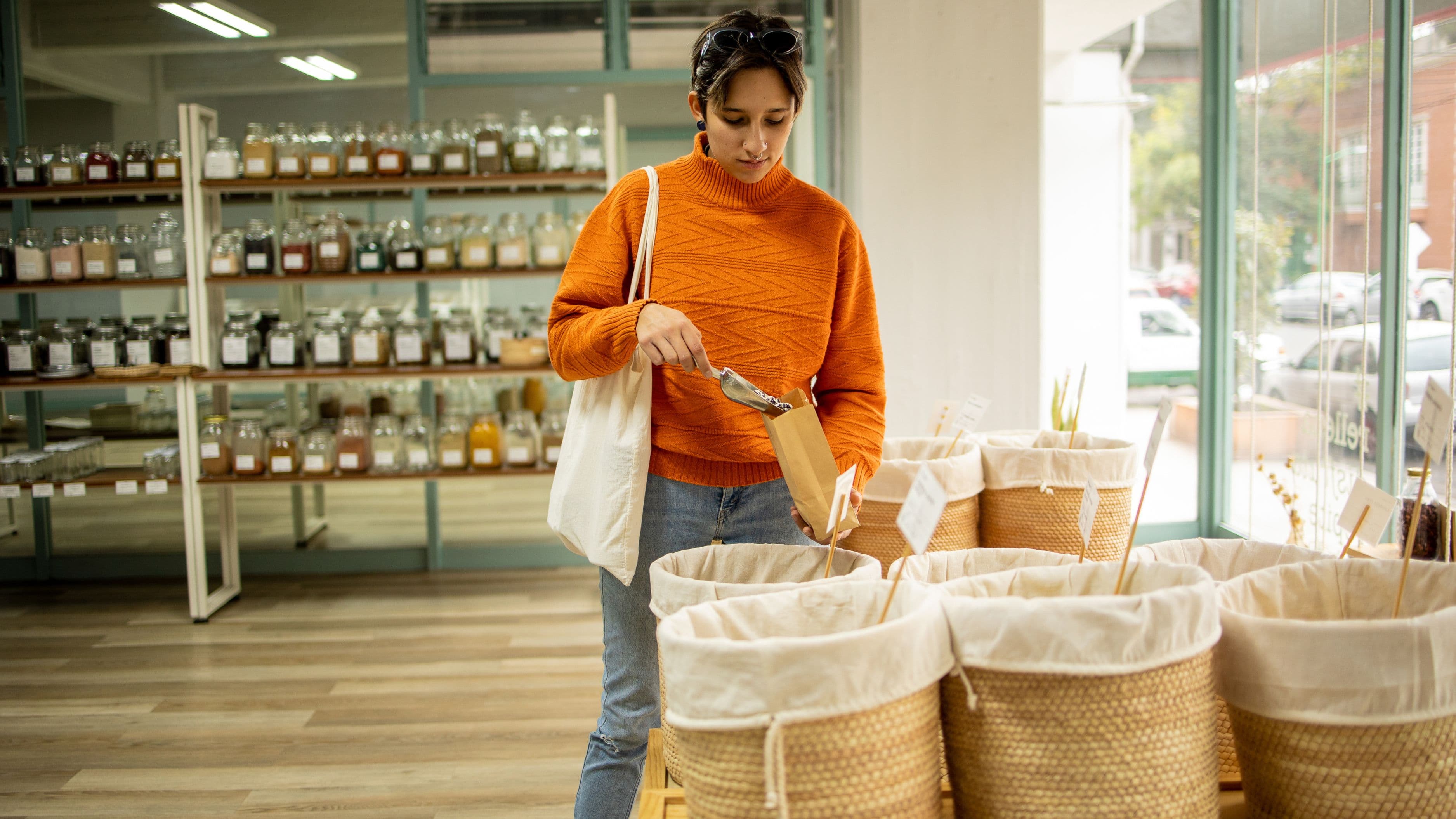
Organic produce gets most of the attention, but your pantry staples – oats, rice, beans, lentils, flour, nuts, seeds, and dried fruit – are often where organic buying actually makes the most financial sense. Why? Because you can buy them in bulk, the organic premium per unit is smaller, and they don't go bad quickly, so there's no waste.
Stores like Whole Foods, Sprouts, and many co-ops have bulk sections where organic oats, quinoa, and legumes can cost less per pound than their pre-packaged conventional counterparts at a regular grocery store. If you have a bulk store near you, building your pantry this way is one of the most cost-effective shifts you can make. Buying a large bag of organic rolled oats once a month costs a fraction of what a small branded organic cereal box costs per serving.
Frozen Organic Produce Is Just as Nutritious
Fresh organic produce can be expensive – especially out of season, when it's traveled far and the quality often isn't even that good anyway. Frozen organic vegetables and fruit are picked at peak ripeness and frozen immediately, which means their nutritional profile is often comparable to or better than fresh produce that's been sitting in transit for days.
Frozen organic spinach, peas, broccoli, berries, and edamame are widely available and significantly cheaper than their fresh organic equivalents. For anything that's going into a smoothie, a soup, a stir-fry, or a cooked dish, frozen works just as well and wastes far less. Keeping a well-stocked freezer with a few organic staples is a simple habit that quietly supports both your health and your budget.
Shop Seasonally
Organic produce is cheapest when it's in season locally. The price difference between in-season and out-of-season organic can be dramatic – organic strawberries in June at a farmers market are a fraction of the cost of organic strawberries imported in January. Eating more closely to the season isn't a radical lifestyle shift; it just means letting what's available and affordable guide what you cook rather than the other way around.
A simple way to do this is to check what's on sale in the organic section of your store each week and plan meals around that, rather than planning meals first and then finding the ingredients. It's a small inversion of the usual approach, but it changes the experience from expensive to genuinely manageable.
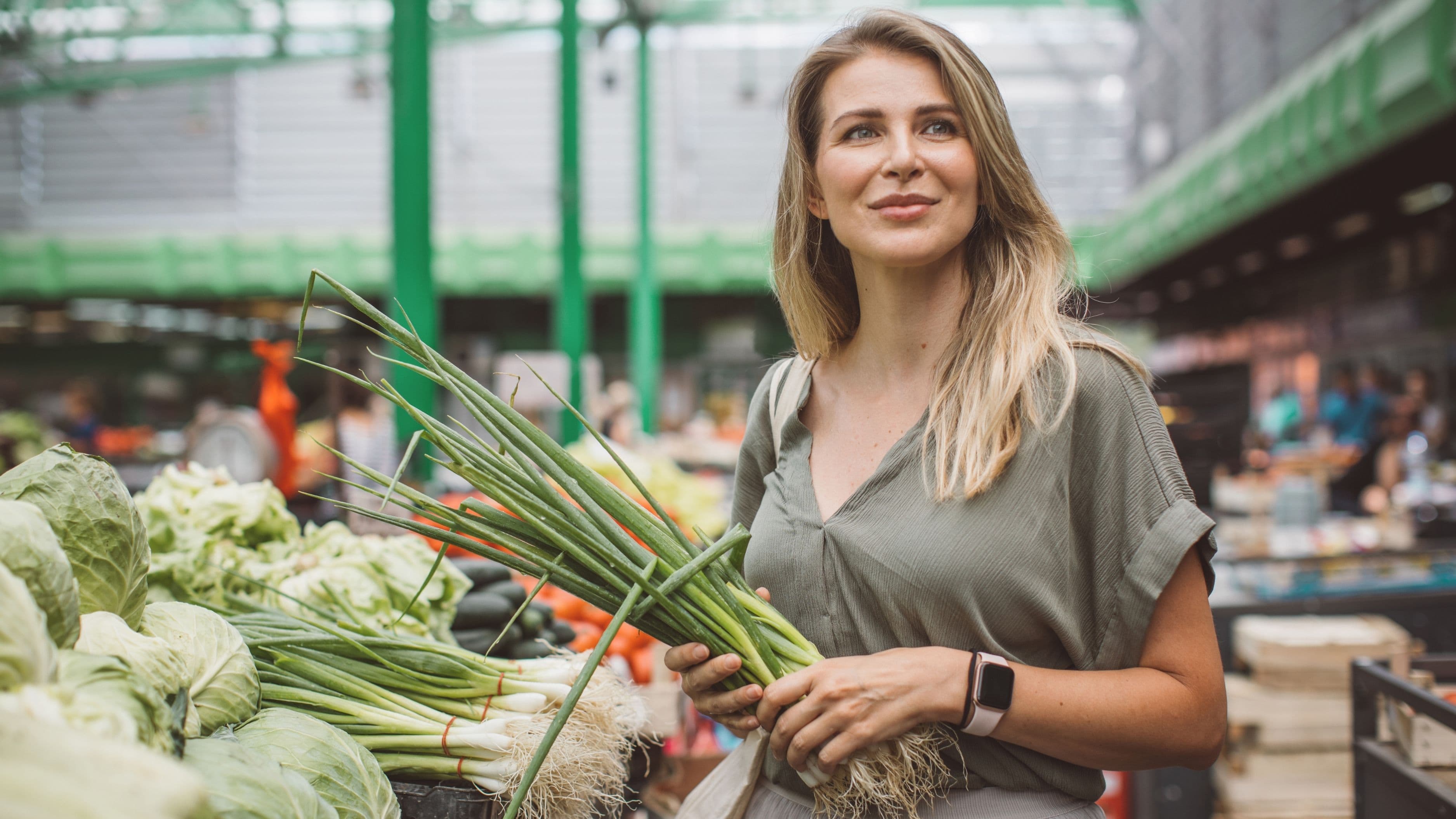
Farmers Markets Are Often Cheaper Than You Think
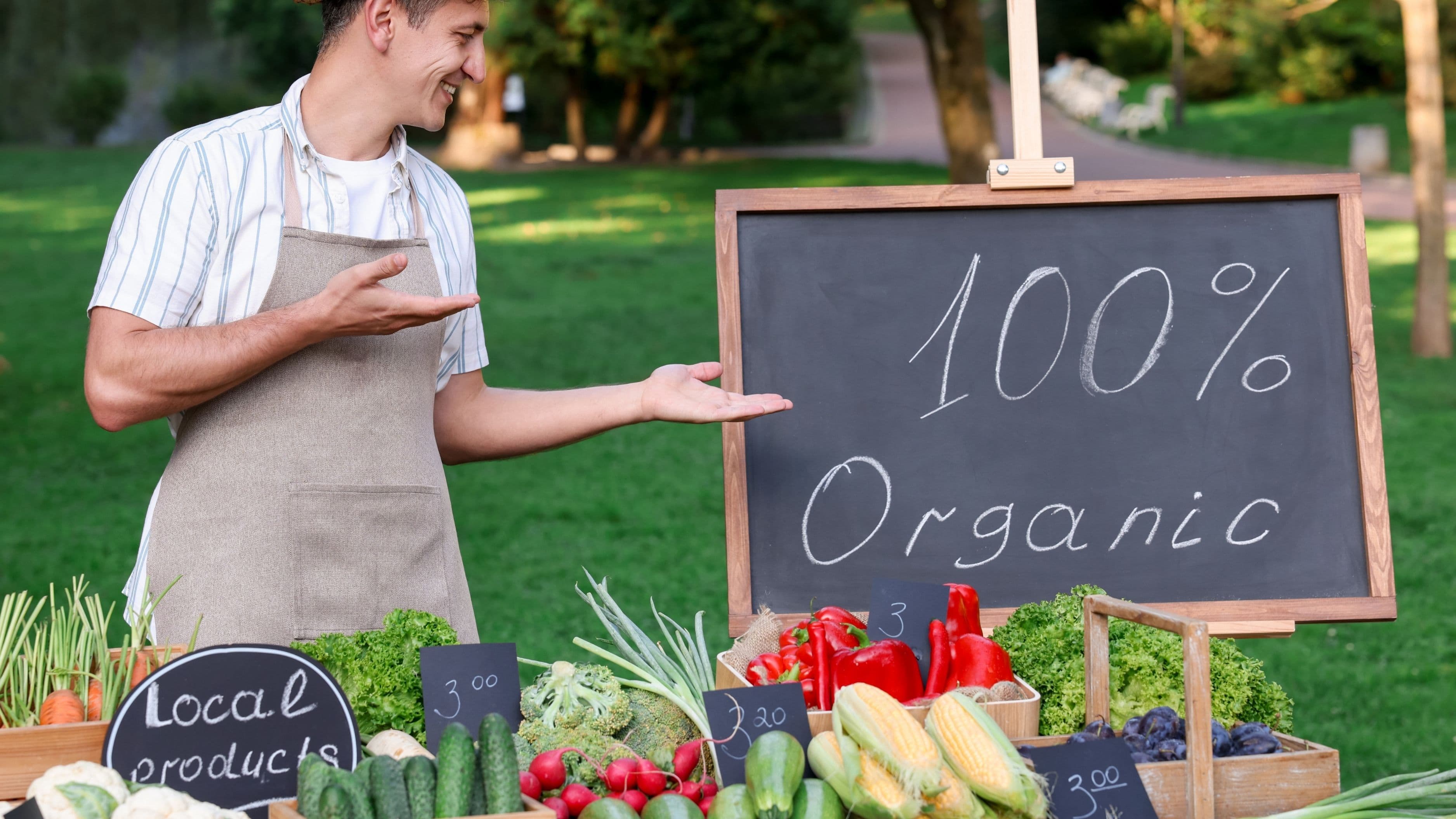
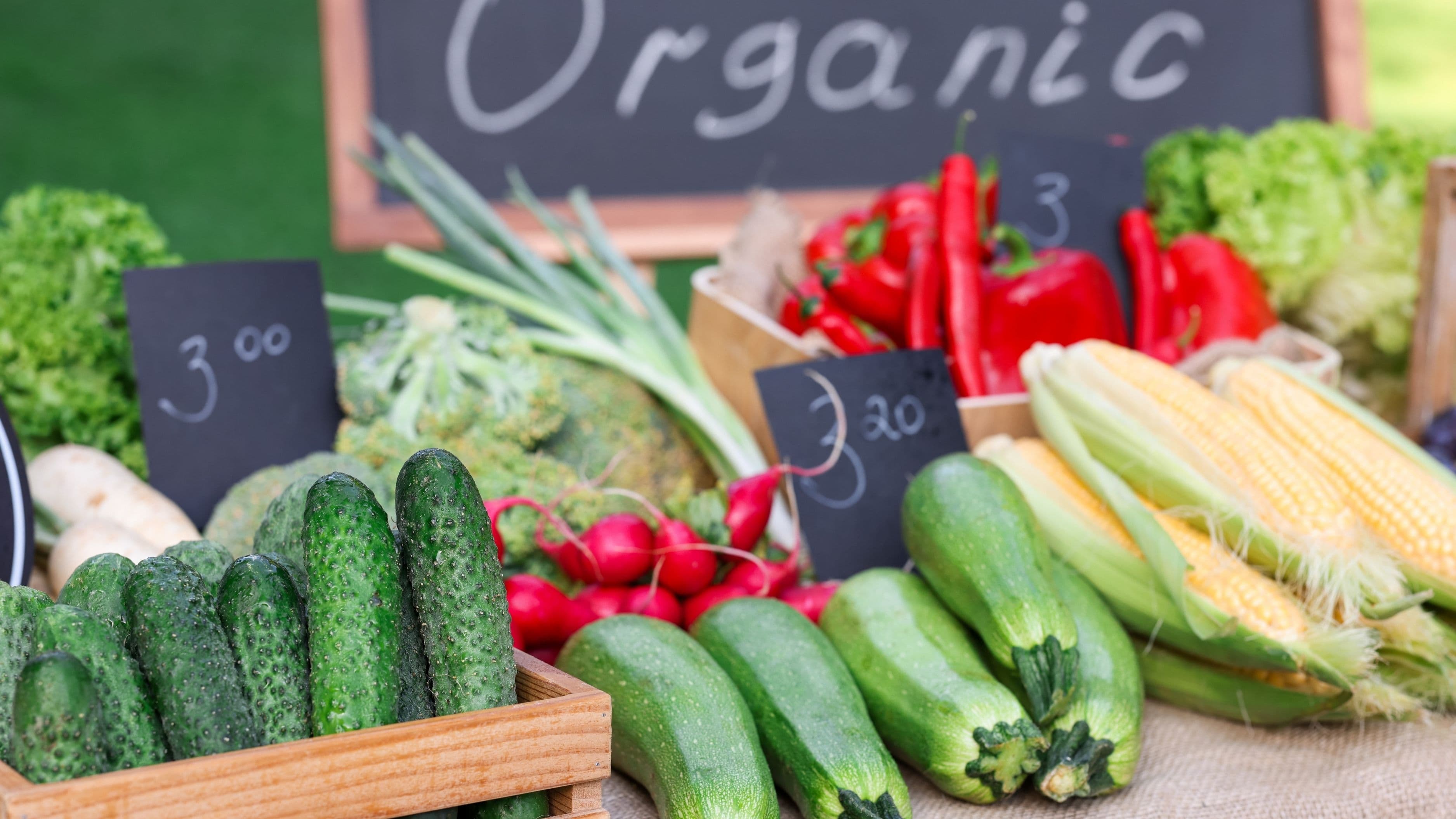
There's a common assumption that farmers markets are premium experiences for people with generous food budgets. In reality, many small local farms grow their produce using organic practices but haven't pursued USDA certification because the certification process is expensive and time-consuming for small operations. Their produce may be just as clean as certified organic – sometimes cleaner – without the certified label and the price that comes with it.
Showing up toward the end of a farmers market is also a practical strategy. Vendors who would otherwise pack up unsold produce are often willing to sell at reduced prices in the final hour or two. You get fresh, local food at a discount; they don't have to bring it home. Going regularly also helps – building a relationship with vendors often means better prices and first access to what's freshest.
Use Store Brands and Sales
Most major grocery chains now carry their own organic store brand lines, which are consistently priced lower than name-brand organic products. Whole Foods' 365 brand, Costco's Kirkland organic range, Aldi's Simply Nature line, and Trader Joe's organic offerings are all examples of store-brand organic products that compete well on quality without the brand markup.
Organic items also go on sale just like conventional ones – and when they do, buying a few extra (especially for pantry staples or items that freeze well) is an easy way to stock up at a better price. Keeping a loose mental note of the regular price of your most-used organic items helps you recognize when something is genuinely a good deal versus when it's normal pricing with a sale tag.
Community Supported Agriculture (CSA) Boxes
A CSA subscription connects you directly with a local farm, where you pay upfront at the start of the growing season and receive a weekly box of whatever the farm is harvesting. Many CSA farms are certified organic or operate using organic practices, and the cost per pound of produce is typically much lower than retail organic pricing.
The trade-off is that you don't choose what arrives – you get what's in season and growing well that week. For some people, that constraint feels inconvenient; for others, it becomes a creative weekly challenge that makes cooking feel more like an adventure and less like a chore. If your household tends to eat a varied diet and you're open to some flexibility in what you cook week to week, a CSA is one of the best organic values available in most regions.
What to Avoid
Buying organic packaged and processed foods is where organic shopping most easily becomes expensive without providing proportionate benefit. Organic cookies, chips, crackers, and frozen meals carry significant markups and are still, at their core, processed foods. The organic label improves the ingredient quality marginally but doesn't change the fundamental nutritional profile. If budget is a concern, prioritize organic for whole foods – especially produce, eggs, and dairy – and buy conventional versions of processed snacks, or reduce them altogether.
Avoiding food waste is also one of the most underrated aspects of organic shopping on a budget. Organic food that you throw away is the most expensive food you buy. Getting into the habit of planning meals loosely before shopping, storing produce properly, and using odds and ends in soups, scrambles, or stir-fries before they turn removes a lot of the hidden cost that people attribute to organic shopping.
A Realistic Way to Transition
If shifting to more organic buying feels overwhelming, the gentlest approach is to start with just one category. Spend one month buying only organic versions of the top five Dirty Dozen items you regularly eat. Notice whether the budget impact is significant or manageable. Then, if it feels sustainable, add one more category – perhaps organic dairy, or organic eggs, both of which tend to make a meaningful difference in quality and are available at reasonable prices in most stores.
Progress over perfection applies here as much as anywhere. Eating mostly whole, minimally processed foods – some organic, some not – is vastly better than either extreme of buying everything organic unsustainably or dismissing the whole idea because it feels too expensive to do right.
FAQ
Is organic food actually worth the higher price? For certain items – especially those on the Dirty Dozen list – research suggests a meaningful difference in pesticide exposure. For others, the difference is negligible. The approach of buying strategically (organic for high-residue items, conventional for low-residue ones) gives you most of the benefit at a fraction of the cost of buying everything organic.
Does "natural" mean the same thing as "organic" on a label? No. "Natural" is an unregulated marketing term with no legal standard. Only the USDA Certified Organic label carries regulated meaning – it requires that produce be grown without synthetic pesticides, herbicides, or fertilizers, and that animals be raised without hormones or routine antibiotics.
Is Costco a good place to buy organic food? Yes, especially for families or households that consume a lot of staples. Costco's Kirkland brand organic offerings – olive oil, canned goods, nuts, dairy, eggs, and frozen items – are among the best organic value available in retail. The quantities are large, so it works best for items you use regularly before they expire.
Are organic eggs and dairy worth the cost? Many nutritionists and food researchers consider organic dairy and eggs one of the higher-value organic purchases, since residues and additives in conventionally raised animals can transfer through animal products. Pasture-raised and organic eggs in particular tend to have different nutritional profiles than conventional eggs. Whether the premium is worth it depends on how much of your diet comes from these foods.
What's the best app or tool for finding organic food deals? Flipp aggregates weekly sale flyers from grocery stores in your area and lets you search by product – useful for finding which store has organic items on sale near you. Instacart and grocery store apps also let you filter by organic and often show sale prices across stores for comparison.
Closing Thoughts
Shopping for organic food without overspending isn't about being frugal at the expense of your values – it's about being intentional with where your money actually makes a difference. When you know what to prioritize, where to shop, and how to use what you buy, the cost stops feeling like a burden and starts feeling like a considered choice. Small, consistent shifts in how you shop tend to add up more meaningfully than any single dramatic overhaul. Start where you are, buy what you can, and let the rest follow naturally.
📚 Sources
Environmental Working Group – Dirty Dozen and Clean Fifteen 2024: https://www.ewg.org/foodnews/summary.php
USDA – Organic Labeling Standards: https://www.ams.usda.gov/grades-standards/organic-labeling-standards
Harvard T.H. Chan School of Public Health – Organic Foods: Are They Worth It? https://www.hsph.harvard.edu/nutritionsource/organic-foods
Local Harvest – Find a CSA Near You: https://www.localharvest.org/csa
USDA Agricultural Marketing Service – National Farmers Market Directory: https://www.ams.usda.gov/local-food-directories/farmersmarkets
🔍 Explore Related Topics
Best organic food brands at Costco and Aldi