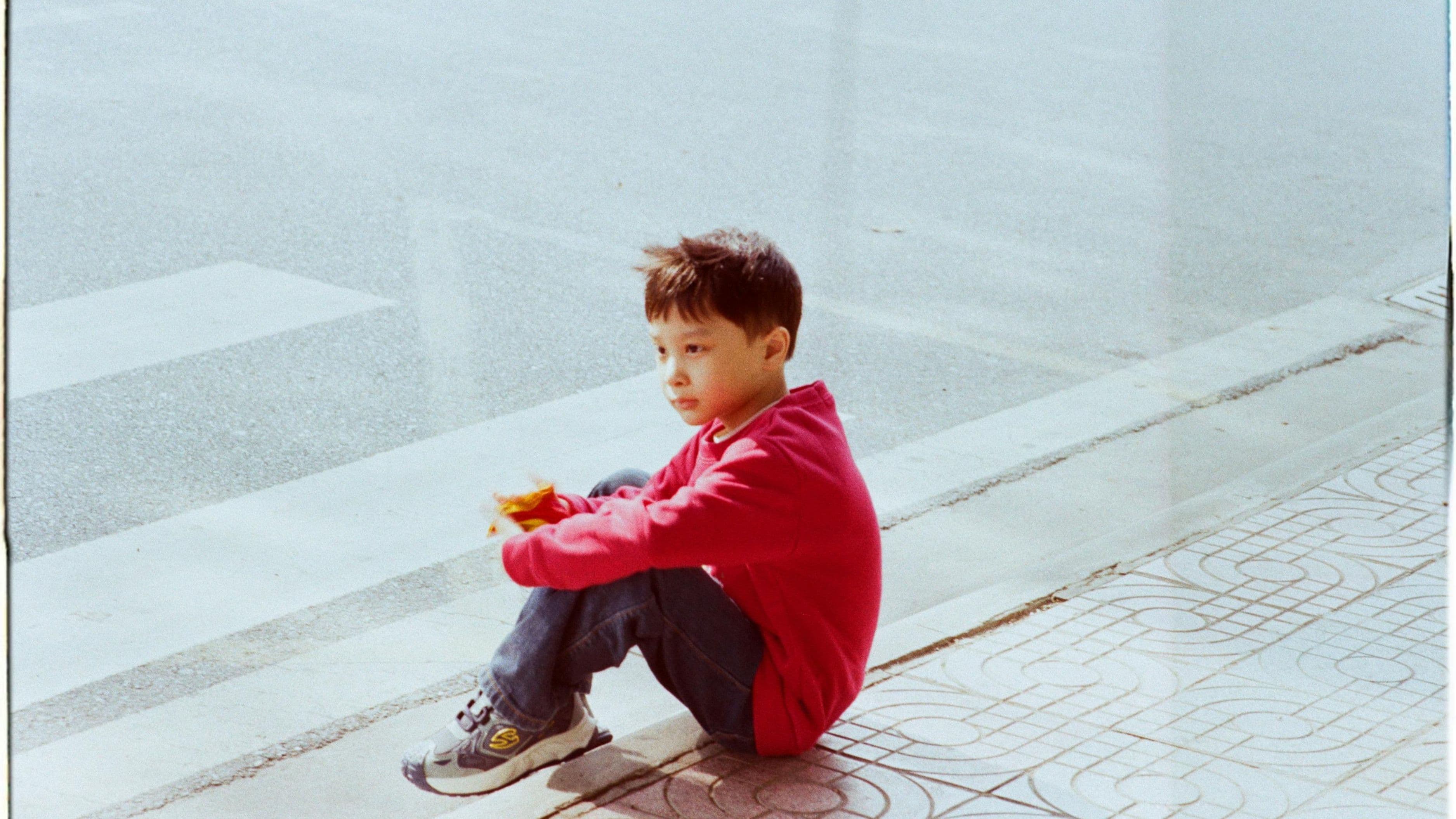
The good news is that open communication with a preteen doesn't disappear during this stage, it just needs a different approach than the one that worked when they were seven.
Understand What's Actually Changing
Preteens are in the middle of forming their own identity separate from their parents, which naturally means pulling back a bit from the constant openness of early childhood. This isn't rejection, even though it can feel that way. It's a normal developmental step, and the way you respond to it now often shapes how comfortable they feel coming to you during the more challenging teenage years ahead.
Trying to force the same level of openness they had at age six usually backfires, since preteens are especially sensitive to feeling controlled or babied. The goal shifts from "knowing everything" to "staying genuinely connected."
Step 1: Create Low-Pressure Opportunities to Talk
Direct, face-to-face questions like "how was your day" often get a one-word answer, not because your preteen doesn't want to talk, but because that format can feel like an interrogation. Side-by-side activities tend to work much better – conversations that happen naturally during a car ride, while cooking together, or on a walk tend to flow more easily than a sit-down conversation that puts them on the spot.
Some of the most meaningful conversations with preteens happen almost accidentally, tucked into an unrelated activity rather than a scheduled "talk." Keeping a few of these low-pressure moments in your regular routine, like a weekly walk or a shared task, creates natural openings without forcing them.
Step 2: Ask Better Questions
Swapping generic questions for more specific ones tends to open up conversation more effectively. Instead of "how was school," try "what was the most annoying part of today" or "who did you sit with at lunch." Specific questions signal genuine curiosity and are easier to answer than a broad prompt that invites a shrug.
Following their lead matters here too. If they mention a friend, a game, or a show, asking a follow-up question about that topic, even if it doesn't interest you personally, communicates that what matters to them matters to you.
Step 3: Resist the Urge to Immediately Solve or Correct
When a preteen finally does open up about something difficult, like a friend conflict or a tough grade, the instinct to jump straight to advice or correction can shut the conversation down fast. Preteens are often testing whether it's safe to share something before they decide how much more to say.
Starting with a reflective response, like "that sounds really frustrating," before offering any advice tends to keep the door open longer. If advice is genuinely needed, asking "do you want my thoughts, or do you just want to vent" gives them some control over the interaction, which matters a lot at this age.
Step 4: Normalize Mistakes and Hard Feelings
Preteens are more likely to hide mistakes or difficult emotions if they anticipate a big reaction, whether that's anger, disappointment, or excessive worry. Responding calmly to a mistake, even a frustrating one, teaches them that coming to you is safer than hiding things, which pays off significantly as the stakes get higher during the teenage years.
This doesn't mean avoiding consequences or accountability. It means separating the emotional reaction from the actual conversation about what happened and what comes next.
Step 5: Respect Their Growing Need for Privacy
Wanting a closed bedroom door or being vague about a group chat isn't automatically a red flag, it's often just a normal part of building independence. Respecting reasonable privacy, while still staying attentive to genuine warning signs, helps preteens trust that you're not trying to control every part of their world.
This balance looks different in every family, but a general guide is to give more privacy around low-stakes things (their room, their personal interests) while staying clearly involved in higher-stakes areas like online safety, friendships, and school.
Step 6: Talk About Hard Topics Before You Have To
Waiting until a big issue arises, like an online safety concern or a substance-related question, to have that first conversation often means starting the discussion from a place of crisis rather than curiosity. Having smaller, calmer conversations about these topics early, even briefly, makes future conversations feel like a continuation rather than a sudden confrontation.
Framing these talks as ongoing rather than a single "big talk" tends to reduce the pressure on both sides and keeps the door open for questions as they come up naturally over time.
Step 7: Model the Communication You Want to See
Preteens notice how the adults around them handle disagreement, stress, and difficult emotions, often more than they let on. Demonstrating calm, honest communication in your own relationships, including apologizing when you get something wrong with them, shows them what open communication actually looks like in practice, rather than just what you tell them it should look like.
What to Avoid
Avoid reacting with alarm to small disclosures, since a big emotional response, even one rooted in concern, can teach a preteen to filter what they share with you in the future. Try not to rely exclusively on scheduled "talks," since preteens often share more in unplanned, low-pressure moments than in a formal sit-down conversation. It's also worth avoiding comparisons to siblings or other kids when discussing struggles, as this tends to shut down openness rather than encourage it.
Finally, be cautious about over-monitoring every aspect of their digital life without any transparency, since discovering hidden surveillance can damage trust significantly. A more sustainable approach usually combines age-appropriate boundaries with open conversation about why those boundaries exist.
Realistic Expectations
Even with all the right approaches, don't expect a preteen to suddenly become as openly chatty as they were at age six. Shorter conversations, more privacy, and occasional pushback are a normal part of this stage, not a sign that communication has failed. What matters most is that they know the door is open when they do need to talk, even if they don't walk through it every day.
FAQ
What if my preteen shuts down every attempt to talk? Keep the low-pressure invitations consistent without pushing too hard in any single moment. Consistency over time tends to matter more than any one perfect conversation.
Should I read their texts or social media without telling them? This is a personal family decision that depends on your child's age, maturity, and any specific safety concerns. Many families find a middle ground works well: being transparent about general monitoring while respecting some private space, adjusted based on trust and circumstances.
How do I know if quietness is normal or a bigger concern? A general pattern of some privacy paired with occasional openness is typical. A sudden, significant change in mood, withdrawal from all friends and activities, or signs of distress is worth a closer conversation, and potentially support from a school counselor or family therapist if it continues.
📚 Sources
American Academy of Pediatrics – Communicating With Your Teen – https://www.healthychildren.org/English/ages-stages/teen/Pages/default.aspx
Child Mind Institute – Talking to Tweens – https://childmind.org/topics/adolescence/