Nutrition isn't a cure. It's worth saying that plainly. But the relationship between what you eat and how your body manages inflammation, hormone balance, gut health, and nervous system regulation is real, well-researched, and meaningfully relevant to chronic pain — particularly for women, whose pain experience is shaped by hormonal fluctuations in ways that are only beginning to receive the scientific attention they deserve.
This is a guide to understanding that relationship and making changes that are sustainable, not overwhelming.
Why Nutrition Matters for Chronic Pain
Pain is not simply a mechanical signal. It is a complex experience shaped by inflammation, the nervous system, hormonal environment, gut microbiome, nutrient status, and psychological state — all of which are directly influenced by diet. This is why two people with the same diagnosis can experience very different pain levels, and why changes in eating patterns can produce real shifts in pain experience even when the underlying condition hasn't changed structurally.
For women specifically, the hormonal dimension adds an important layer. Estrogen and progesterone both influence inflammatory pathways, pain sensitivity, and the way the nervous system processes pain signals. These hormones fluctuate across the menstrual cycle, through perimenopause, and into menopause — and those fluctuations can amplify or dampen pain in ways that feel confusing without context. Nutrition that supports hormonal balance, reduces systemic inflammation, and nourishes the nervous system therefore works across multiple pathways relevant to women's chronic pain.
The goal isn't a perfect diet. It's a pattern of eating that consistently reduces the inputs that drive inflammation and pain, while increasing the inputs that support the body's natural regulatory capacity.
The Central Role of Inflammation
Most chronic pain conditions have an inflammatory component — some more obviously than others. Rheumatoid arthritis, endometriosis, and inflammatory bowel disease involve immune-driven inflammation that is directly measurable. Fibromyalgia and migraines have a more complex relationship with inflammation, but emerging research increasingly implicates low-grade systemic inflammation in both.
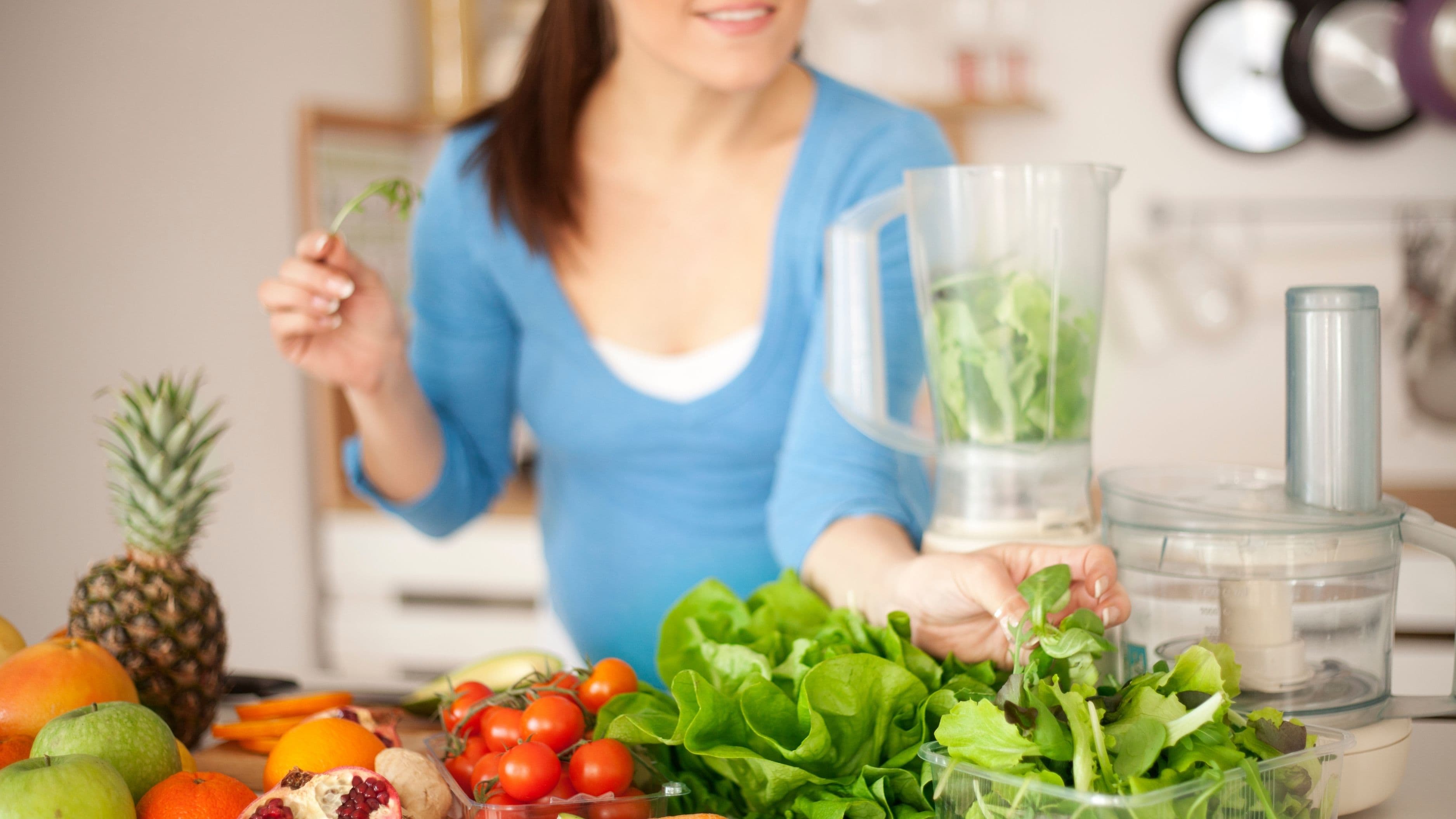
Diet is one of the most powerful drivers of systemic inflammation — in both directions. A diet high in ultra-processed foods, refined carbohydrates, vegetable oils high in omega-6 fatty acids, and added sugar consistently elevates inflammatory markers. A diet built around whole foods — vegetables, fruits, legumes, whole grains, healthy fats, and quality protein — consistently lowers them.
This isn't about restriction for its own sake. It's about understanding that every meal is either adding to or reducing the inflammatory burden your body is managing. For someone already carrying the load of a chronic pain condition, that daily accumulation matters.
The Omega-3 to Omega-6 Balance
One of the most actionable nutritional levers for inflammation is the ratio of omega-3 to omega-6 fatty acids in your diet. The modern Western diet tends to be heavily skewed toward omega-6 fats (found in processed snack foods, most vegetable oils, and fast food), which are pro-inflammatory in excess. Omega-3 fatty acids, found in oily fish like salmon, mackerel, and sardines, as well as in walnuts, flaxseeds, and chia seeds, are anti-inflammatory and have been shown in multiple studies to reduce pain and stiffness in inflammatory conditions.
Increasing your omega-3 intake — through food first, and supplementation if needed — while reducing processed food sources of omega-6 is one of the most evidence-based dietary shifts for chronic pain management.
Gut Health and the Pain Connection
The gut is increasingly understood as a central player in systemic inflammation, immune regulation, and even pain sensitivity. The gut microbiome — the vast community of bacteria living in your digestive tract — communicates directly with the immune system and the nervous system through what researchers call the gut-brain axis. Disruptions to microbiome diversity and gut barrier integrity have been linked to increased systemic inflammation, heightened pain sensitivity, and worsened outcomes in conditions including fibromyalgia, endometriosis, and migraine.
For women with chronic pain, gut health is particularly relevant because many of the conditions that disproportionately affect women — endometriosis, IBS, fibromyalgia — have documented associations with gut microbiome imbalance. Estrogen is also metabolized partly through the gut, meaning that gut health directly influences hormonal balance, which in turn influences pain.
Eating to support the gut microbiome means prioritizing fiber from a diverse range of plant foods (different types of vegetables, fruits, legumes, and whole grains feed different bacterial populations), including fermented foods like natural yogurt, kefir, kimchi, or sauerkraut where tolerated, and minimizing the ultra-processed foods and artificial additives that disrupt bacterial balance.
Key Nutrients for Women With Chronic Pain
Beyond overall dietary patterns, certain nutrients have specific relevance for women managing chronic pain. These are worth understanding individually — not to encourage excessive supplementation, but to know where dietary gaps might be contributing to your pain experience.
Magnesium
Magnesium deficiency is widespread and significantly underdiagnosed, and it has a particularly strong connection to pain. Magnesium plays a role in nerve signal transmission, muscle function, and the regulation of NMDA receptors — which are involved in pain sensitization. Low magnesium has been associated with increased migraine frequency, worsened fibromyalgia symptoms, and heightened pain sensitivity more generally. Women tend to have lower magnesium status than men, and factors common in chronic pain management — including stress, poor sleep, and certain medications — further deplete it.
Magnesium-rich foods include leafy greens (particularly spinach and Swiss chard), pumpkin seeds, almonds, black beans, and dark chocolate. A magnesium supplement in the glycinate or malate form is well-tolerated and worth discussing with your doctor if dietary intake is low.
Vitamin D
Vitamin D deficiency is another widespread and underappreciated contributor to chronic pain. Low vitamin D levels have been associated with musculoskeletal pain, fibromyalgia, and worsened inflammatory conditions. Women are at higher risk of deficiency, particularly in northern climates with limited sun exposure, during winter months, and post-menopause.
Getting your vitamin D level tested is a sensible first step. If levels are low, supplementation — often in the D3 form, paired with vitamin K2 for optimal absorption and safety — can make a meaningful difference in pain outcomes over several months.
B Vitamins
The B vitamins, particularly B6, B9 (folate), and B12, are essential for nervous system function and for the methylation processes that influence inflammation, hormone balance, and neurotransmitter production. B12 deficiency, which is common in women who eat little or no animal products, is directly associated with nerve pain and fatigue. B6 plays a role in prostaglandin regulation, which is directly relevant to menstrual pain and endometriosis.
B vitamins are found across a varied whole-food diet, but women following vegan or very low-meat diets should be particularly attentive to B12 status, which reliably requires supplementation in the absence of animal products.
Antioxidants
Oxidative stress — an imbalance between free radical production and the body's ability to neutralize it — is a driver of inflammation and pain sensitization. Antioxidants, found broadly in colorful plant foods, help counteract oxidative stress. Vitamins C and E, selenium, zinc, and polyphenols from berries, dark chocolate, green tea, and olive oil all contribute. The practical message here is simply to eat a wide variety of colorful vegetables and fruits — the diversity of antioxidant compounds matters more than any single food.
Hormones, Food, and the Female Pain Experience
For women, the relationship between food and pain runs through the hormonal system in ways that are both direct and meaningful. Estrogen influences inflammatory cytokines, pain receptor sensitivity, and neurotransmitter function. Progesterone has anti-inflammatory properties that explain why many women notice reduced pain in the luteal phase when progesterone is higher, and increased pain or sensitivity in the days before menstruation when both hormones drop sharply.
Nutrition can support hormonal balance in several ways. Cruciferous vegetables — broccoli, cauliflower, kale, Brussels sprouts — contain compounds that support healthy estrogen metabolism, particularly relevant for women with estrogen-dominant conditions like endometriosis. Flaxseeds contain lignans that modulate estrogen activity gently. Reducing alcohol, which impairs estrogen clearance and raises circulating estrogen levels, is relevant for women whose conditions are estrogen-sensitive.
Blood sugar stability also matters here more than is commonly recognized. Blood sugar spikes and crashes drive cortisol release, which in turn disrupts sex hormone balance and elevates inflammatory markers. Eating in a way that keeps blood sugar relatively stable — built around protein, fiber, and healthy fats with smaller amounts of refined carbohydrates — supports the hormonal environment that chronic pain management depends on.
Foods That May Worsen Chronic Pain
Understanding what tends to worsen pain is as useful as knowing what helps. While individual responses vary and elimination diets should be approached thoughtfully rather than compulsively, the following patterns are associated with worsened pain outcomes across multiple conditions.
Ultra-processed foods and fast food drive systemic inflammation through multiple pathways simultaneously — refined oils, added sugars, artificial additives, and low fiber content all contribute. For women with inflammatory conditions, reducing processed food intake is typically the single highest-impact dietary change available.
Refined sugar increases inflammatory cytokines and disrupts gut microbiome balance. This doesn't mean eliminating sweetness — it means distinguishing between whole-food sources of sweetness (fruit, naturally sweetened foods) and the concentrated refined sugars in confectionery, sweetened drinks, and many processed foods.
Alcohol worsens inflammation, disrupts sleep quality, and impairs hormone clearance. For women with migraine, endometriosis, or autoimmune-related pain, alcohol is one of the most consistent triggers worth reducing or eliminating.
Gluten and dairy are worth considering carefully — but not universally. For women with non-celiac gluten sensitivity or specific dairy intolerances, these foods can drive gut inflammation and worsen pain. For women without these sensitivities, blanket elimination is unnecessary and can reduce dietary diversity. If you suspect a specific food sensitivity is worsening your pain, working with a registered dietitian to do a structured elimination and reintroduction protocol is more useful than guessing.
Building a Practical, Sustainable Approach
The evidence consistently favors a whole-food, anti-inflammatory dietary pattern — sometimes called the Mediterranean diet or an anti-inflammatory diet — over specific elimination approaches or single-food interventions. This means:
Building meals around vegetables as the foundation, with legumes, whole grains, quality protein, and healthy fats alongside. Including oily fish two or three times a week, or supplementing with omega-3s if fish isn't part of your diet. Using olive oil as your primary cooking fat. Reducing ultra-processed foods, sweetened drinks, and refined carbohydrates — not obsessively, but as a consistent pattern. Including fermented foods regularly to support gut health. Eating in a way that keeps your blood sugar relatively stable across the day.
The framing that tends to work best for sustainable change isn't restriction — it's addition. What can you add that nourishes your body, rather than what must you remove? That orientation tends to produce lasting dietary shifts rather than short cycles of rigid adherence followed by collapse.
Common Pitfalls to Avoid
Pursuing multiple drastic dietary changes at once is one of the most common ways this process breaks down. The stress of an overly restrictive protocol can itself worsen pain, and the all-or-nothing mentality tends to be self-defeating. Start with one or two changes — more vegetables, more omega-3s, less processed food — and build from there.
Expecting rapid results is another pitfall. Dietary changes work through reducing chronic inflammation and improving nutrient status, both of which are slow-moving processes. Most people who experience meaningful improvement notice it over weeks to months, not days. Give yourself a genuine time horizon before evaluating whether a change is working.
Neglecting the basics in favor of supplements is a pattern worth flagging. Magnesium tablets won't compensate for a diet that chronically drives inflammation. Supplements are useful for filling specific, identified gaps — they're not a shortcut around the foundation of a nourishing eating pattern.
FAQ
Is there a specific diet proven to reduce chronic pain in women? No single diet has been proven universally effective, but the Mediterranean dietary pattern and anti-inflammatory diets more broadly have the strongest and most consistent evidence base for reducing pain in inflammatory conditions. Individual responses vary, and working with a registered dietitian who specializes in chronic pain or women's health can help tailor an approach to your specific condition.
Should I try an elimination diet for chronic pain? Elimination diets can be useful for identifying specific food triggers, but they should be done carefully and ideally with professional guidance. Done poorly, they can create nutritional gaps, increase anxiety around food, and worsen overall well-being. A structured elimination and reintroduction protocol, not an indefinite restriction, is the appropriate approach.
How long before dietary changes affect pain levels? Meaningful shifts in systemic inflammation and gut health typically take several weeks to several months to manifest in measurable pain changes. Some women notice improvements in energy and sleep quality before they notice pain reduction — which is itself significant, since both fatigue and poor sleep amplify pain.
Do I need to see a specialist? If you're managing a diagnosed chronic pain condition, working with a healthcare team — ideally including a rheumatologist, gynecologist, or pain specialist alongside a registered dietitian — will produce better outcomes than navigating nutrition alone. Dietary changes work best as part of a comprehensive approach, not as a standalone treatment.
Can nutrition completely replace pain medication? For most chronic pain conditions, nutrition is a valuable complement to medical treatment rather than a replacement. It can meaningfully reduce pain burden, improve quality of life, and in some cases reduce medication dependence — but this should always be discussed with and managed by a physician.
A Gentle Closing Thought
Living with chronic pain means constantly navigating a tension between wanting things to be different and learning to work with your body as it is. Nutrition doesn't resolve that tension, but it does give you a meaningful area of agency — a set of daily choices that quietly accumulate in your body's favor.
Start where you are. Add what you can. Notice what shifts. And hold the process with patience rather than pressure, knowing that nourishment itself — the act of genuinely caring for your body — has value that goes beyond any single outcome.
📚 Sources
NIH – Diet and Inflammation: https://www.ncbi.nlm.nih.gov/pmc/articles/PMC6835556/
NIH – Omega-3 Fatty Acids and Chronic Pain: https://www.ncbi.nlm.nih.gov/pmc/articles/PMC4586567/
NIH – Gut Microbiome and Chronic Pain: https://www.ncbi.nlm.nih.gov/pmc/articles/PMC7318910/
NIH – Magnesium and Pain Sensitivity: https://www.ncbi.nlm.nih.gov/pmc/articles/PMC5783146/
NIH – Vitamin D Deficiency and Chronic Musculoskeletal Pain: https://www.ncbi.nlm.nih.gov/pmc/articles/PMC6213949/
Arthritis Foundation – Anti-Inflammatory Diet: https://www.arthritis.org/health-wellness/healthy-living/nutrition/anti-inflammatory/anti-inflammatory-diet
NIH – Estrogen, Inflammation, and Pain: https://www.ncbi.nlm.nih.gov/pmc/articles/PMC6341422/
Harvard T.H. Chan School of Public Health – The Nutrition Source – Anti-Inflammatory Diet: https://www.hsph.harvard.edu/nutritionsource/anti-inflammatory-diet/
NIH – Endometriosis and Diet: https://www.ncbi.nlm.nih.gov/pmc/articles/PMC6333702/