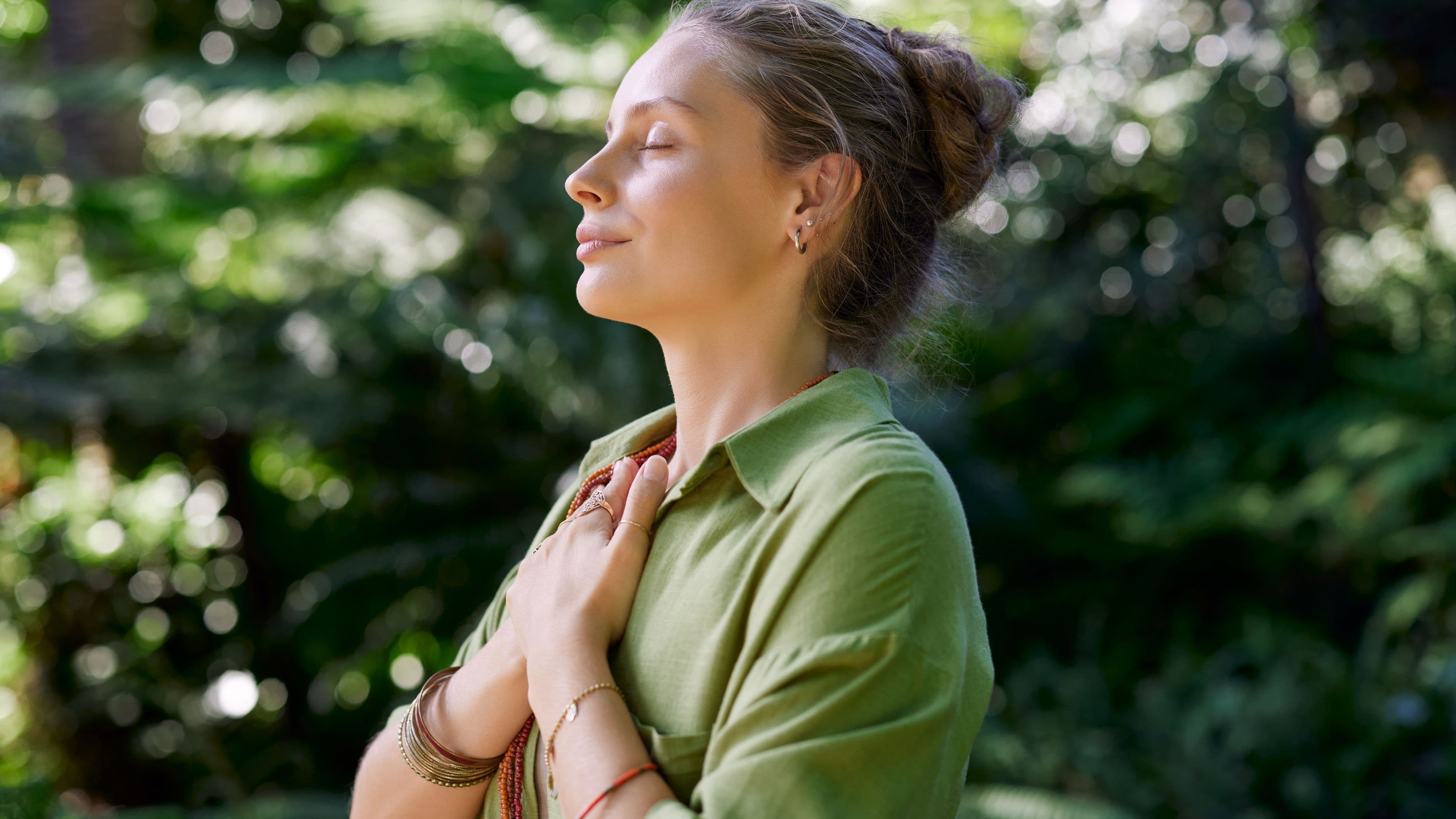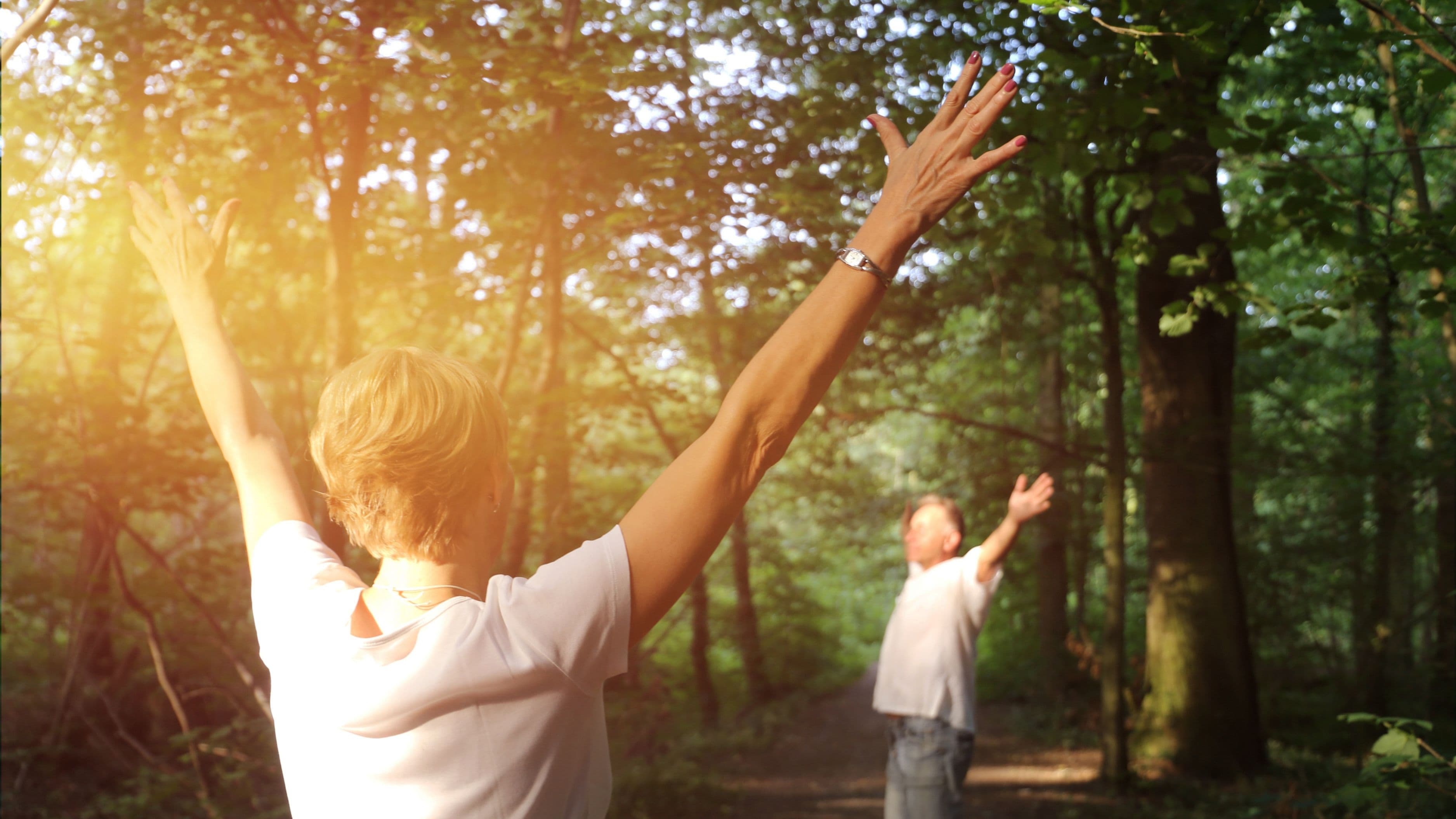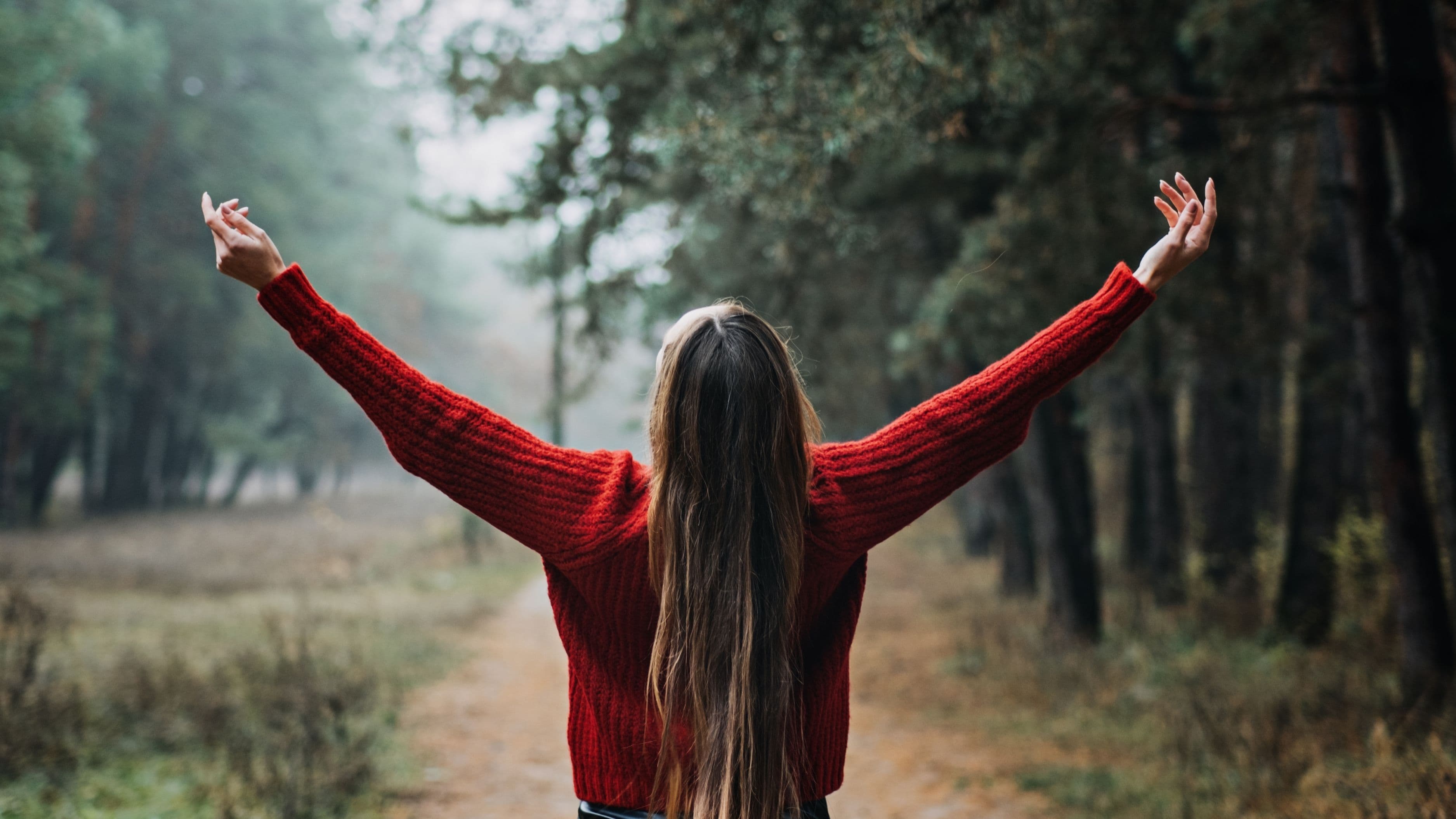
Nature has a measurable, well-documented effect on the human nervous system. And more than that, it offers something that's increasingly hard to find: a space that asks nothing of you. No performance, no productivity, no inbox to clear. Just presence – and the quiet that makes emotional healing possible.
This article is about how to use that more intentionally.
Why Nature Supports Emotional Healing
The human body wasn't built for the pace of modern life. For most of human history, we existed within natural environments – tracking seasons, responding to light and dark, listening for weather and animal sounds. Our nervous systems evolved in relationship with the natural world. The calm you feel near water or under a canopy of trees isn't nostalgia. It's recognition.
Research supports what intuition already knows. Studies on a practice called shinrin-yoku – Japanese for "forest bathing" – consistently show that time spent in forested environments reduces cortisol levels, lowers blood pressure, and decreases the activity of the sympathetic nervous system (the part responsible for the fight-or-flight response). A 2019 study published in Frontiers in Psychology found that just 20 minutes spent in a natural setting was enough to produce a meaningful reduction in stress hormones.
Beyond stress reduction, time in nature also appears to support emotional processing. The combination of soft, non-demanding sensory input – the sound of wind, the texture of bark, the movement of water – creates what researchers call "involuntary attention," a state where the mind can wander, reflect, and integrate experiences without the effortful focus that daily life requires. Grief, confusion, and overwhelm often need that kind of unstructured space to begin moving through.
Start With Presence, Not Purpose
One of the most common mistakes people make when turning to nature for emotional support is treating it like another task to complete. You schedule the hike, you walk the trail efficiently, you check it off the list and return to everything waiting for you. The body gets movement, but the nervous system never quite settles.
The difference between a walk that heals and a walk that doesn't is presence. Not perfect, meditative, thought-free presence – just a gentle intention to actually be where you are. To notice what's around you rather than mentally running through what comes next.
A simple way to arrive at this is through your senses. Before you begin moving, pause for a moment and ask yourself: What can I hear right now? What can I feel against my skin? What's moving in my field of vision? This isn't a formal exercise – it's an invitation to let your surroundings become real to you. That shift from thinking-about-nature to actually-in-nature is where the healing starts.
Practices for Using Nature Intentionally
There are many ways to engage with the natural world as a healing resource. These don't require wilderness access, physical fitness, or large amounts of time. They require only a willingness to slow down and pay attention.
Slow Walking Without Destination
This is perhaps the simplest and most underused practice available. Not exercise walking, not errand walking – walking with nowhere specific to go and no pace to maintain. You move slowly enough to actually see what's around you. You stop when something catches your attention. You let the walk lead itself.
The lack of destination matters more than it sounds. Most of our movement is purposeful, directed, efficient. Slow walking without destination breaks that pattern and signals to the nervous system that there's no emergency. For people carrying grief, anxiety, or emotional exhaustion, that signal alone can be deeply restorative over time.
Even fifteen to twenty minutes, a few times a week, makes a difference. You don't need a forest. A quiet street, a local park, a garden – any environment that offers some natural texture is enough to begin.
Sitting With Water
Water has a particular effect on the nervous system that is distinct from other natural settings. The sound of moving water – a stream, the ocean, even a fountain – consistently registers as calming across cultures and research contexts. There's a reason water features have appeared in healing spaces from ancient Japanese gardens to modern hospital lobbies.
If you have access to a body of water, try sitting near it without a phone or headphones for at least ten minutes. Let the sound fill your attention. Notice how your breathing changes. Notice whether thoughts become slower or less urgent. You're not trying to stop thinking – you're simply giving your nervous system something ancient and familiar to rest in.
If water isn't accessible to you, even recorded nature sounds – rainfall, ocean waves, river ambiance – have been shown to produce measurable parasympathetic responses. It's not a perfect substitute, but it's a meaningful one for people in urban environments.
Tending Something Living
There's a quality of emotional grounding that comes from caring for a living thing. Gardening is perhaps the most well-documented form of this – research consistently links it with reduced depression, increased sense of purpose, and improved mood. But the underlying dynamic is simpler than any specific activity: when you tend to something outside of yourself, you step outside the loop of your own pain long enough to breathe.
This doesn't require a garden. A single houseplant, a windowsill herb box, a small pot of soil you water each morning – the act of attending to growth, of noticing that something alive is responding to your care, creates a quiet sense of connection that is genuinely healing. If you're going through something heavy, the routine of tending can also provide structure during periods when ordinary structure collapses.
Barefoot on the Ground
This practice – sometimes called "grounding" or "earthing" – involves direct skin contact with the earth: standing or walking barefoot on grass, soil, sand, or stone. The science around its mechanisms is still evolving, but the reported effects include reduced tension, improved mood, and a felt sense of being more settled in the body.
Whatever the mechanism, the experience itself is worth trying. Stand barefoot in a garden or park for five to ten minutes. Notice what happens in your feet, your legs, your breath. For many people who spend most of their time indoors and elevated from the ground, the contact feels immediately and unexpectedly calming. It's a small, strange practice – and also a surprisingly effective one.
Watching the Sky
Spending time observing the sky – clouds moving, light changing, the gradual shift from day to evening – engages a quality of attention that is expansive rather than contracted. When we're in emotional pain or overwhelmed, attention tends to narrow: everything feels close, pressing, and urgent. Looking at the sky opens the field of vision and, with it, often something in the mind.
This is available from almost anywhere. A window, a doorstep, a rooftop. Even five minutes of watching clouds drift can interrupt a thought spiral and soften the sense that everything is at a crisis point. There's something about the sheer scale of the sky – its indifference to our concerns, its continuous movement – that puts the weight of difficult feelings into a slightly different proportion.
How to Work With Specific Emotions in Nature
Different emotional states respond to different natural experiences. Paying attention to what you're carrying can help you choose the most supportive form of nature engagement.
When you're grieving, seek slowness and stillness. Sit beside water. Walk without destination. Avoid the urge to fill the silence with music or podcasts. Grief needs space to move, and nature offers that without judgment.
When you're anxious, seek rhythm and sensory grounding. The repetitive sound of waves or rain, the physical sensation of soil in your hands, the act of walking at a steady pace – all of these engage the nervous system in ways that interrupt the forward-spinning quality of anxious thought.
When you're angry or depleted, physical engagement with nature can help. Pulling weeds, digging in soil, swimming in cold water, hiking uphill – these give the activated energy somewhere to go and allow the body to process what the mind alone cannot resolve.
When you're simply numb or disconnected, novelty and beauty are worth seeking. A walk somewhere you haven't been before. A botanical garden. The first cold morning of autumn. Something that surprises your senses back into aliveness.
What to Watch Out For
Nature is a powerful resource, but it's worth being honest about its limits. If you're in the middle of significant depression, acute grief, or a mental health crisis, time outside is a complement to care – not a replacement for it. The nervous system benefits are real, but they don't substitute for professional support when that's what's genuinely needed. Use nature alongside whatever other help you're seeking, not instead of it.
It's also worth noticing if nature becomes another form of avoidance. There's a difference between spending time outside as a way of processing and tending to yourself, and using long walks as a way of running from what's waiting for you inside. The former feels quietly restorative over time. The latter eventually stops working and leaves you more exhausted.
Finally, don't wait for the perfect conditions. You don't need a retreat centre, a coastline, or a forest. A ten-minute sit in a small urban park, a moment of attention at an open window, a barefoot minute on a patch of grass – these count. The healing isn't in the grandeur of the setting. It's in the quality of your attention to it.
FAQ
What if I live in a city with limited access to nature? Urban nature still works. Street trees, small parks, window light, potted plants, recorded nature sounds, and bodies of water within city limits all offer meaningful benefits. The research on nature's healing effects doesn't require wilderness – it requires some degree of natural sensory input and, most importantly, a slower quality of attention.
How often should I be spending time in nature for it to actually help? Even two or three short sessions per week – twenty minutes each – produce measurable effects on stress hormones and mood. Consistency matters more than duration. Brief, regular contact with the natural world is more effective than occasional long visits with nothing in between.
I feel worse when I'm alone with my thoughts outside. Is that normal? Yes, very. When you first slow down and step away from distraction, what you've been avoiding often surfaces. That initial discomfort is part of the process rather than a sign that it isn't working. Starting with shorter time frames and sensory-anchored practices (attending to what you can hear and feel, rather than sitting in open reflection) can make the transition gentler.
Can nature help with grief specifically? Many grief researchers and therapists point to nature as a particularly supportive environment for grieving. Its pace, its continuity, and the way natural cycles mirror our own experience of loss and renewal can all provide a kind of wordless companionship. It won't shorten the grief – but it often makes it more bearable to move through.
What's the difference between forest bathing and just going for a walk? Intention and pace. A forest bath is slow, sensory, and purposeless in terms of destination. You're not exercising; you're immersing. You engage your senses deliberately – touching bark, noticing light through leaves, listening to layers of sound. The practice asks you to receive the environment rather than move through it. That difference in quality of attention is what produces the documented effects.
A Final Thought
You don't have to earn the healing that nature offers. You don't have to feel ready, or positive, or spiritually inclined. You can go outside feeling broken and distracted and resistant, and the trees won't judge you for it. The light will still filter through. The ground will still hold you.
All it asks is that you show up, even briefly, with a little less noise – and let what has always been there do what it has always done.
📚 Sources
The effect of nature on stress: twenty minutes is enough – Frontiers in Psychology: https://www.frontiersin.org/articles/10.3389/fpsyg.2019.00722/full
Shinrin-yoku (forest bathing) and its effects on health – National Institutes of Health: https://www.ncbi.nlm.nih.gov/pmc/articles/PMC5580555/
Attention restoration theory and nature – University of Michigan research overview: https://lsa.umich.edu/psych/news-events/all-news/faculty-news/attention-restoration-theory.html
Gardening and mental health – Mind UK: https://www.mind.org.uk/information-support/tips-for-everyday-living/nature-and-mental-health/how-nature-benefits-mental-health/
Nature sounds and the autonomic nervous system – Scientific Reports: https://www.nature.com/articles/srep45273
Earthing: health implications of reconnecting to the Earth – Journal of Environmental and Public Health: https://www.hindawi.com/journals/jeph/2012/291541/
Blue space and mental wellbeing – BlueHealth research summary: https://bluehealth2020.eu/projects/policy-brief/