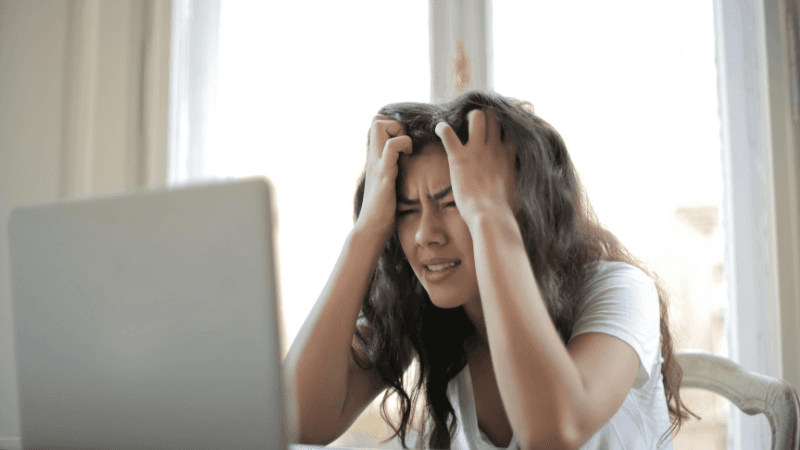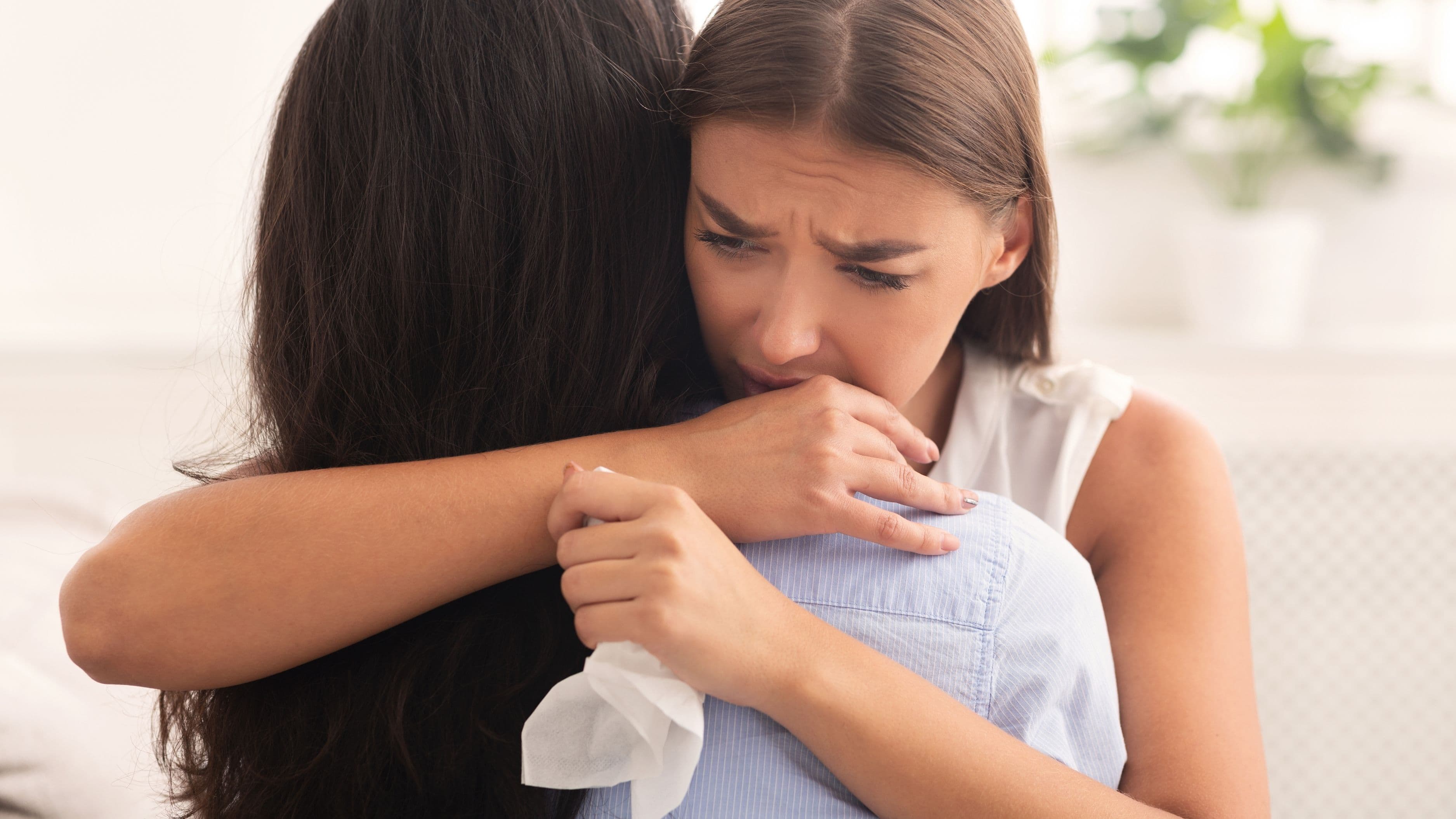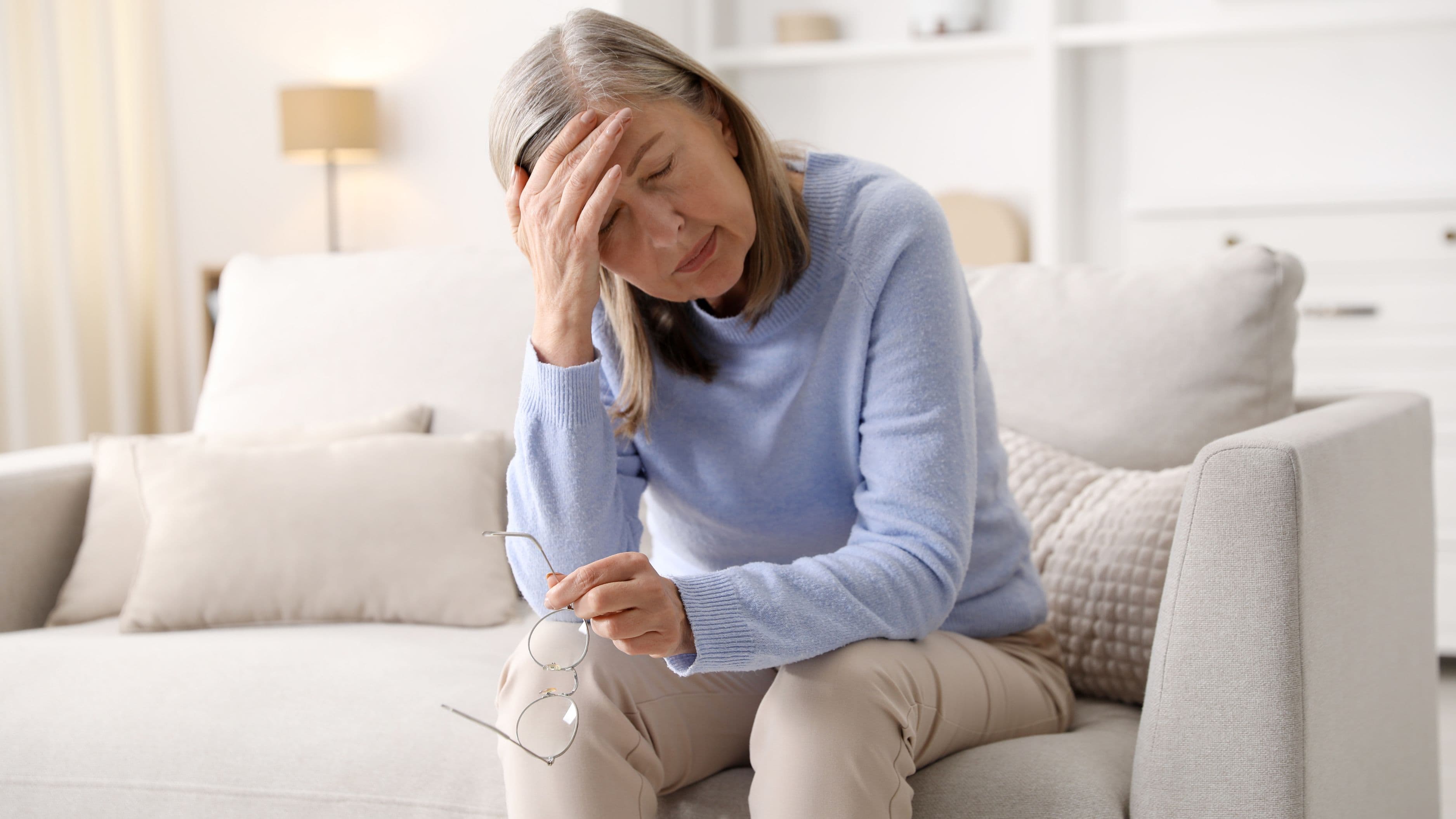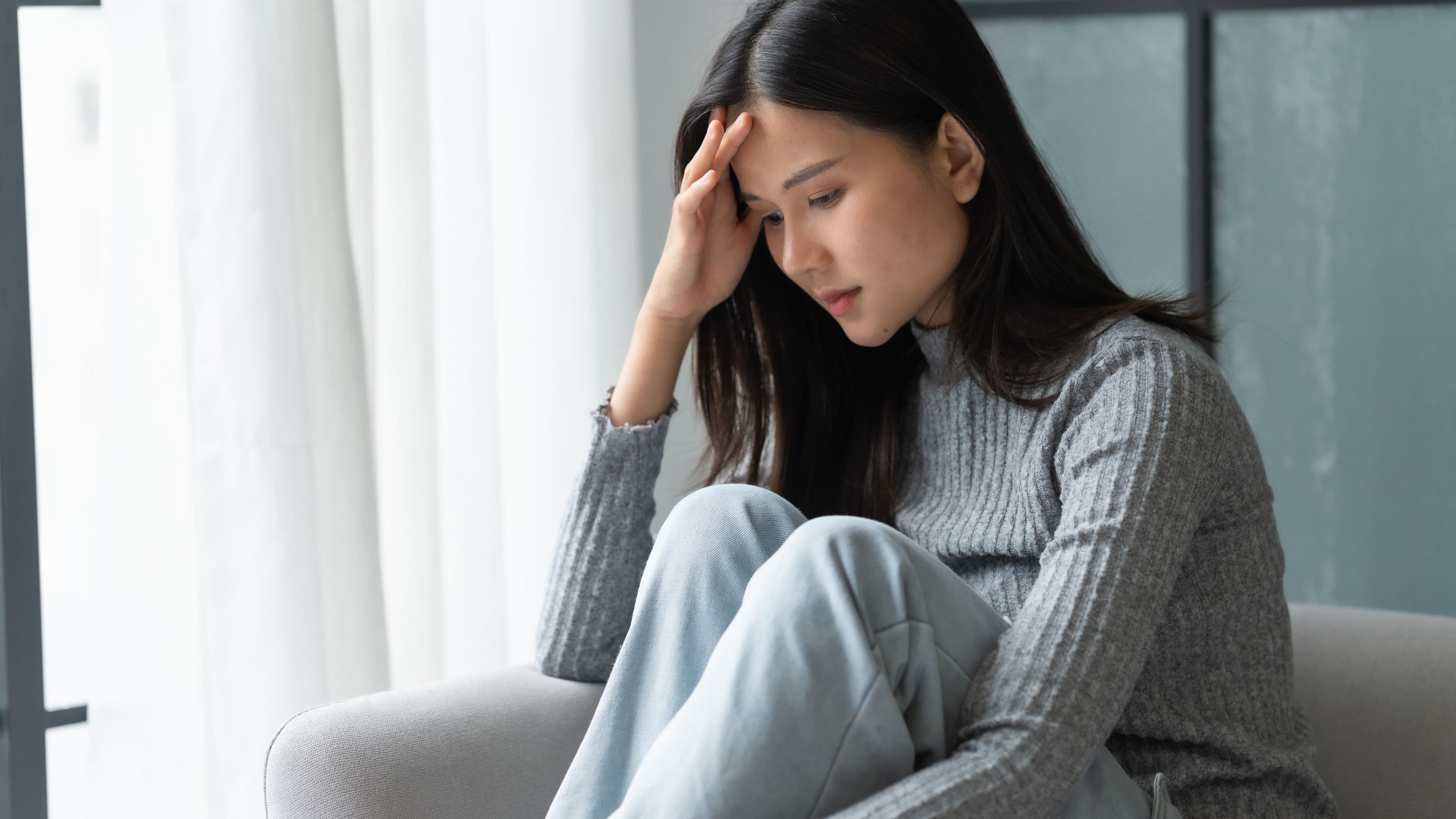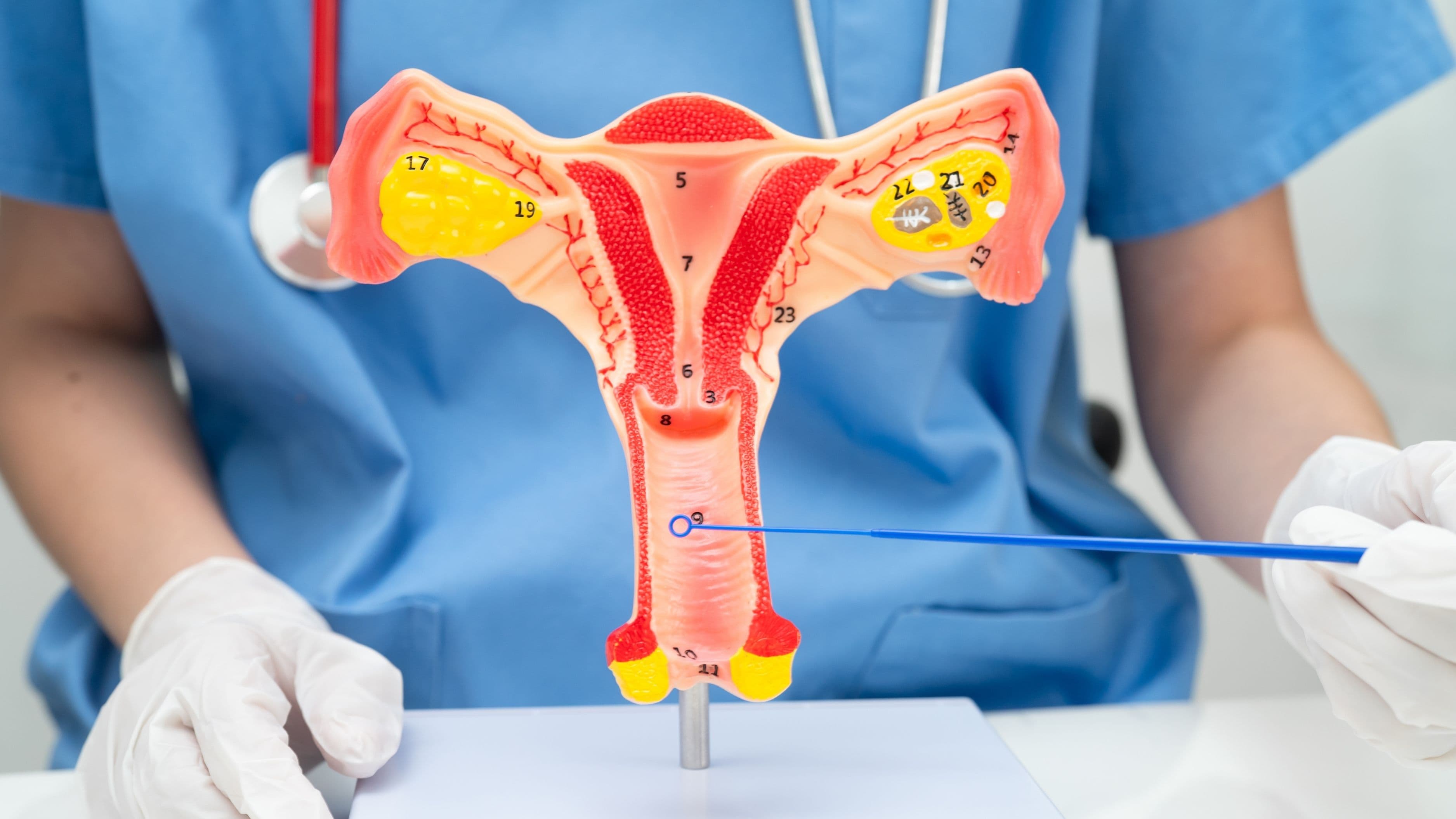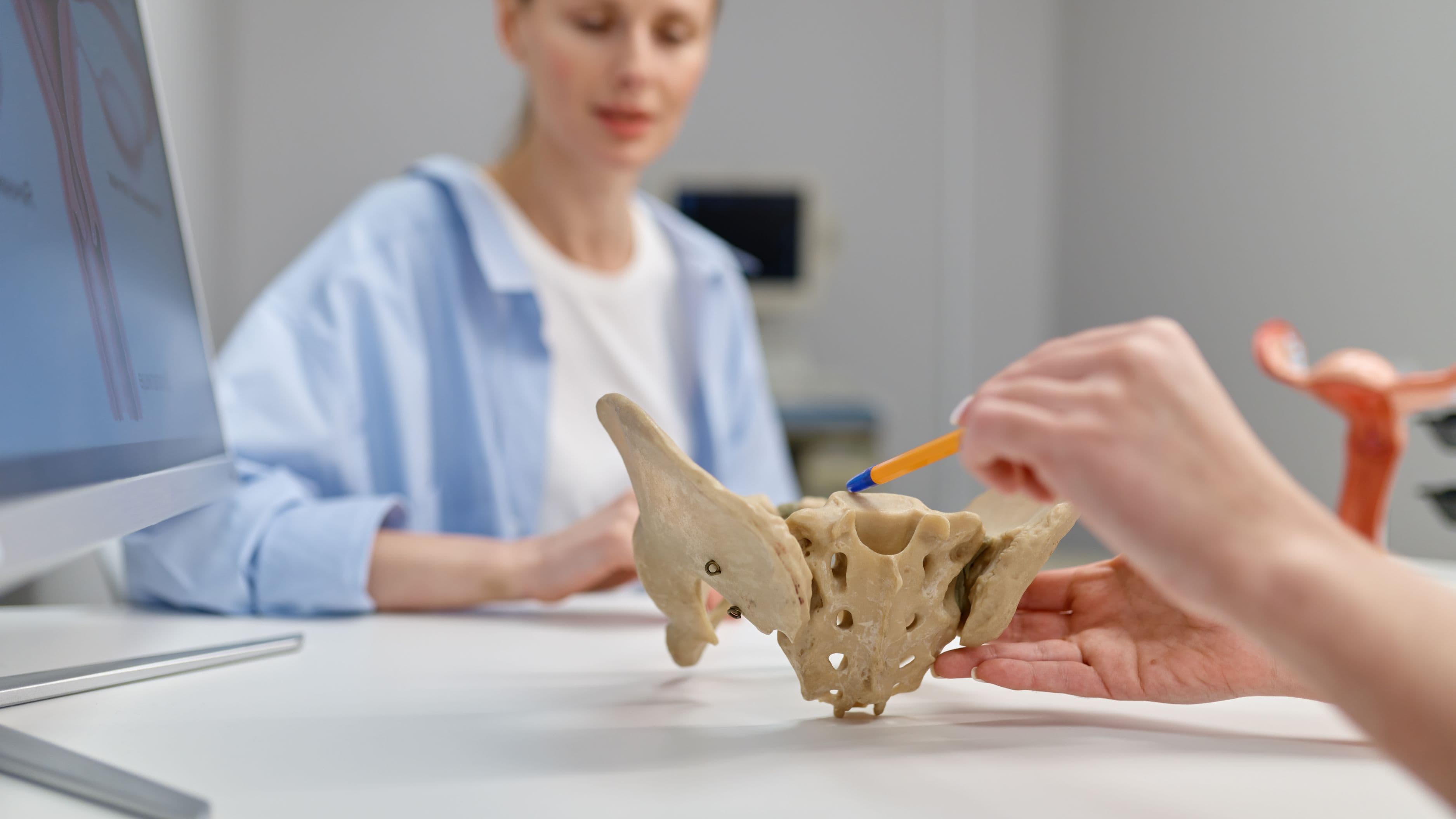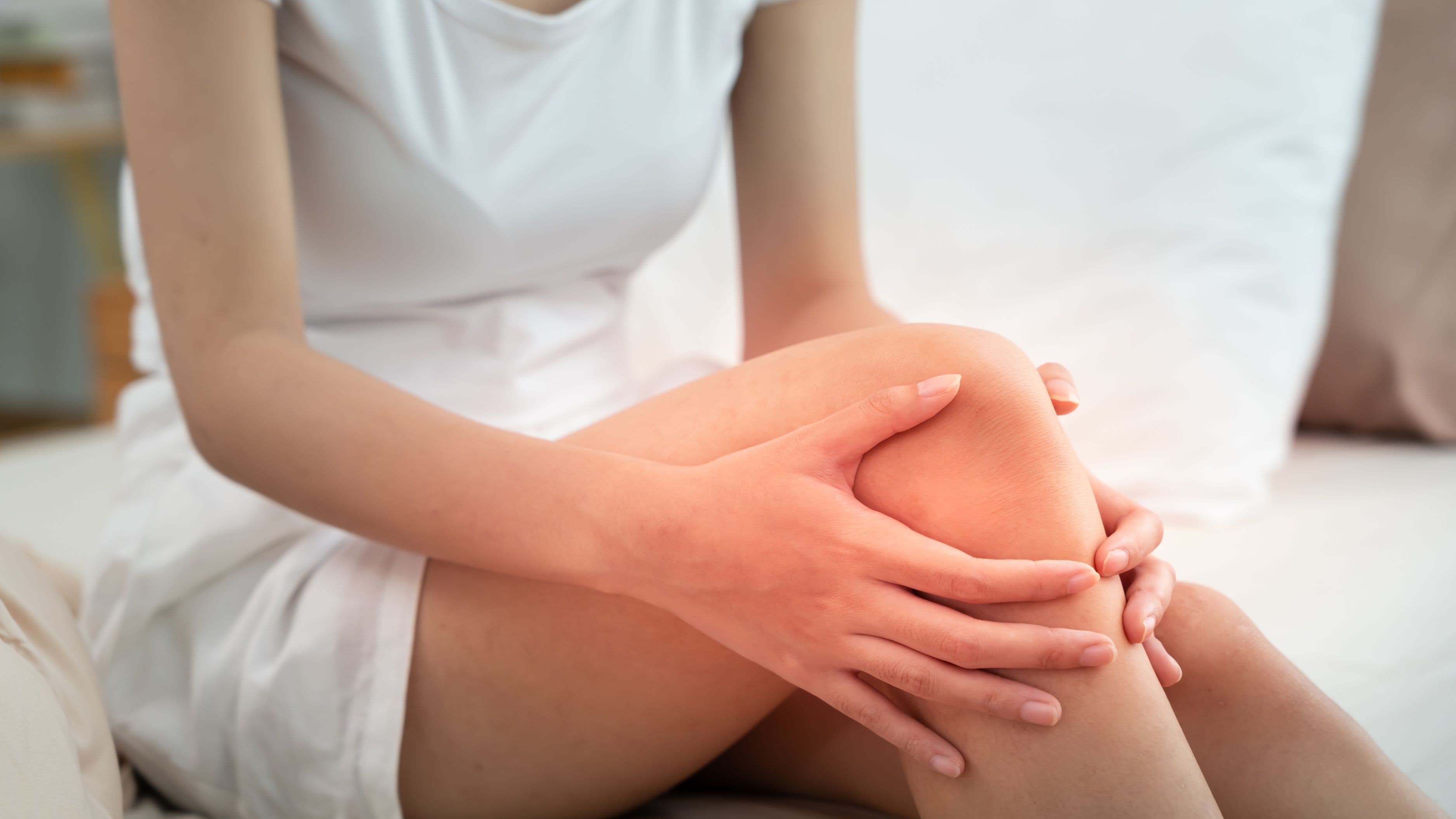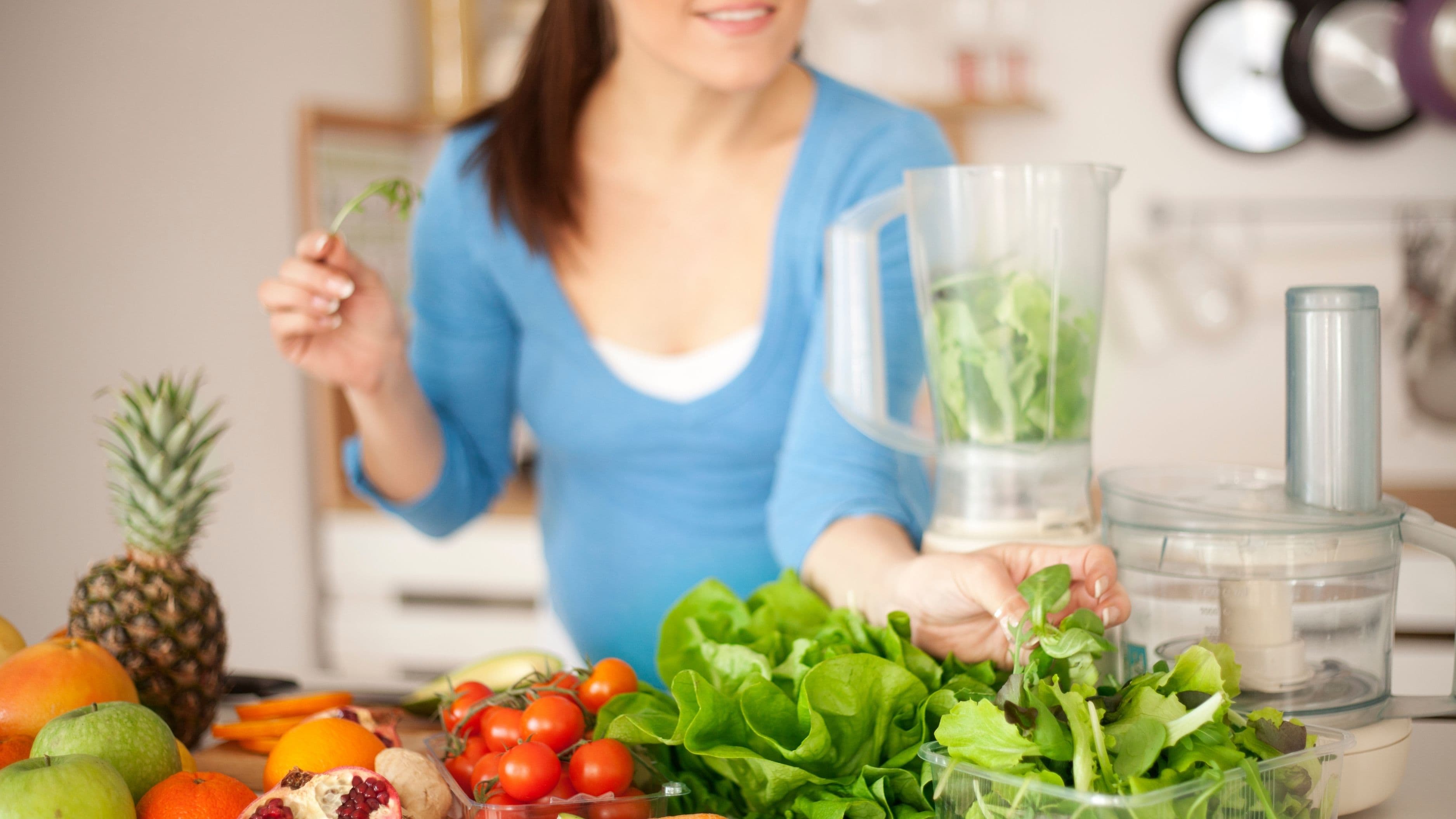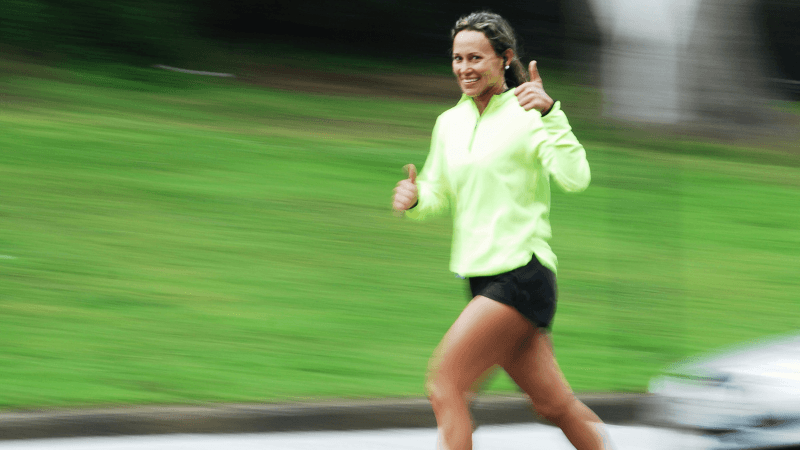
Here's what the wellness world has known for a while, and what science is increasingly catching up to: you don't have to white-knuckle your way through it. Premenstrual syndrome affects an estimated 90% of menstruating women at some point in their lives, according to the American College of Obstetricians and Gynecologists — which means this is one of the most common, most undertreated, and most normalized forms of cyclical suffering out there. But nature, as it turns out, has a pretty well-stocked medicine cabinet.
This isn't about toxic positivity or pretending cramps are a vibe. It's about giving your body the tools it actually needs to move through your luteal phase with a little more grace, a little less misery, and a whole lot more of you intact.
1. Magnesium: The Mineral You're Probably Missing
If PMS symptoms were a crime scene, low magnesium would be the prime suspect. Studies have consistently linked magnesium deficiency to the most common PMS complaints — bloating, mood swings, breast tenderness, and headaches. The cruel irony? Estrogen fluctuations in the luteal phase actively deplete magnesium levels, which means your body is burning through its reserves right when it needs them most.
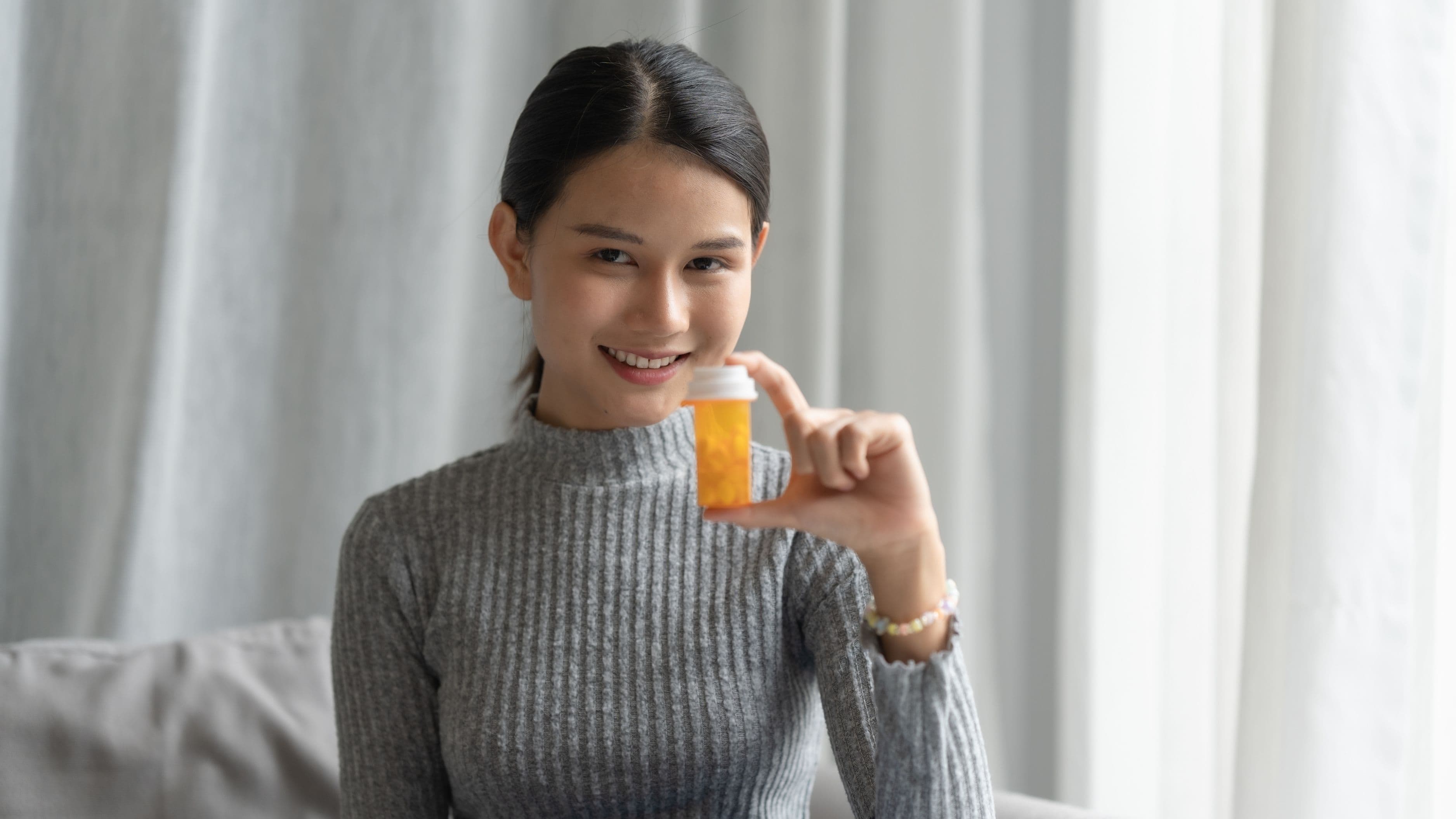
Magnesium glycinate or magnesium citrate (gentler on the stomach than other forms) taken daily in the two weeks before your period can make a noticeable difference in both physical and emotional symptoms. A randomized trial published in the Journal of Women's Health found that women who supplemented with magnesium reported significant reductions in PMS-related mood symptoms and water retention. Think of it less like taking a pill and more like refilling a tank that your hormones keep quietly draining.
2. Chasteberry: The Hormone Whisperer
Chasteberry — also known as Vitex agnus-castus — has been used for over 2,000 years to support female hormonal health, and modern research is finally catching up to what ancient herbalists already knew. This small, peppery berry works primarily on the pituitary gland, gently nudging the body toward better progesterone-to-estrogen balance during the luteal phase. Translation: less of the hormonal chaos that drives mood swings, irritability, and breast pain.
A comprehensive review in the Journal of Alternative and Complementary Medicine found that Vitex significantly outperformed placebo in reducing overall PMS symptom scores, with particularly strong results for irritability, mood swings, and breast tenderness. It's not a quick fix — chasteberry typically needs two to three menstrual cycles to show its full effect — but for those willing to be patient, it's one of the most well-researched herbal options available. Take it in the morning, consistently, and let the slow magic do its thing.
3. Move Your Body (Even When You Really Don't Want To)
This is the advice everyone hates hearing and the one that genuinely works. Regular aerobic exercise is one of the most effective natural interventions for PMS — not because it burns off "bad energy," but because it triggers real, measurable neurochemical shifts. Physical movement increases endorphins, serotonin, and dopamine — the exact neurotransmitters that take a nosedive during the premenstrual phase.
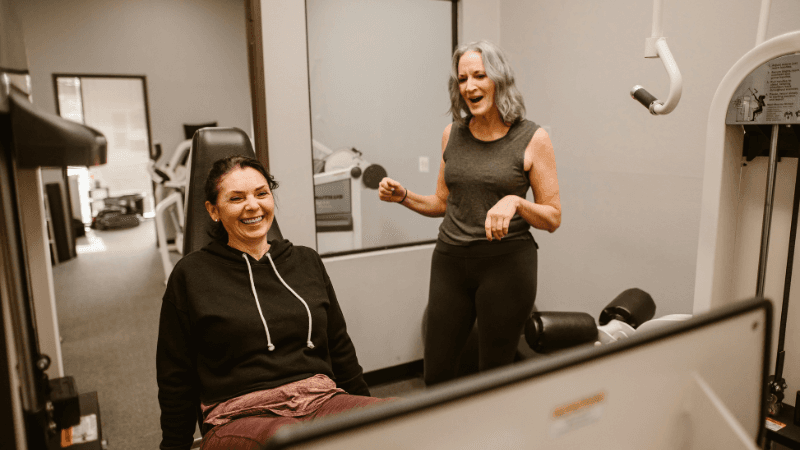
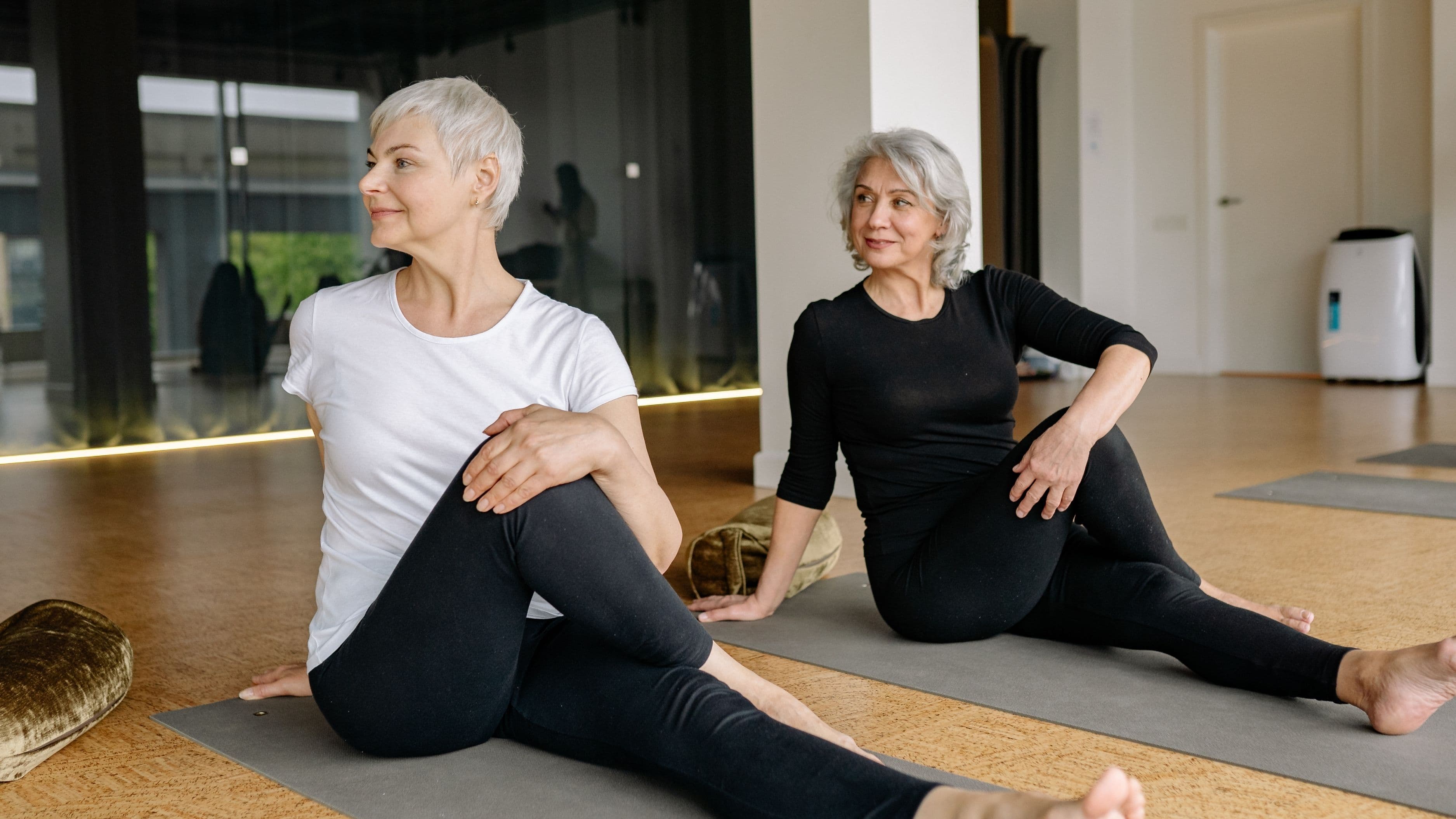
You don't need to train for a marathon. Research published in the Journal of Education and Health Promotion found that 30 minutes of moderate aerobic exercise three times per week significantly reduced both the physical and psychological symptoms of PMS over a six-month period. In your luteal phase specifically, your body tends to run hotter and tire faster — so swap the high-intensity sessions for something that feels nourishing rather than depleting. A brisk walk through autumn leaves, a slow yoga flow, a swim — feel the warmth spread through your muscles and let your nervous system exhale.
4. Evening Primrose Oil for That Tender Chest
Breast tenderness before a period can range from mildly annoying to genuinely debilitating — the kind where putting on a seatbelt feels like a personal attack. Evening primrose oil, rich in gamma-linolenic acid (GLA), has been studied specifically for this symptom with promising results. GLA is an omega-6 fatty acid that helps regulate prostaglandins — hormone-like compounds involved in inflammation and pain signaling.
Several clinical studies have found evening primrose oil effective at reducing cyclical breast pain (mastalgia) when taken consistently, with some women experiencing relief within two to three cycles. It's also thought to support overall hormonal balance by improving the body's sensitivity to prolactin, which can be elevated premenstrually. It's gentle, well-tolerated, and one of those supplements that tends to work quietly in the background — you may only notice it's working when you realize your bra stopped feeling like a medieval torture device.
5. Cut the Caffeine (At Least a Little)
Nobody wants to hear this one. We know. But caffeine — especially in the week before your period — is genuinely working against you. It constricts blood vessels (hello, worse cramps), depletes magnesium (refer back to point one), spikes cortisol (the last thing an already-stressed luteal-phase nervous system needs), and worsens both anxiety and breast tenderness. It is, in the kindest possible terms, a premenstrual saboteur dressed in a comforting mug.
You don't have to quit cold turkey or live a joyless caffeine-free existence. Try tapering back to one cup of coffee in the mornings during your luteal phase, and swapping afternoon cups for something warming and grounding — ginger tea, oat milk turmeric lattes, or herbal blends formulated for hormonal balance. The shift is subtler than you'd expect, and your nervous system will quietly, gratefully notice.
6. Vitamin B6: The Mood Stabilizer in Your Kitchen
Vitamin B6 (pyridoxine) plays a critical role in the production of serotonin and dopamine — which is exactly why low B6 levels are closely associated with the depression, irritability, and emotional volatility that define PMS for many people. The body can't synthesize B6 on its own, and stress, alcohol, and oral contraceptives all accelerate its depletion. If your PMS is heavy on the emotional side, B6 is one of the first places worth looking.
A landmark meta-analysis published in the British Medical Journal found that B6 supplementation at doses of 50–100mg per day was significantly more effective than placebo at improving both depressive symptoms and overall PMS scores. Food sources rich in B6 include salmon, chicken, bananas, sweet potatoes, and chickpeas — so building your luteal-phase meals around these ingredients is a delicious form of self-care. Think of a warm roasted sweet potato bowl as both dinner and medicine.
7. Heat Therapy: Ancient, Simple, Underrated
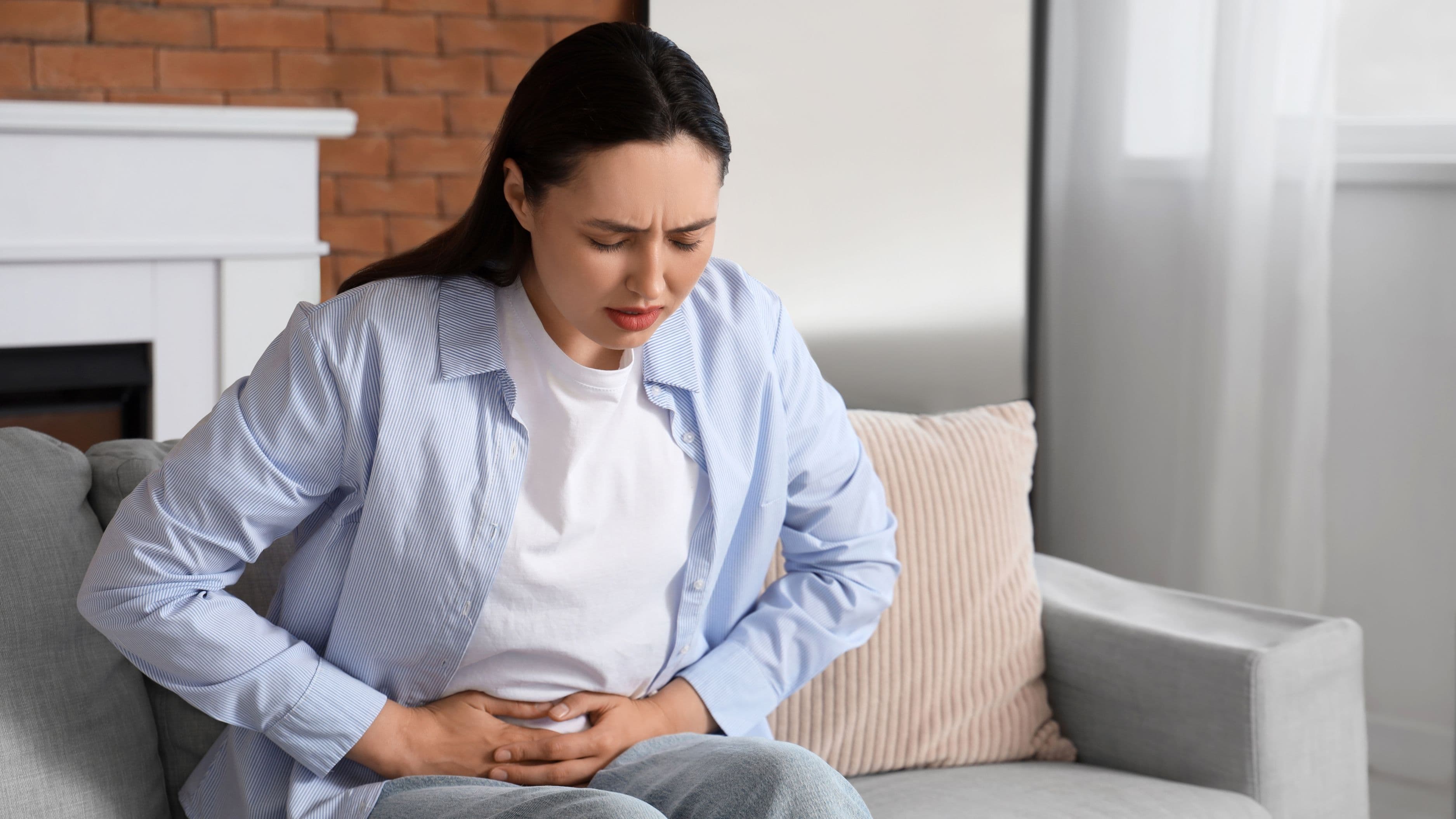
There is something deeply primal about pressing warmth against a cramping abdomen and feeling the tension begin to release. Heat therapy has been used across cultures for centuries as a remedy for menstrual pain — and a 2012 study published in Evidence-Based Nursing found that continuous low-level heat was as effective as ibuprofen for relieving primary dysmenorrhea (menstrual cramps). Not "almost as effective." As effective.
Heat works by relaxing the uterine muscle contractions that cause cramping, increasing blood flow to the area, and triggering a neurological relaxation response throughout the whole body. Whether it's a hot water bottle, a heated pad, a warm bath infused with Epsom salts and lavender, or a long shower with the pressure aimed directly at your lower back — let the warmth seep in. Let your body soften around it. This is self-care in its most literal, most ancient form.
8. Reduce Sodium, Reduce the Bloat
That tight, puffy, nothing-fits feeling that tends to arrive a few days before your period? That's fluid retention, driven partly by hormonal fluctuations and partly by diet. In the luteal phase, elevated progesterone triggers the release of aldosterone — a hormone that signals the kidneys to hold onto sodium and, by extension, water. Adding a high-sodium diet to that equation is essentially pouring fuel on an already swollen fire.
Reducing processed foods, soy sauce, canned soups, and salty snacks in the week before your period can make a meaningful difference in how your body feels. Pair that with potassium-rich foods — bananas, avocado, leafy greens, coconut water — which actively help the body flush retained fluid. Drinking more water (counterintuitive, but effective) also signals to the body that it doesn't need to hoard what it has. The bloat won't vanish overnight, but you'll feel less like a human water balloon by the second day.
9. Omega-3s: Fighting Inflammation From the Inside
Menstrual pain and PMS inflammation are closely linked to the body's prostaglandin response — essentially a cascade of inflammatory signaling that ramps up in the days before and during menstruation. Omega-3 fatty acids, found abundantly in fatty fish, walnuts, flaxseeds, and high-quality fish oil supplements, are among the most well-studied natural anti-inflammatory agents available.
A randomized controlled trial published in the Journal of Psychosomatic Obstetrics & Gynecology found that omega-3 supplementation significantly reduced both the severity and duration of PMS symptoms, including depression, bloating, and physical pain. The effect is cumulative — meaning the longer you take omega-3s consistently, the more anti-inflammatory benefit you build up. Think of each DHA-rich meal as a quiet investment in next month's comfort. A piece of baked salmon with roasted greens isn't just dinner — it's your future self saying thank you.
10. Sleep Like It's Your Job
Sleep deprivation and PMS create a vicious loop that is genuinely worth breaking. Poor sleep worsens mood dysregulation, increases cortisol, depletes serotonin, and lowers pain tolerance — all of which amplify every PMS symptom already in the queue. And yet, the luteal phase itself often disrupts sleep quality, with many people experiencing insomnia, restless nights, or vivid dreams in the week before their period. Your body needs more rest precisely when it's hardest to get.
Protecting your sleep during the luteal phase is one of the highest-leverage things you can do for your overall symptom experience. That means winding down earlier, dimming lights after 8pm, keeping the bedroom cool and dark, and considering a small amount of melatonin or magnesium glycinate before bed (which pulls double duty — see point one). Lavender essential oil diffused in the bedroom has been shown in multiple small studies to improve sleep quality and reduce anxiety. Drift into sleep wrapped in that soft, floral calm and let your body do its quiet, essential repair work.
11. Track Your Cycle, Trust Your Patterns
Knowledge is not just power — in this context, it's relief. One of the most transformative things you can do for PMS is to start tracking your cycle in enough detail to anticipate your luteal phase and plan around it. Apps like Clue, Flo, or even a simple notebook can help you identify your personal symptom patterns — which days tend to be hardest, what triggers make things worse, what interventions have helped.
When you know that day 22 of your cycle is historically your most emotionally fragile day, you can choose not to schedule hard conversations, big presentations, or emotionally loaded events for that time. That's not weakness — that's wisdom. It's the same kind of intentional, body-aware living that Harmony Hub is built around: listening to your own rhythms rather than overriding them. Your cycle is not an inconvenience. It is a map. Learn to read it.
A Gentle Reminder
Natural remedies work best as a system, not a silver bullet. Layering magnesium with better sleep, gentle movement with reduced caffeine, and anti-inflammatory eating with honest cycle tracking creates a cumulative effect that's far greater than any single intervention on its own. And if your PMS symptoms are severe, significantly affecting your quality of life, or potentially pointing toward PMDD (Premenstrual Dysphoric Disorder), please do reach out to a healthcare provider. Natural support and professional care aren't mutually exclusive — they're partners.
Your body isn't broken. It's communicating. And the more fluently you learn to speak its language, the quieter and kinder that premenstrual week can become. You deserve a life that doesn't disappear for seven days every month. Now go make yourself that turmeric latte and start.
📚 Sources
American College of Obstetricians and Gynecologists. (2021). "Premenstrual Syndrome (PMS)." ACOG.org.
Fathizadeh, N., et al. (2010). "Evaluating the effect of magnesium and magnesium plus vitamin B6 supplement on the severity of premenstrual syndrome." Iranian Journal of Nursing and Midwifery Research, 15(Suppl 1), 401–405.
Schellenberg, R. (2001). "Treatment for the premenstrual syndrome with agnus castus fruit extract." BMJ, 322(7279), 134–137.
Wyatt, K. M., et al. (1999). "Efficacy of vitamin B-6 in the treatment of premenstrual syndrome: Systematic review." BMJ, 318(7195), 1375–1381.
Proctor, M., & Farquhar, C. (2006). "Diagnosis and management of dysmenorrhoea." BMJ, 332(7550), 1134–1138.
Sohrabi, N., et al. (2013). "Evaluation of the effect of omega-3 fatty acids in the treatment of premenstrual syndrome." Gynecological Endocrinology, 29(2), 174–178.
Nahid, K., et al. (2012). "The effect of exercise on primary dysmenorrhea." Journal of Education and Health Promotion, 1, 26.
Akin, M. D., et al. (2001). "Continuous low-level topical heat for primary dysmenorrhea." Evidence-Based Nursing, 4(4), 118.