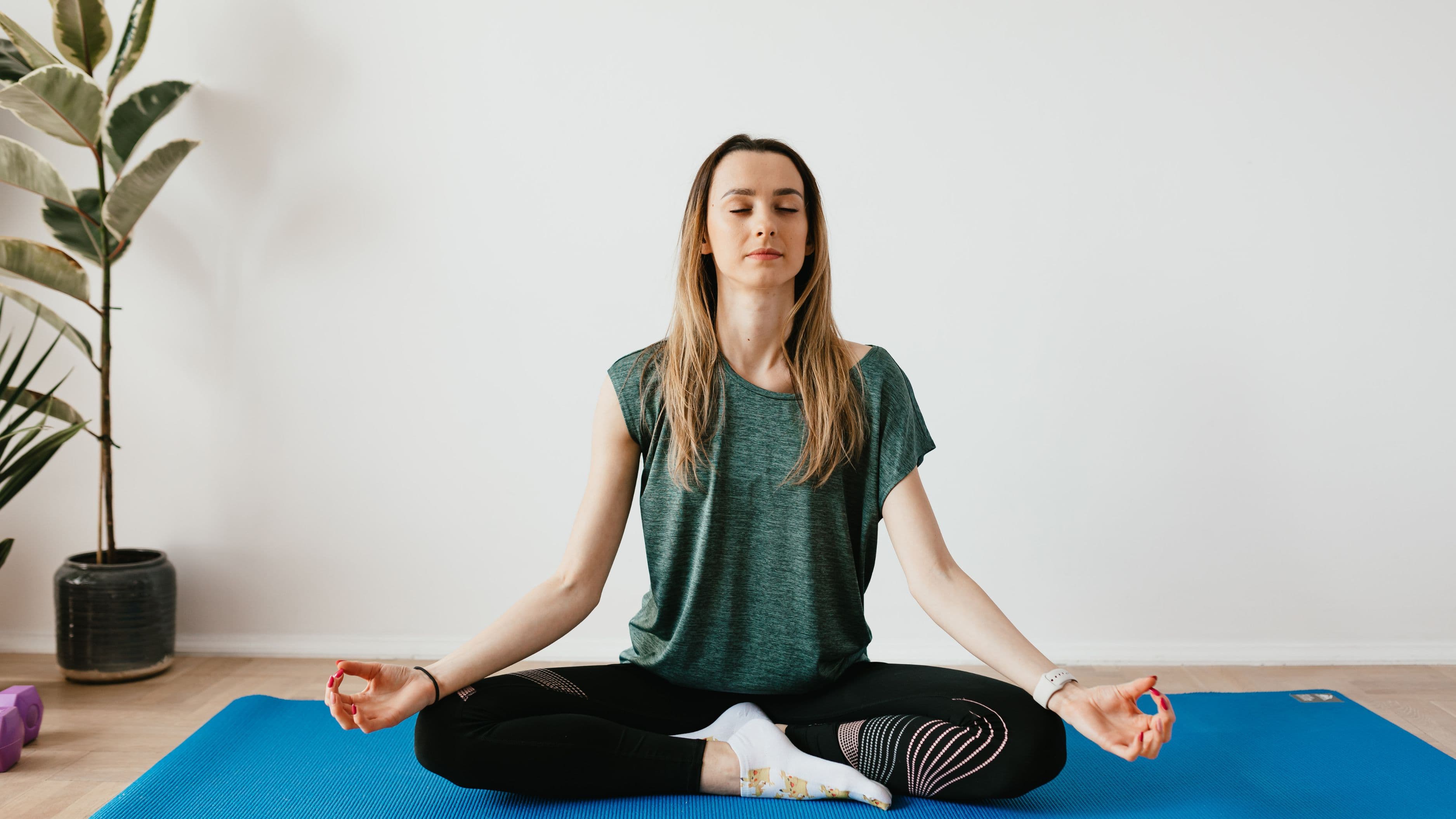
1. Chaotic mornings are a symptom, not a flaw
Here's the thing nobody tells you when you're watching morning routine videos filmed in airy apartments with soft-focus light: chaos in the morning usually signals something deeper. It's not laziness. It's often a sign that the entire structure of your day isn't aligned with what you actually need.
According to a study published in the Journal of Applied Social Psychology, people with a strong sense of personal agency over their daily routines reported significantly lower stress levels and higher life satisfaction. That's not about waking up at 5 a.m.—it's about ownership. When you feel like your morning is happening to you rather than for you, no productivity hack will help. The fix starts at the root: understanding why your mornings feel frantic in the first place.
2. Your ideal morning isn't someone else's
Scrolling through wellness content will have you convinced that a good morning looks like lemon water, journaling, a 45-minute run, cold shower, and breathwork—all before 7 a.m. That's aspirational at best and suffocating at worst. The truth is, the most effective morning routine is the one built around your biology, your responsibilities, and your version of peace.
Are you someone who needs silence to feel grounded? Then forcing yourself into a high-energy workout first thing is fighting your own nervous system. Are you a slow-starter who thrives on gentle transitions? Jumping straight into deep work will leave you foggy by noon. Before building any routine, ask yourself one honest question: What do I actually need to feel like myself by mid-morning? That answer is the only place to begin.
3. Anchor habits beat long checklists
One of the most quietly damaging things the productivity world has done is convince us that more rituals equal more results. They don't. A morning with eight steps to complete becomes a morning you dread—or skip entirely when life gets messy, which it will.
Instead, think in anchor habits: one or two non-negotiables that tether you to yourself no matter what. For some people it's five minutes of stillness before touching a phone. For others, it's making a slow cup of coffee with full attention—no screens, no rushing, just the warmth of the mug and the smell of something good. Neuroscientist and author Dr. Andrew Huberman has noted that deliberate morning light exposure and the first hour of behavior sets a neurological tone for the rest of the day. You don't need ten rituals. You need two that actually mean something.
4. The phone is the morning thief
You probably already know this, and knowing hasn't stopped you. That's because the pull of the phone in the first minutes of waking isn't just habitual—it's neurological. The moment you open a notification, your brain shifts into reactive mode, scanning for what needs your attention. Feel the difference between waking up and easing into yourself versus waking up and immediately absorbing someone else's urgency.
Research from IDC found that 80% of smartphone users check their phones within 15 minutes of waking up. Eighty percent. And most of them report feeling more anxious, not less, after doing so. If you do nothing else, protect the first 20 minutes of your morning from external input. No news, no email, no social scroll. That quiet window isn't wasted time—it's the foundation everything else gets built on.
5. Movement doesn't have to mean a workout
The word "movement" in wellness spaces has become almost synonymous with structured exercise, which means people who aren't morning gym-goers often skip it entirely. But your body doesn't need a HIIT class to wake up—it needs circulation, breath, and a signal that the day has begun.
A five-minute stretch on the floor while the coffee brews. A slow walk around the block with no destination in mind. Rolling your shoulders and taking three deep, intentional breaths by an open window. These aren't placeholders for "real" exercise—they are genuinely regulating for your nervous system. Feel the breath move through your chest. Notice the way your spine lengthens when you stand tall. These small physical rituals connect you back to your body, which is where the rest of your day actually lives.
6. Nourishment before stimulation
Most of us fuel our mornings backwards—stimulation first (coffee, screens, noise), nourishment second (food, water, quiet) if at all. But flooding a tired, dehydrated system with caffeine before it's had a chance to settle is a bit like revving a cold engine. It works, but it's hard on the machinery.
A glass of water before coffee isn't revolutionary, but it matters. So does eating something with actual substance rather than snacking out of stress while multitasking. You don't need a perfect breakfast—just one that acknowledges that your body carried you through the night and has earned something real to start the day. That simple act of feeding yourself with intention is its own form of self-respect.
7. Flexibility is the whole point
The morning routine that actually works isn't rigid. It doesn't collapse when your kid wakes up early, when you slept terribly, or when life hands you a week that can't be scheduled. The goal isn't to protect the routine—it's to protect the feeling the routine creates.
If your full morning practice is a 60-minute ritual, know your 10-minute version and your 3-minute version too. What's the one thing, even on the worst morning, that helps you feel a little more like yourself? Find that thing and guard it fiercely—not as a checkbox, but as an act of devotion to the person you're trying to become. A routine built on grace rather than guilt will outlast every strict system you've ever tried.
Coming Home to Yourself
The morning is a threshold. Every single day, you get to decide what kind of person crosses it. Not perfectly, not grandly—just intentionally. The routine that works isn't the one with the most steps or the earliest alarm. It's the one you return to because it makes you feel, even briefly, like you're living a life that belongs to you.
Start small. Start honest. Start where you actually are, not where you think you should be. Let your morning be a practice, not a performance. And on the days it falls apart—because it will—know that the next morning is already waiting, unhurried and full of possibility.
📚 Sources
Langer, E. J., & Rodin, J. (1976). The effects of choice and enhanced personal responsibility for the aged. Journal of Personality and Social Psychology, 34(2), 191–198.
IDC Research. (2013). Always Connected: How Smartphones And Social Keep Us Engaged. IDC White Paper, sponsored by Facebook.
Huberman, A. (2021). Toolkit for Sleep. Huberman Lab Podcast. hubermanlab.com.