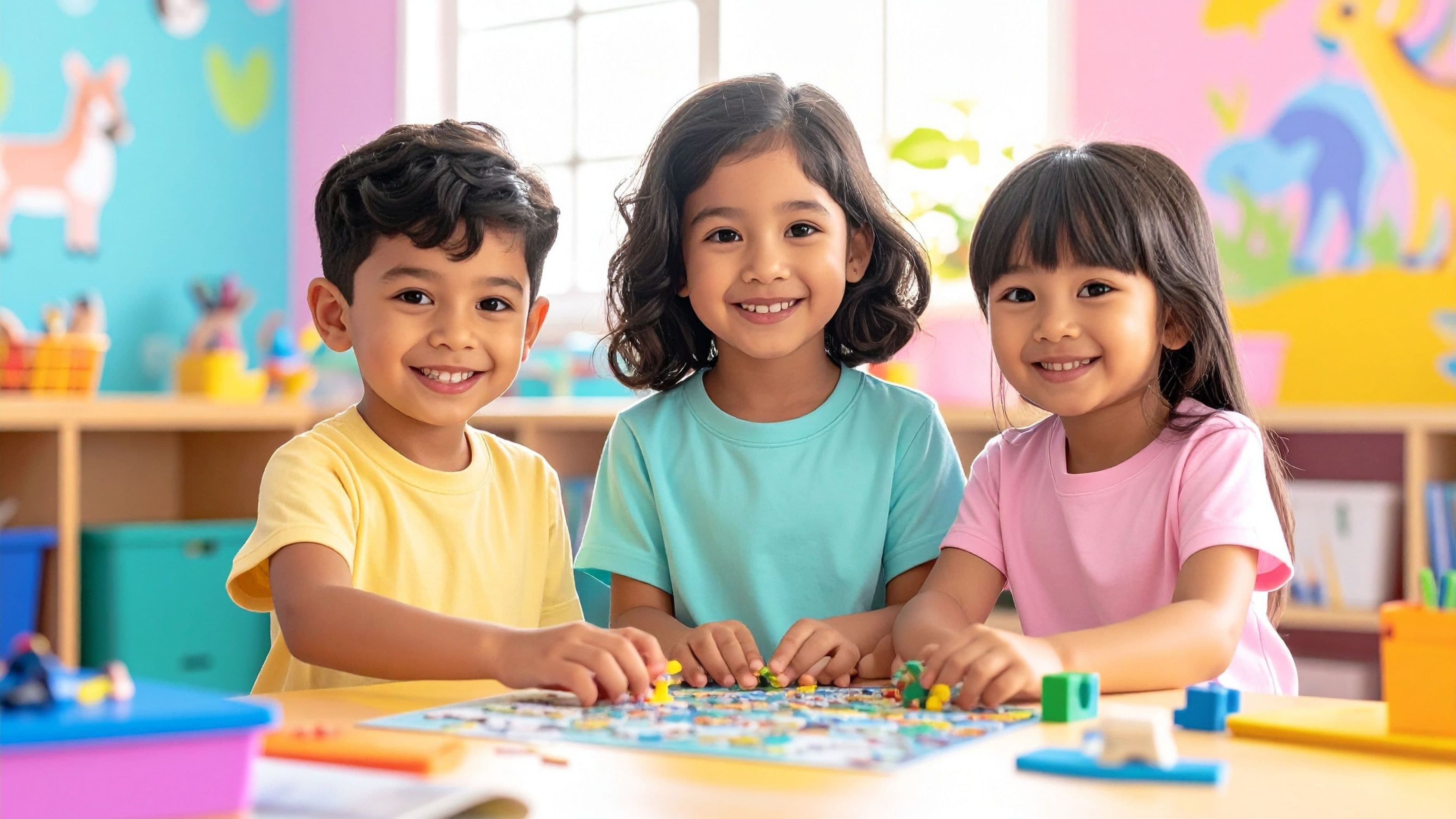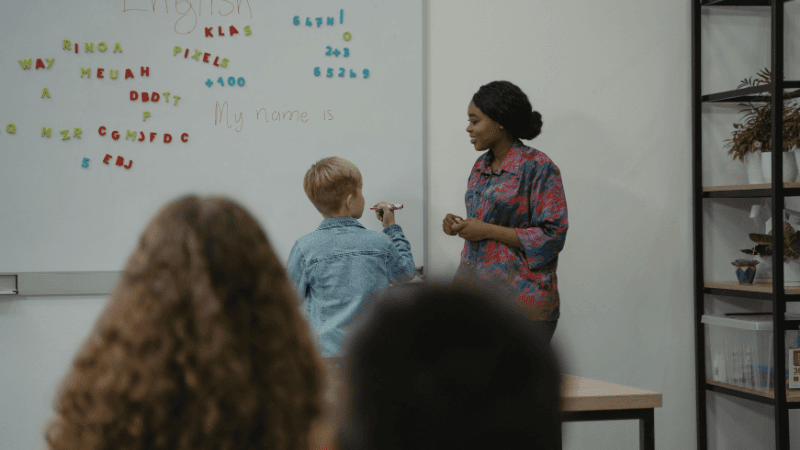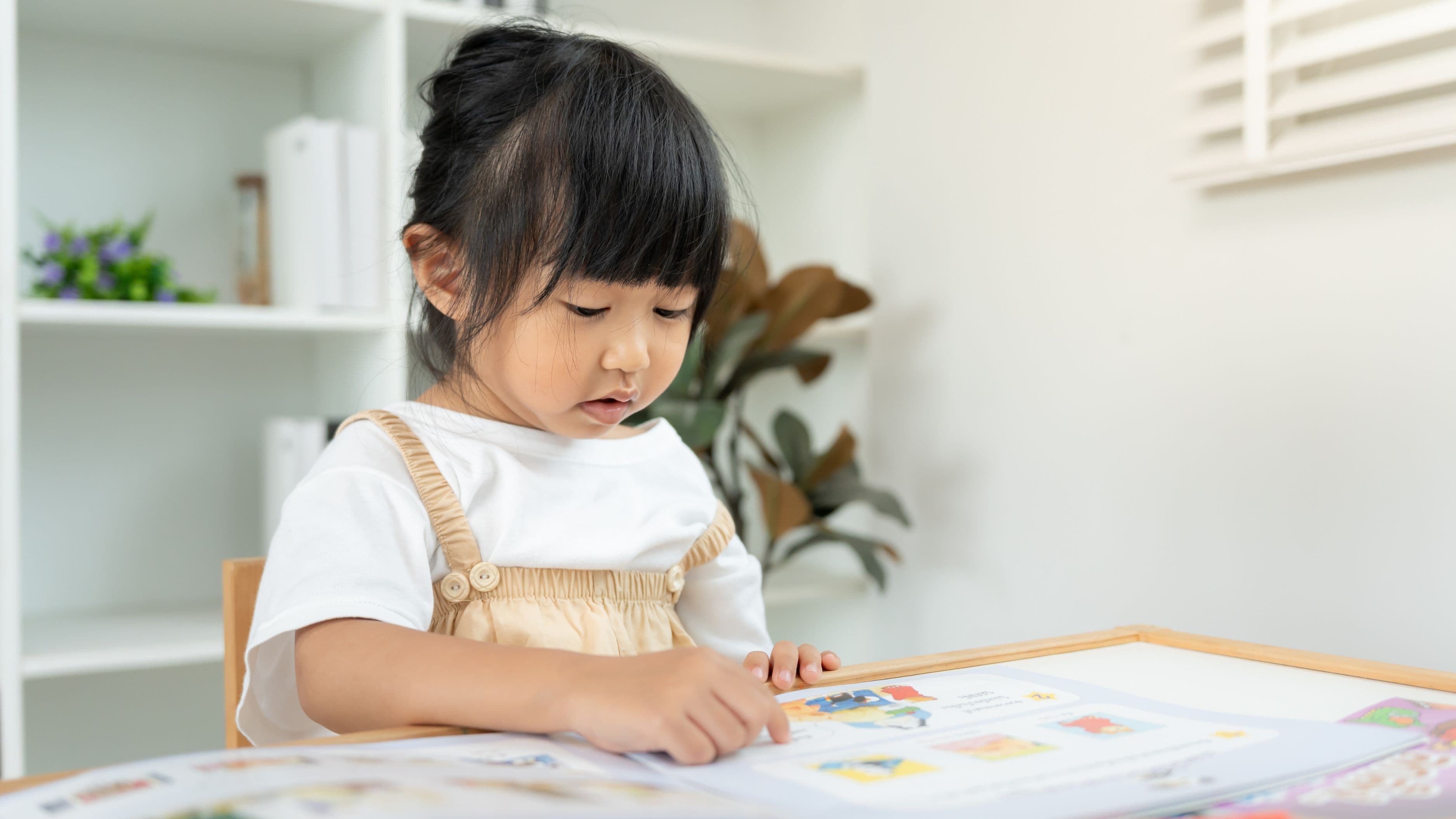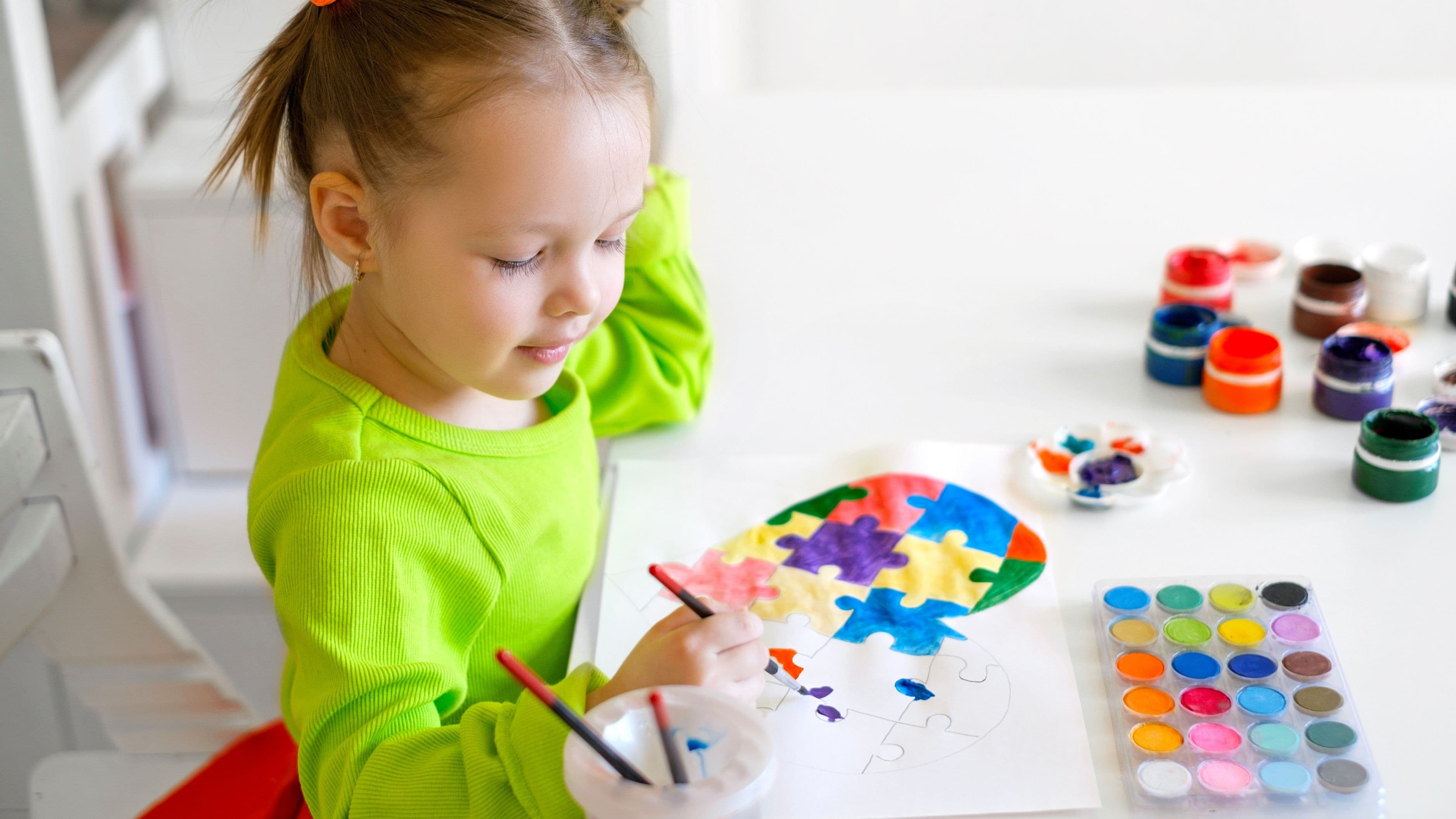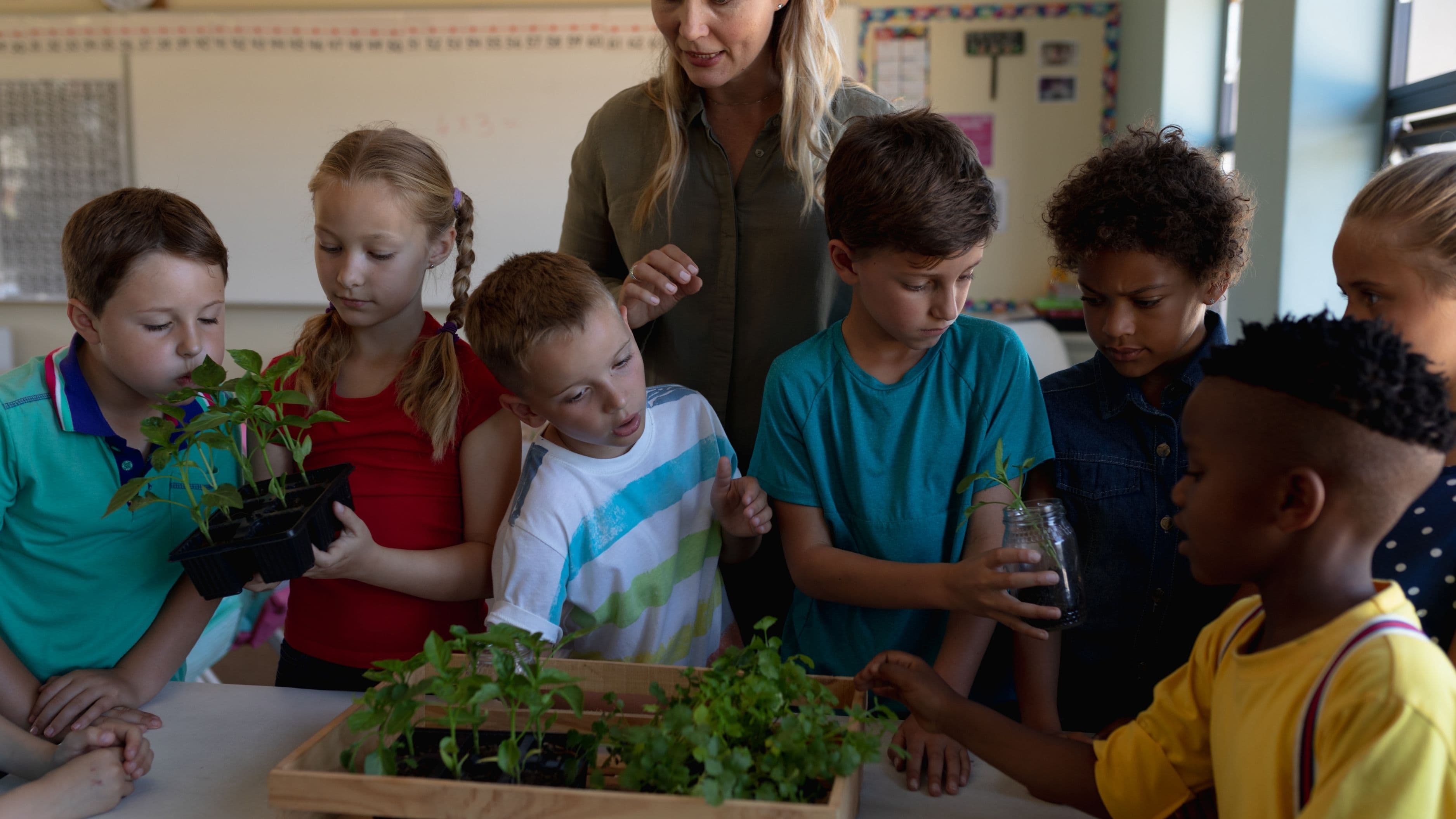
That classroom is Montessori — and if you've stumbled across it while researching schools, you've probably felt a mix of intrigue and skepticism in equal measure. Is it a philosophy? A method? A lifestyle for a certain kind of parent? The answer is: it's all three, depending on who's implementing it and how seriously they take the principles. And whether it's right for your child is a question worth sitting with carefully, not answered with a quick Pinterest scroll.
This article is for parents weighing a real decision, and for educators curious about what the research actually says. What follows dismantles the most persistent myths about Montessori education, replaces them with grounded truths, and helps you think clearly about fit — because the best school for any child is never one-size-fits-all.
What Montessori Actually Is
Before the myths, a foundation. Dr. Maria Montessori was an Italian physician and educator who, in 1907, opened her first Casa dei Bambini (Children's House) in a low-income district of Rome. What she observed changed her life's work: when children were given freedom within a carefully prepared environment, they didn't descend into chaos. They focused. They repeated tasks with intense concentration. They helped each other. They were, in her words, normalized — not in the sense of conformity, but in the sense of becoming fully themselves.
The Montessori method rests on several interlocking principles: the prepared environment (a thoughtfully arranged space where every material has a purpose), the role of the guide (teachers who observe and facilitate rather than instruct and direct), uninterrupted work periods (typically three hours of child-led activity), mixed-age classrooms (usually spanning three years), and hands-on, self-correcting materials that teach concepts through touch and repetition before abstraction. These aren't decorative features — each one reflects a specific understanding of how children develop, and removing any one of them changes the method substantially.
Myth 1: It's Only for "Gifted" Kids
Truth: Montessori was literally designed for marginalized children.
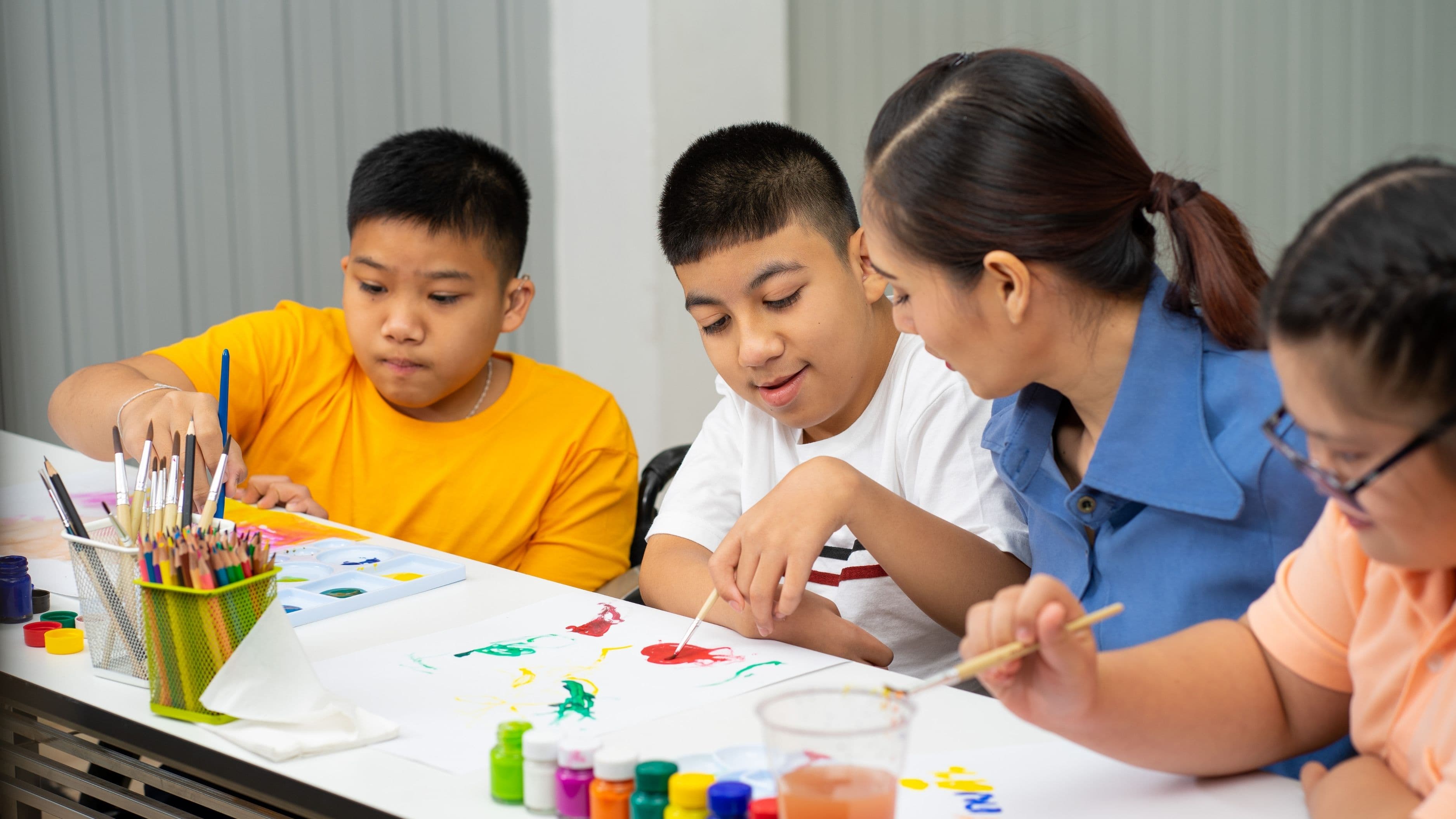
The persistent image of Montessori as a premium option for academically advanced children couldn't be further from its origin. Dr. Montessori developed her method first with children who had been labeled uneducable — children with cognitive and developmental differences who had been institutionalized. When those children passed the same state exams as their typically developing peers, she didn't celebrate. She asked why the typical schools were doing so little with so much.
Montessori classrooms are designed to meet children exactly where they are. The self-paced structure means a child who needs more time with a concept can take it, without the shame of "falling behind" a class that has already moved on. Research from the Brookings Institution has found Montessori programs in public school settings to be particularly effective for children from lower-income backgrounds, narrowing achievement gaps in literacy and mathematics. The myth of exclusivity is largely a product of the private-school market, not the method itself.
Worth knowing: Many cities now have public Montessori schools operating within the traditional school system. If cost has felt like a barrier, it may be worth researching what's available locally — the options are broader than the private-school reputation suggests.
Myth 2: There Are No Rules or Structure
Truth: Freedom and structure aren't opposites — Montessori holds both.
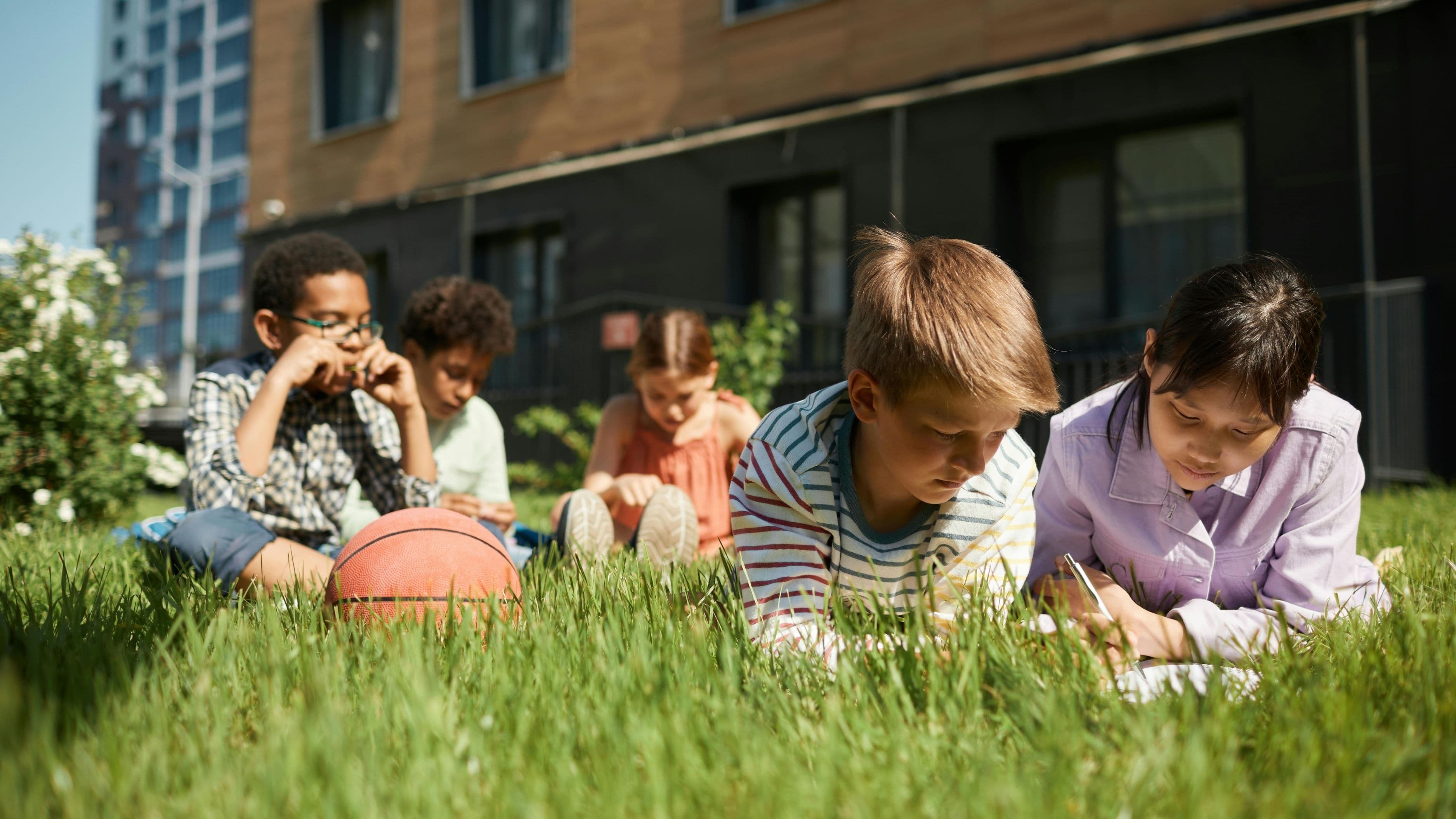
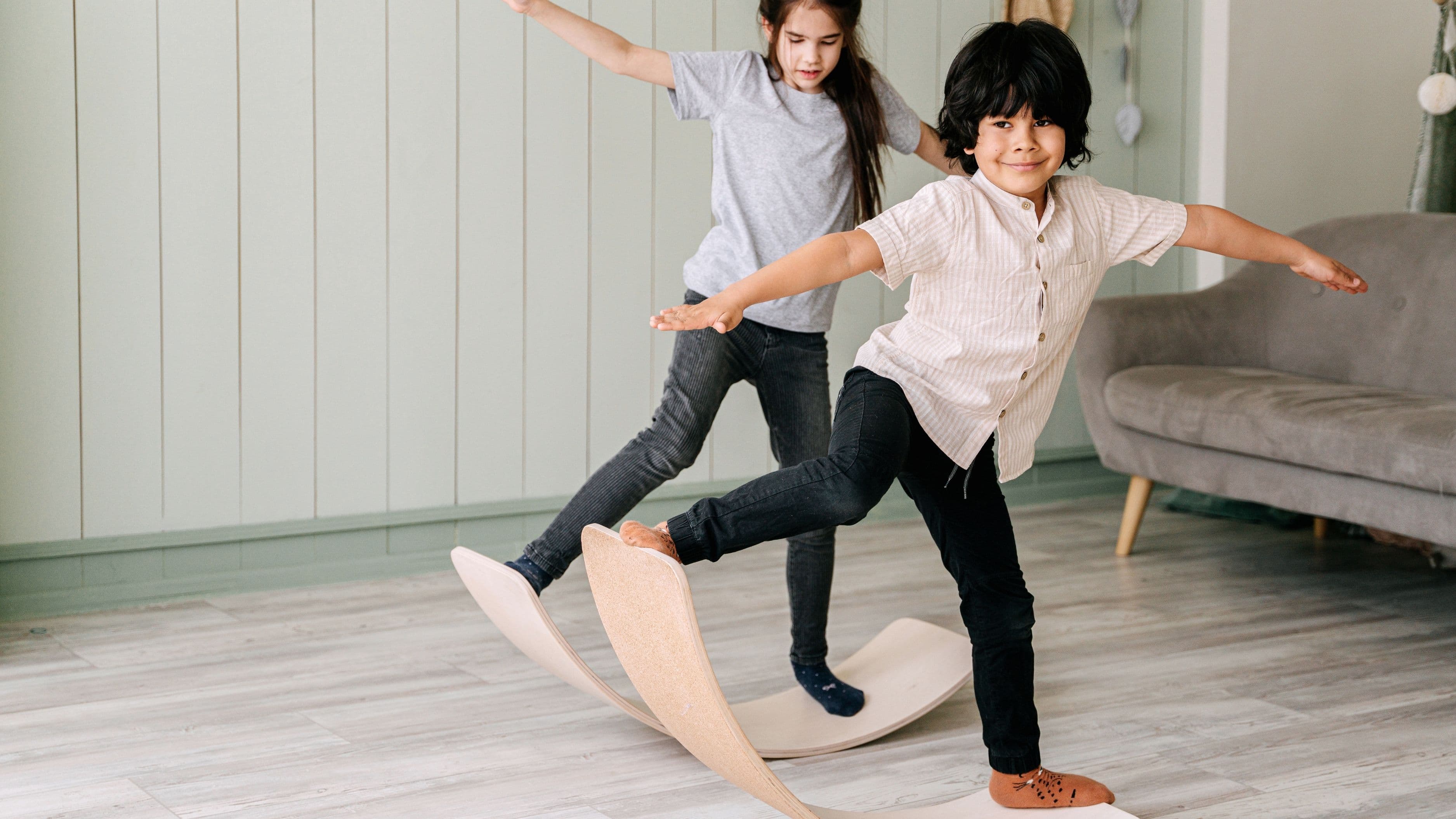
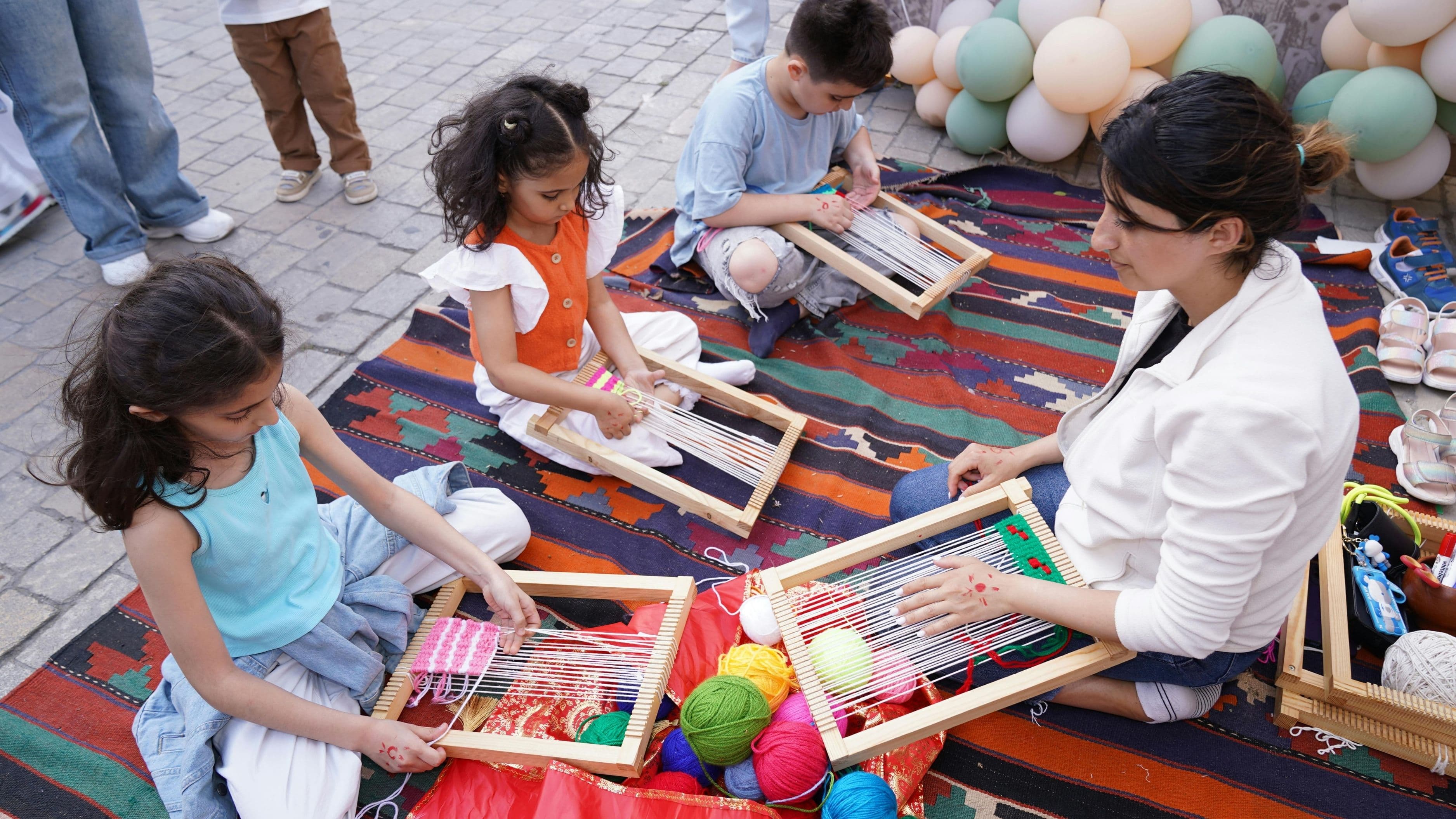
Walk into a Montessori classroom and your first impression might be: controlled chaos. Children are moving. Some are on the floor with materials spread out. Others are at tables working alone, or in quiet pairs. No one appears to be "teaching" in the conventional sense. It can look, to untrained eyes, like a very expensive playroom.
But look closer and something different emerges. The movement is purposeful. The materials are returned to their exact spots when work is complete. The noise level stays low without anyone enforcing it — because the children are genuinely absorbed. The freedom in a Montessori classroom is not freedom from expectations; it's freedom within a framework of deeply internalized agreements about how shared space works. Children learn to resolve conflict, manage materials, and regulate their own attention — not because they're told to, but because the environment makes those skills both necessary and natural.
The three-hour uninterrupted work period is itself a profound structure. It mirrors the neurological reality of deep focus — that meaningful cognitive work requires extended, uninterrupted time to reach the kind of concentration where real learning happens.
Myth 3: Kids Won't Be Ready for "Real" School
Truth: The research on long-term outcomes is genuinely encouraging.
The anxiety is understandable: if your child spends early years in a Montessori environment, will they be able to sit still in a traditional classroom, follow a schedule, take tests? It's a fair question — and the evidence offers a reassuring answer, with some nuance.
A landmark longitudinal study by Angeline Lillard and Nicole Else-Quest (2006), published in Science, found that children in high-fidelity Montessori programs at age five showed significantly better outcomes in literacy, math, executive function, and social cognition than peers in conventional schools. By age twelve, Montessori-educated students demonstrated stronger writing skills, more sophisticated story construction, and greater reported sense of community. A 2017 follow-up study by Lillard found similar results for children from lower-income backgrounds in public Montessori programs.
The nuance: quality varies enormously. A school using the "Montessori" name without certified teachers, proper materials, or genuine implementation of core principles is not actually Montessori — it's branding. When evaluating any program, asking specifically about teacher certification (AMI or AMS credentials are the gold standard), the length of the work period, and the age-mixing structure will tell you far more than the name above the door.
Myth 4: It Doesn't Work for Teenagers
Truth: Adolescence may be when Montessori matters most.
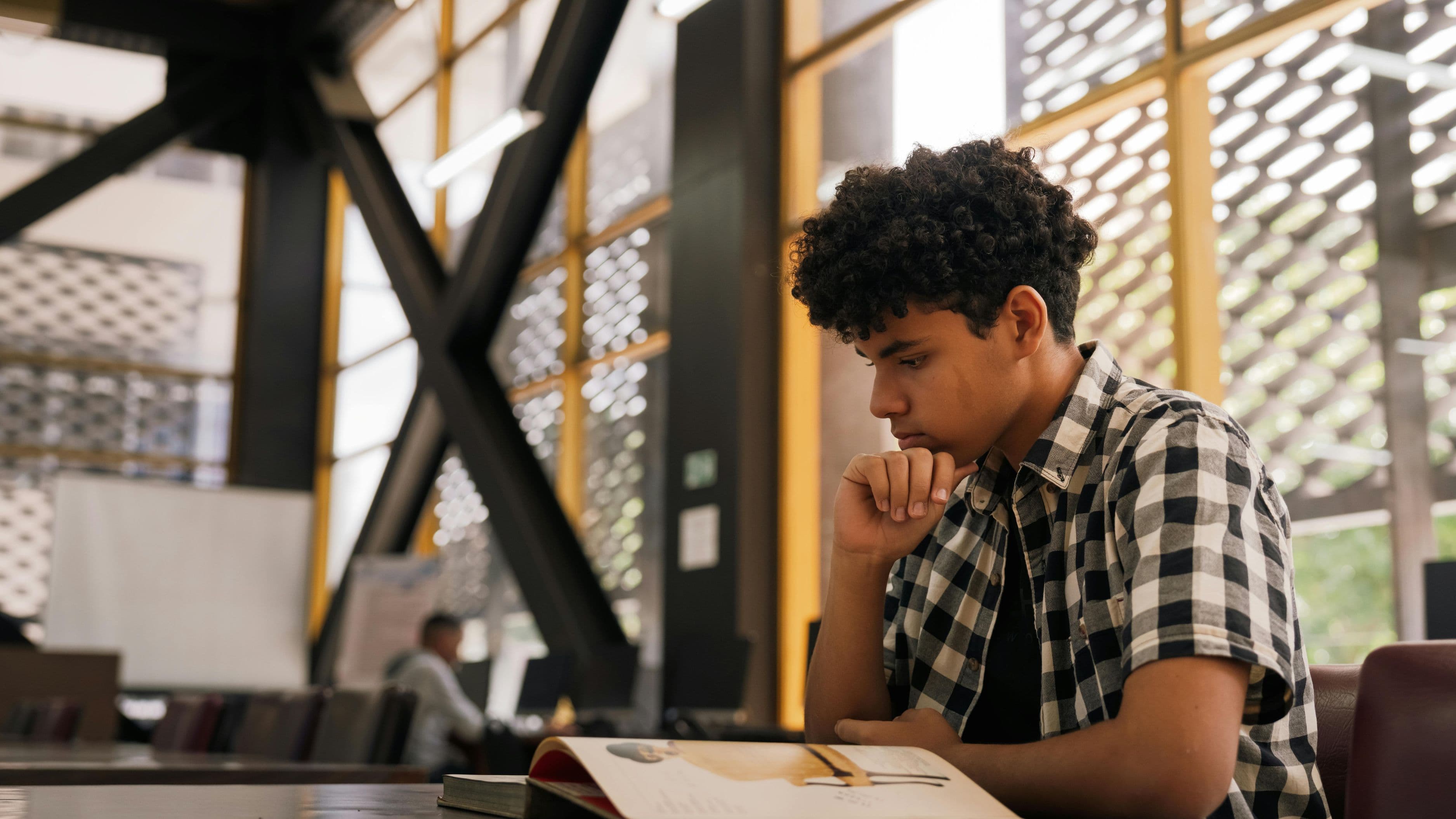
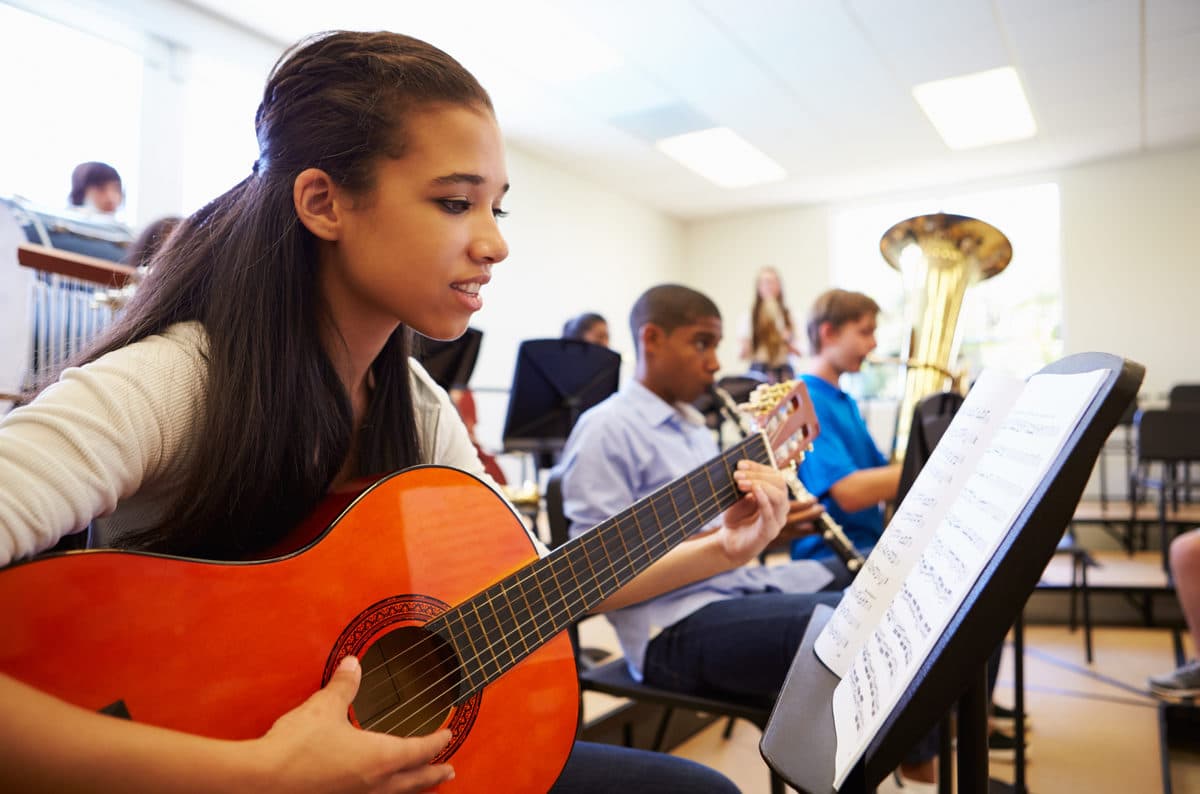
Most people associate Montessori with early childhood — the beautiful wooden materials, the tiny chairs, the carefully named three-year-old doing practical life activities with genuine concentration. But Dr. Montessori wrote extensively about adolescence, describing it as a second period of intense psychological reconstruction comparable to early childhood. She envisioned what she called Erdkinder — "children of the earth" — a model for adolescent education rooted in real work, community contribution, and connection to the natural world.
Secondary Montessori programs are rarer than early childhood ones, but they exist and they're growing. In these environments, teenagers take on genuine responsibility — running school enterprises, engaging in community projects, pursuing deep independent study in areas of real interest. The outcomes reported consistently include stronger intrinsic motivation, greater sense of purpose, and better emotional regulation. For an age group that traditional schooling notoriously struggles to reach, that's worth more than a raised eyebrow.
Myth 5: It's Anti-Technology and Out of Touch
Truth: Montessori isn't anti-tech — it's pro-embodied learning first.
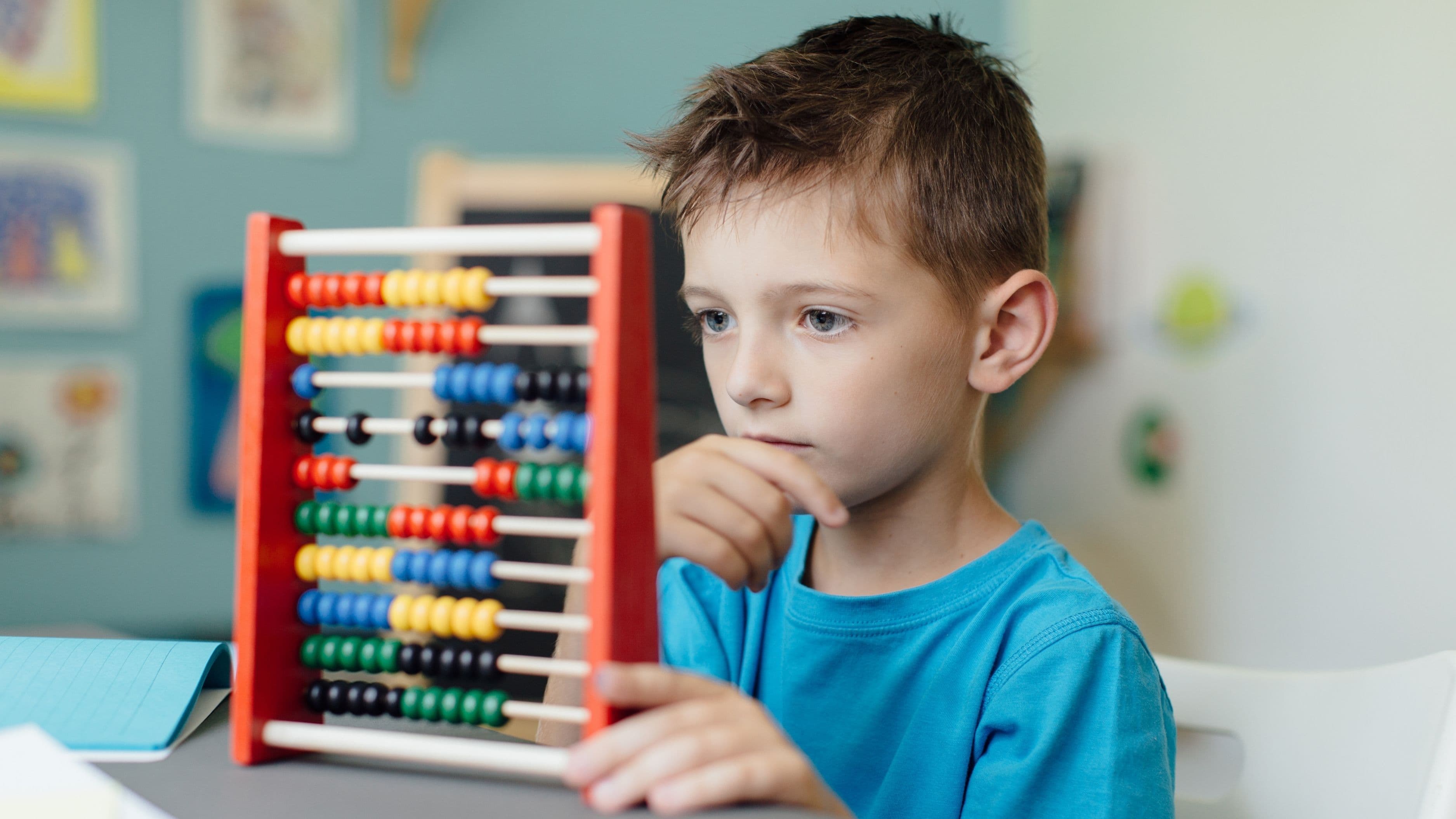
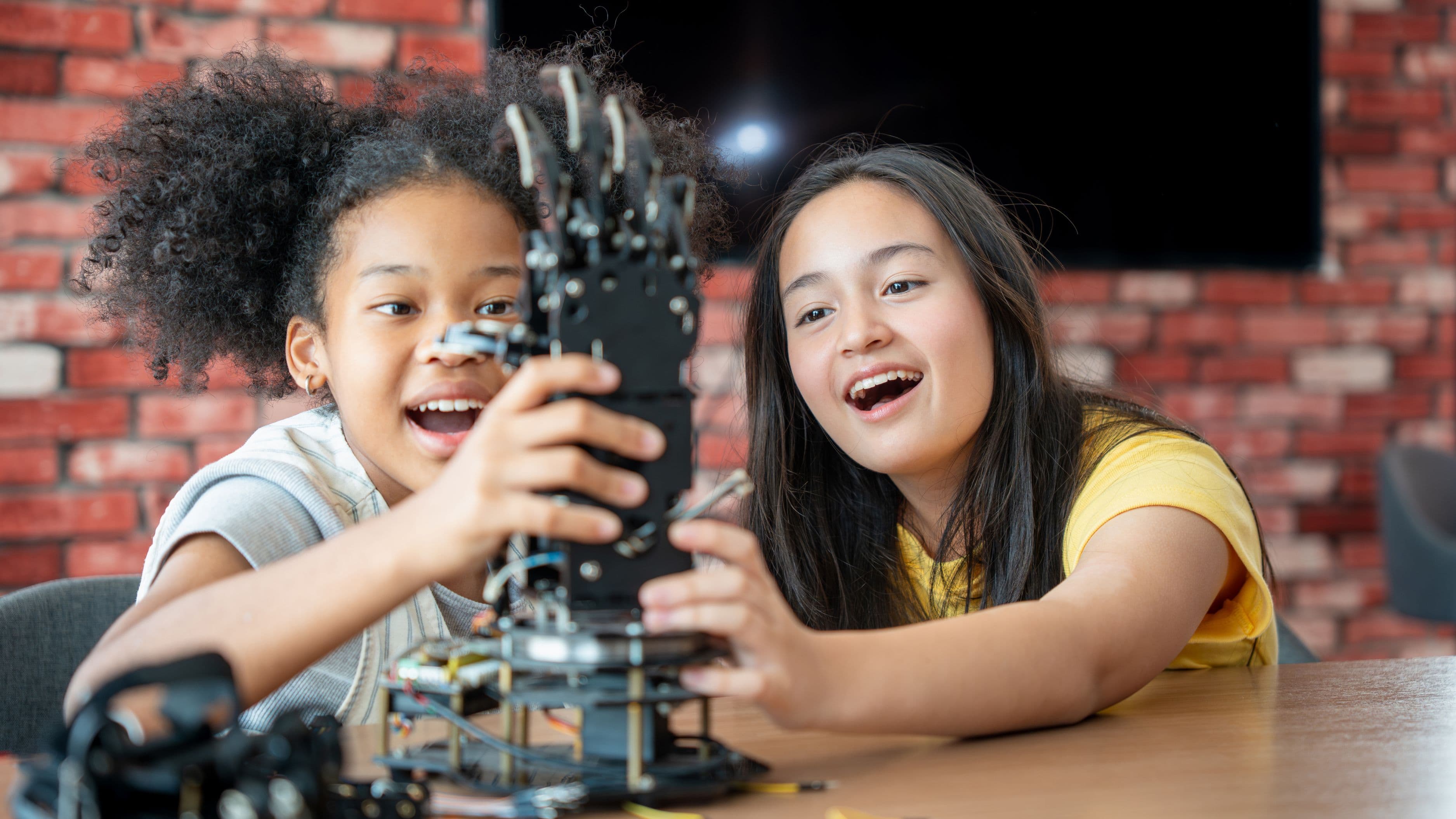
The absence of screens in most Montessori early childhood classrooms often reads as anachronistic, even irresponsible to parents who believe digital literacy is essential. The actual reasoning is more sophisticated than nostalgia. Montessori materials are designed to develop the hand-brain connection — the sensorimotor pathways that research in neuroscience increasingly identifies as foundational to abstract thinking. A child who has physically manipulated thousands and units with wooden beads has built a bodily understanding of place value that a screen exercise simply cannot replicate.
This is not a rejection of technology — it's a sequencing argument. Dr. Montessori's method is built on the premise that the hands teach the mind, and that premature abstraction (including the flat, swipeable world of screens) bypasses the concrete experience that makes abstraction meaningful later. Many Montessori schools introduce technology thoughtfully in the elementary years, after the sensorimotor foundation is established. The question isn't screens versus no screens — it's when and why.
Is It Right for Your Child?
Here's the honest answer: Montessori is not universally right for every child, every family, or every circumstance — and any educator or school that tells you otherwise should be regarded with some skepticism.
Children who tend to flourish in Montessori environments are those who respond well to intrinsic motivation, who have strong curiosity drives, who benefit from physical engagement with learning materials, and who do better with fewer external behavioral controls. Children who struggle tend to be those who find open-ended choice anxiety-inducing, who need more external scaffolding and explicit instruction to feel secure, or who thrive on the social energy of whole-group activities and teacher-directed learning.
For parents, the fit question is also practical: Are you prepared for a school that doesn't send home weekly graded tests? Can you resist the urge to interpret a child's absorption in one area as "falling behind" in another? Are you willing to trust a process that unfolds differently than your own schooling did? These aren't gotcha questions — they're genuine considerations, because the most beautifully implemented Montessori classroom can be undermined at home by a parent whose anxiety about performance overrides the child's developing self-direction.
For educators exploring the approach: the training is rigorous, the philosophy is deep, and the rewards — watching a child enter the state of flow that Montessori called normalization — are among the most profound experiences the profession offers.
Let Go of the Perfect School Fantasy
The search for the "right" school can become its own form of anxiety spiral, a pursuit of the perfect environment that will guarantee a certain kind of child and a certain kind of future. Let go of that. No school is a guarantee of anything — but the values embedded in Montessori education (autonomy, intrinsic motivation, deep work, community responsibility, respect for the child's inner life) are values worth understanding regardless of which school you choose.
The deeper question beneath "Is Montessori right for my child?" is this: What do I believe learning actually is? Is it the transfer of information from an authority figure to a passive recipient? Or is it the active construction of understanding by a curious, capable human being who needs the right conditions to do what they were born to do?
Let go of the model that treats children like empty vessels to be filled. Start making choices — in classrooms, in homes, in conversations — that treat them like the whole, intelligent, deeply motivated people they already are.
📚 Sources
Lillard, A. S., & Else-Quest, N. (2006). Evaluating Montessori education. Science, 313(5795), 1893–1894.
Lillard, A. S. (2012). Preschool children's development in classic Montessori, supplemented Montessori, and conventional programs. Journal of School Psychology, 50(3), 379–401.
Lillard, A. S., et al. (2017). Montessori preschool elevates and equalizes child outcomes: A longitudinal study. Frontiers in Psychology, 8, 1783.
Rathunde, K., & Csikszentmihalyi, M. (2005). Middle school students' motivation and quality of experience: A comparison of Montessori and traditional school environments. American Journal of Education, 111(3), 341–371.
Montessori, M. (1948/1994). From Childhood to Adolescence. ABC-Clio.
Debs, M. (2019). Diverse Families, Desirable Schools: Public Montessori in the Era of School Choice. Harvard Education Press.
Zosh, J. M., et al. (2017). Learning through play: A review of the evidence. LEGO Foundation White Paper. (Referenced for embodied learning and screen-time sequencing.)