
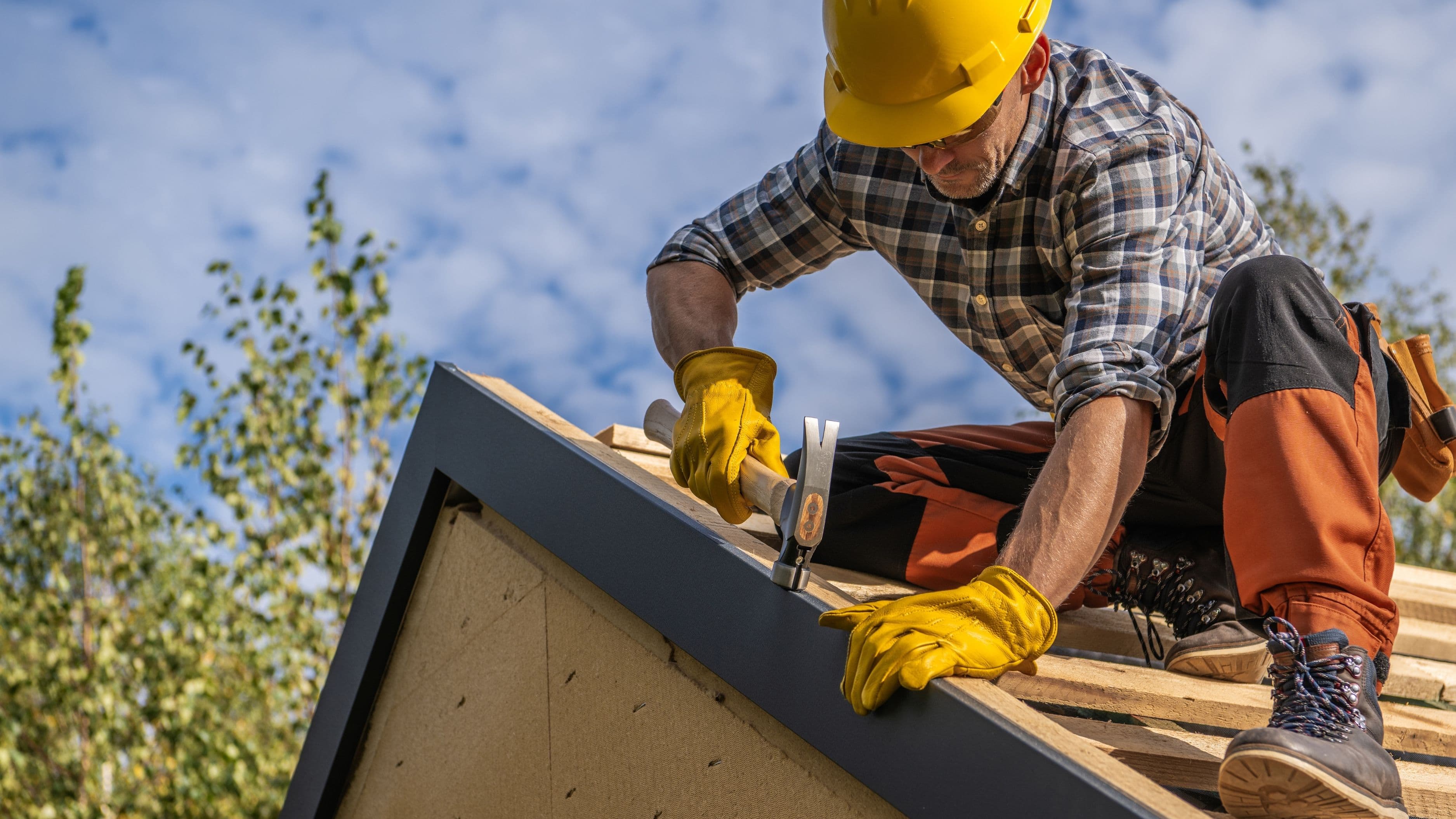
A roof does more than keep the rain out—it shapes the entire personality of your home. The right roofing material can make a house look sleek and modern while quietly standing guard against wind, heat, and time.
Today’s roofing options combine beauty, strength, and smart engineering. If you’re planning a renovation or building from scratch, these modern materials can elevate both durability and design in ways traditional roofing never could.
Below are practical, modern roofing ideas that bring together protection and style.
1. Architectural Asphalt Shingles
Architectural shingles add depth and dimension that traditional flat shingles simply can’t match. Their layered design creates a textured look while improving resistance to wind and weather.
Modern versions are built thicker and stronger, often lasting decades longer than standard asphalt shingles.
2. Metal Roofing Panels
Metal roofing offers a clean, contemporary look that catches sunlight and sheds rain with ease. It’s lightweight yet incredibly tough, resisting fire, wind, and even heavy snow.
Many metal roofs now include reflective coatings that bounce heat away from the house, helping reduce cooling costs.
3. Standing Seam Metal Roofs
Standing seam roofs feature sleek vertical lines that instantly give homes a modern architectural vibe. The raised seams lock panels together tightly, preventing leaks and strengthening durability.
This design also allows the roof to expand and contract naturally with temperature changes, reducing long-term wear.
4. Synthetic Slate Tiles
Natural slate is beautiful but heavy and expensive. Synthetic slate mimics the same rich texture and elegance while weighing far less and requiring minimal structural reinforcement.
These tiles are designed to resist cracking, fading, and moisture damage.
5. Clay and Concrete Tiles
Clay and concrete tiles bring timeless Mediterranean charm while offering impressive durability. Their curved shapes allow airflow beneath the roof, helping regulate temperature.
These tiles can last more than 50 years with proper maintenance.
6. Composite Roofing Materials
Composite roofing blends fiberglass, recycled plastics, and other durable materials to create strong yet lightweight shingles. The result is a roof that can imitate wood, slate, or tile without the maintenance challenges.
Many homeowners appreciate that composite roofs often use recycled materials, making them more environmentally friendly.
7. Cool Roofing Systems
Cool roofs are engineered to reflect more sunlight and absorb less heat. The surface often feels noticeably cooler under the sun, helping homes stay comfortable during hot summers.
This technology can reduce energy use and extend roof lifespan by minimizing heat stress.
8. Solar Roof Shingles
Solar shingles combine roofing materials with energy production. Instead of installing bulky panels on top of a roof, the shingles themselves generate electricity.
They blend into the roofline, creating a seamless look while producing clean energy.
9. Green Roof Systems
Green roofs introduce living vegetation to the top of a building. Layers of soil, drainage systems, and hardy plants transform the roof into a natural insulation layer.
Besides beauty, green roofs help reduce urban heat and improve air quality.
10. Synthetic Cedar Shake
Cedar shake roofs have a rustic charm that feels warm and inviting. Synthetic versions recreate the textured appearance of natural wood while resisting rot, insects, and moisture.
The result is the look of cedar without the constant maintenance.
11. Rubber Roofing Membranes
Rubber roofing—often made from EPDM or similar materials—is common on modern flat roofs. It forms a flexible, waterproof barrier that withstands extreme temperature swings.
Properly installed rubber roofs can last decades while requiring very little upkeep.
12. Stone-Coated Steel Roofing
Stone-coated steel roofs combine the strength of metal with the textured look of traditional shingles or tiles. A layer of stone granules bonded to steel panels creates a rugged yet refined appearance.
This hybrid approach provides exceptional impact resistance and long-term durability.
13. Aluminum Roofing
Aluminum roofing is highly resistant to corrosion, making it especially useful in humid or coastal environments. Its natural reflectivity helps reduce heat absorption during sunny days.
Despite its lightweight nature, aluminum roofing systems can last 40–70 years.
14. Copper Roofing Accents
Copper roofs develop a beautiful green patina over time, giving homes a distinctive and elegant character. Though often used as accents rather than full roofs, copper stands out with unmatched visual appeal.
Beyond beauty, copper is naturally resistant to corrosion and can last over a century.
15. Zinc Roofing Panels
Zinc roofing offers a sleek, understated look that evolves over time. As it ages, zinc forms a protective patina that actually strengthens the surface against corrosion.
Architects often choose zinc for contemporary homes because of its clean lines and self-healing properties.
16. Polycarbonate Roofing Panels
Polycarbonate panels allow natural light to filter through while maintaining strong protection from weather. These panels are commonly used for patios, sunrooms, and modern outdoor spaces.
Their transparency creates bright, airy environments while shielding interiors from rain and wind.
17. TPO Roofing Systems
Thermoplastic polyolefin (TPO) roofing is widely used for modern flat roofs. Its reflective white surface reduces heat absorption and improves energy efficiency.
TPO membranes are also resistant to punctures, chemicals, and ultraviolet damage.
18. Glass Roofing Panels
Glass roofs create dramatic spaces filled with sunlight. Modern laminated glass systems provide impressive strength and insulation while maintaining transparency.
They’re often used for architectural highlights such as skylights, atriums, and rooftop extensions.
19. Recycled Roofing Materials
Recycled roofing options use materials such as rubber, plastic, and reclaimed wood fibers. These products reduce landfill waste while delivering durability comparable to traditional materials.
Many modern recycled roofs are engineered to last 30–50 years.
20. Modular Roofing Systems
Modular roofing systems come in pre-engineered sections that snap together during installation. This speeds up construction while ensuring consistent quality and alignment.
The approach also simplifies repairs because individual sections can be replaced without disturbing the entire roof.
Conclusion
Your roof protects everything beneath it—but it can also define the style and character of your home. Modern roofing materials make it possible to combine strength, efficiency, and design in ways that were impossible just a decade ago.
Whether you’re drawn to sleek metal panels, eco-friendly green roofs, or elegant synthetic slate, there’s a solution that fits your climate, budget, and aesthetic vision.
📚 Sources
U.S. Department of Energy — Cool Roofs Guide
National Roofing Contractors Association (NRCA) — Roofing Materials Overview
Environmental Protection Agency — Heat Island Reduction Strategies
International Journal of Sustainable Built Environment — Green Roof Performance Studies