Why Less Can Genuinely Mean More Here
Kids remember feelings more than they remember decor. A child is far more likely to look back fondly on a relaxed afternoon playing a favorite game with people they love than on a perfectly color-coordinated dessert table they barely noticed in the moment. Simplifying the party isn't a sacrifice of joy, it's often a redirection of energy toward the parts that actually create the memory: connection, a bit of anticipation, and the feeling of being celebrated without chaos surrounding it.
There's also a real benefit for parents here. A simplified party reduces the pre-birthday stress that can quietly seep into the days leading up to the celebration, leaving you more present and less frazzled on the day itself, which your child will likely notice more than any themed napkin ever could.
Step 1: Ask Your Child What Actually Matters to Them
Before planning anything, have a simple conversation with your child about what would make their birthday feel special. Sometimes the answer is refreshingly modest, like having pizza for dinner, watching a favorite movie, or spending the whole day with one or two close friends rather than a large group. Starting here keeps the party grounded in what your child genuinely wants rather than what feels expected or impressive to other adults.
This step also helps you avoid over-investing in elements your child won't even notice, since kids often care far less about elaborate themes than parents assume, and far more about who's there and what they get to do.
Step 2: Pick One Focal Activity, Not Five
Instead of planning a packed schedule of games, crafts, and activities back to back, choose a single activity that will anchor the day. This might be a scavenger hunt in the backyard, a simple baking project together, a trip to a favorite park, or an at-home movie and pillow fort setup. One well-chosen activity, given room to breathe without rushing to the next thing, tends to create more genuine enjoyment than a rigid itinerary that leaves little space for spontaneous fun.
Giving an activity room to breathe also reduces the pressure on you as the planner, since a single well-executed idea is far more manageable than juggling several moving pieces throughout the day.
Step 3: Simplify the Guest List
A smaller guest list, focused on the people your child actually feels close to, often creates a warmer, calmer atmosphere than a large gathering that can feel more like a logistics challenge than a celebration. This doesn't mean excluding people who matter, but it does mean resisting the urge to invite an entire class or extended social circle out of obligation.
Smaller gatherings also tend to be easier on introverted or sensitive kids, who may find large, loud parties more draining than enjoyable, even if they'd never say so directly.
Step 4: Keep Decorations Minimal and Meaningful
A few balloons, a simple banner, or a favorite color theme can go a long way without requiring an elaborate, Pinterest-inspired setup. Consider letting your child pick one or two decorative elements that genuinely excite them, rather than covering every surface in themed items that took hours to assemble and will be thrown away within a day.
Reusable decorations, like a fabric banner or string lights, can also be brought out year after year, which reduces both cost and the mental load of starting from scratch each time.
Step 5: Simplify the Food Without Losing the Special Feeling
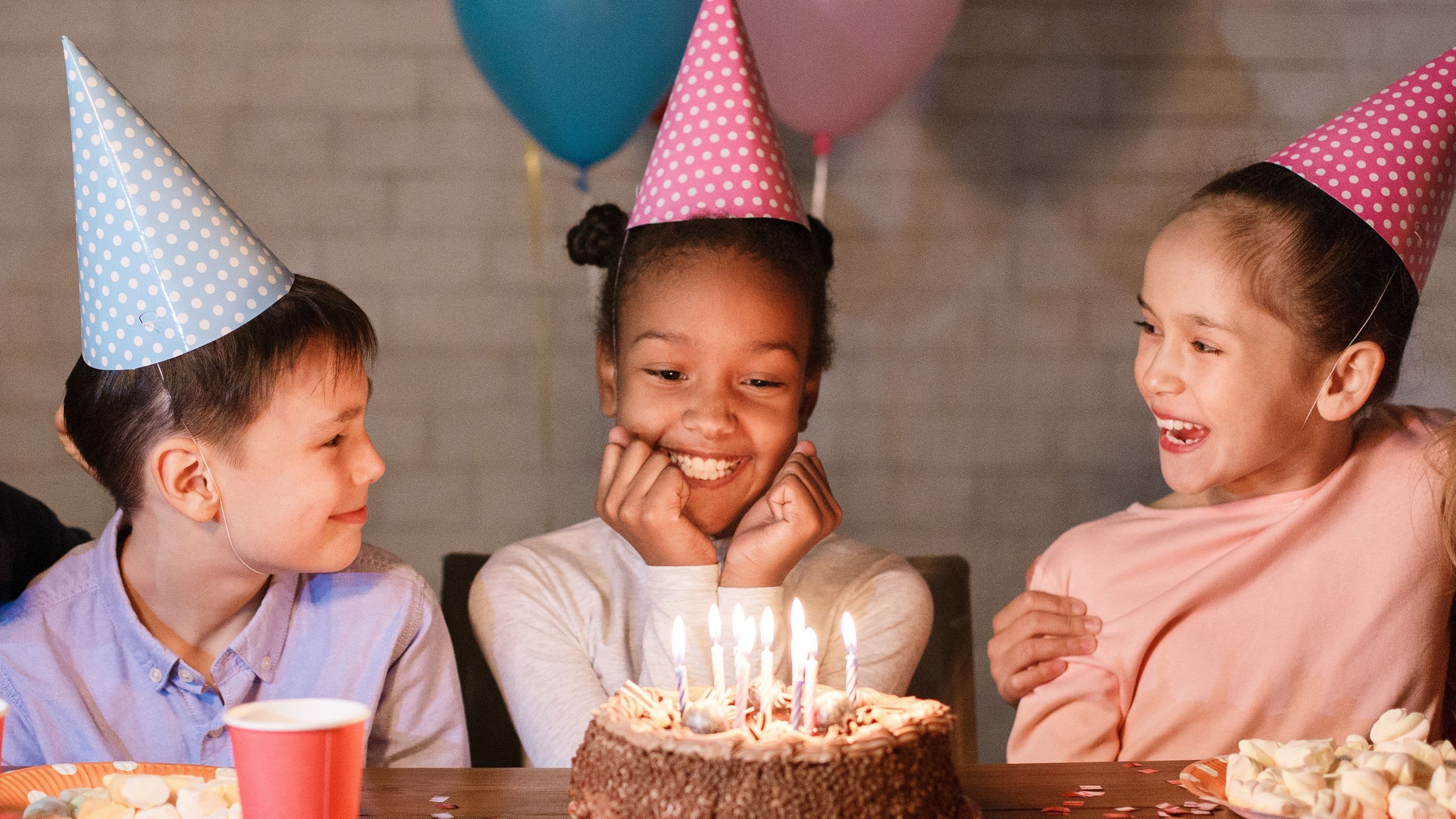
A homemade cake or a store-bought favorite dessert, paired with simple food your child already loves, is often more appreciated than an elaborate spread most guests barely touch. If cooking isn't your thing or time is tight, ordering a favorite meal like pizza or takeout still feels celebratory without requiring hours of preparation.
The goal isn't to cut corners on joy, it's to recognize that the food doesn't need to be complicated to feel festive. A cake with candles and a favorite meal often carries just as much emotional weight as an elaborate catered spread.
Step 6: Build in Unstructured Time
Resist the urge to fill every minute with planned activities. Leaving open, unstructured time allows kids to play naturally, follow their own interests, and avoid the exhaustion that comes from a tightly scheduled day. This unstructured space is often where the most memorable, unplanned moments of a birthday actually happen.
Tips for Consistency
If a minimalist approach to birthdays feels new for your family, start small by simplifying just one or two elements this year, like the guest list or the decorations, rather than overhauling everything at once. Over time, this approach tends to become easier and more natural, especially once you notice your child responding just as joyfully, if not more so, to a simpler celebration.
Common Mistakes to Avoid
A common misstep is confusing "minimalist" with "boring" and then compensating by adding back in extra activities or decorations out of guilt, which undoes the simplicity you were aiming for in the first place. Another is planning the party around what will look good in photos rather than what your child will genuinely enjoy experiencing in the moment. It's also worth avoiding comparison to other parents' elaborate parties, since a simpler celebration built around your specific child's preferences will almost always land better than a copied idea that doesn't quite fit them.
FAQ
Will my child feel like they missed out on a "bigger" party? Most kids care far more about feeling celebrated and connected to loved ones than about matching a Pinterest-style event, especially when they've had a say in what the day looks like.
How small is too small for a guest list? There's no universal number, but a good guide is inviting people your child would genuinely want to spend uninterrupted time with, rather than filling out the list based on obligation.
What if extended family expects something bigger? A brief, warm explanation that you're keeping things simple and focused on your child's actual preferences is usually enough, and most family members care more about being included than about the scale of the event.
📚 Sources
Child Mind Institute – "Helping Kids With Social Overload." https://childmind.org/
American Academy of Pediatrics – "Building Resilience in Children." https://www.aap.org/
Psychology Today – "The Value of Unstructured Play." https://www.psychologytoday.com/