Why Traditional Exercise Doesn't Work for Everyone
Not everyone is wired to enjoy structured fitness, and that's not a personal failing – it's just a mismatch between how movement is typically marketed and what actually feels good to different people. Traditional exercise culture often frames movement as something to endure for results, which can turn your body into an obligation instead of something you actually want to inhabit. Mindful movement flips this completely: instead of asking "how many calories did I burn," it asks "how does this feel right now."
What Mindful Movement Actually Means
Mindful movement is simply moving your body with full attention to how it feels, rather than moving on autopilot or purely to hit a fitness target. It doesn't require a class, an app, or any specific technique – just a willingness to notice your body as you move through your day.
This can look like slow stretching while paying attention to which muscles feel tight, walking without headphones and simply noticing your surroundings, or dancing alone in your kitchen because a song made you want to move.
Step 1: Start With What Already Feels Good
Instead of forcing yourself into a workout style you dread, think back to any physical activity you've genuinely enjoyed, even briefly – maybe it was dancing at a wedding, walking a new trail, swimming as a kid, or stretching after a long day at a desk. Whatever came to mind is a much better starting point than anything a fitness influencer recommends, because your body already has some association with enjoying it.
Step 2: Drop the Goal of "Working Out"
Give yourself permission to move without a specific goal attached, like burning a certain number of calories or completing a set number of reps. This might feel uncomfortable at first if you're used to tracking every workout, but the shift from performance to presence is exactly what makes mindful movement sustainable long-term. Notice how your body feels before you start, during, and afterward, rather than measuring success by numbers.
Step 3: Try Slow, Body-Led Movement
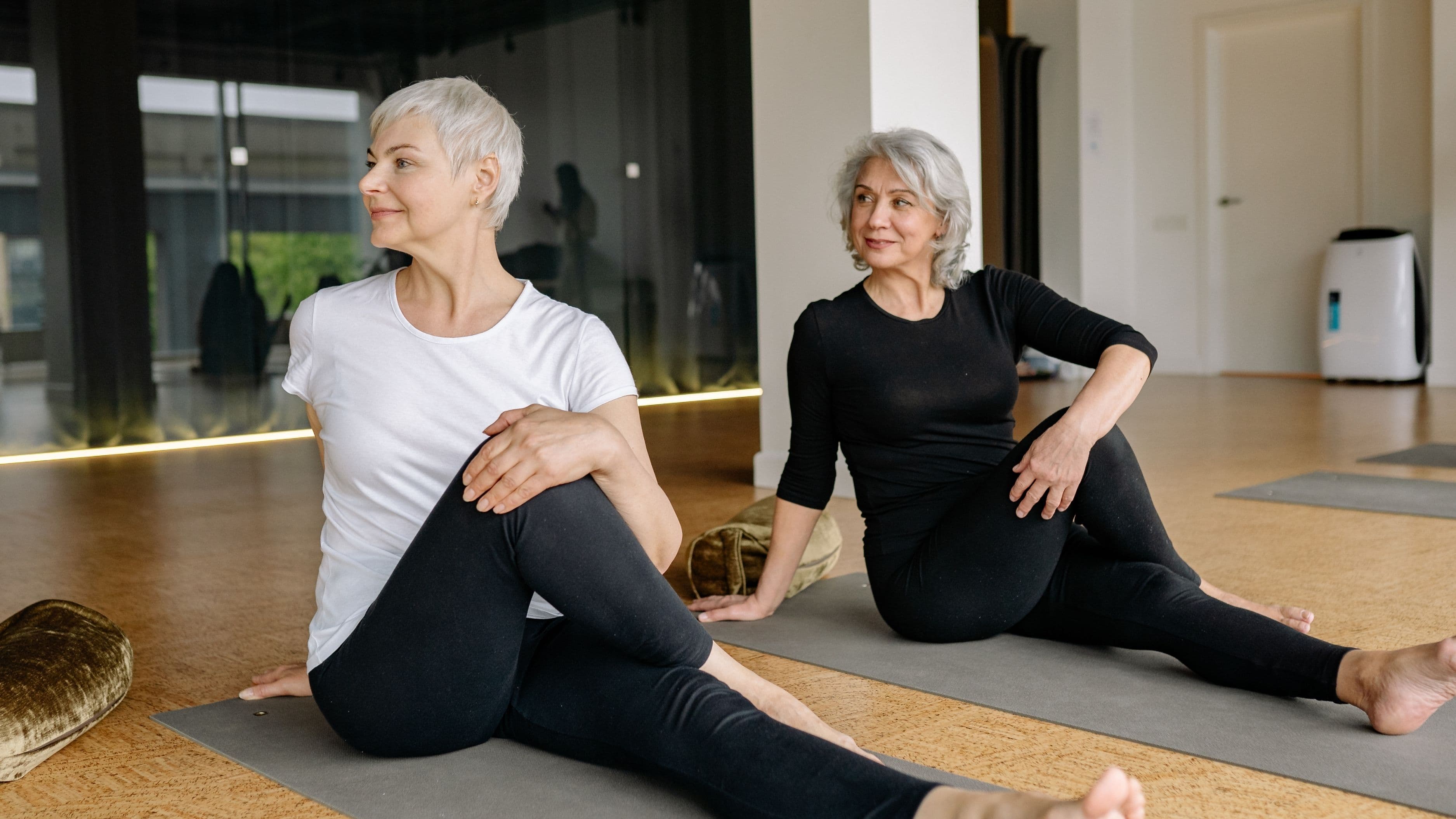
Practices like gentle stretching, tai chi, or simply lying on the floor and slowly moving through different positions can help you reconnect with your body without the pressure of traditional fitness. The point isn't to master a technique – it's to notice sensation, tension, and release as you move, letting your body guide the pace rather than following a prescribed routine.
Step 4: Turn Everyday Movement Into a Practice
You don't need a dedicated session to practice mindful movement. Walking to get the mail, doing dishes, or carrying groceries can all become small mindful movement moments if you bring your attention to how your body feels while doing them. This reframes movement as something woven into your day rather than a separate task competing for your time and motivation.
Step 5: Use Music or Rhythm as a Guide
If structured movement feels rigid, let music lead instead. Simply moving to a song you love, without choreography or a set routine, lets your body respond naturally to rhythm. This kind of unstructured, expressive movement has genuine value for both your body and your mood, without requiring any fitness expertise at all.
What to Avoid
Try not to judge your movement by how it compares to structured workouts, since that comparison tends to recreate the same pressure that made traditional exercise feel unappealing in the first place. Avoid pushing through pain or forcing intensity just because a session felt easy or gentle – mindful movement is still movement, and your body's signals matter just as much here as in any other form of exercise. It's also worth avoiding the trap of turning mindful movement into another thing you have to do perfectly; some days it might just be five minutes of stretching, and that's genuinely enough.
Realistic Expectations
This kind of practice tends to build gradually. You likely won't notice a dramatic shift after one session, but many people find that within a few weeks of consistent, gentle movement, their relationship with their body starts to soften, and moving starts to feel less like an obligation and more like something they actually want to do. Progress here looks like consistency and ease, not transformation on a deadline.
FAQ
Does mindful movement actually count as exercise? Yes, in the sense that any movement benefits your body, though it may not replicate the intensity of structured cardio or strength training. For many people, it's a meaningful and sustainable starting point that can eventually lead toward more structured movement, if they choose.
What if I still feel resistance even to gentle movement? That's worth noticing without judgment. Sometimes resistance is a sign you need rest rather than movement, and sometimes it's simply discomfort with anything new. Starting incredibly small, like two minutes of stretching, can help ease that resistance over time.
Can I combine mindful movement with regular exercise later? Absolutely. Many people use mindful movement as a bridge back into physical activity after burnout or exercise aversion, and later choose to add more structured movement once their relationship with their body feels more settled.
📚 Sources
Harvard Health Publishing – The Health Benefits of Mindful Movement – https://www.health.harvard.edu/exercise-and-fitness
American Psychological Association – Mind-Body Connection in Physical Activity – https://www.apa.org/topics/exercise-fitness/mind-body