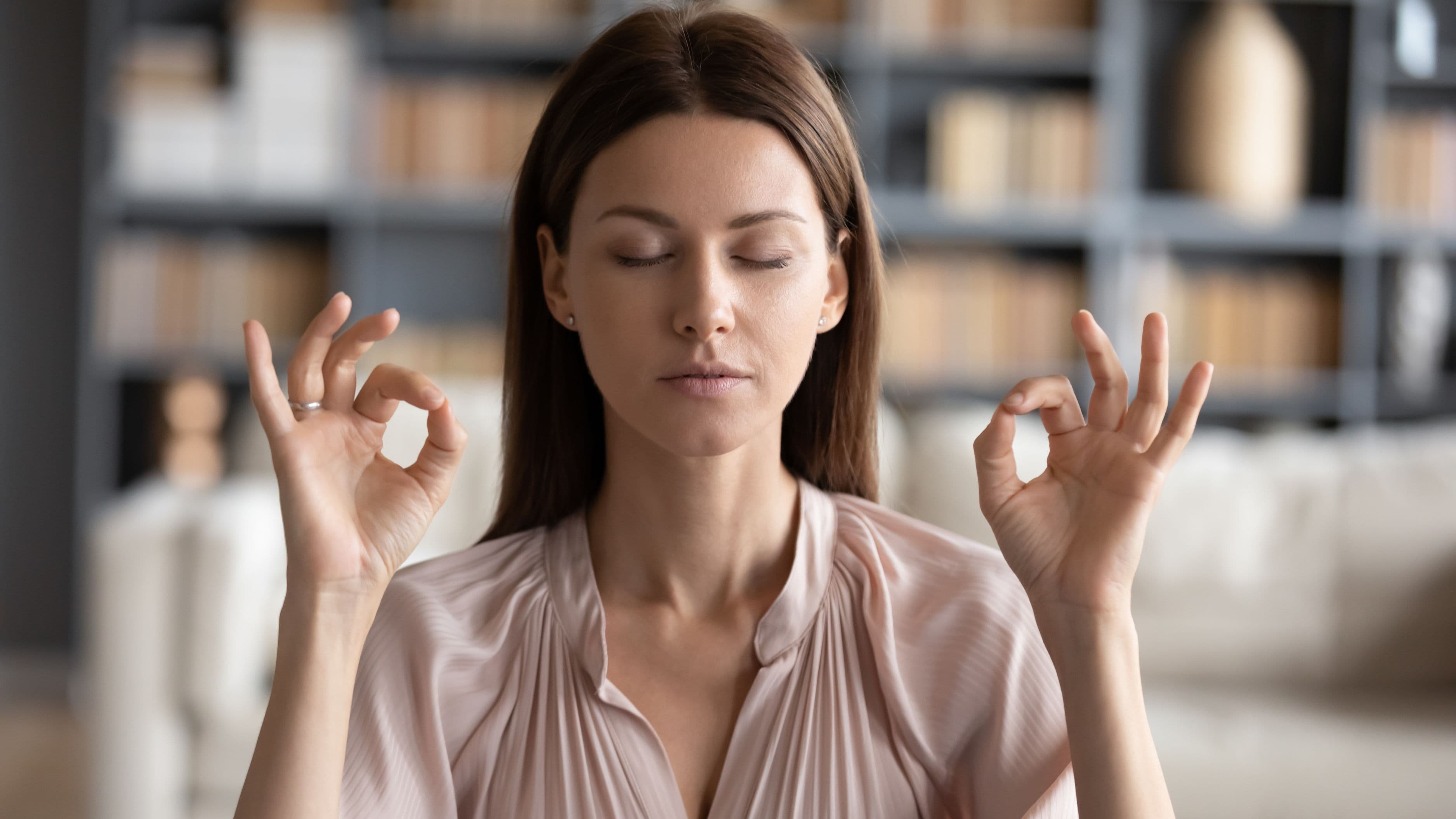
The good news is that mindfulness during genuinely hard seasons doesn't require calm. It requires presence, and those are two different things. You can be mindful while anxious, sad, or overwhelmed. In fact, that's often when it matters most.
Redefining What Mindfulness Actually Means Here
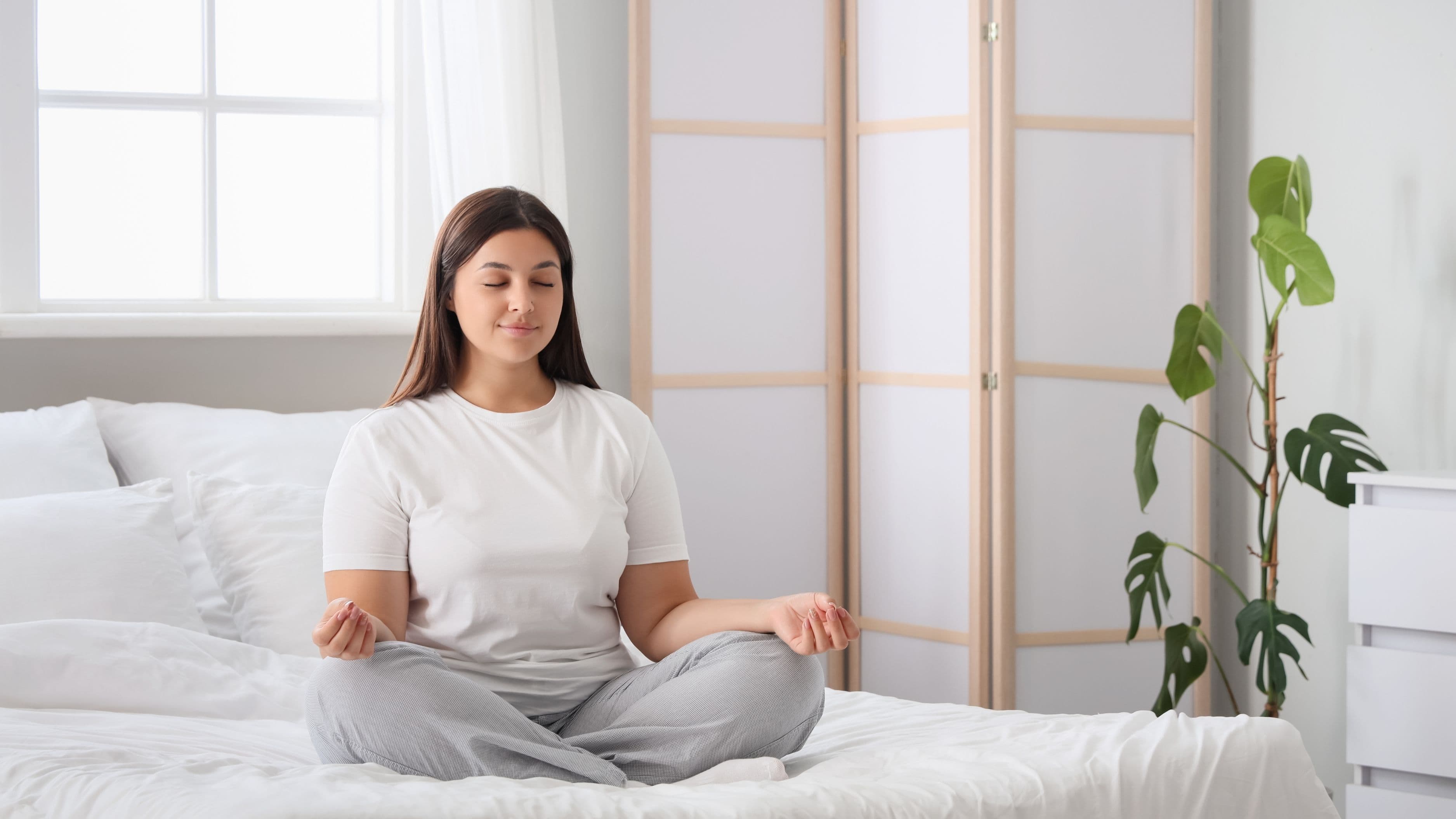
Mindfulness during a crisis isn't about forcing yourself into a peaceful state you don't feel. It's about noticing what's actually happening in your body and mind without immediately trying to fix, judge, or escape it. That distinction matters, because a lot of people give up on mindfulness during hard times because they expect it to feel like relief, and instead it just feels like sitting with discomfort.
The goal during a genuinely stressful period is smaller than "feel better." It's staying connected to the present moment instead of spinning entirely into anxious future-thinking or replaying the past. That alone reduces the compounding effect stress has when left unchecked.
Anchor to the Body When Your Mind Won't Settle
When a situation is overwhelming, the mind often races faster than you can think clearly. In those moments, shifting attention to physical sensation, your feet on the floor, the temperature of the air, the weight of your own breath, gives your nervous system something concrete to hold onto.
This isn't about achieving stillness. It's a two-minute reset you can do standing in a hospital hallway, sitting in your car before a hard conversation, or lying awake at 2am. Notice five things you can physically feel right now. It sounds almost too simple, but the simplicity is the point; complicated techniques are hard to access when you're already overwhelmed.
Give Yourself Permission to Feel Without Spiraling
One of the harder parts of staying mindful during stress is resisting the urge to either suppress difficult emotions entirely or let them completely take over. Both extremes tend to make things worse over time. The middle path is acknowledging what you feel, "I'm really scared right now," or "this is genuinely hard," without immediately needing to solve it or push it away.
This takes practice, especially if you're used to powering through hard things without pausing to name what's happening internally. Start small: once a day, name one honest feeling out loud or in a journal, even if it's just a sentence.
Protect a Few Non-Negotiable Anchors
During stressful stretches, it's easy for every routine to collapse at once, sleep, meals, movement, all sacrificed to whatever crisis is demanding attention. Pick one or two anchors you protect no matter what, even in a scaled-down version. Maybe it's a short walk each day, even five minutes. Maybe it's one consistent meal time. These small, protected routines give your day a shape when everything else feels chaotic.
This isn't about maintaining your full normal life during a crisis; that's often unrealistic. It's about choosing a couple of small things that keep you tethered to yourself.
Let Go of the "I Should Be Handling This Better" Narrative
A lot of added suffering during hard times comes from a second layer of stress: judging yourself for how you're coping with the first layer. Comparing your reaction to how you think you "should" be handling things, or how someone else seems to be handling a similar situation, adds weight you don't need to carry.
Progress over perfection matters here. Some days you'll manage a moment of real presence. Other days you'll just survive the day, and that's not a failure, it's what stressful seasons actually look like.
What to Avoid
Avoid using mindfulness as a way to bypass necessary action. If a situation calls for a hard decision, a difficult conversation, or professional help, presence and breathing exercises aren't a substitute for those steps. Mindfulness supports you through the hard work, it doesn't replace it.
Avoid all-or-nothing thinking about your practice. Missing a day of intentional mindfulness doesn't undo progress. Stressful seasons are exactly when consistency naturally slips, and that's expected, not a sign you're doing it wrong.
Be cautious about isolating during hard times in the name of "processing alone." Mindfulness works well alongside connection with trusted people, not instead of it.
FAQ
What if I can't sit still to meditate during a crisis? You don't have to. Brief body-anchoring moments, a few conscious breaths, or a short walk count as mindfulness too. Formal seated meditation isn't required.
How do I stay present when I'm genuinely scared about the future? Gently and repeatedly bring attention back to the current moment, what's true right now, rather than the imagined future. This takes practice and won't feel perfect, and that's fine.
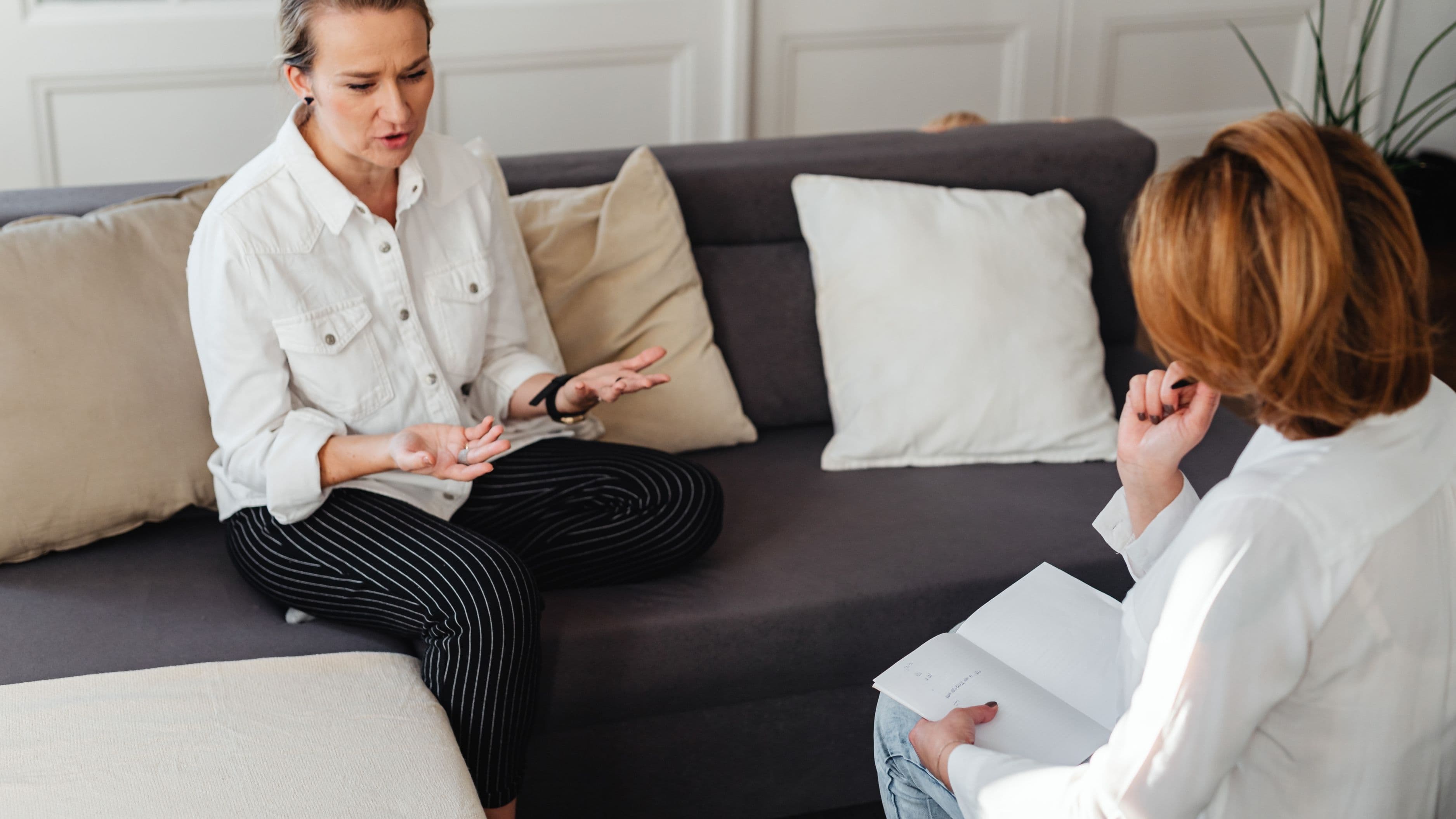
When should I seek more support than mindfulness alone can offer? If stress feels unmanageable for an extended period, or is affecting sleep, relationships, or daily functioning significantly, talking with a therapist or counselor is a reasonable and healthy next step alongside any mindfulness practice.
📚 Sources
Mindfulness-based stress reduction research – https://www.apa.org/topics/mindfulness
Coping with stress during difficult times – https://www.cdc.gov/mental-health/living-with/index.html