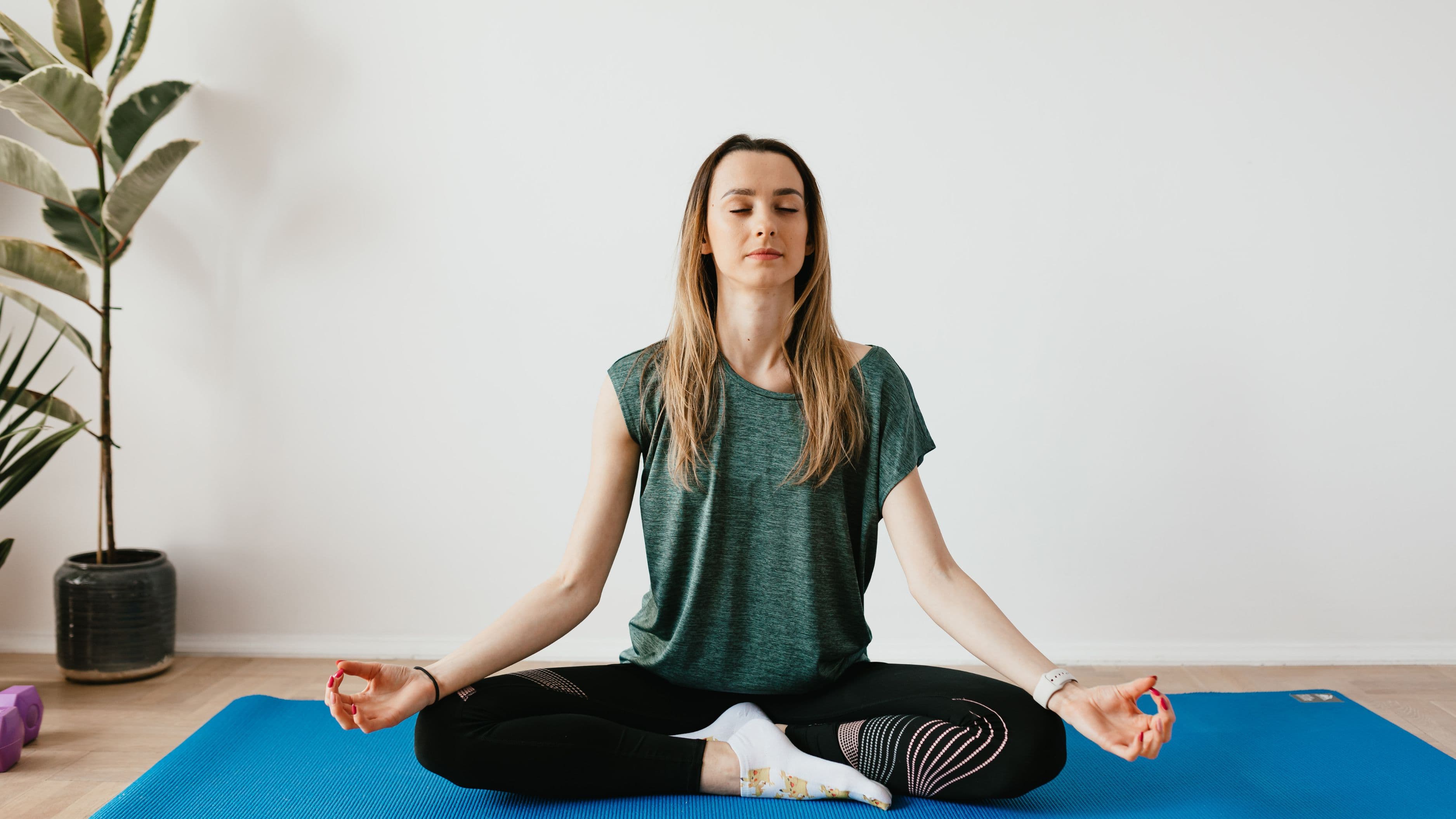
So: what exactly is mindful breathing, and why does everyone from Navy SEALs to Buddhist monks swear by it? Let's break it down—with a little humor, zero jargon, and a lot of techniques you can actually use.
First, What Even Is Mindful Breathing?
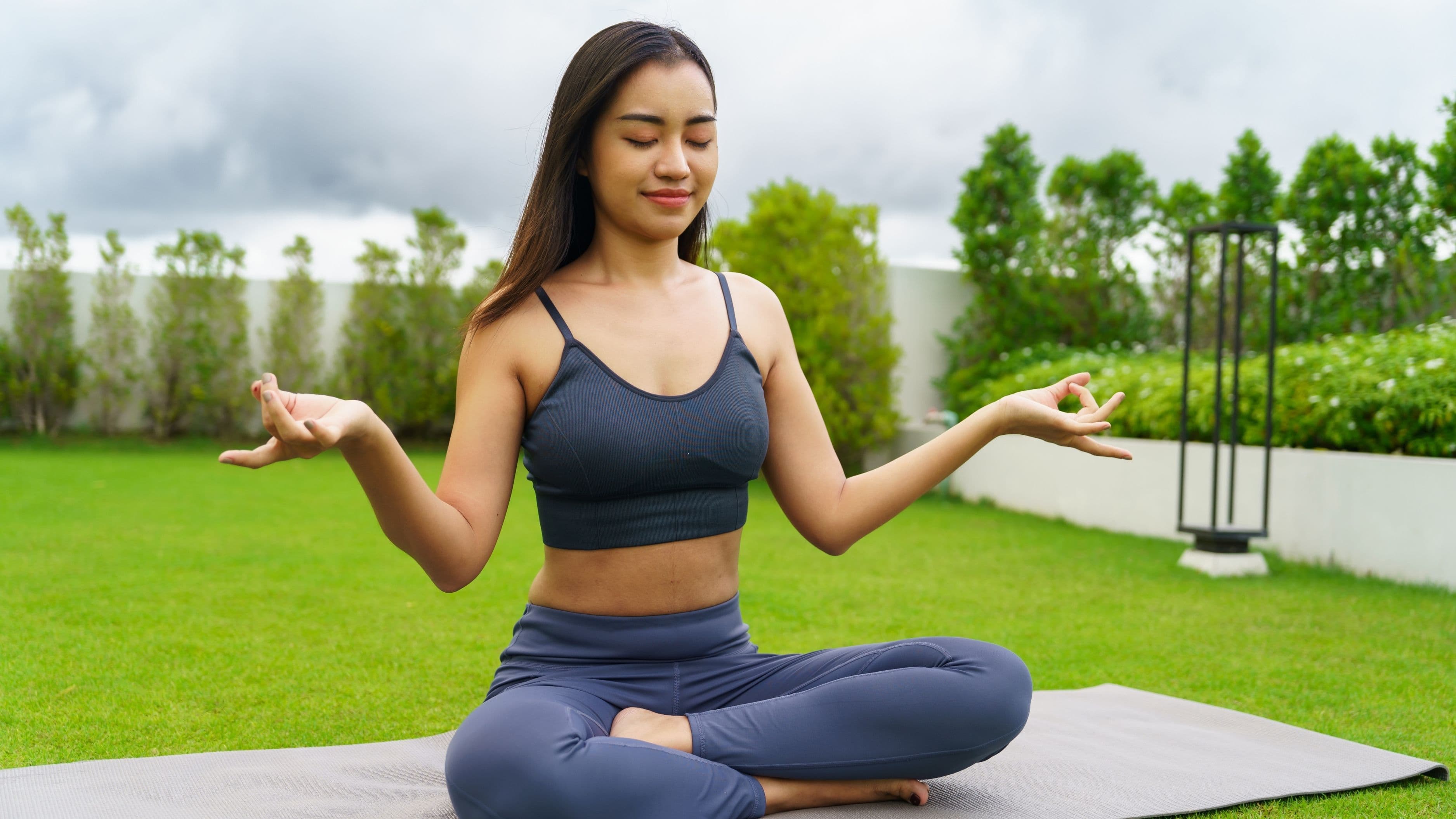
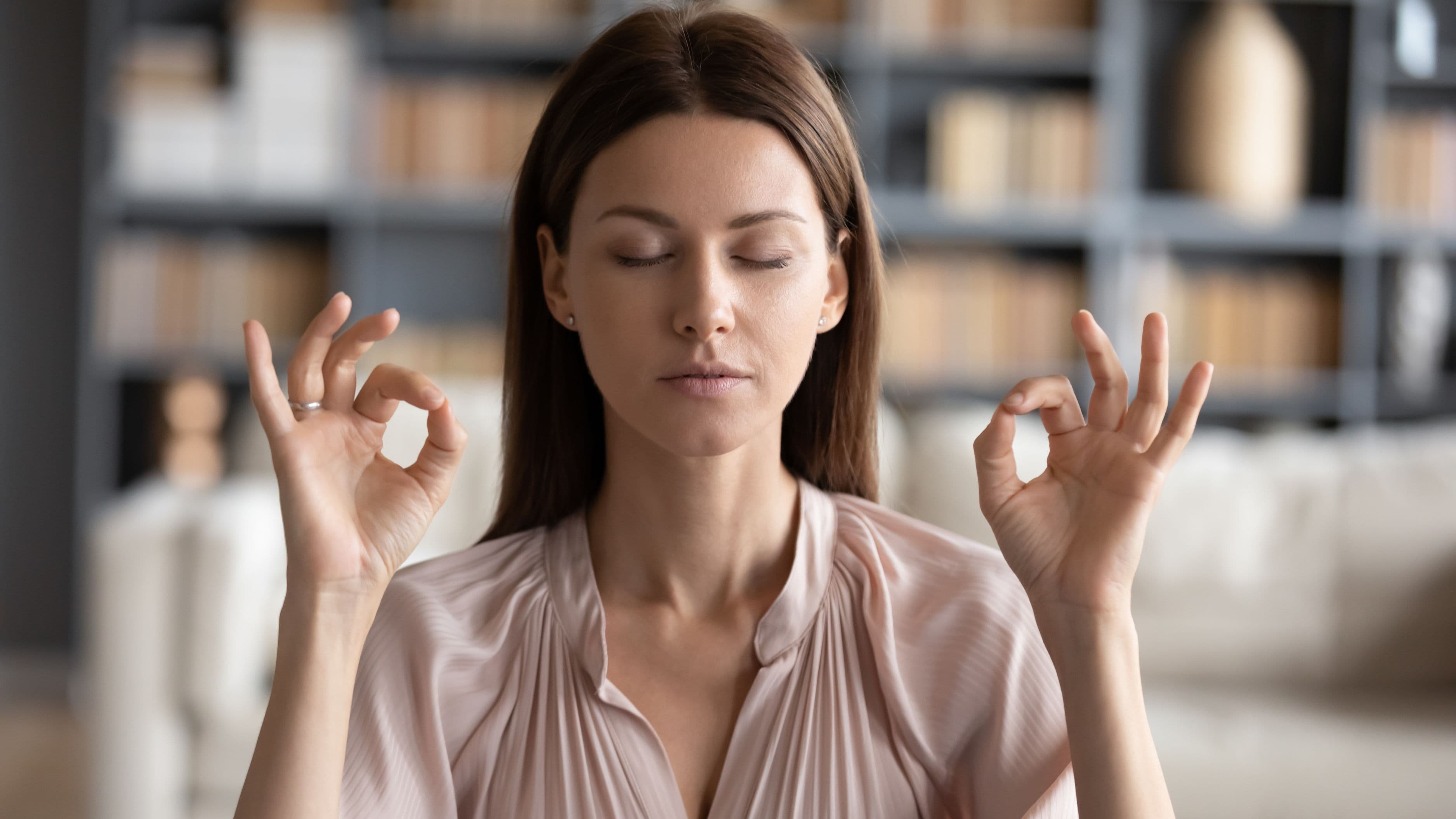
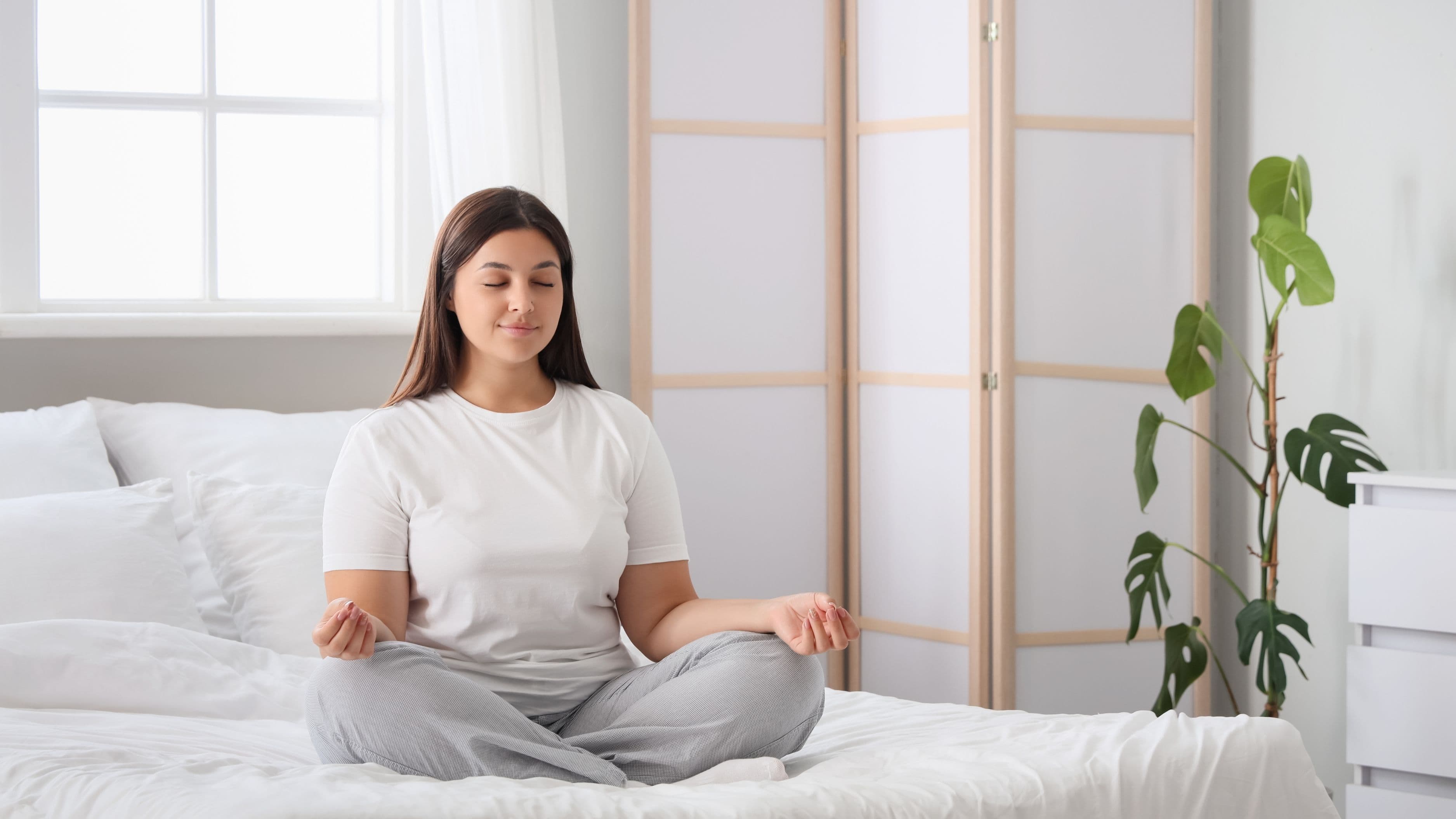
Mindful breathing is simply the practice of paying deliberate, non-judgmental attention to your breath. Not controlling it perfectly, not performing it for a wellness aesthetic—just noticing it. The inhale. The pause. The exhale. The tiny moment of stillness before you start again. It sounds almost insultingly simple, which is exactly why most people dismiss it until the day they actually try it and feel their shoulders drop three inches.
What makes it mindful is the presence piece. You're not just breathing (you do that all day without thinking). You're consciously arriving in your body, using breath as the anchor point that pulls you out of your spinning thoughts and back into the present moment. Research published in Frontiers in Psychology found that slow-paced breathing activates the parasympathetic nervous system—your body's built-in "rest and digest" mode—reducing cortisol and heart rate in a matter of minutes. That's your body literally choosing calm over chaos, with nothing but air as the ingredient.
1. The Box You Actually Want to Be Trapped In
Box breathing sounds like something a stoic architect invented, and honestly, it kind of is. Used by Navy SEALs before high-stakes operations and by surgeons before long procedures, this technique is structured, symmetrical, and strangely satisfying. Here's how it goes: inhale for 4 counts, hold for 4, exhale for 4, hold again for 4. Repeat. That's it—a perfect square made entirely of breath.
The beauty of box breathing isn't just physiological; it's almost meditative in its geometry. Your mind has something to count, which means it has less room to catastrophize about that email you sent at 11 p.m. that you're now rereading for subtext. Feel your chest expand on the inhale, hold the fullness like you're savoring something, release it slowly, and then rest in the quiet emptiness before beginning again. Practice it for just four cycles before a stressful meeting, and notice how the air in the room seems to soften around you.
2. The Exhale That's Actually an Escape Hatch
Most breathing techniques focus equally on inhale and exhale, but here's a plot twist: the exhale is the star. The extended exhale technique involves inhaling for 4 counts and exhaling for 6 to 8 counts—making your out-breath significantly longer than your in-breath. This isn't a random preference. Longer exhales directly stimulate the vagus nerve, which is basically your body's internal calm-down hotline.
Think of your inhale as the tension-building scene in a thriller and your exhale as the credits rolling. When you extend the exhale, you're physically downregulating your stress response. Try it the next time someone cuts you off in traffic or you're 20 minutes into hold music: breathe in through your nose for 4 counts, then let the breath drizzle out slowly through slightly parted lips for 6 to 8 counts. Feel the release move from your jaw, down through your chest, and settle somewhere low in your belly. You'll arrive at the other side of that exhale noticeably different.
3. The One-Nostril Wonder
Alternate nostril breathing—called Nadi Shodhana in yogic tradition—sounds like something you'd need a tutorial and possibly a spotter for. You don't. Using your right hand, close your right nostril with your thumb and inhale through the left. Then close the left nostril with your ring finger, release the thumb, and exhale through the right. Inhale right, switch, exhale left. That's one round. Do five and report back.
This technique has been practiced for thousands of years because it works with remarkable consistency. A 2013 study in the Journal of Clinical and Diagnostic Research found that Nadi Shodhana improved cardiovascular function and reduced perceived stress in participants after just a few weeks of practice. Beyond the science, there's something almost meditative about the physical engagement—your hand is involved, your attention is required, and your inner monologue doesn't stand a chance. It's weirdly intimate, like your two nostrils are finally being introduced after years of working the same shift.
4. The 4-7-8: The Sleep Whisperer
If box breathing is the pre-meeting power move, the 4-7-8 technique is the end-of-day exhale you've been craving since 2 p.m. Developed by Dr. Andrew Weil, it goes like this: inhale quietly through the nose for 4 counts, hold the breath for 7 counts, then exhale completely through the mouth with a whooshing sound for 8 counts. That audible exhale isn't just satisfying—it's functional. It signals to your body that it's safe to let go.
Dr. Weil has called this technique "a natural tranquilizer for the nervous system," and regular users often report falling asleep faster after incorporating it into a nighttime ritual. The hold at 7 counts is where the magic quietly lives—your body is suspended between effort and release, and something in that stillness starts to unhook the tension you didn't even know you were carrying. Do it lying down in a dark room and you may not make it past the third round before your eyelids start their graceful descent.
5. Breath Awareness: The Practice That Asks Nothing of You
All the above techniques are active. This one is beautifully passive. Breath awareness is simply observing your natural breath without changing it. No counts, no patterns, no performance. Just watching your breath the way you'd watch rain slide down a window—curious, unattached, present. You notice when it's shallow. You notice when it deepens on its own. You notice the barely-there pause between inhale and exhale, that tiny threshold where one thing ends and another begins.
This is the foundation of most mindfulness meditation practices, and it's powerful precisely because of its simplicity. Jon Kabat-Zinn, founder of Mindfulness-Based Stress Reduction (MBSR), writes in Full Catastrophe Living that returning attention to the breath again and again—without judgment about how many times the mind wanders—is the entire practice. You don't need to be good at it. Wandering is the point. Every time you notice you've drifted and come back, that's one rep. That's the muscle growing.
Your Breath Has Been Waiting
Here's the thing about mindful breathing that nobody puts on the aesthetic wellness graphic: you already know how to do it. You've been doing it since before you had language for stress. The practice isn't about learning something foreign—it's about remembering something ancient that your body has never stopped knowing. It's about choosing, in the middle of a genuinely messy, overscheduled, notification-saturated life, to come home to the one rhythm that's always there.
Your life doesn't need to be perfectly zen—just a little less reactive and a little more you. Start with two minutes. Try the box. Try the exhale. Close one nostril and feel ridiculous for a moment, then notice how much calmer you feel and feel ridiculous about that. The breath is always available, always free, and always on your side. All it asks is that you show up and pay attention—one inhale at a time.
📚 Sources
Zaccaro, A., et al. (2018). How breath-control can change your life: A systematic review on psycho-physiological correlates of slow breathing. Frontiers in Human Neuroscience, 12, 353.
Bhavanani, A. B., et al. (2013). Immediate effect of Nadi Shodhana Pranayama on some selected parameters of cardiovascular, pulmonary, and higher functions of brain. Journal of Clinical and Diagnostic Research, 7(10), 2031–2033.
Weil, A. (2011). Spontaneous Happiness. Little, Brown and Company.
Kabat-Zinn, J. (1990). Full Catastrophe Living. Delacorte Press.