The right tools won't make dinner cook itself, but they can shrink the gap between "I have no idea what to make" and "this is actually ready." Below is an honest look at the tools that tend to earn their place in a busy household's kitchen – and a few that sound useful but often end up in the back of a cabinet.
Why the Right Tools Matter More Than the Right Recipes
It's tempting to think meal prep struggles come down to not knowing enough recipes. In most households, though, the real bottleneck is time and mental bandwidth – deciding what to make, prepping ingredients, and cleaning up afterward. A tool is worth buying when it removes one of those friction points, not when it just adds another gadget to store.
Before comparing specific items, it helps to ask one grounding question: what part of dinner currently feels hardest? For some families it's the decision fatigue of "what are we even eating." For others, it's the actual chopping and cooking time once a plan exists. The tools below are grouped loosely around those different pain points, so you can focus on what would actually help your household rather than buying everything at once.
Slow Cookers and Multi-Cookers
A slow cooker or multi-cooker (like an Instant Pot–style appliance) is often the first tool families reach for, and for good reason. You can load ingredients in the morning or the night before, and dinner is largely done by the time everyone's home and hungry.
The benefit here isn't just convenience – it's the mental relief of not thinking about dinner during the busiest part of the day. Multi-cookers that combine slow cooking, pressure cooking, and sautéing in one device also cut down on counter clutter, which matters more than it sounds like it should when kitchen space is already tight.
The tradeoff is that not every meal translates well to slow or pressure cooking, and there's a learning curve to figuring out timing for your specific model. If you already have a working system, this may not need replacing – but if dinner prep is currently your biggest stress point, it's usually one of the higher-impact purchases on this list.
Sheet Pans and Oven-Safe Bakeware (More Than You Think You Need)
This one sounds almost too simple to mention, but having enough sheet pans is one of the most underrated ways to reduce dinner-time chaos. Many families own one or two pans, which means vegetables, protein, and sides all compete for oven space – or get cooked in shifts, which stretches a 30-minute meal into an hour.
Owning three or four rimmed sheet pans, along with a couple of oven-safe glass dishes, lets you prep a full meal in one oven cycle instead of juggling stovetop and oven timing. It also makes batch cooking on a Sunday realistic, since you can roast a week's worth of vegetables and proteins side by side rather than in small batches.
This is a low-cost, high-return category. If you're only going to invest in one thing from this article, extra sheet pans are worth considering before anything electronic.
A Good Set of Prep Containers
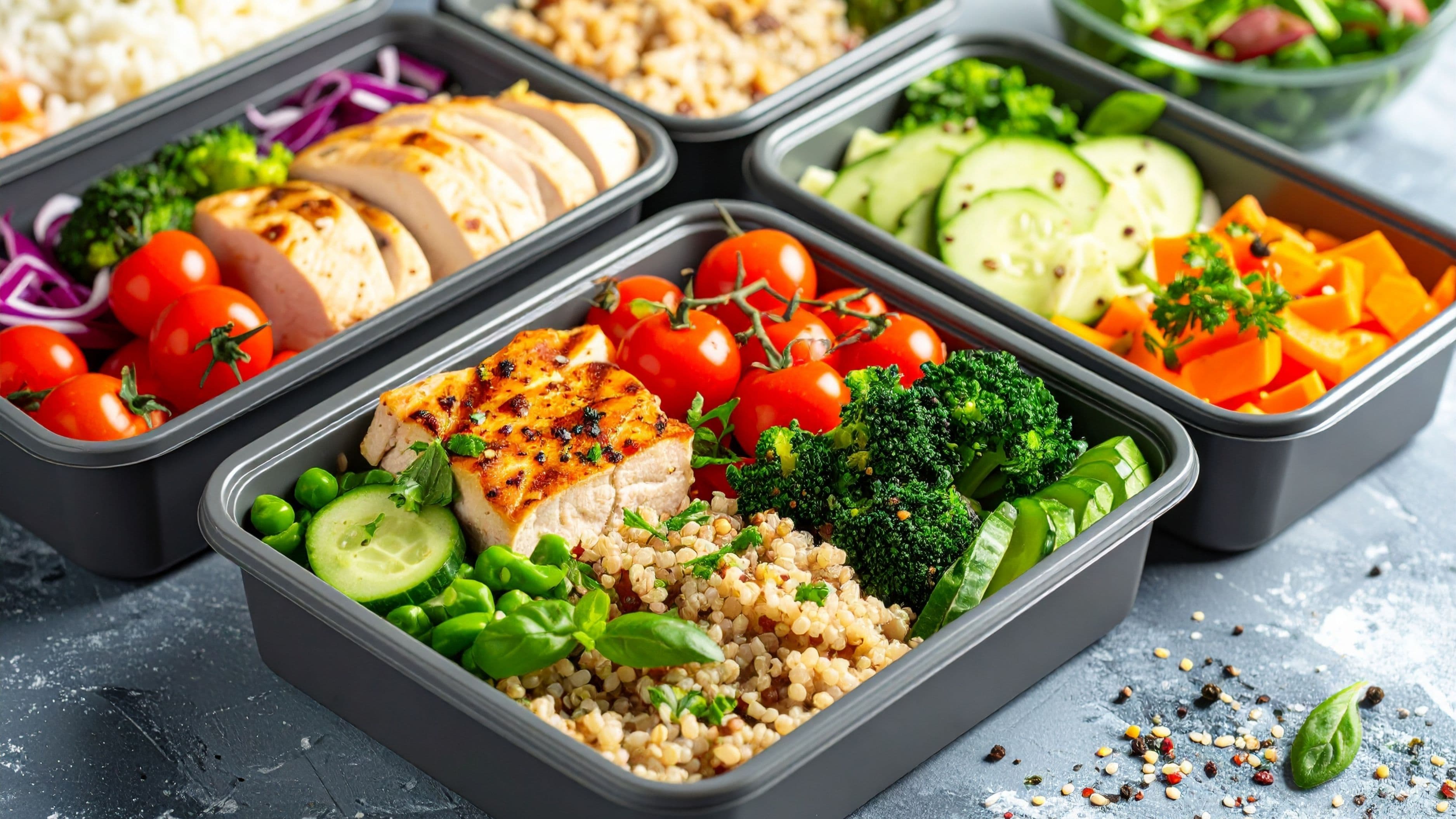
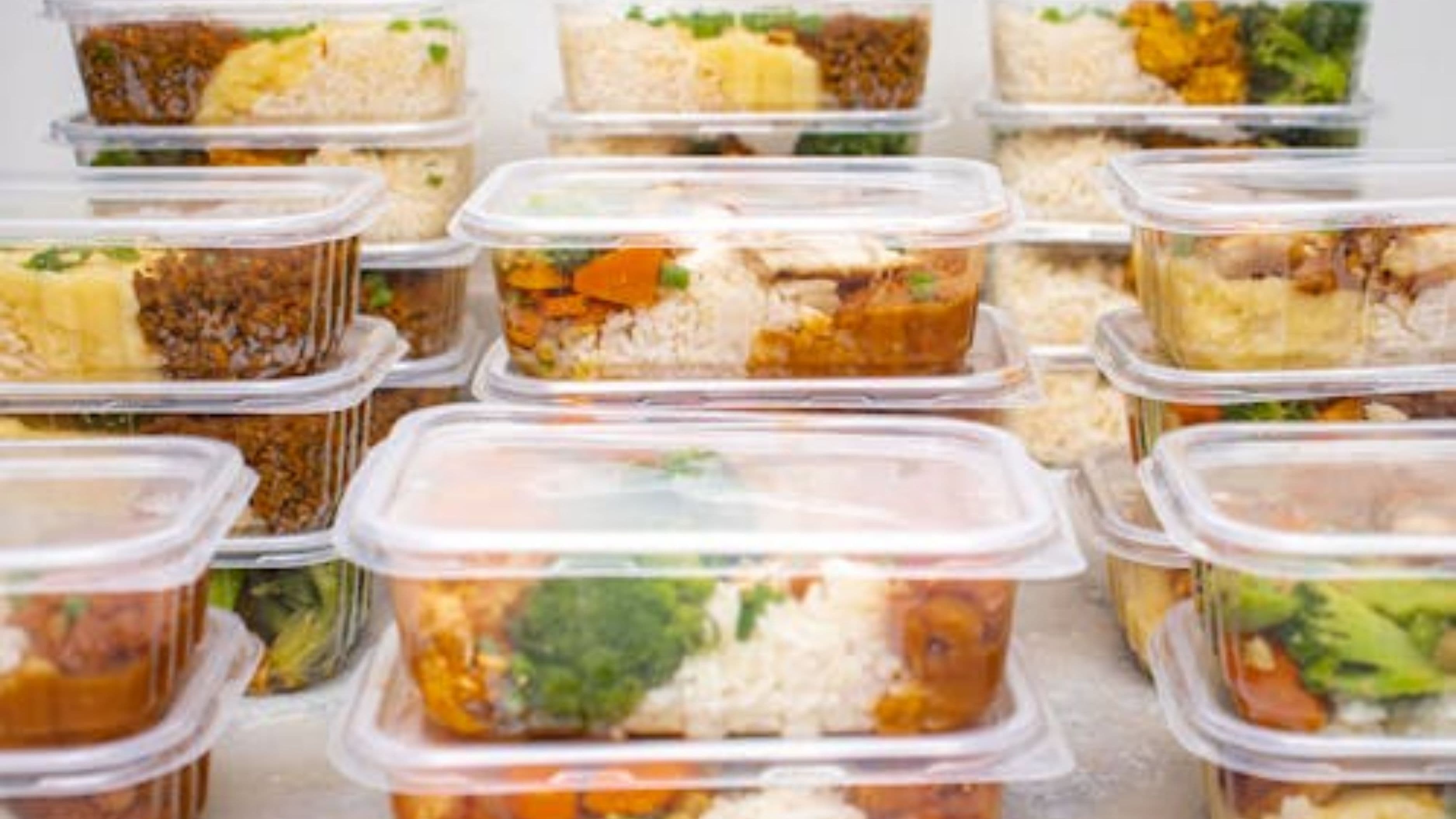
Meal prep tends to fall apart not because people don't cook, but because what they cook doesn't stay organized afterward. A solid set of stackable, clearly sized containers – ideally a mix of small ones for snacks and larger ones for full portions – makes it far easier to see what's already prepped and ready to grab.
For families, this matters even more, since kids and partners often need to serve themselves without asking where something is. Containers that are microwave-safe and see-through reduce the "what is this and is it still good" hesitation that leads to food waste.
The pitfall to avoid here is over-buying mismatched sets that don't stack well or don't have lids that actually seal. A smaller, well-matched set you'll actually use consistently beats a large collection that ends up scattered across three cabinets.
Food Processors for Batch Chopping
Chopping vegetables for a family-sized meal, several nights a week, adds up to real time – and it's often the step people dread most. A mid-sized food processor can turn twenty minutes of dicing into two minutes of pulsing, which matters most on weeknights when patience is already low.
This tool tends to be most valuable for households that cook from scratch several times a week rather than relying heavily on pre-cut or frozen produce. If that's your household, a food processor can meaningfully lighten the physical and mental load of dinner prep. If you already lean on frozen or pre-chopped vegetables, this may be a lower priority purchase, since the problem it solves may not be one you currently have.
Labeled Storage and a Simple Meal-Planning Board
Not every helpful tool involves cooking directly. A simple whiteboard, chalkboard, or printed weekly planner on the fridge can reduce one of the most exhausting parts of family meals: the daily negotiation over what's for dinner. Writing out even a loose plan for the week removes the need to make that decision fresh every single evening.
Pairing this with labeled containers or bins in the fridge and pantry – "prepped veggies," "ready to reheat," "snacks" – helps everyone in the household, including kids old enough to serve themselves, find what they need without extra questions. This kind of low-tech organization often gets overlooked in favor of gadgets, but it addresses the decision fatigue that no appliance can fix on its own.
What to Avoid
It's easy to get pulled toward tools that promise to transform mealtime overnight, but a few patterns are worth watching for. Single-use gadgets – ones that only do one very specific task, like a dedicated avocado slicer or egg cooker – often sound appealing but rarely get used consistently enough to justify the drawer space. Similarly, be cautious about buying an entire matching kitchen system at once; it's usually better to add one tool, actually use it for a few weeks, and then decide what's genuinely missing rather than guessing upfront.
It's also worth being realistic about time. No tool eliminates the need to plan a little ahead, and expecting a gadget to replace that planning tends to lead to disappointment and an unused appliance. Progress here looks like small, steady improvements to your routine – not a complete kitchen overhaul in one weekend.
Bringing It Together
If you're not sure where to start, begin with the lowest-cost, highest-impact items: extra sheet pans and a well-matched set of storage containers. Both address common bottlenecks – oven space and post-cooking organization – without requiring you to change how you already cook. From there, a slow cooker or food processor can be added based on which specific pain point (hands-on time versus hands-off convenience) matters more for your household.
The goal isn't a perfectly optimized kitchen. It's having a few tools that quietly make weeknights a little less hectic, so dinner feels like one less thing to manage instead of another source of stress.
FAQ
Do I need to buy everything on this list to see a difference? No. Most families notice a meaningful shift from adding just one or two tools that match their specific struggle, rather than overhauling their entire kitchen setup at once.
What's the single best tool for a family that's just starting to meal prep? Extra sheet pans and a matched set of storage containers tend to offer the most noticeable improvement for the lowest cost and effort.
Is a slow cooker worth it if I already have an oven? It can be, especially if your biggest struggle is having free hands and attention during the after-work rush rather than oven space itself. If oven timing isn't your issue, a slow cooker may add less value than other tools on this list.
📚 Sources
"Family Meals: The Benefits of Eating Together" – Mayo Clinic, mayoclinic.org
"Decision Fatigue Is Real: Here's How to Manage It" – American Psychological Association, apa.org
"Meal Planning and Prep Basics" – Academy of Nutrition and Dietetics, eatright.org