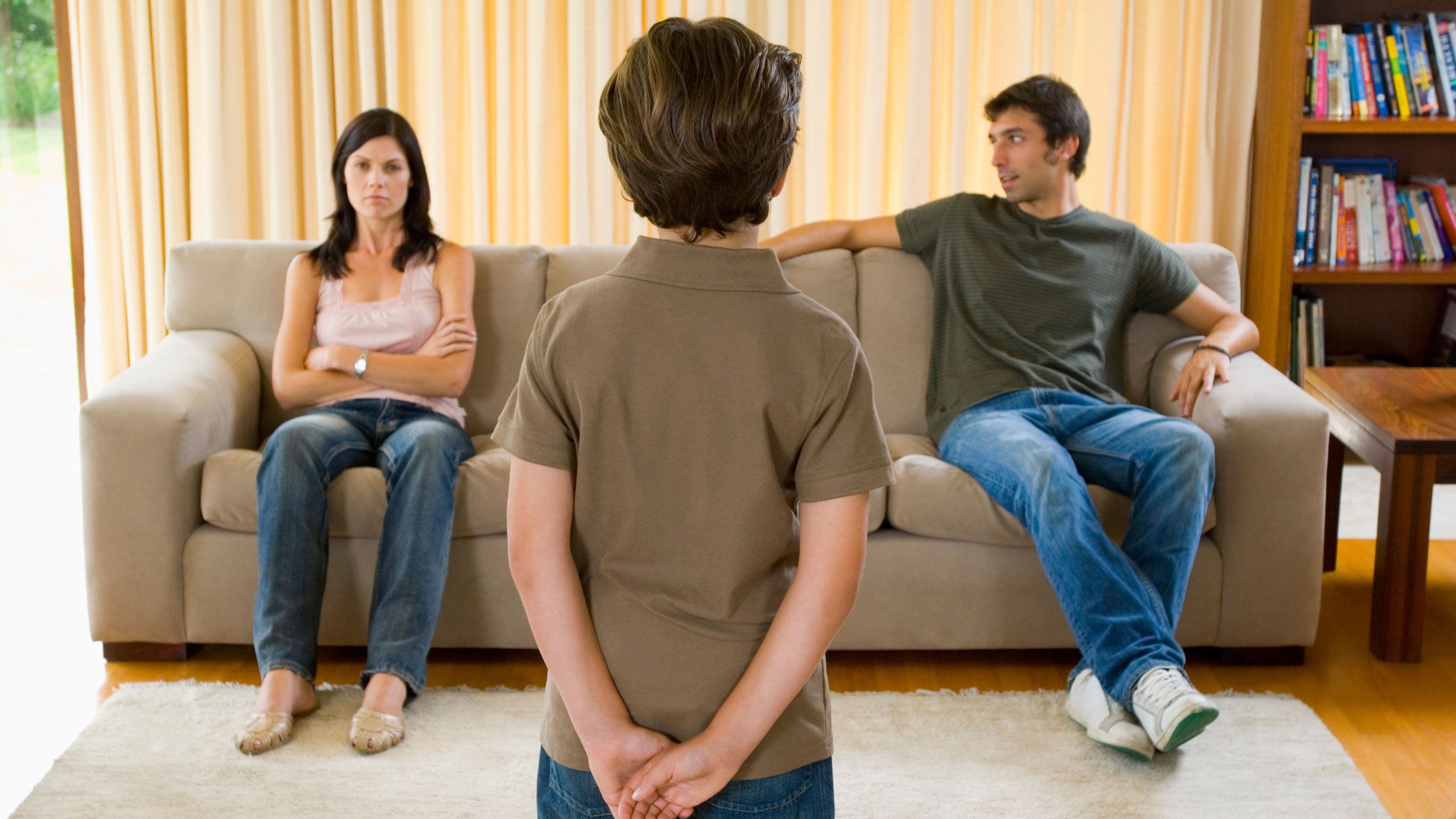
A check-in doesn't have to mean something is broken. It just means it's time to slow down and look at the relationship on purpose instead of letting it run on autopilot.
1. Conversations Have Become Purely Logistical
If most of your daily conversation revolves around schedules, groceries, and who's picking up the kids, it might be worth noticing when you last talked about something that wasn't a task. Logistics are necessary, but a relationship that runs entirely on logistics starts to feel more like a shared calendar than a partnership.
This shift often happens gradually enough that neither partner clocks it as a problem until they realize they can't remember the last real conversation they had that wasn't about the household.
2. You're Both Avoiding a Specific Topic
Every couple has a few subjects that feel harder to bring up, whether it's finances, intimacy, extended family, or how chores get divided. A sign worth paying attention to is when one particular topic keeps getting sidestepped entirely, rather than occasionally discussed and set aside.
Avoidance tends to compound. The longer a topic goes untouched, the bigger and more loaded it feels to finally bring up, which makes people avoid it even more.
3. You Feel Lonelier With Them Than Without Them
This one is subtle but important. Feeling occasionally tired or out of sync with a partner is normal. Feeling consistently lonely while sitting in the same room as them is a different signal, and it often points to an emotional distance that's grown larger than either person realized.
If you notice this feeling coming up more often than not, it's worth naming out loud rather than assuming it will resolve on its own.
4. Small Irritations Are Turning Into Bigger Reactions
When connection is strong, small annoyances tend to stay small. When there's unspoken tension underneath, minor things – how someone loads the dishwasher, a tone of voice, a missed text – can trigger reactions that feel out of proportion to the actual moment.
This usually isn't really about the dishwasher. It's often a sign that something larger is sitting unaddressed underneath, and the small moment is just where it's leaking out.
5. You've Stopped Asking Each Other Real Questions
Early in a relationship, curiosity about your partner's inner world tends to come naturally. Over time, especially with the demands of work, kids, and daily life, that curiosity can quietly fade, replaced by assumptions about how the other person feels or thinks.
Notice if you've stopped asking things like "how are you actually doing" or "what's been on your mind lately," and instead default to assuming you already know the answer.
6. Physical Affection Has Become Rare or Purely Functional
A drop in physical closeness, whether that's holding hands, hugging, or intimacy, is often one of the more visible signs that emotional connection has quietly declined. This doesn't need to be treated as an emergency, but a noticeable and sustained change is usually worth acknowledging together rather than letting it become the new normal by default.
7. You're Handling Stress Separately Instead of Together
Partners who feel connected tend to bring their stress to each other, even imperfectly. A sign of growing distance is when both people start managing their individual stress privately, whether through friends, work distraction, or simply internalizing it, rather than turning toward each other.
This often isn't intentional. It can happen simply because past attempts to share stress didn't feel met with the support that was hoped for, which teaches people to stop reaching out that way.
8. You Picture Your Future Without Fully Picturing Them In It
This sign is easy to miss because it's more of an absence than a presence. If you notice that when you think about your goals, your next few years, or a big life change, your partner doesn't factor clearly into that picture, it's worth sitting with that rather than dismissing it.
This doesn't necessarily mean the relationship is ending. It can simply mean the two of you haven't talked about the future together in a while, and that conversation is overdue.
9. You Feel Like You're Performing Rather Than Being Yourself
If you find yourself carefully managing how you come across, softening opinions, or avoiding certain topics specifically to keep the peace rather than out of genuine agreement, that's worth noticing. A relationship where you feel you have to perform a version of yourself tends to create quiet resentment over time, even when nothing is said out loud.
10. Neither of You Remembers the Last Time You Laughed Together
Shared laughter is one of the simplest and most reliable signs of a connected relationship, and its absence is one of the clearest signs something has shifted. If your interactions have become entirely serious, transactional, or tense, and you can't recall the last time something genuinely amused you both, that's a meaningful signal worth paying attention to.
What a Check-In Actually Looks Like
A check-in doesn't need to be a formal, sit-down event with an agenda, though for some couples that structure helps. It can be as simple as saying, "I've noticed we've been more distant lately, can we talk about it?" The goal is to create space to be honest without either partner feeling blamed or ambushed.
Choosing a calm moment, rather than bringing it up mid-argument, tends to lead to a more productive conversation. Some couples find it helpful to ask each other two simple questions on a regular basis: what's been going well between us, and what's felt harder lately.
What to Avoid
Avoid waiting for a single specific trigger, like a big fight, before addressing what's been building quietly. The earlier a check-in happens, the gentler the conversation tends to be. Also avoid treating a check-in as an opportunity to list grievances all at once. It's usually more productive to focus on one or two specific patterns rather than everything at once, which can leave a partner feeling overwhelmed or defensive.
Try not to assume noticing these signs means the relationship is failing. Distance is a normal part of long-term partnership, especially through demanding life seasons like new parenthood, career changes, or illness. Recognizing it is the first step toward closing the gap, not a verdict on the relationship's health.
Realistic Expectations
One conversation rarely resolves months or years of quiet drift, and that's okay. Progress in a relationship usually looks like a series of smaller, honest conversations rather than one perfect breakthrough talk. If check-ins feel consistently difficult to have on your own, a licensed couples therapist can offer structure and a neutral space that's hard to recreate at home.
FAQ
How often should couples check in with each other? There's no universal rule, but many therapists suggest a brief weekly check-in and a deeper monthly conversation about the relationship as a whole.
What if my partner doesn't want to have this conversation? Start smaller and lower stakes, like sharing what you've noticed about yourself rather than framing it as a critique of them. Sometimes easing into the topic makes it feel less confrontational.
Is it normal for connection to fluctuate over the years? Yes. Most long-term relationships go through natural cycles of closeness and distance, especially around major life transitions. What matters most is whether the couple notices the distance and addresses it, rather than the distance never occurring at all.
📚 Sources
Gottman Institute – The Sound Relationship House – https://www.gottman.com/blog/the-sound-relationship-house-theory-an-overview/
American Psychological Association – Marriage and Family Therapy – https://www.apa.org/topics/marriage-couples-family