The concept is deceptively simple, which is part of why it has resonated with so many people since it was first introduced. But applying it well takes more than knowing which category you fall into. It takes a willingness to pay attention, to stretch beyond what feels natural to you, and to see love not as one universal language but as something that sounds different depending on who's listening.
Where the Theory Comes From
Love language theory was developed by Gary Chapman, a marriage counselor who spent years noticing patterns in the couples he worked with. In 1992, he published The 5 Love Languages, which has since sold over 20 million copies and been translated into dozens of languages. The core observation was this: people tend to express love in the same way they most want to receive it – and when partners express love differently, both people can end up feeling unseen even when both are genuinely trying.
Chapman identified five distinct love languages: Words of Affirmation, Acts of Service, Receiving Gifts, Quality Time, and Physical Touch. Most people have one or two primary languages – the ones that land deepest and the ones they default to when expressing care. The rest may feel nice, but they don't quite hit the same note.
This isn't a rigid personality test, and it's worth holding it lightly. People change over time, and the same person might need different things in different seasons of life. But as a starting point for understanding yourself and the people you're close to, the framework is genuinely useful.
The Five Love Languages, Explained
Words of Affirmation is about verbal and written expressions of love, appreciation, and encouragement. For someone whose primary language is words, hearing "I'm proud of you" or "You mean a lot to me" lands in a way that actions alone can't replicate. Criticism cuts unusually deep for these people too – the words stay long after they were spoken. If your partner lights up when you leave a note or send a thoughtful text out of nowhere, this is probably their language.
Acts of Service is the language of doing. For these people, love is most tangible when someone takes something off their plate – makes dinner without being asked, handles a task they've been dreading, or simply notices what needs doing and does it. It's not about grand gestures. It's about attention to the everyday. The classic phrase associated with this language is "actions speak louder than words," and people who live by it genuinely mean it.
Receiving Gifts is sometimes misunderstood as materialism, but it isn't really about the object. It's about what the gift represents – that someone thought of you, sought something out specifically for you, and took the time to mark a moment. For people with this love language, a small, meaningful gift given for no particular reason can carry more emotional weight than a hundred kind words. Forgetting an anniversary or arriving empty-handed when others have brought something can feel disproportionately painful to them.
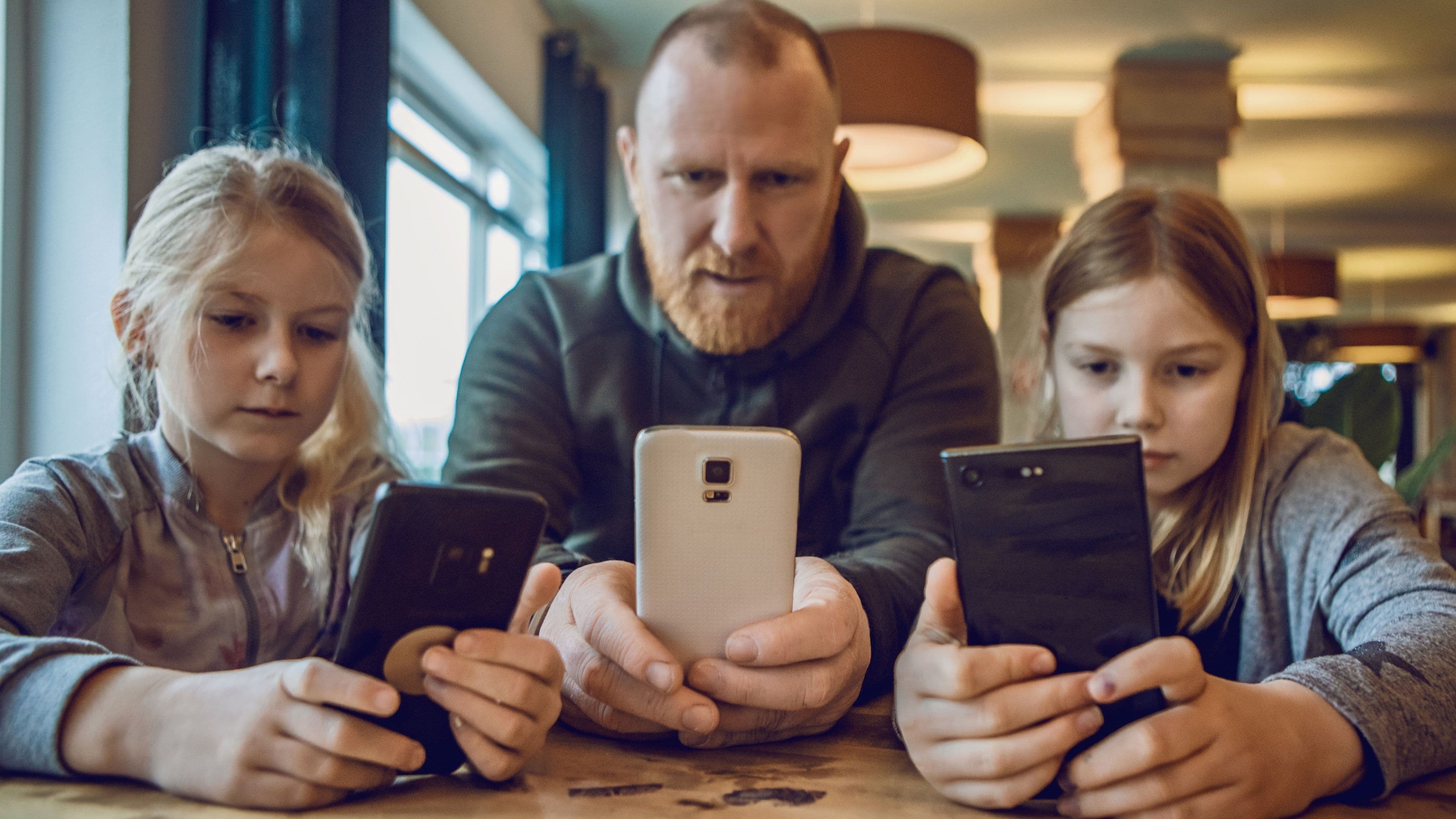
Quality Time is about focused, present attention. Not just being in the same room while both of you scroll through your phones – but genuinely being together, making eye contact, having conversations that go somewhere. People with this love language feel most loved when they have your full and undivided presence. Distractions during time together sting. Canceling plans stings even more. If someone in your life seems particularly affected by you putting your phone away and just being with them, quality time is likely their primary language.
Physical Touch extends well beyond romantic intimacy. For people whose primary love language is touch, a hand on the shoulder, a hug hello, or sitting close together communicates care in a way that's hard to articulate but immediately felt. Physical presence and warmth are grounding for them. Emotional distance often registers as physical distance too. This language tends to be misunderstood in non-romantic relationships, but it shows up in friendships and family bonds just as clearly.
How Knowing This Can Actually Help
Understanding your own love language helps you recognize what you've been asking for without having the words for it. Many people carry quiet resentments or feelings of not being loved enough, without ever clearly understanding what they actually need. Putting language to it is the first step toward being able to ask for it directly – rather than waiting to feel seen and feeling disappointed when it doesn't happen the way you'd hoped.
Understanding someone else's love language is where it gets more challenging – and more rewarding. It asks you to give love in a form that may not come naturally to you. If your language is words of affirmation but your partner's is acts of service, your heartfelt compliments may not be landing with the same weight that you intend. Swapping out one heartfelt speech for one task done without being asked might actually feel more loving to them than anything you could say.
That's the stretch. Real application of love language theory isn't just knowing – it's adjusting. It's choosing to express care in a way that the other person can actually receive, rather than the way that feels most natural to you.
Applying It in Real Life
Start by reflecting on your own patterns before trying to figure anyone else out. Ask yourself: what do I most often complain about not getting in my relationships? What do I do most naturally when I want to show someone I care? Those two questions tend to point directly toward your primary language.
To understand someone else's language, pay attention more than you ask. Notice what they do for others – people almost always give love in the form they most want to receive it. Notice what they react most positively to, and what leaves them visibly flat or disappointed. If you want to ask directly, a gentle conversation about what makes them feel most appreciated is usually more productive than sending them a quiz and waiting for the results.
Once you have a clearer picture, make one small shift. If your partner's language is quality time, put the phone in another room during dinner one night a week. If it's acts of service, take care of something on their to-do list without mentioning it. These don't need to be sweeping changes. Small, consistent adjustments made with intention tend to matter more than occasional grand gestures.
Where People Get It Wrong
The most common mistake is using the love language framework as a scorecard rather than a compass. It's easy to fall into the pattern of tallying what you've done and feeling frustrated when your effort isn't acknowledged, especially if your languages genuinely differ. The framework isn't meant to keep score – it's meant to build understanding.
Another pitfall is assuming that love languages are fixed and absolute. Some people's needs shift significantly during stressful periods, major life transitions, or after a loss. What felt most important five years ago might not be what's most needed today. Checking in periodically, rather than assuming you've filed it away and solved it, keeps the conversation alive.
It's also worth noting that love language theory applies beyond romantic partnerships. The same principles show up in friendships, in how parents and children connect, and even in professional relationships. A friend who feels most loved through quality time and consistently gets birthday cards but rarely gets your full attention is still going to feel a quiet disconnect, even if you genuinely care about them.
Realistic Expectations
Knowing someone's love language doesn't automatically repair a relationship or erase its friction. It gives you a more accurate map – but you still have to do the walking. Some couples use this framework to genuinely transform how they connect. Others find it useful as one tool among many, alongside better communication habits, therapy, or simply more patience with each other.
Progress in relationships tends to be slow and non-linear. You'll get it right some weeks and miss the mark in others. The goal isn't to become fluent in every love language all at once – it's to gradually become more attuned to the people who matter most to you, and to let them become more attuned to you.
That attunement, over time, is what builds the kind of relationships where people genuinely feel known and cared for. It rarely happens through one big conversation. It usually happens through a hundred small, consistent moments of choosing to pay attention.
FAQ
Are love languages scientifically proven? The five love languages are a clinical observation model, not a peer-reviewed psychological theory. While research support is mixed – some studies show limited empirical backing, others find meaningful associations between love language compatibility and relationship satisfaction – many therapists and counselors find the framework practically useful as a communication tool. It's best used as a starting point for reflection, not a definitive personality system.
Can two people have the same love language? Yes, and it can actually simplify things when they do. When partners share a primary language, they tend to naturally give each other what each needs most. That said, having different languages isn't a disadvantage – it just requires more conscious effort and communication.
What if I don't know my love language? Take Chapman's original quiz at 5lovelanguages.com, but also pay attention to your own reactions in relationships over the next few weeks. What leaves you feeling genuinely warm and appreciated? What makes you feel overlooked? Your emotional responses are usually more revealing than any quiz result.
Can love languages change over time? Yes. Life circumstances, age, trauma, and major transitions can shift what we need most from the people close to us. Revisiting the conversation every year or two – with yourself and with your partner – is more useful than treating your language as fixed.
Do love languages apply to friendships, not just romantic relationships? Absolutely. The same framework applies across any close relationship. A friendship where both people feel consistently unseen often has a love language mismatch at its root, even if neither person has the words for it.
A Final Thought
The most valuable thing about love language theory isn't the categories themselves – it's the permission it gives people to be honest about what they actually need, and the invitation to consider that the people they love might need something different. That shift in awareness, however small, tends to make relationships feel a little less like guesswork and a little more like genuine connection.
📚 Sources
Chapman, Gary – The 5 Love Languages (Northfield Publishing, 1992): https://www.5lovelanguages.com/learn
Egbert, N. & Polk, D. – Speaking the Language of Relational Maintenance (Journal of Social and Personal Relationships, 2006): https://journals.sagepub.com/doi/10.1177/0265407506060185
Mostova, O. et al. – I Love the Way You Love Me: Romantic Partners' Love Language Similarity Study (PLOS ONE, 2022): https://journals.plos.org/plosone/article?id=10.1371/journal.pone.0272758
Psychology Today – The Science Behind Love Languages: https://www.psychologytoday.com/us/blog/meet-catch-and-keep/201606/do-love-languages-hold-any-scientific-merit
Greater Good Science Center, UC Berkeley – Can Love Languages Predict Relationship Satisfaction?: https://greatergood.berkeley.edu/article/item/can_love_languages_predict_relationship_satisfaction
The Gottman Institute – How to Use Love Languages in Your Relationship: https://www.gottman.com/blog/the-love-language-you-might-be-overlooking/