The trick is knowing which ones are built with real thought behind them, and which are mostly marketing. Here's an honest look at the boxes that tend to hold up.
What Makes a Kids' Box Actually Worth It
Before getting into specific picks, it helps to know what separates a box that gets used from one that gets shoved in a closet after the first month. The best ones tend to share a few qualities: the content is genuinely engaging rather than filler, the materials feel safe and well-made, and the experience invites a parent or sibling to participate rather than being something a child does alone and forgets.
It's also worth being honest with yourself about your family's actual rhythm. A beautifully designed box that requires forty-five minutes of focused attention won't get much use in a household running on after-school chaos, while a simpler, shorter activity might become a genuine weekly anchor. Matching the box to your real life matters more than picking the "best" one on paper.
KiwiCo
KiwiCo has built a strong reputation around hands-on STEM and creative projects sorted by age range, from toddlers up through early teens. Each box centers on a single concept – simple machines, chemistry, design – and walks your child through building or experimenting with materials that are already measured and prepped.
Why it stands out: The projects feel like real learning rather than a token craft, and the age-tiering means the content actually grows with your child instead of staying generic.
Real-life use case: Many families find it works well as a Sunday afternoon activity, something calm to do together before the week starts. Worth noting: Some younger kids may need more guidance than the box assumes, so plan to sit with them rather than handing it off entirely.
Little Passports
Little Passports leans into geography and cultural curiosity, sending kids on a "journey" through different countries or U.S. states with activities, stories, and small souvenirs tied to each destination. It's less about building something physical and more about sparking curiosity about the wider world.
Why it stands out: It gently widens a child's sense of the world without feeling like a school assignment.
Real-life use case: Works nicely as a bedtime or weekend storytelling ritual, especially for kids who like maps, stories, or pretend travel. Worth noting: The activities are lighter than some STEM-focused boxes, so it pairs well as a complement to other learning rather than a sole educational tool.
Bookroo
Bookroo focuses entirely on children's books, hand-selected and shipped without flashy extras or plastic toys. For families trying to create a calmer, lower-stimulation environment at home, a books-only box can feel like a relief compared to the clutter that often comes with activity-based subscriptions.
Why it stands out: It supports a quiet, screen-free wind-down ritual, especially helpful for bedtime routines.
Real-life use case: Several families fold the new arrival straight into a nightly reading habit, which adds consistency without adding noise to the home.
Worth noting: This won't satisfy a child who wants hands-on activities, so it's best paired with another box or your own craft supplies if your child needs more sensory engagement.
Green Kid Crafts
Green Kid Crafts focuses on nature-based, eco-conscious projects using sustainable materials, which appeals to families trying to model environmental awareness alongside creativity. The projects tend to be approachable for younger children without feeling babyish.
Why it stands out: It quietly reinforces care for the environment as part of normal play, rather than treating sustainability as a separate lesson.
Real-life use case: Works well for outdoor-leaning families who want crafts that connect back to nature rather than purely indoor entertainment.
Worth noting: Some parents find the packaging itself could be more minimal given the brand's eco-focus, which is worth weighing if that matters to you.
Lillypost
Lillypost centers on flower arranging and nature appreciation, sending real or craft flowers along with simple instructions for arranging them. It's a gentler, more sensory-focused option compared to the STEM-heavy boxes on this list.
Why it stands out: It introduces a calming, tactile activity that's less common in typical kids' subscriptions, and it can become a sweet shared ritual between a parent and child.
Real-life use case: Some families use it as a once-a-month "slow afternoon" activity, intentionally setting aside unhurried time together. Worth noting: It's a more niche interest, so it tends to resonate most with kids who already gravitate toward quiet, creative play rather than high-energy activities.
How to Choose the Right One for Your Family
Start by thinking about what your week actually has room for, not what sounds ideal. If quiet, screen-free evenings are the goal, a books-only box like Bookroo might fit more naturally than a project-heavy STEM box that needs setup and supervision. If your child thrives on building and experimenting, KiwiCo's structured projects may hold their attention longer than something passive.
It's also worth resisting the urge to subscribe to several at once just because they all sound appealing. One box, used consistently and woven into an existing routine, tends to bring more genuine value than three boxes competing for attention and eventually feeling like clutter. You can always rotate or switch after a few months once you have a clearer sense of what your child actually engages with.
What to Avoid
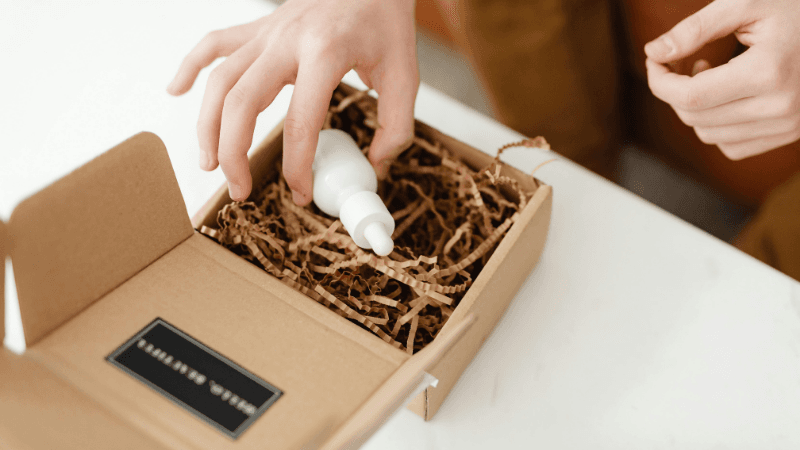
Be cautious of boxes that lean heavily on plastic trinkets or one-time novelty items with little lasting value, since these tend to get used once and forgotten. It's also worth avoiding the temptation to choose a box based purely on impressive unboxing photos online, since the most photogenic boxes aren't always the ones that hold a child's attention once the packaging is gone.
Try not to treat a subscription box as a replacement for connection time. The boxes that tend to feel most worth it are the ones used together, even briefly, rather than handed to a child to occupy them independently.
FAQ
Are kids' subscription boxes worth the cost compared to buying activities separately? It depends on how consistently your family uses them – a box that gets opened and engaged with every month tends to offer better value than buying scattered, one-off activities that may go unused.
What age range tends to benefit most from subscription boxes? Most options on this list are designed for ages 3 through early teens, with the better brands offering tiered age ranges so the content evolves as your child grows rather than staying static.
How do I know if a box will actually get used long-term? Pay attention after the first one or two boxes – if your child is asking when the next one arrives, or if it's naturally folded into an existing routine like bedtime or weekend mornings, it's likely to stick.
Can subscription boxes replace screen time effectively? They can offer a meaningful alternative for a portion of the week, especially when paired with shared time rather than solo use, though they work best as one part of a broader routine rather than a single solution.
A good subscription box isn't really about the contents inside the box. It's about creating a small, predictable pocket of connection and curiosity in an otherwise busy week, something your child can count on and look forward to.
📚 Sources
KiwiCo Official STEM Project Overview - https://www.kiwico.com/
Common Sense Media – Screen Time and Family Routines - https://www.commonsensemedia.org/articles/screen-time