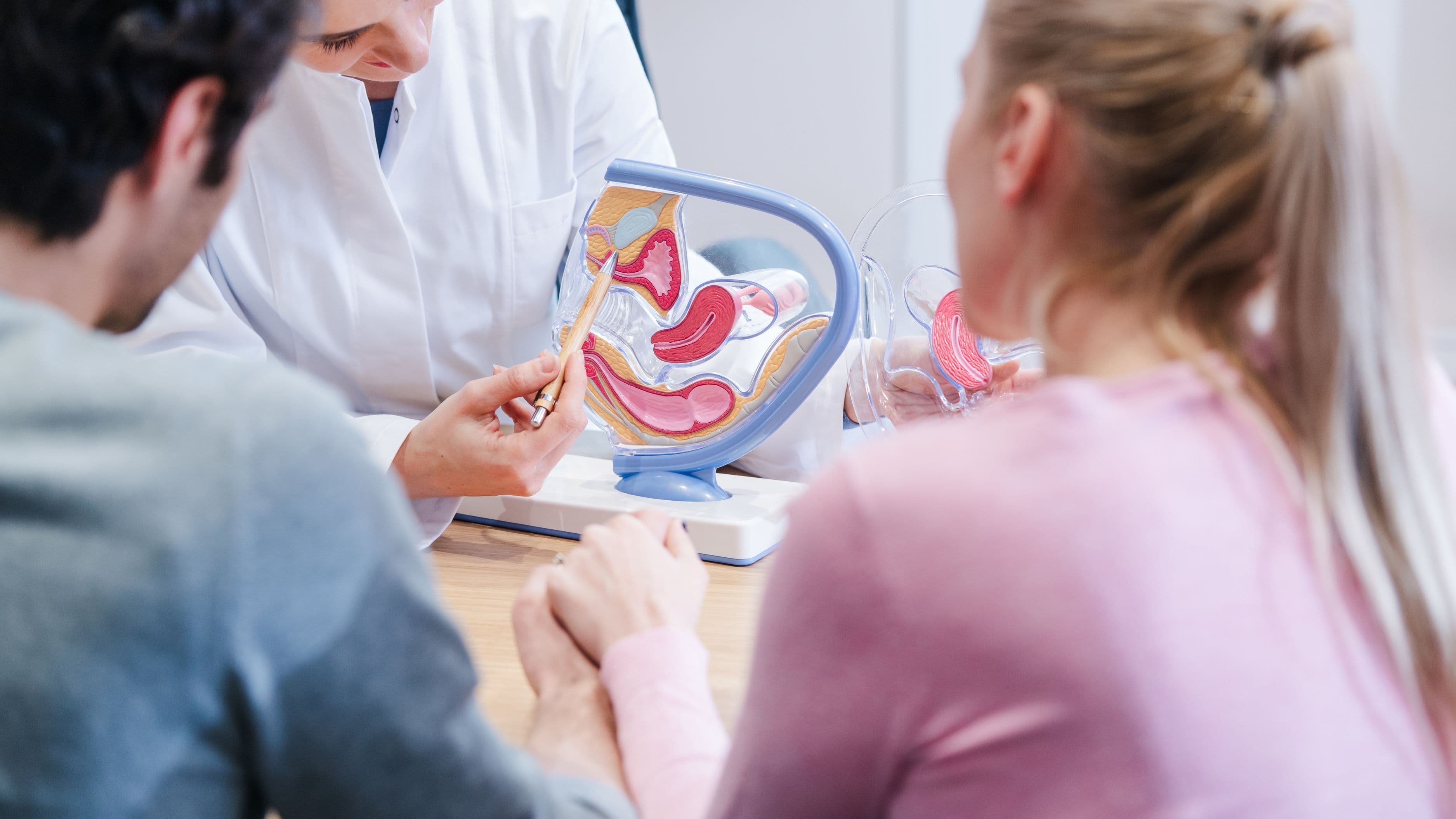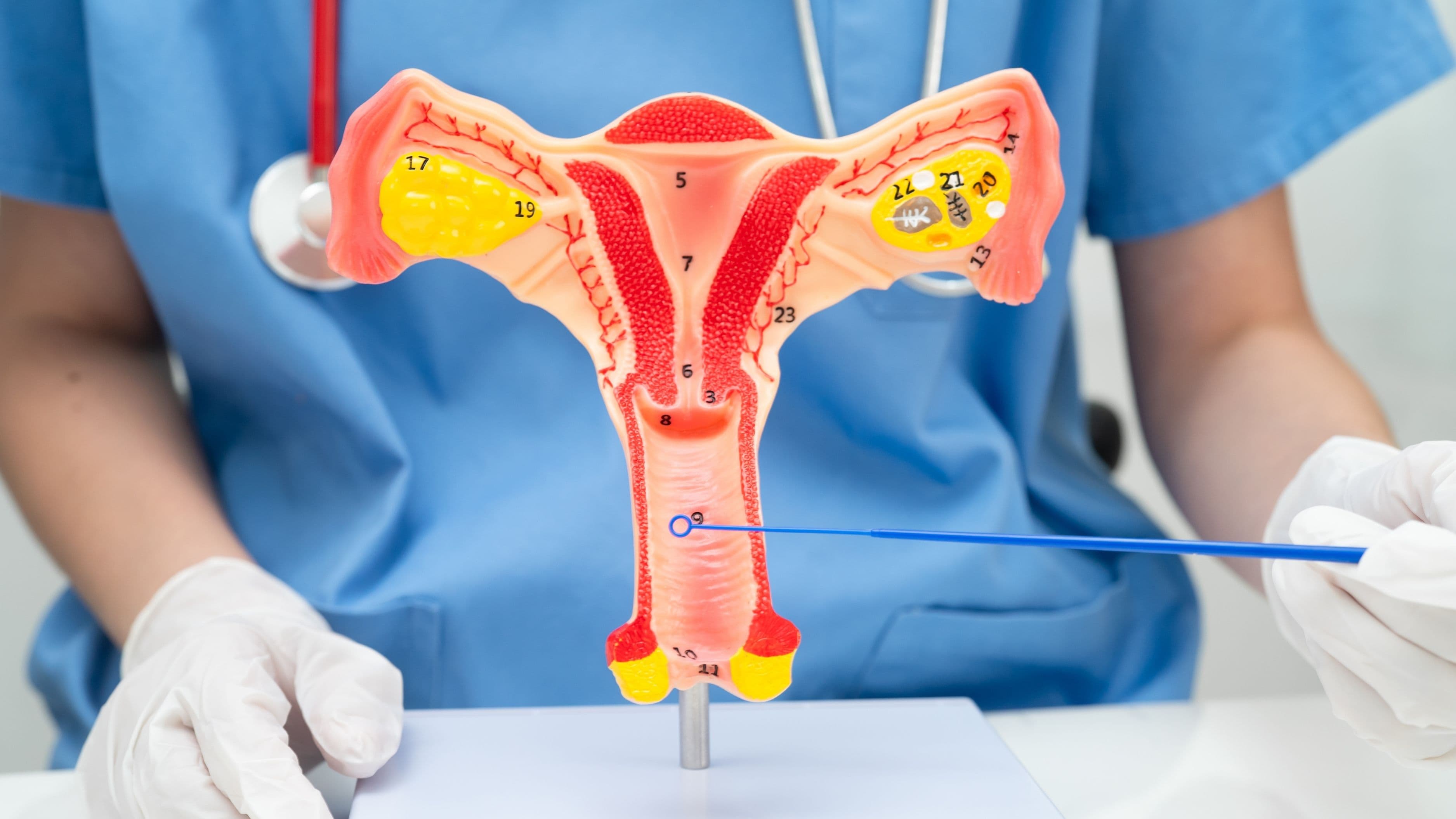
Here's the thing: hormones run virtually every system in your body, and when even one of them drifts out of range, the ripple effects are wide, weird, and deeply personal. According to the Office on Women's Health, hormonal imbalances affect millions of women across all age groups — and yet they remain one of the most under-discussed and misattributed health topics out there. So let's fix that. No white coats, no jargon — just real talk about what your body might be trying to tell you.
First, What's Actually Going On?
Hormones are chemical messengers produced by glands in your endocrine system — think estrogen, progesterone, cortisol, thyroid hormones, and insulin, among others. They travel through your bloodstream and tell your organs what to do, when to do it, and how hard to work. When these messengers are in balance, your body hums along like a well-rehearsed orchestra. When they're not, it sounds more like a middle school band playing a song they just learned an hour ago.
Hormonal imbalances in women can stem from a wide variety of causes: stress, poor sleep, diet, environmental toxins, perimenopause, polycystic ovary syndrome (PCOS), thyroid disorders, or just the wild hormonal choreography that is the female reproductive cycle. The tricky part is that symptoms overlap dramatically — which is why so many women spend years cycling through doctors, diagnoses, and supplements before getting real answers. Recognizing the signs isn't about self-diagnosing from a list; it's about becoming fluent in what your body is communicating so you can advocate for yourself more effectively.
1. The Mood That Arrived Uninvited and Brought Luggage
Irritability, anxiety, or a low-level sadness that you can't quite shake — these aren't personality flaws or signs that you're "too sensitive." They're often the first dispatch from a hormonal system that's off-kilter. Fluctuating estrogen and progesterone levels, in particular, have a direct line to your brain's serotonin and dopamine production, which means your emotional landscape can shift dramatically without any external reason.
You might notice it as a short fuse that appears out of nowhere — like becoming genuinely furious at a slow Wi-Fi connection — or as a persistent low mood that feels like wearing a wool coat in July: heavy, uncomfortable, and impossible to explain to anyone who isn't feeling it. Premenstrual dysphoric disorder (PMDD), perimenopause, and thyroid dysfunction are among the most common hormonal culprits behind mood disruption in women. If your emotional state feels cyclical, erratic, or disconnected from your actual circumstances, your hormones deserve a place in that conversation.
2. The Sleep That Ghosted You
You're tired. Bone-tired. The kind of tired that a full night's sleep somehow doesn't fix, or worse — the kind where you lie awake at 3 a.m. with a racing mind despite being utterly exhausted. Sleep disruption is one of the most universally reported signs of hormonal imbalance, and it operates in an infuriating loop: disrupted hormones wreck your sleep, and wrecked sleep disrupts your hormones further.
Progesterone has a natural calming, sleep-promoting effect — so when it drops, particularly in the second half of the menstrual cycle or during perimenopause, falling and staying asleep becomes a nightly negotiation. Elevated cortisol (the stress hormone that's supposed to peak in the morning, not at midnight) can also keep you wired when your body is desperate to wind down. If you're reaching for your third cup of coffee before noon just to feel functional, and no amount of sleep hygiene tips seem to move the needle, it might be worth looking beyond your bedtime routine.
3. The Skin That Started Doing Its Own Thing
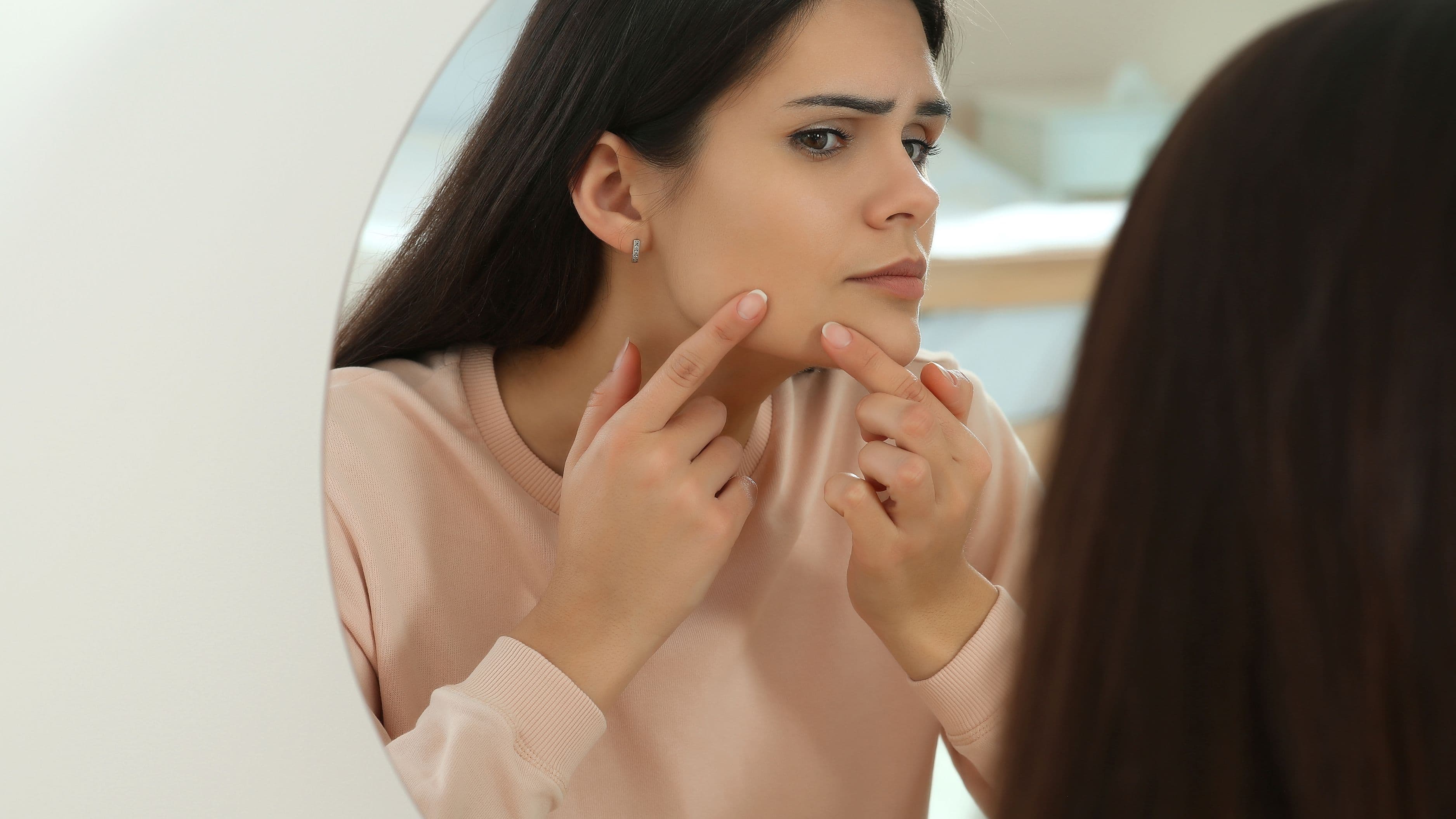
Adult acne is not a teenage leftover. When breakouts appear consistently along the jawline, chin, or lower cheeks in adult women, they often signal elevated androgens — the male hormones that women also produce, just typically in smaller amounts. Conditions like PCOS commonly present this way, and hormonal shifts around the menstrual cycle, postpartum period, or perimenopause can all trigger these frustrating flare-ups.
But skin changes go beyond breakouts. Dry, dull skin that no moisturizer seems to fix can indicate low estrogen or thyroid dysfunction. Suddenly oily skin that wasn't before is also a hormonal signal. Your skin is remarkably chatty about what's happening internally — it's just speaking in a language that takes some translation. If your complexion has changed noticeably without a change in products, diet, or season, your hormones may be the author of that story.
4. The Brain That Left the Building
You walk into the kitchen and stand there, completely blank. You re-read the same paragraph four times. You forget the name of a movie you watched last week — not just the title, but the entire plot. Brain fog is one of the most disorienting hormonal symptoms precisely because it feels so invisible. Nobody can see that your mental bandwidth has been cut in half, which makes it easy to dismiss as stress or "just being busy."
Estrogen plays a significant role in cognitive function, memory, and verbal fluency. When it fluctuates or declines — during perimenopause especially — many women describe a mental haziness that feels genuinely alarming. Thyroid imbalances are another major brain fog culprit; the thyroid regulates metabolism across every cell in the body, including brain cells, so when it's underactive, everything — including your thoughts — slows down. The good news is that brain fog tied to hormonal causes tends to be temporary and often lifts significantly with the right support.
5. The Weight That Moved In Without Permission
You haven't changed what you eat. You're still moving your body. And yet something is shifting, particularly around your midsection, in a way that feels foreign and frustrating. Hormonal imbalance — especially involving insulin, cortisol, and estrogen — can profoundly affect how your body stores and metabolizes fat, independent of calorie intake.
Elevated cortisol from chronic stress is particularly notorious for encouraging fat storage around the belly, because your body interprets ongoing stress as a survival emergency and hoards energy accordingly. Meanwhile, declining estrogen during perimenopause shifts where fat is distributed on the body, often moving it from hips and thighs to the abdomen. This isn't a willpower issue or a metabolism that's simply "slowing with age" — it's a physiological response to a chemical shift. Understanding that distinction matters, because it changes where you look for solutions.
6. The Period That's Writing Its Own Rules
Irregular, heavy, painful, or suddenly absent periods are among the most direct signals that something hormonal is worth investigating. While some variation is normal, significant changes in cycle length, flow, or the appearance of symptoms like intense cramping, clotting, or spotting between periods deserve attention — not normalization.
PCOS, thyroid dysfunction, elevated prolactin levels, and perimenopause can all disrupt the menstrual cycle in distinct ways. A cycle that was clockwork for years and suddenly becomes unpredictable isn't just an inconvenience — it's information. Dr. Aviva Romm, an integrative physician and author of Hormone Intelligence, emphasizes that a woman's menstrual cycle is often called a "fifth vital sign" because of how accurately it reflects overall hormonal and systemic health. Tracking your cycle — its length, symptoms, flow, and mood patterns — gives you and your healthcare provider a valuable map of what's happening beneath the surface.
Your Body Isn't Broken — It's Talking
Here's the wisdom tucked inside all of this: your body is not betraying you. It's not being dramatic. It's not falling apart. It is communicating — consistently, persistently, and with remarkable creativity — that something needs attention. Hormonal imbalances are common, they're treatable, and they are absolutely worth taking seriously, even when you've been told your labs are "normal" or your symptoms are "just stress."
Become your own best advocate. Track your patterns. Ask better questions. Find a provider who listens beyond the surface. Your hormones are not your enemy — they're just trying to run a very complicated system with very little credit for all the work they do. Your life doesn't need to be perfectly balanced — just a little more informed, a little more listened to, and a lot more yours.
📚 Sources
Office on Women's Health, U.S. Department of Health and Human Services. (2021). Polycystic ovary syndrome. womenshealth.gov.
Romm, A. (2021). Hormone Intelligence: The Complete Guide to Calming Hormone Chaos and Restoring Your Body's Natural Blueprint for Well-Being. HarperOne.
Prior, J. C. (1998). Perimenopause: The complex endocrinology of the menopausal transition. Endocrine Reviews, 19(4), 397–428.
Björntorp, P. (2001). Do stress reactions cause abdominal obesity and comorbidities? Obesity Reviews, 2(2), 73–86.
Redmond, G. P. (1999). Androgens and women's health. International Journal of Fertility and Women's Medicine, 44(2), 78–88.