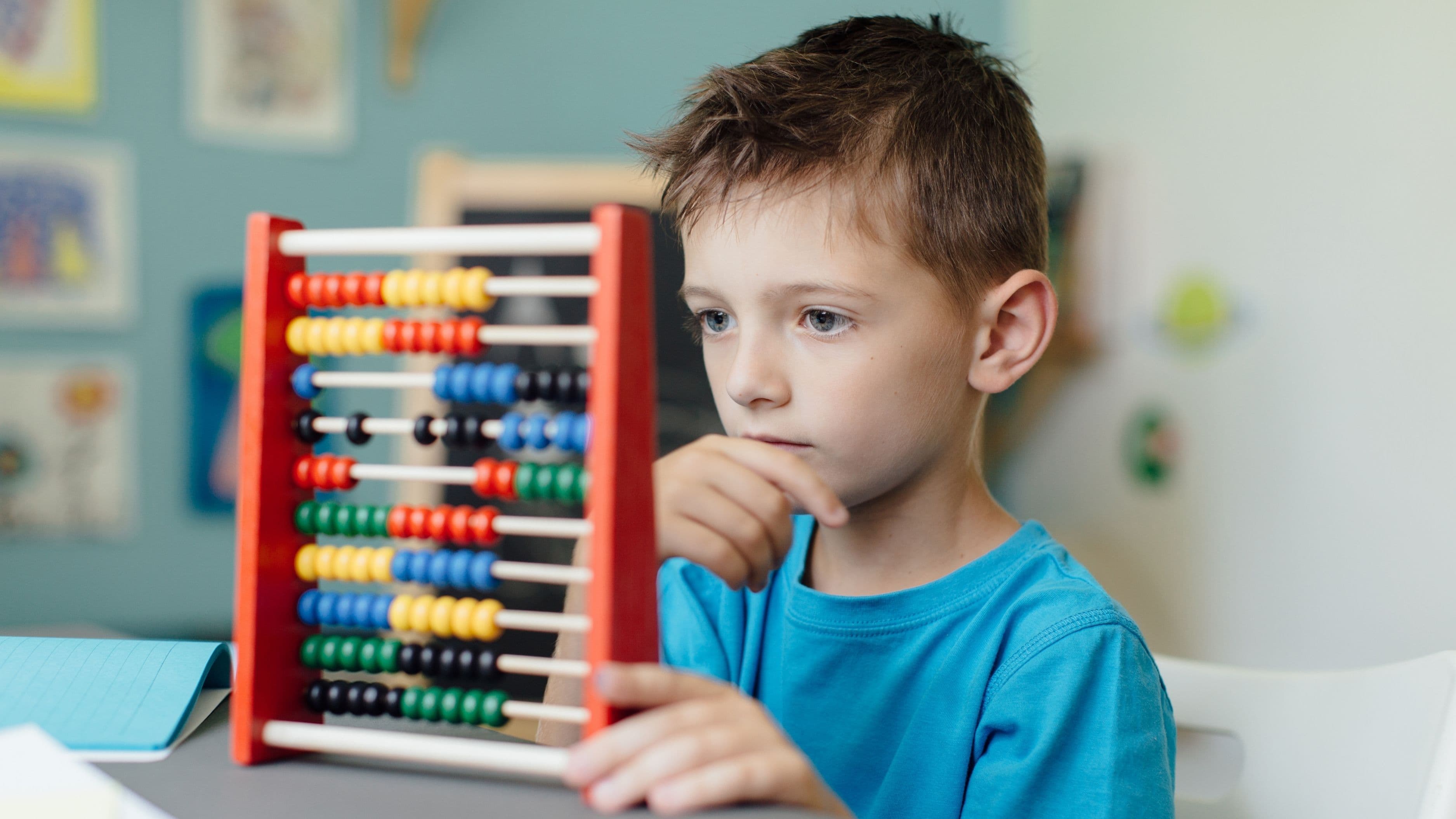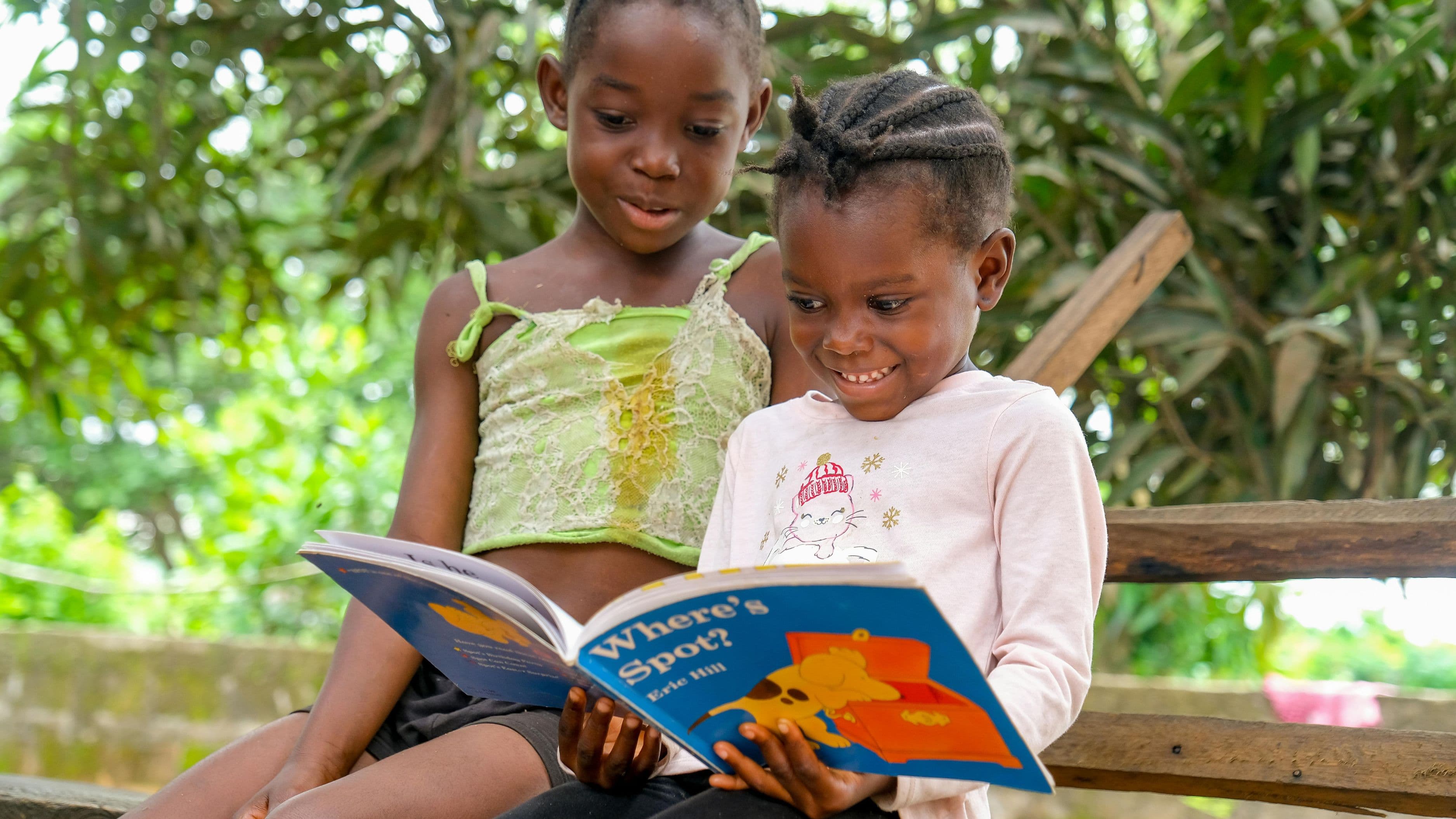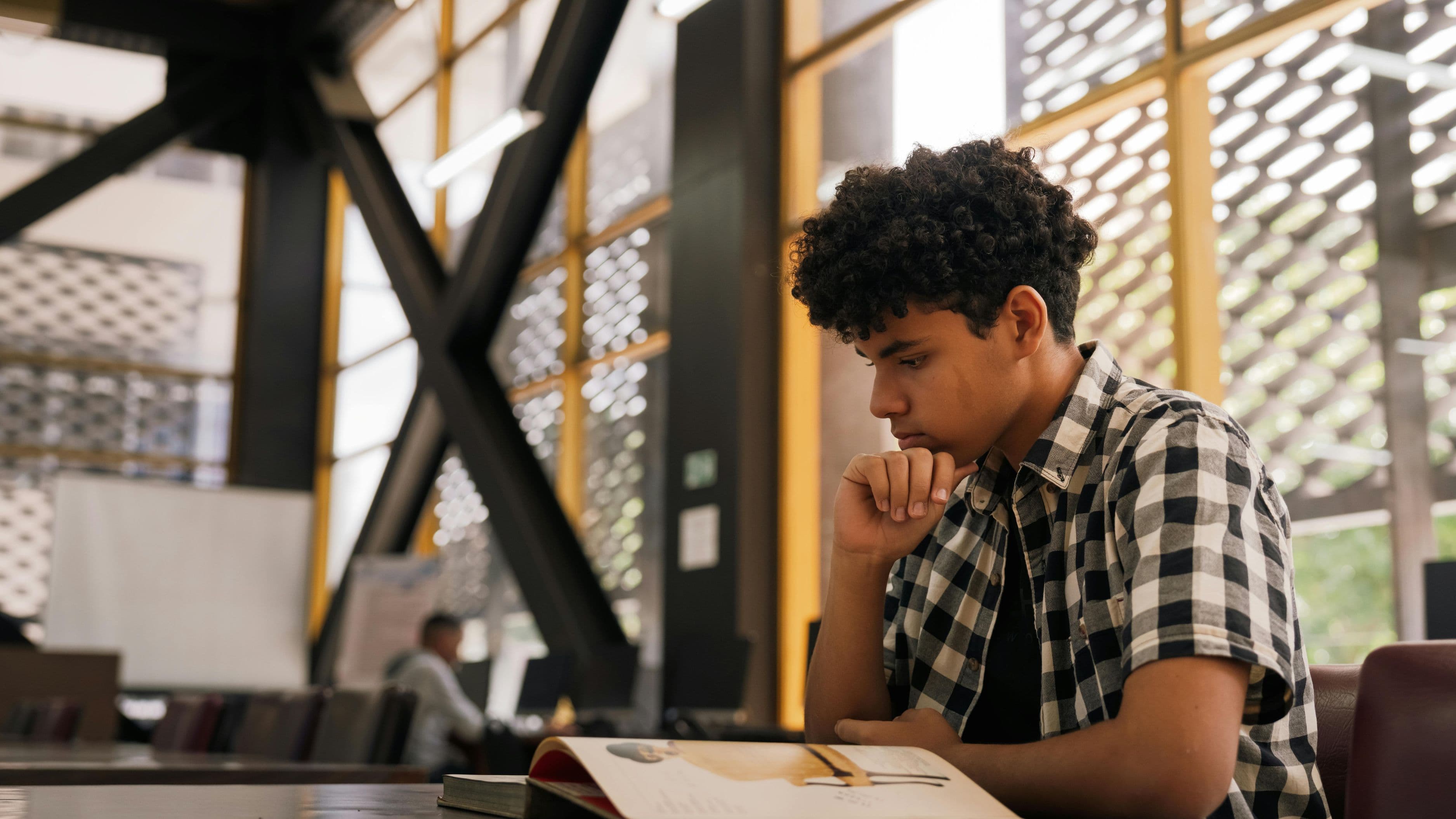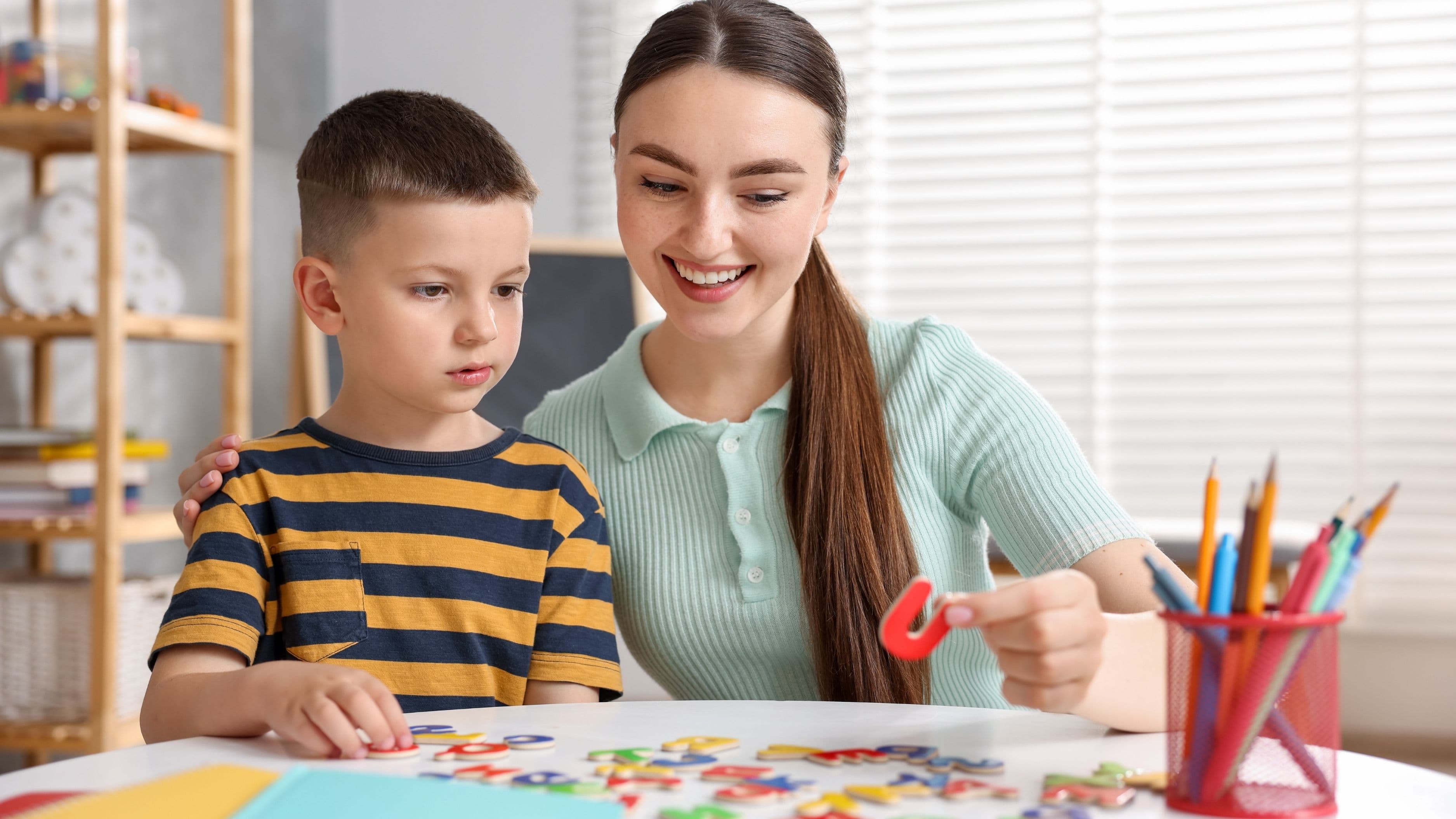
In a world that's spinning faster than your anxiety on a Monday morning, more families are hitting pause on traditional schooling and asking: "What if we did this differently?" Homeschooling isn't just for off-the-grid homesteaders or super-religious families anymore. It's evolved into a legitimate, powerful choice for parents who want more control, more connection, and frankly, less chaos in their children's education.
Let's explore why homeschooling might be the plot twist your family's story needs.
1. The Schedule Whisperer
You know that feeling when you realize you don't have to set an alarm? Multiply that by 180 school days, and you're getting close to the freedom homeschooling offers.
Traditional school schedules were designed for factory workers in the Industrial Revolution. Your brilliant, creative, modern child is not a factory widget. Homeschooling lets you align education with your child's natural rhythms—whether they're a 6 AM rising scholar or a midnight creative genius.
Need to take a Tuesday off for mental health? Done. Want to spend three weeks deep-diving into marine biology because your kid suddenly became obsessed with octopuses? Go for it. According to the National Home Education Research Institute, homeschooled students often complete their academic work in significantly fewer hours than their traditionally-schooled peers, leaving more time for creativity, rest, and actual childhood.
2. The One-Room Revolution
Here's a wild concept: What if your seventh grader could do tenth-grade math and fifth-grade spelling without anyone freaking out about it?
Homeschooling obliterates the arbitrary age-based classroom model. Your child isn't held back by the slowest learner or rushed past concepts they haven't mastered. They move at their own pace, which is basically the educational equivalent of a perfectly tailored suit instead of one-size-fits-all sweatpants.
This individualized approach means your kid who's obsessed with dinosaurs can spend hours exploring paleontology while still hitting all their educational benchmarks. They're not just memorizing facts for a test—they're falling in love with learning itself. And that passion? That's the secret ingredient most traditional classrooms accidentally cook right out of education.
3. The Social Script Rewrite
Let's address the elephant in the room: "But what about socialization?" Ah yes, because nothing teaches healthy social skills like being trapped with 30 kids your exact age for seven hours a day, navigating cafeteria politics and bathroom hierarchies.
Homeschooled kids actually interact with a much wider age range—from toddlers to seniors—which is, you know, how the actual world works. They're not learning social skills from Lord of the Flies; they're learning them from co-ops, community sports, volunteer work, and real-world interactions.
Research from the Journal of School Choice found that homeschooled students often score higher in social, emotional, and psychological development than their traditionally-schooled peers. They're less likely to experience peer pressure, bullying, and the soul-crushing need to fit into boxes that were never designed for their unique shapes.
4. The Values Guardian
Schools are supposed to be neutral, but let's be real—they're swimming in someone else's values, whether we acknowledge it or not.
Homeschooling lets you be the curator of your child's moral and ethical education. You decide what values matter, what questions are worth asking, and what wisdom traditions to explore. Whether you're deeply spiritual, firmly secular, or beautifully somewhere in between, your child's education reflects your family's authentic beliefs.
This isn't about sheltering kids from the world—it's about giving them a strong foundation before they engage with it. Like teaching someone to swim in the shallow end before tossing them into the ocean during a storm.
5. The Anxiety Antidote
Modern schools are pressure cookers of standardized tests, social comparison, and performance anxiety. For some kids, that environment isn't just stressful—it's traumatic.
Homeschooling removes the constant evaluation, the social media comparison spiral, and the feeling of being perpetually behind. Kids can learn without the weight of judgment crushing their natural curiosity. They can fail privately, iterate quickly, and develop resilience without an audience.
The National Center for Education Statistics reports that mental health concerns are a growing reason families choose homeschooling. In a world where teen anxiety and depression are skyrocketing, creating a calmer learning environment isn't overprotective—it's wise.
6. The Real-World Laboratory
When was the last time you needed to dissect a frog or recall the Pythagorean theorem? Yeah, that's what we thought.
Homeschooling can integrate practical life skills seamlessly. Your kid can learn fractions by cooking, economics by managing a small business, writing by starting a blog, and biology by maintaining a garden. Education becomes living, breathing, and immediately applicable.
They're not just preparing for tests—they're preparing for life. And when your teenager can balance a budget, change a tire, cook a meal, and articulate their thoughts clearly, you've done something right.
7. The Special Needs Navigator
Traditional schools mean well, but they're often overwhelmed, underfunded, and unable to truly meet the needs of kids who learn differently.
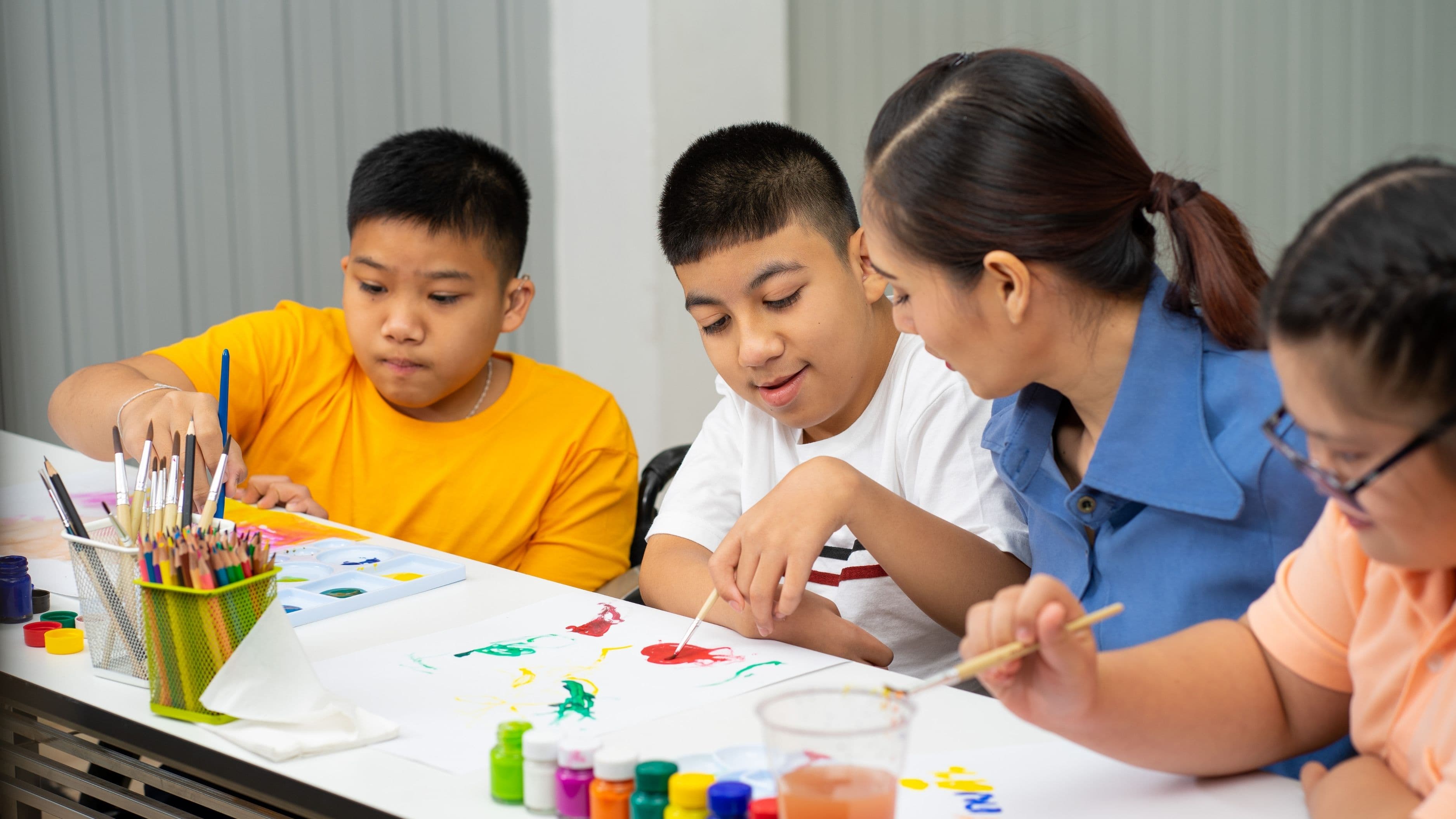
Homeschooling offers radical flexibility for children with ADHD, autism, dyslexia, giftedness, or any other beautifully complex brain wiring.
Parents can use specialized curricula, adapt teaching methods instantly, and create sensory-friendly environments without fighting for accommodations. Your child isn't a problem to be managed—they're a unique learner to be celebrated.
The ability to say "this isn't working" and pivot immediately is priceless. No IEP meetings, no waiting lists, no settling for less than your child deserves.
8. The Travel Passport
Geography class hits different when you're actually standing in the Roman Colosseum or snorkeling in the Great Barrier Reef.
Homeschooling families can travel during off-peak seasons, extend trips for deeper immersion, and turn the entire world into a classroom. Education becomes adventure, and learning becomes inseparable from living. Your child's understanding of history, culture, and geography isn't confined to textbooks—it's written in passport stamps and genuine human connection.
This isn't just privilege talking, either. Even local field trips become more meaningful when you can visit museums on quiet Tuesday mornings, explore state parks without crowds, and take spontaneous learning adventures when inspiration strikes.
9. The Screen Time Boss
Schools are increasingly screen-dependent, and let's not pretend that's all educational. Between administrative software, digital textbooks, and classroom management apps, kids are staring at screens more than ever.
Homeschooling parents can curate technology use intentionally. Screens become tools, not babysitters. You can prioritize hands-on learning, outdoor exploration, and face-to-face connection while still leveraging technology when it genuinely enhances education.
Your child learns that technology serves them, not the other way around. That's a life skill worth its weight in Bitcoin.
10. The Family Glue
Here's the tender truth: childhood is breathtakingly short, and traditional schooling means your kids spend most of their waking hours away from you.
Homeschooling deepens family bonds in ways that are hard to quantify but impossible to ignore. You're not just seeing your kids at their exhausted worst after a long school day—you're experiencing their curiosity, their breakthroughs, their frustrations, and their joy in real-time. Sibling relationships strengthen when kids actually spend quality time together instead of being separated by age and classroom.
These aren't just students—they're your people. And building a life that includes more meaningful time together isn't selfish; it's sacred.
The Mindful Choice
Homeschooling isn't a rejection of education—it's a reclamation of it. It's saying "I care too much about my child's learning to outsource it entirely." It's choosing intentionality over convenience, presence over programs, and personalization over standardization.
Sure, it's not for everyone. It requires sacrifice, creativity, and the willingness to trust yourself when the whole world questions your choice. But for families who feel the pull toward something different, homeschooling offers a path that honors both individual uniqueness and collective wisdom.
Your child's education doesn't need to look like everyone else's to be extraordinary. Sometimes the bravest thing you can do is create a learning environment that feels less like a system and more like your family—beautifully imperfect, wonderfully unique, and deeply intentional.
After all, the goal isn't to raise students. It's to raise humans who are curious, compassionate, capable, and connected. And that kind of education? It happens best when it's rooted in love, flexibility, and the courage to do things differently.
Your life doesn't need to follow someone else's blueprint—just one that honors who your family actually is.
📚 Sources
National Home Education Research Institute (NHRI) - "Research Facts on Homeschooling" - Comprehensive research compilation on homeschooling outcomes, socialization, and academic achievement across multiple longitudinal studies.
Medlin, R. G. (2013). "Homeschooling and the Question of Socialization Revisited." Peabody Journal of Education, 88(3), 284-297 - Peer-reviewed examination of social, emotional, and psychological development in homeschooled children.
Ray, B. D. (2017). "A Systematic Review of the Empirical Research on Selected Aspects of Homeschooling as a School Choice." Journal of School Choice, 11(4), 604-621 - Academic analysis of homeschooling research including academic performance and family dynamics.
National Center for Education Statistics (NCES), U.S. Department of Education - "Homeschooling in the United States: Results from the 2012 and 2016 Parent and Family Involvement Survey" - Federal data on homeschooling demographics, reasons for choice, and participation trends.
🔍 Explore Related Topics
• Homeschool curriculum options for different learning styles
• How to start homeschooling mid-year
• Socialization opportunities for homeschooled children
• Balancing work and homeschooling as a parent
• Homeschool co-ops and community groups
• Legal requirements for homeschooling by state
• Unschooling vs traditional homeschool approaches
• Homeschooling children with special needs
• College admission for homeschooled students
• Hybrid homeschool programs and part-time options