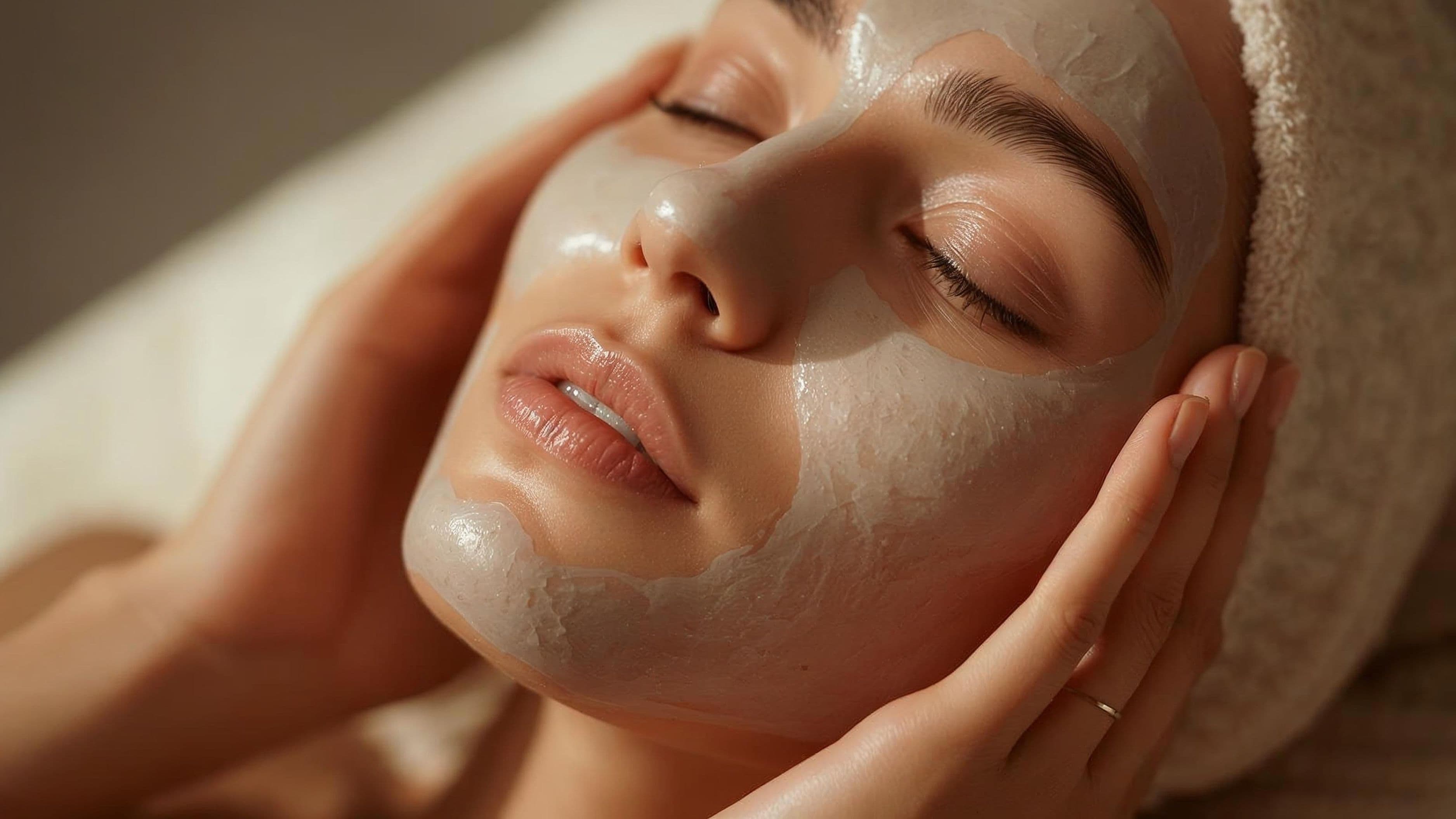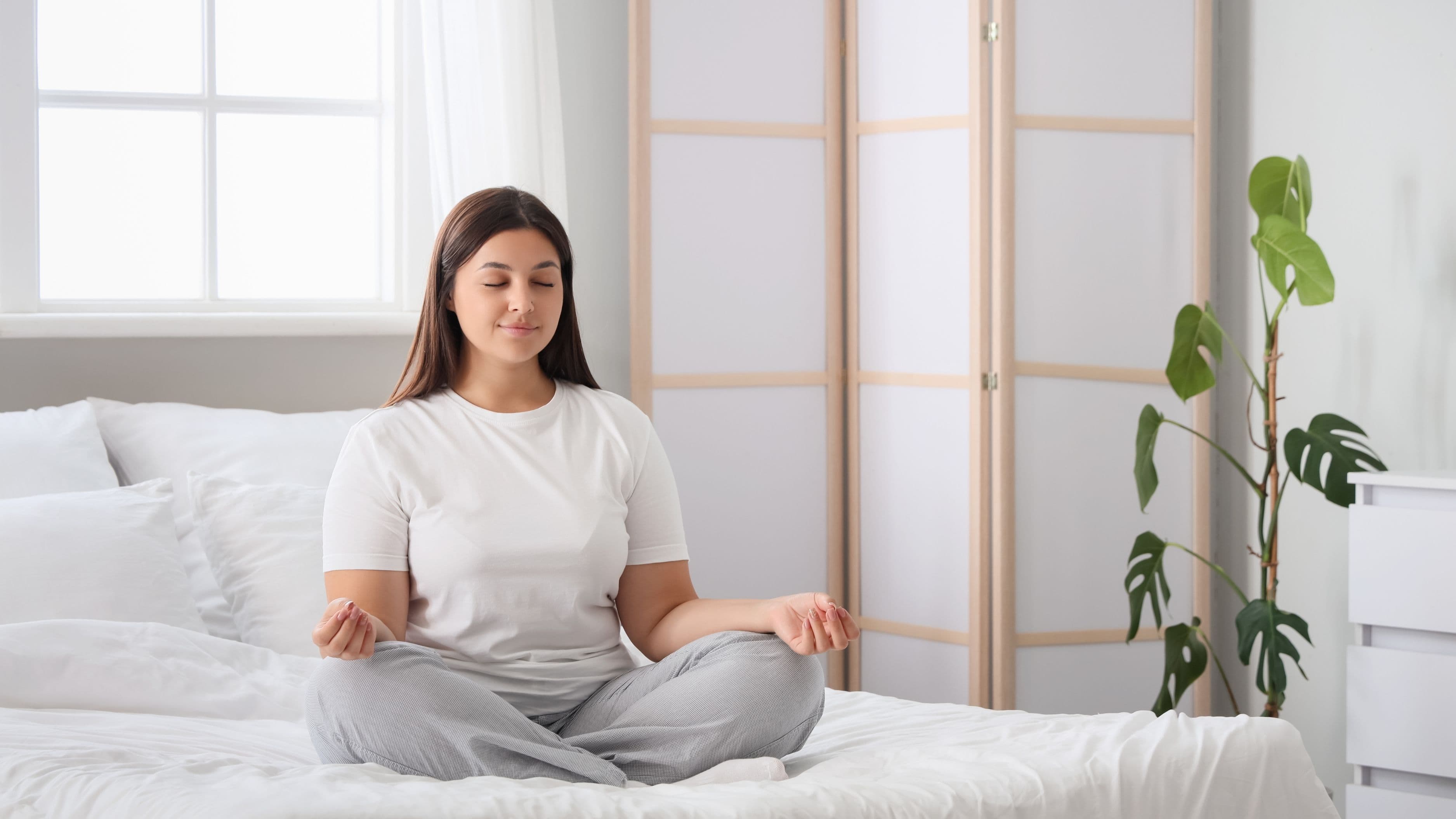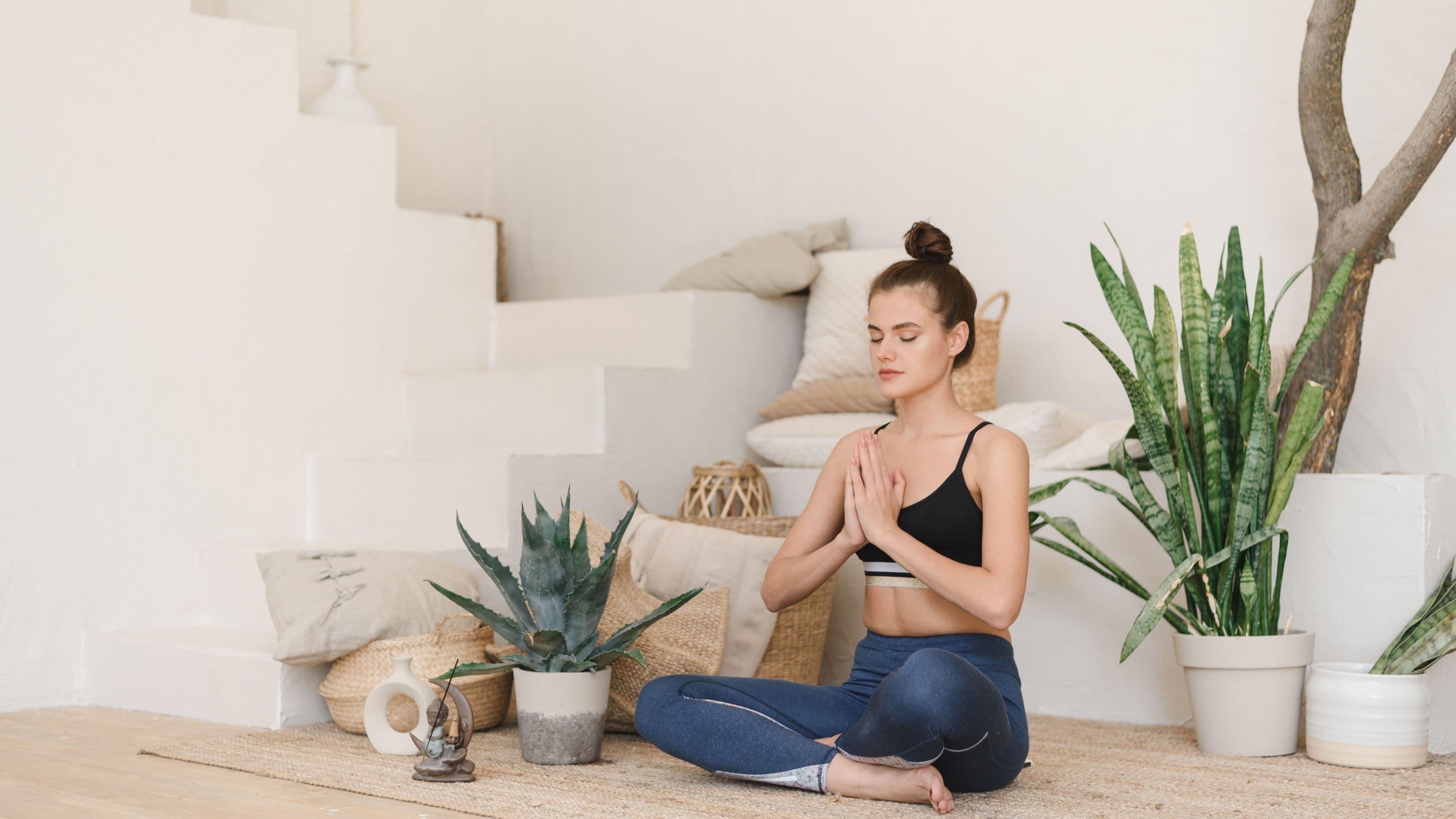
The good news is that what makes a space feel restorative has very little to do with money. It has everything to do with how the space makes your nervous system feel. And that's something you can shape on almost any budget, in almost any home.
Start With What You're Actually Creating This For
Before you buy a single candle or rearrange any furniture, it's worth pausing to ask yourself one honest question: what does your mind and body most need right now? The answer to that shapes everything that follows, and it's where most people skip ahead too quickly.
Someone who is chronically overstimulated – a busy parent, someone who works in a loud environment, a person who stares at screens all day – needs something different from someone who feels isolated and low-energy. The first person needs quiet, dim light, and softness. The second might need natural light, texture, and gentle warmth. Building a space without knowing what you're building it for is how you end up with a beautiful room that doesn't actually help you feel better.
Take a few minutes to think about what kind of rest or restoration you're most lacking. Is it quiet? Stillness? A place to move your body gently? Somewhere to breathe deeply without being interrupted? That answer is your compass.
The Elements That Actually Make a Space Feel Restorative
Research on environmental psychology consistently points to the same core factors that influence how a space makes us feel: light, sound, scent, temperature, and the degree of visual clutter. These five elements are entirely within your control regardless of your budget, and addressing them thoughtfully is more impactful than any wellness product you could buy.
Light has the most powerful effect on your nervous system of any environmental factor. Harsh overhead lighting signals alertness and activation. Warm, low, indirect light tells your brain it's safe to slow down. If your space currently relies on bright white ceiling lights, the single most effective upgrade you can make – for as little as the cost of a warm-toned bulb – is to swap them out or add a small lamp with a soft, amber glow. Dimmer switches are inexpensive and transformative. Candles, even a single one, change the emotional temperature of a room in a way that's hard to describe until you've experienced it.
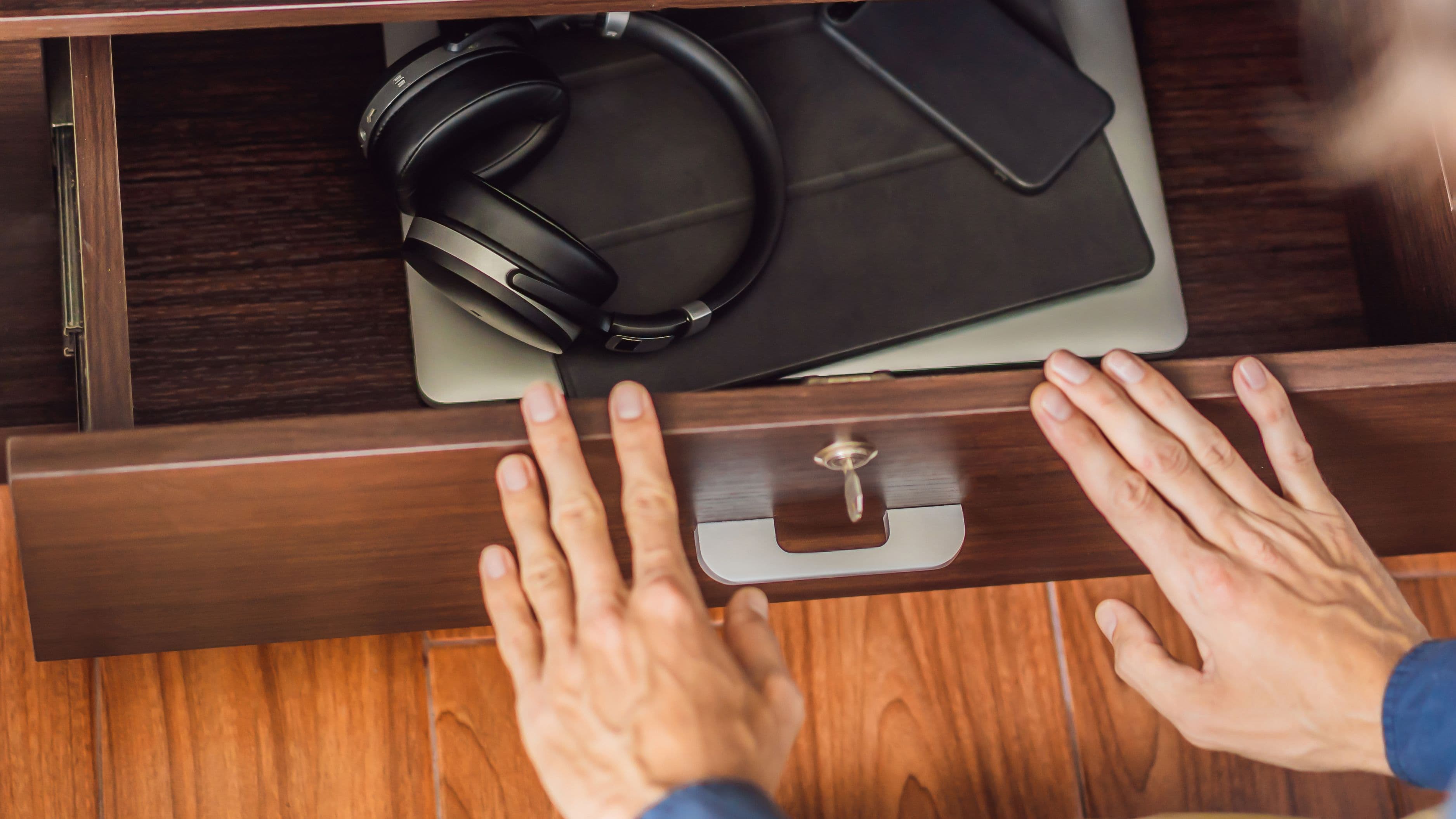
Sound is the element most people overlook until it's bothering them. Traffic noise, a loud neighbor, or the hum of appliances create a low-level stress response that you can adapt to consciously but that your nervous system never fully ignores. A small white noise machine or a Bluetooth speaker playing soft ambient sound can create a sonic boundary between your sanctuary and the rest of your home or building. Even the absence of additional sound – turning off the TV, putting the phone in another room – is itself a form of sound design.
Scent works through the same direct limbic pathway that aromatherapy intentionally harnesses. A space that has a consistent, familiar scent associated with rest and calm becomes a stronger signal over time. This doesn't require a diffuser – a sachet of dried lavender, a naturally scented candle, or a small amount of essential oil on a cotton ball placed nearby all work. What matters is consistency, not complexity.
Temperature is often the most overlooked comfort factor. A space that's too warm feels sluggish and heavy. One that's slightly cool – most research puts the ideal rest temperature between 65 and 68°F – feels crisp and inviting. You may not be able to control your home's thermostat with precision, but an open window, a light blanket, or a small fan can adjust the feel of a single space significantly.
Visual clutter is the silent saboteur of restorative spaces. Clutter isn't just a visual annoyance – it represents unfinished business, competing demands, and a subconscious to-do list. Your brain registers it as noise. You don't need to minimize your entire home, but in your designated sanctuary space, reducing what you can see makes a measurable difference to how calm you feel when you're in it.
Building Your Sanctuary at Three Different Budget Levels
If You're Starting With Almost Nothing
The most important thing to know if you're working with a very limited budget is that a sanctuary doesn't require purchases. It requires intention and a willingness to use what you already have differently.
Start by identifying a corner, a chair, or even a specific cushion on the floor that can become your designated space. The physical boundary matters – even a small defined area sends a signal to your brain that this location has a different purpose than the rest of your home. Declutter that specific area completely. Remove anything that doesn't support rest or reflection.
Change the light. Move a lamp from another room, swap a bulb for a warmer one (around 2700K color temperature), or simply use that space at a time of day when natural light is softer – early morning or late afternoon. Lay down whatever soft texture you have available: a folded blanket, a cushion from the sofa, a pillow that you use only in this space. Brew a cup of tea and drink it there, with your phone in another room, for ten minutes. That's a sanctuary. You've spent nothing and built something real.
If You Have a Small Budget ($20–$100)
With a small budget, you can layer sensory elements on top of the foundation you've already created. A warm-toned salt lamp (around $15–25) provides both soft light and a gentle visual anchor. A basic ultrasonic diffuser runs $20–35 and allows you to experiment with essential oils – lavender and bergamot are good starting points for emotional calm. A small white noise machine or a simple Bluetooth speaker for ambient sound costs $25–40 and creates that sonic boundary mentioned above.
A meaningful plant – particularly something low-maintenance like a pothos, a snake plant, or a small peace lily – brings living texture and a sense of gentle vitality to a space. Studies consistently show that the presence of plants reduces psychological stress and improves mood, even when the plant is small. At most garden centers, you can find a healthy starter plant for under $10.
A journal and a pen, kept only in this space and used only here, creates a ritualistic element that deepens the sanctuary feeling over time. Writing – even without a specific prompt or goal – gives your mind a place to put things down, which is a form of rest in itself.
If You Want to Invest More Thoughtfully ($100–$300+)
With a larger budget, the focus shifts from creating the experience to deepening and sustaining it. A high-quality essential oil diffuser with a longer run time and a softer mist gives you more control over your aromatic environment. Blackout curtains or linen panels that soften light without blocking it entirely change the quality of a space dramatically – this is one of the highest-impact purchases for a bedroom sanctuary specifically.
A weighted blanket (typically $50–120) has genuine research behind it for reducing anxiety and improving sleep quality through the mechanism of deep pressure stimulation. It's one of the most evidence-backed "wellness products" on the market and works for a wide range of people without any learning curve.
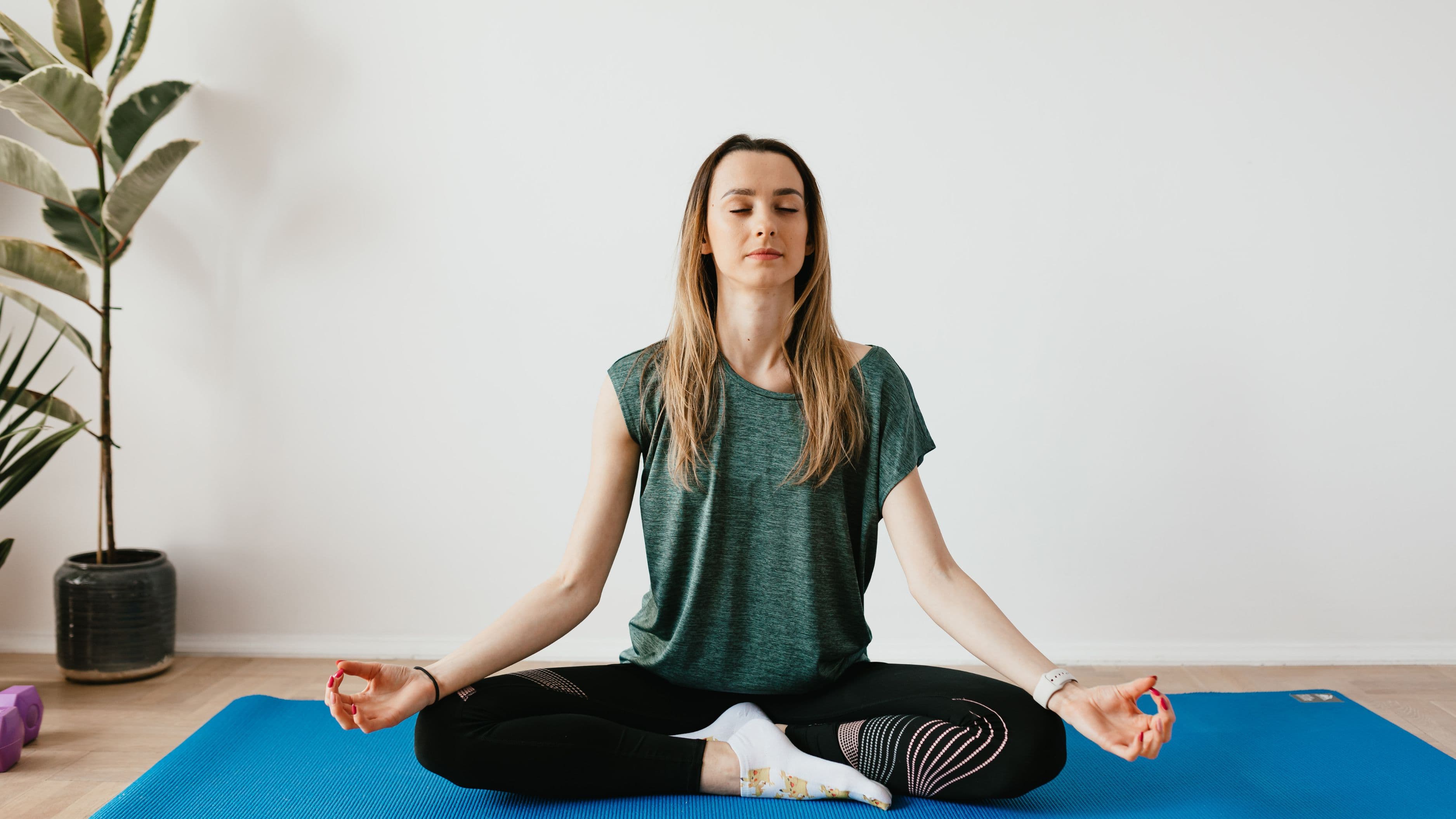
If your sanctuary is designed for movement or stretching, a quality yoga mat – one that's thick enough to cushion your joints and grippy enough to feel stable – makes the practice more sustainable. You don't need to be a yogi. Even ten minutes of gentle stretching on a mat that belongs to this space creates a body-based ritual that supports emotional regulation in ways that sitting still sometimes can't.
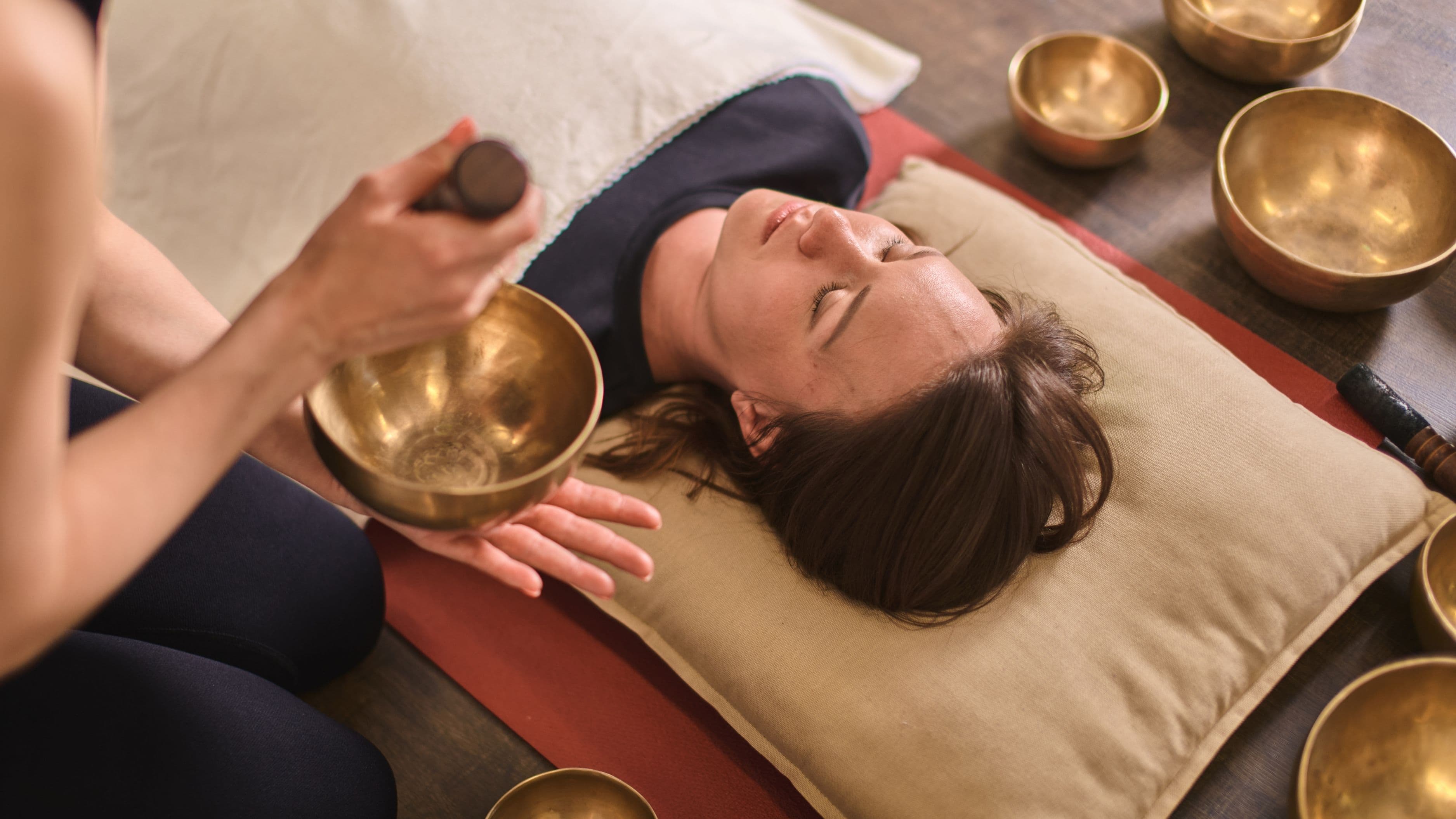
Sound upgrades worth considering at this level include a small meditation or singing bowl, a simple Bluetooth speaker with warm acoustic quality, or a set of noise-canceling earbuds that allow you to fully disconnect from your environment during your sanctuary time.
The Ritual Matters More Than the Room
Here's what most wellness content misses: a beautifully designed space with no consistent practice attached to it becomes just another room. The sanctuary feeling comes from repeated use, not from how it looks. When you return to the same space, at roughly the same time, doing roughly the same thing – breathing, journaling, stretching, sitting quietly – you are conditioning your nervous system to associate that space with restoration.
This is the same principle that sleep scientists use when recommending that people use their bedroom only for sleep and intimacy, not for work or scrolling. The more exclusively a space is used for a single purpose, the more powerfully it signals that purpose to your brain. Over weeks and months, you'll notice that simply sitting in your sanctuary – before you've lit a candle, before you've started any practice – already begins to shift your state. The space itself becomes the cue.
Start small. Even five consistent minutes in a defined space, done regularly, builds more than an hour spent there occasionally. Progress over perfection is the right frame here. The goal isn't a flawless wellness ritual – it's a repeatable, honest one.
Common Pitfalls to Avoid
The most common mistake people make when creating a home sanctuary is overcomplicating it before they've established the habit of using it. Buying too many products, setting up an elaborate system, and then never actually sitting in the space because it feels like a lot to maintain is a pattern that repeats easily. Start with the simplest version that genuinely works, and add to it only once the habit is solid.
Trying to use a high-traffic shared space as a sanctuary without any boundaries tends to fail too. If your "sanctuary corner" is in the living room where your partner watches television or your kids play, the environment will undermine the intention. Either establish clear time boundaries – this space, during this hour, is mine – or find a more physically separate location, even if it's smaller.
Finally, don't let the idea of the "perfect sanctuary" become another item on your to-do list that makes you feel behind. This is supposed to be the antidote to that feeling, not an extension of it. A folded blanket on the floor of a quiet room is already enough. Let it be enough, and let it grow from there.
FAQ
How much space do I actually need for a home sanctuary? Very little. A comfortable chair, a corner of a bedroom, or even a specific cushion on the floor can function as a sanctuary. What defines it is intentional use and sensory consistency, not square footage.
What if I live with other people and can't get alone time easily? This is one of the most common real-world challenges. Communication helps – letting the people you live with know that a specific time or space is important to you, and asking for it to be respected. Early mornings before others wake up, or a short window after others have gone to bed, are often the most reliably quiet windows in shared homes.
Do I need to meditate in my sanctuary to use it "correctly"? Not at all. Meditation is one option, but the space can be used for journaling, gentle stretching, reading, breathing exercises, or simply sitting quietly. Any practice that genuinely restores you belongs here.
How long before a sanctuary space starts to feel effective? Most people notice something within the first few consistent uses – a sense of recognition and slight relaxation when they enter the space. The deeper conditioned response typically builds over two to four weeks of regular use.
What scents are best for a calming sanctuary environment? Lavender, frankincense, cedarwood, and vetiver are consistently associated with calm and grounding. Bergamot is uplifting without being stimulating. Roman chamomile is deeply soothing. Any scent you find personally comforting will work – the association you build matters as much as the oil's inherent properties.
One Last Thing
Your home doesn't need to be transformed for this to work. You don't need more space, a bigger budget, or a different life. You need a corner, a consistent ten minutes, and the willingness to treat your own restoration as something worth protecting.
That's the whole idea. The sanctuary is just the physical reminder that you've made that decision.
📚 Sources
Kaplan, R. & Kaplan, S. (1989). The Experience of Nature: A Psychological Perspective. Cambridge University Press – referenced via APA PsycNET – https://psycnet.apa.org/record/1989-97175-000
National Sleep Foundation – Bedroom Environment and Sleep Quality – https://www.sleepfoundation.org/bedroom-environment
Ulrich, R.S., et al. (1991). Stress Recovery During Exposure to Natural and Urban Environments. Journal of Environmental Psychology – https://www.sciencedirect.com/science/article/abs/pii/S0272494405801847
Beattie, L., et al. (2017). Does Cognitive Load Affect Sleep? A Review. Sleep Medicine Reviews – referenced via PubMed – https://pubmed.ncbi.nlm.nih.gov/28209350/
Mullen, B., et al. (2008). Exploring the Safety and Therapeutic Effects of Deep Pressure Stimulation Using a Weighted Blanket. Occupational Therapy in Mental Health – https://www.tandfonline.com/doi/abs/10.1300/J004v24n01_05
Park, S.H., & Mattson, R.H. (2009). Ornamental Indoor Plants in Hospital Rooms Enhanced Health Outcomes of Patients Recovering from Surgery. Journal of Alternative and Complementary Medicine – https://pubmed.ncbi.nlm.nih.gov/19284330/
Koulivand, P.H., et al. (2013). Lavender and the Nervous System. Evidence-Based Complementary and Alternative Medicine – https://www.ncbi.nlm.nih.gov/pmc/articles/PMC3612440/