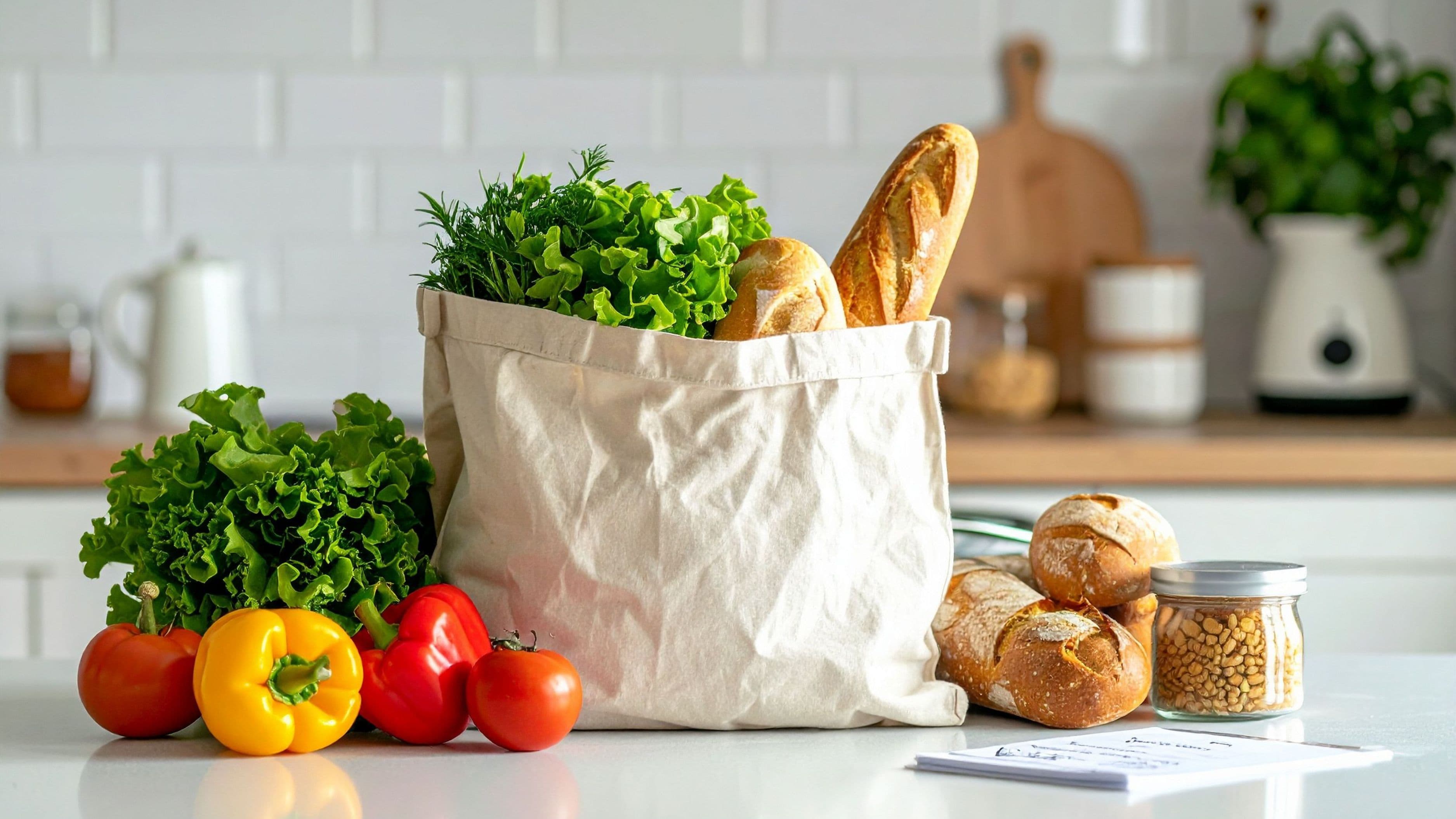
Here's the uncomfortable truth: some of the most nutrient-dense foods on the planet are also among the cheapest. Lentils. Oats. Frozen spinach. Eggs. Canned sardines. Dried beans. These aren't compromise foods — they're the foundation of cuisines that have sustained healthy populations for centuries. The problem isn't the food supply. It's the gap between what we've been marketed to believe a healthy diet looks like (gleaming superfoods, specialty flours, $14 green juices) and what the evidence actually supports.
This article is for anyone feeding themselves or a family on a budget that doesn't stretch easily — and for anyone who has stood in a grocery aisle, price-checked two products, and felt the quiet frustration of having to choose. What follows dismantles the myths that make healthy eating feel financially out of reach, and replaces them with practical, grounded strategies rooted in how food and money actually work.
The Real Cost of Eating Poorly
Before the myths, an honest look at the full ledger. The upfront cost of processed, convenience food often appears lower — and that appearance is partly real and partly illusion. A bag of chips costs less per item than a bag of walnuts. A fast food meal costs less than a restaurant salad. These comparisons are accurate and not worth dismissing.
But the cost-per-nutrient calculation tells a different story. A pound of dried lentils — roughly $1.50 at most grocery stores — provides approximately 16 servings of protein-rich, fiber-dense food. A single fast-food combo meal at $10–12 provides one serving of high-sodium, low-fiber calories with negligible micronutrient density. The lentils are not just cheaper per meal. They are cheaper per unit of actual nutrition delivered to the body. Research published in PLOS Medicine found that a diet aligned with federal dietary guidelines costs on average only $1.50 more per day than a typical American diet — a gap that shrinks further when cooking skills and strategic shopping are in play.
The longer-term costs of poor nutrition — chronic disease, energy depletion, medical expenses — rarely appear on the grocery receipt. That doesn't mean they're not real. Intentional food choices made now are, among other things, a financial investment in future health costs that never have to happen.
Myth 1: Organic Is the Only "Real" Healthy Food
Truth: Conventional produce beats processed food every single time.
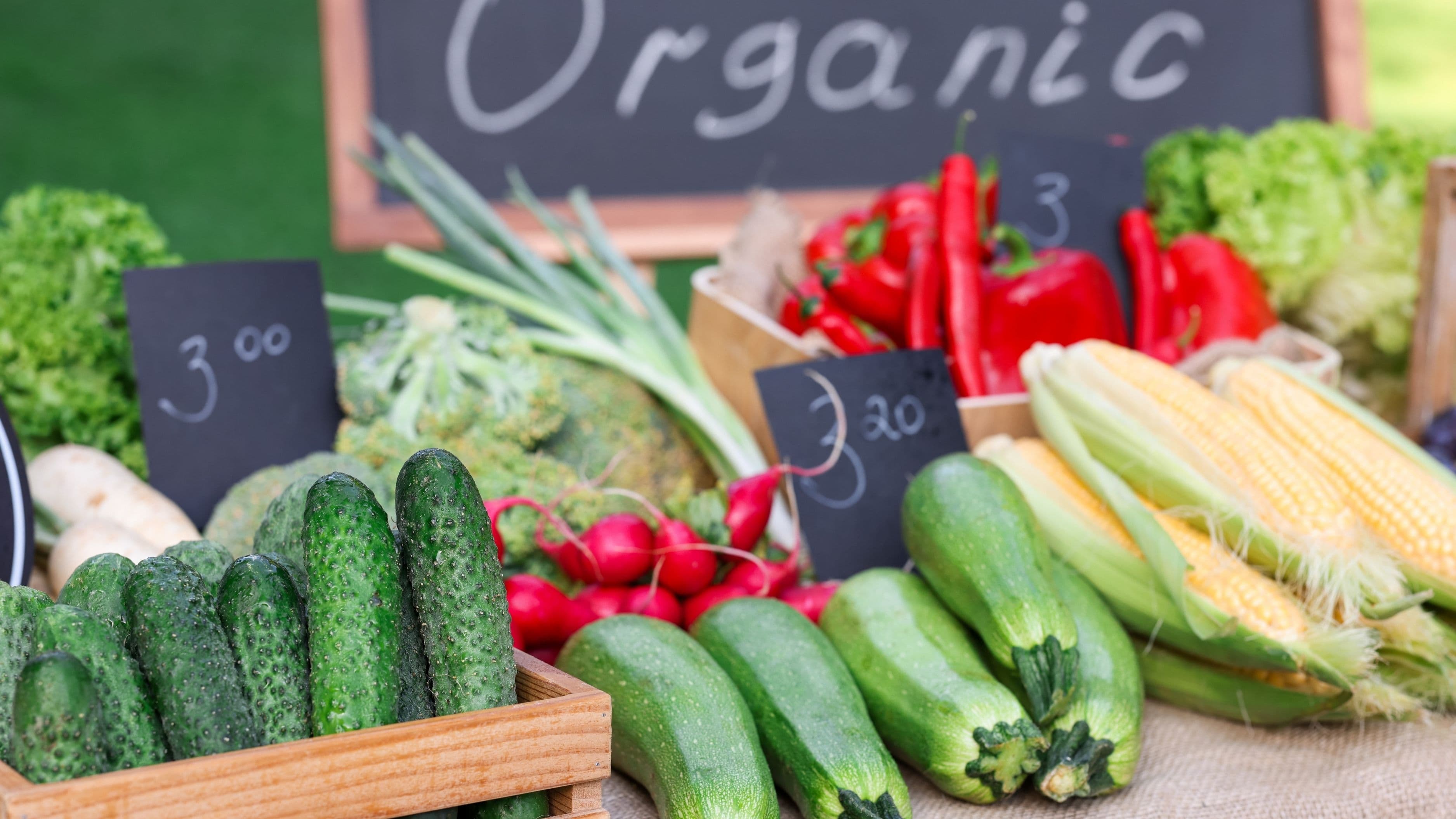
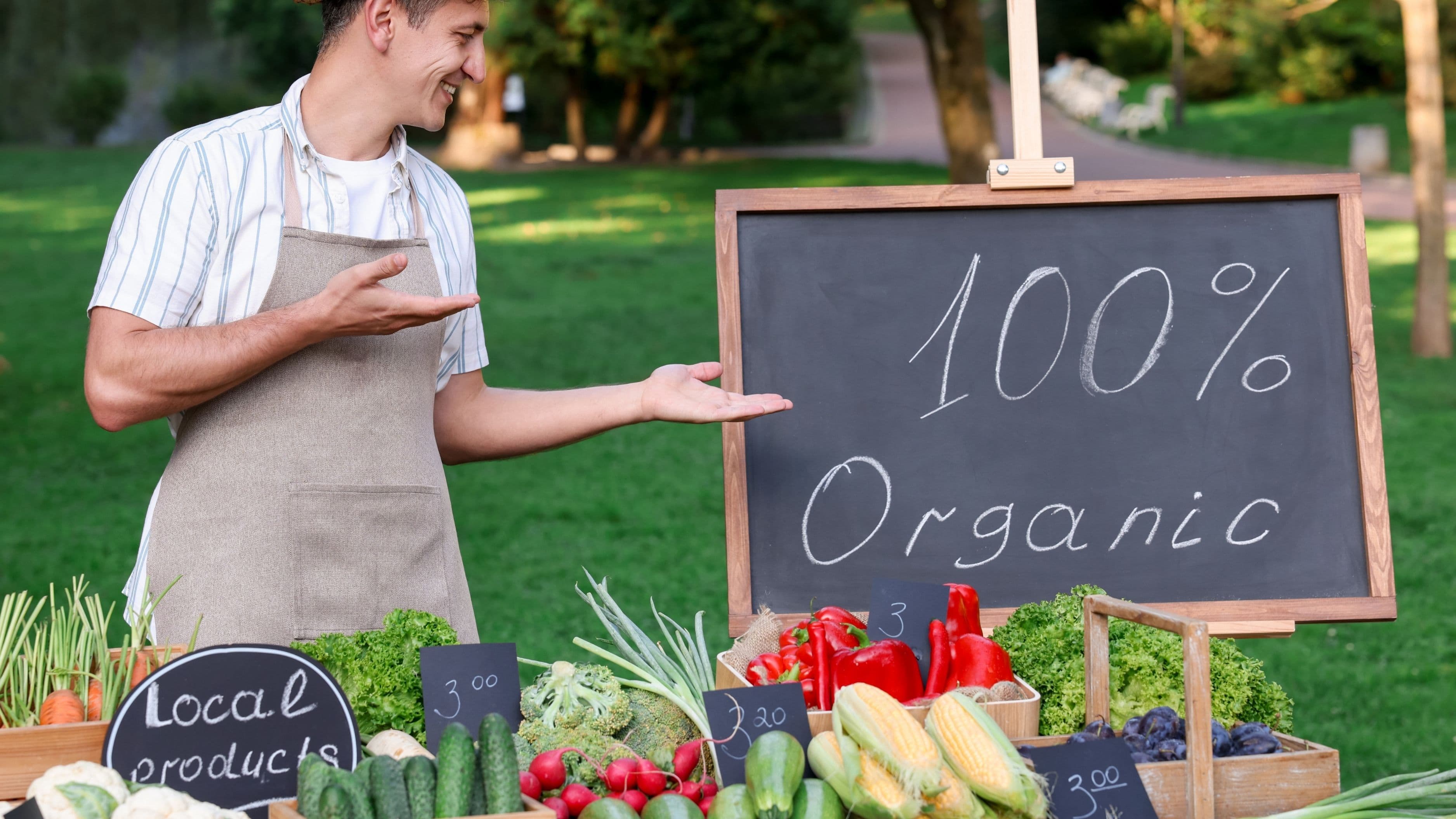
The organic versus conventional debate has been thoroughly absorbed into wellness culture — to the point where some people genuinely believe non-organic vegetables are barely worth eating, and use that belief as a reason to skip produce entirely when the organic option isn't affordable. This is a deeply counterproductive outcome of what was meant to be a nuanced conversation.
The nutritional difference between organic and conventional produce is, by most research measures, modest. A comprehensive review published in the Annals of Internal Medicine (2012) analyzing over 200 studies found no strong evidence that organic foods are significantly more nutritious than conventional alternatives. Pesticide residue is a legitimate concern worth taking seriously — but the Environmental Working Group's annual "Dirty Dozen" and "Clean Fifteen" lists offer a practical, evidence-based shortcut: prioritize organic for the highest-residue items (strawberries, spinach, peppers) and buy conventional for the lowest (avocados, onions, frozen sweet corn). That targeted approach protects both your health priorities and your budget.
A bag of conventional carrots, a bunch of conventional kale, a carton of conventional eggs: these are profoundly nourishing foods at any price point. Don't let the perfect be the enemy of the deeply good.
Try this: Download the EWG's Dirty Dozen list (available free at ewg.org) and use it as your organic shopping guide. Buy organic only where it matters most, and redirect the savings toward volume and variety.
Myth 2: Frozen and Canned Foods Are Nutritionally Inferior
Truth: Frozen vegetables are often more nutritious than "fresh" ones.
This myth has remarkable staying power, and it costs budget-conscious shoppers real nutritional value. Here's the actual timeline: fresh produce begins losing nutrients the moment it's harvested. By the time it travels from farm to distribution center to store shelf to your refrigerator drawer — often five to seven days — some nutrients, particularly water-soluble vitamins like C and B vitamins, have degraded meaningfully. Frozen vegetables, by contrast, are typically blanched and frozen within hours of harvest, locking in their nutritional profile at peak ripeness.
A study published in the Journal of Food Composition and Analysis found that frozen vegetables matched or outperformed their fresh counterparts in vitamin C and folate content in multiple comparisons. Frozen blueberries, spinach, broccoli, edamame, and peas are among the most cost-effective nutrient-dense foods in any grocery store — and they don't wilt, spoil, or require immediate use. The freezer is one of the most powerful tools in the budget-healthy kitchen.
Canned foods require a more nuanced take. Canned tomatoes, beans, fish (sardines, salmon, tuna), and pumpkin are genuinely excellent nutritional options. The concern — sodium and BPA in can linings — is worth managing by choosing low-sodium or no-salt-added versions, rinsing canned beans before use, and selecting brands using BPA-free cans where possible. These are real but manageable considerations, not reasons to avoid canned foods altogether.
Myth 3: You Need a Lot of Meat for Protein
Truth: Plant protein is cheaper, often healthier, and far more versatile.
Meat — particularly beef — is one of the most expensive items in the grocery cart and one of the least efficient uses of a tight food budget. A serving of ground beef at current prices costs roughly three to five times more than an equivalent protein serving from lentils, chickpeas, black beans, or eggs. This isn't an argument for rigid vegetarianism. It's a mathematical observation that the most expensive protein sources are rarely the most nutritious ones, and that a culturally learned over-reliance on meat as the "center" of every meal quietly inflates the grocery bill without proportional nutritional return.
Legumes — beans, lentils, chickpeas — are perhaps the single most undervalued food category in the American diet. They provide protein, soluble fiber, iron, folate, magnesium, and resistant starch (which feeds beneficial gut bacteria) at a cost of pennies per serving. A 2019 analysis in The Lancet — the EAT-Lancet Commission's landmark report on planetary health diets — found that diets centered on legumes, whole grains, vegetables, and nuts were simultaneously the most health-promoting and the most affordable across global food systems.
Eggs remain one of the great nutritional bargains: a complete protein source with vitamins D, B12, choline, and healthy fats, at roughly 20–30 cents per egg. Canned sardines and mackerel — often overlooked — provide omega-3 fatty acids, calcium (from the bones), and protein at a fraction of the cost of fresh fish.
Try this: Commit to two or three "plant-forward" dinners per week — meals where a legume, egg, or grain is the protein centerpiece rather than meat. The savings compound quickly, and the cooking becomes genuinely interesting.
Myth 4: Meal Planning Is Too Time-Consuming
Truth: Twenty minutes of planning saves hours of stress and dollars of waste.
Food waste is one of the most invisible drains on a tight grocery budget — and one of the most correctable. The USDA estimates that American households waste approximately 30–40% of the food they purchase. For a family spending $200 per week on groceries, that's $60–80 of food going into the trash, week after week. Meal planning is the single most effective intervention for reducing that waste — and it requires far less time than its reputation suggests.
A functional meal plan doesn't need to be an elaborate weekly production. It needs to answer two questions before you shop: What will we eat this week, and what do we already have? A 15-minute Sunday inventory and rough weekly outline — even just a list of five dinners, not scheduled by day — dramatically reduces the "I don't know what to make so I'll order takeout" moments that silently destroy food budgets. It also prevents the refrigerator archaeology project at week's end, when three different vegetables bought with vague intentions have quietly expired.
The strategic backbone of budget-healthy meal planning is cooking "ingredient first" rather than "recipe first." Instead of finding a recipe and buying what it requires, identify what's on sale or in season this week and build meals around that. Flexibility with ingredients — swapping kale for whatever leafy green is cheapest, using any white bean where chickpeas are specified — is a skill that grows quickly and pays dividends every shopping trip.
Myth 5: Store Brands Are Lower Quality
Truth: Store brands are often identical to name brands — and cost 20–30% less.
The psychology of brand loyalty in grocery shopping is a triumph of marketing over evidence. Store-brand or generic products are manufactured, in many cases, by the same companies that produce the name-brand versions — simply in different packaging for retail chains. This is particularly true for pantry staples: canned tomatoes, dried pasta, oats, frozen vegetables, olive oil, and spices. The ingredients list is frequently identical. The price is not.
Consumer Reports has tested store-brand versus name-brand foods across dozens of categories over multiple years and consistently found comparable or equivalent quality in the vast majority of products. The categories where brand differences are most perceivable — chocolate, certain condiments, some dairy products — are worth experimenting with personally. But defaulting to name brands across an entire grocery shop is an expensive habit with very little nutritional justification.
The same logic extends to "superfoods" by brand. Chia seeds from a boutique wellness brand cost two to three times more than the same chia seeds from a store-brand or bulk bin. Quinoa, hemp seeds, nutritional yeast — almost every trendy health food has a generic or bulk equivalent at a fraction of the specialty aisle price. The nutrients don't know what brand packaging they came in.
Myth 6: You Need a Fully Stocked Kitchen to Cook Healthy
Truth: Five pantry staples can build dozens of nutritious, affordable meals.
The image of healthy home cooking — the gleaming stand mixer, the full spice rack, the mise en place of a dozen ingredients — is aspirational in a way that actively discourages beginners. Real, nourishing cooking doesn't require a well-resourced kitchen. It requires a small foundation of versatile, affordable ingredients and the willingness to repeat a short repertoire until it becomes instinctive.
A lean but powerful budget pantry looks something like this: dried lentils and canned beans (protein, fiber, endless variety); rolled oats (breakfast, baking, thickening); canned tomatoes (the backbone of soups, stews, and sauces); olive oil or any neutral cooking oil; and eggs. Add frozen spinach, a bag of rice or any whole grain, garlic, and onions, and you have the infrastructure for genuinely satisfying, nutritionally complete meals across an entire week. None of these items cost more than a few dollars. Together, they cost less than a single restaurant meal.
Spices deserve special mention: they transform cheap, simple ingredients into food that tastes intentional and alive. A small collection — cumin, smoked paprika, turmeric, cinnamon, red pepper flakes, dried oregano — costs very little and lasts months. The difference between a pot of plain lentils and a fragrant, deeply satisfying dal is not a more expensive ingredient. It's twenty cents worth of spices and ten extra minutes of attention.
Myth 7: Shopping at Discount Stores Means Sacrificing Nutrition
Truth: Aldi, Lidl, and warehouse stores carry genuinely excellent nutritional staples.
Discount grocery chains like Aldi and Lidl have quietly become some of the best places in America to shop for budget-healthy food. Their private-label model — selling primarily store-brand products with minimal packaging and low overhead — produces prices that major chains simply cannot match on staples. Aldi regularly stocks organic produce, wild-caught canned fish, grass-fed dairy, and whole grains at prices that undercut Whole Foods and Trader Joe's by significant margins. Their inventory rotates, which requires some flexibility, but the savings are real and consistent.
Warehouse clubs like Costco and Sam's Club reward bulk purchasing on items that have long shelf lives and high regular usage: olive oil, canned tomatoes, dried beans, nuts, seeds, frozen vegetables, and eggs. The unit economics are compelling — a large container of oats at Costco costs a fraction of the same volume in individual packages at a conventional grocery store. The upfront cost is higher, but the per-meal cost is among the lowest available. For families cooking regularly, the membership fee pays for itself quickly.
Ethnic grocery stores — Asian, Latin, Middle Eastern, and African markets — are perhaps the most underrated budget-healthy shopping destination of all. These stores typically offer dramatically lower prices on produce, legumes, spices, whole grains, and fish than mainstream supermarkets, often with superior quality and variety. A pound of dried chickpeas, a bunch of fresh cilantro, a bag of jasmine rice: the prices at a well-stocked ethnic market will consistently surprise.
Let Go of the "Healthy = Expensive" Story
The belief that nourishing food is financially out of reach is, for most people, a story more than a fact — one that was never rigorously examined, absorbed somewhere between a wellness influencer's grocery haul video and the shock of a specialty store receipt. Let go of it. Not because the financial pressures of feeding a family aren't real — they absolutely are — but because that story closes off a set of skills, habits, and choices that are genuinely within reach.
The healthiest diets in human history weren't built on supplements, superfoods, or anything found in a specialty aisle. They were built on legumes simmered with spices, vegetables roasted until their edges caramelized, grains cooked in broth, eggs scrambled with whatever was on hand. They were built on the intelligence of using what you have, wasting nothing, and understanding that the most humble ingredient, treated with attention, becomes something worth eating.
Let go of the idea that you need a bigger budget to eat better. Start where you are, with what's available, and bring intention to the cart. That intention — choosing the dried lentils over the expensive protein bar, the frozen spinach over the wilting bag that costs twice as much — is a quiet, consistent act of care for yourself and everyone you feed. It adds up faster than you think. So does your health.