Sibling rivalry isn't just exhausting—it's one of those parenting challenges that can leave you questioning everything. Are you handling it right? Are you making it worse? Will they ever actually like each other? The truth is, while you can't eliminate sibling conflict entirely (spoiler alert: even adult siblings bicker), you absolutely can navigate it with more grace, less stress, and strategies that actually work. Let's explore how to handle the storm of sibling rivalry without losing your precious sanity in the process.
1. Stop Trying to Be the Perfect Referee
Here's something nobody tells you: your job isn't to solve every dispute. When you jump in to mediate every single squabble, you're actually teaching your kids that they're incapable of working things out themselves. Think about it—you're essentially becoming their conflict-resolution crutch, and they'll lean on it every single time. Instead of swooping in like a justice-seeking superhero, try stepping back and giving them space to figure it out.
This doesn't mean abandoning them to their own devices when things get physical or genuinely harmful. It means recognizing the difference between normal bickering and actual problems that need your intervention. When your seven-year-old complains that their brother looked at them funny, that's probably not your cue to launch an investigation. Let them work through the small stuff, and watch what happens. They might surprise you with their problem-solving abilities when you're not orchestrating every interaction.
The freedom this creates for you is remarkable. You'll feel the tension leave your shoulders when you realize you don't have to be on high alert for every disagreement. Your home doesn't need to be a perfectly peaceful sanctuary every moment of the day—it's a laboratory where your kids are learning crucial skills like negotiation, compromise, and standing up for themselves.
2. Ditch the Comparison Trap Immediately
Nothing—and I mean nothing—fuels sibling rivalry faster than comparison. When you say things like "Why can't you be more like your sister?" or "Your brother finished his homework already," you're essentially pouring gasoline on an already smoldering fire. Each child in your family is navigating their own unique journey, with different strengths, challenges, and timelines for growth. Comparing them doesn't motivate; it breeds resentment.
Your words carry immense weight, but so do your subtle actions. Are you constantly praising one child's athletic abilities while overlooking another's artistic talents? Do you celebrate academic achievements but dismiss emotional intelligence? Kids are incredibly perceptive, and they notice these patterns even when you don't realize you're creating them. They internalize the message that love and approval are conditional, based on how they measure up to their siblings.
Instead, celebrate each child's individual victories without dragging their siblings into the conversation. When your daughter aces her math test, that moment belongs to her alone—you don't need to mention that her brother struggled with the same material last year. Create space for each child to shine in their own right, and watch how the competitive edge between them softens. They'll feel less like rivals competing for your affection and more like individuals who are each valued for who they are.
3. Create One-on-One Time That Actually Matters
According to research published in the Journal of Family Psychology, children who receive regular individual attention from parents show significantly lower levels of sibling conflict and jealousy. This isn't about grand gestures or expensive outings—it's about intentional, undivided attention. Even 15 minutes of focused, uninterrupted time can fill a child's emotional tank in ways that hours of distracted coexistence simply cannot.
The magic happens when you're fully present. Put your phone in another room. Don't check your watch. Don't mentally catalog your to-do list while your kid tells you about their day. This is sacred time where they're not competing for your attention, where they don't have to be louder or more impressive than their sibling to be seen. Let them choose the activity—whether it's playing a board game, going for a walk, or just talking while you fold laundry together.
Consistency matters more than duration. If you promise Tuesday evenings with one child and Thursday mornings with another, honor those commitments like you would any important appointment. Your children will internalize the message that they matter as individuals, not just as part of the sibling unit. This security reduces the desperate scrambling for attention that often manifests as rivalry, tattling, or acting out.
4. Teach Emotional Literacy, Not Emotional Suppression
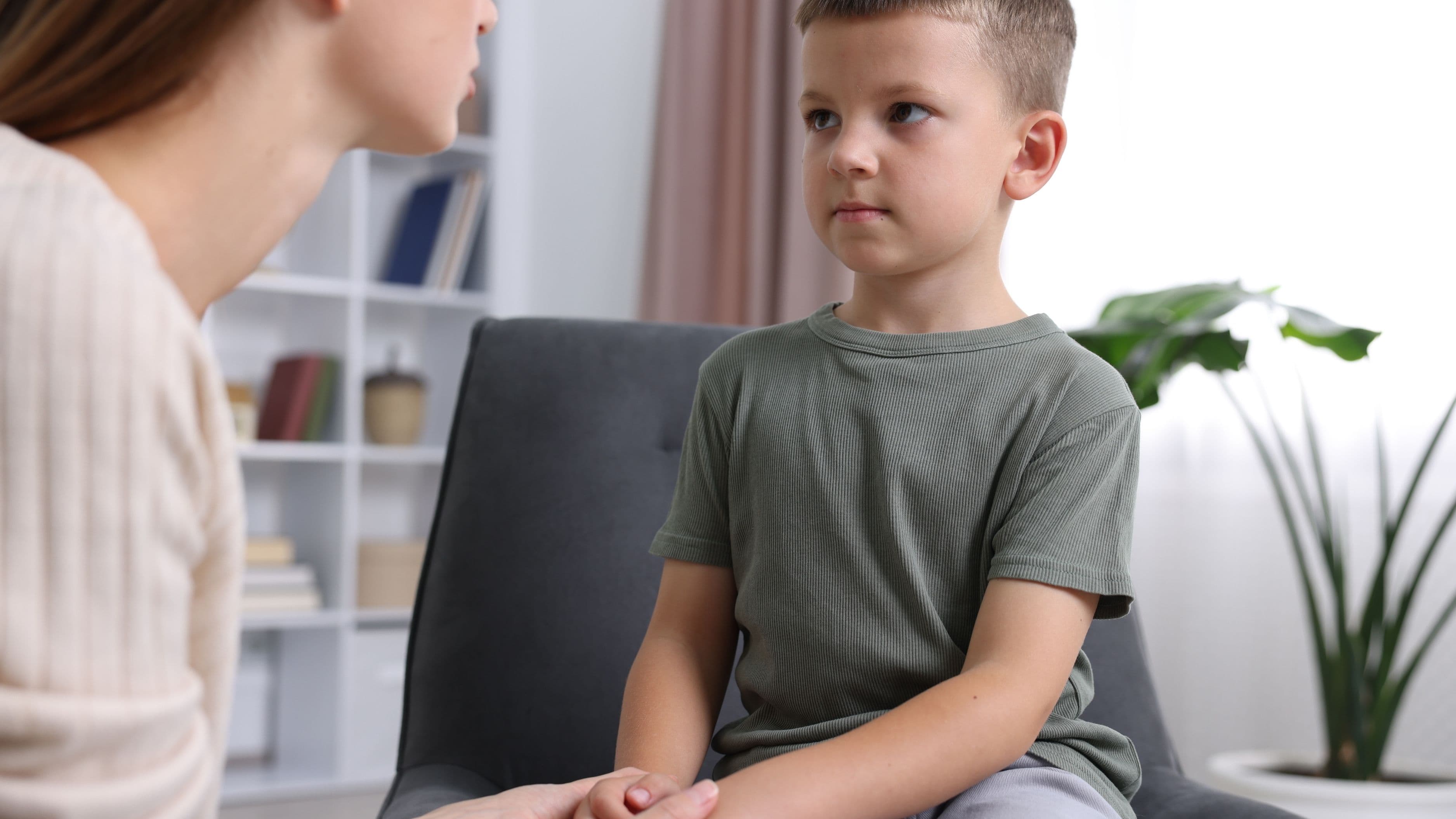
When your kids are fighting, your first instinct might be to shut it down with a firm "Stop fighting!" But here's what that actually teaches them: their feelings are inconvenient and should be stuffed down. Instead, what if you helped them name what they're experiencing? "You're feeling angry because your sister took your toy without asking" or "You're frustrated because you wanted to play alone right now."
Emotional literacy is like giving your children a roadmap for their internal world. When they can identify and articulate their feelings, they're less likely to express them through hitting, screaming, or other behaviors that escalate conflict. They learn that anger isn't bad—it's information. Jealousy isn't shameful—it's a signal that they need something. This understanding transforms how they approach disagreements with their siblings.
Practice this during calm moments too, not just in the heat of conflict. Read books together that explore different emotions. Talk about your own feelings openly and honestly. Model the language you want them to use. When your children develop this emotional vocabulary, they can say "I feel left out when you two play together without me" instead of breaking their siblings' toys out of unexpressed hurt. The rivalry doesn't disappear, but it becomes more manageable because everyone has the tools to navigate it.
5. Establish Fair Doesn't Always Mean Equal
This is a tough pill to swallow, but here's the truth: trying to make everything perfectly equal between your children is an exhausting, impossible task that actually increases rivalry rather than reducing it. Fair treatment means meeting each child's individual needs, which are often different. Your eight-year-old might need a later bedtime than your five-year-old. Your teenager might require more independence than your preteen. And that's okay.
The problems arise when you don't explain the reasoning behind different treatment. Kids can understand fairness when it's framed properly. "Your brother gets to stay up later because his body needs less sleep now that he's older, and when you're his age, you'll have the same privilege" makes sense to a child. What doesn't make sense is appearing to play favorites without explanation, leaving them to fill in the blanks with their own insecure narratives.
Be transparent about your decision-making process. When you buy one child new shoes because they've outgrown theirs, you don't need to rush out and purchase something for the other child to "make it even." Instead, explain that everyone gets what they need when they need it. This approach teaches patience, understanding, and the reality that resources in life—time, attention, money—are distributed based on need, not an artificial sense of equality.
6. Don't Rescue Them from Natural Consequences
When your children fight over a toy and it breaks in the scuffle, your instinct might be to replace it immediately. Don't. When they can't agree on what show to watch and the designated TV time runs out with no decision made, let the moment pass without extending their time. Natural consequences are powerful teachers that you don't have to orchestrate—you just have to get out of the way and let them do their work.
This approach requires you to tolerate discomfort, both theirs and your own. You'll hear complaints, tears, and protests. You might feel guilty watching them experience disappointment or loss. But here's what they're learning: their choices have real consequences. Their inability to cooperate affects their own outcomes. These lessons sink in far deeper than any lecture you could deliver.
The beauty of natural consequences is that you become the empathetic supporter rather than the punisher. You can acknowledge their disappointment—"I know you're sad the toy broke, that is disappointing"—without swooping in to fix it. This dynamic shifts you out of the adversarial role and positions you as someone who understands but also respects them enough to let them experience the results of their actions. Over time, they'll make different choices because they've learned firsthand what works and what doesn't.
7. Decode the Hidden Needs Behind the Behavior
Sibling rivalry is often a symptom, not the actual problem. When your kids are suddenly fighting more than usual, ask yourself what else is happening in their world. Did you just start a new job with longer hours? Is there a big transition happening, like moving houses or starting a new school? Are they getting enough sleep, proper nutrition, and physical activity? Sometimes rivalry spikes because kids are stressed, anxious, or feeling insecure, and fighting with siblings is a safe outlet for those uncomfortable feelings.
According to the American Psychological Association, children often act out behavioral issues when their basic emotional or physical needs aren't being met. Your ten-year-old picking fights with their younger sibling might actually be processing anxiety about upcoming middle school. Your typically peaceful toddler suddenly becoming aggressive with their baby sibling might be signaling that they need more reassurance about their place in the family.
Approach escalating rivalry with curiosity rather than frustration. Instead of just addressing the surface behavior, dig deeper. Create opportunities for honest conversation about what they're really feeling. Sometimes the gift of being truly seen and understood can dissolve the aggressive energy they've been directing at their siblings. The fighting might not stop entirely, but its intensity often decreases when the underlying needs are acknowledged and addressed.
8. Model the Conflict Resolution You Want to See
Your children are watching you all the time, absorbing how you handle disagreements with your partner, your friends, your family members. If you're yelling, giving the silent treatment, or refusing to apologize when you're wrong, guess what they're learning? Those same patterns will show up in how they interact with their siblings, no matter how many lectures you give them about "using kind words."
Make your own conflict resolution visible to your kids when appropriate. Let them see you and your partner working through a disagreement respectfully. Apologize to them when you lose your patience or make a mistake. Demonstrate what it looks like to take responsibility, make amends, and move forward. These living examples are worth more than a thousand talks about proper behavior.
This also means managing your own stress in healthy ways. When you're overwhelmed and reactive, you can't possibly guide your children through their conflicts with patience and wisdom. Take care of yourself—practice the mindfulness and self-care that allows you to show up as the calm, centered presence your kids need. They don't need you to be perfect, but they do need you to be regulated enough to help them regulate themselves. Your inner peace becomes the foundation for their ability to navigate conflict constructively.
9. Celebrate Their Unique Relationship
Amid all the fighting and frustration, it's easy to forget that siblings often have incredibly special bonds. Make it a point to notice and celebrate the moments when they're cooperating, laughing together, or showing each other kindness. These observations don't have to be elaborate—a simple "I loved seeing you two working together on that puzzle" reinforces the positive aspects of their relationship.
Create opportunities for collaboration rather than competition. Family projects where they need to work as a team, games that require cooperation, shared responsibilities that they tackle together—these experiences build their connection and show them that they're stronger together than apart. When they succeed as a unit, they internalize a different narrative about their relationship.
Research from the Journal of Marriage and Family shows that sibling relationships often become increasingly important in adulthood, providing support, companionship, and continuity throughout life. The rivalry you're navigating now is shaping a relationship that will likely outlast many others in their lives. By helping them build skills for healthy conflict and genuine connection, you're giving them a gift that extends far beyond childhood. Remember this during the tough moments—you're not just stopping a fight, you're teaching them how to love each other well.
10. Accept That Some Conflict Is Actually Healthy
Here's a perspective shift that might ease your mind: sibling conflict, in moderate amounts, is actually beneficial for development. It's where kids practice essential life skills like negotiation, boundary-setting, compromise, and standing up for themselves. The challenge is learning to distinguish between normal, healthy conflict and patterns that are genuinely problematic or harmful.
Healthy conflict has natural ebbs and flows. The kids argue, they resolve it (or don't), they move on, and they're playing together again an hour later. Unhealthy conflict is relentless, escalates to physical or emotional harm, involves one child consistently dominating or victimizing the other, or leaves lasting emotional wounds. If you're seeing patterns that concern you—bullying, extreme aggression, or one child living in fear of another—that's when professional support might be needed.
For the everyday squabbles, though, try to reframe your perspective. Instead of seeing each argument as evidence that you're failing as a parent, view it as your children's training ground for the real world. They're learning that relationships involve friction, that people they love can frustrate them, and that working through differences is possible. These are lessons that will serve them in friendships, romantic relationships, and workplace dynamics for the rest of their lives. Your role isn't to eliminate all conflict—it's to teach them how to navigate it with respect, empathy, and resilience.
The Bigger Picture
Handling sibling rivalry without losing your mind isn't about finding the perfect strategy that makes your children stop fighting forever. It's about shifting your relationship with the conflict itself—seeing it as an opportunity rather than a crisis, approaching it with patience rather than panic, and trusting that you're building something meaningful even in the messy moments.
Your children are learning how to be in relationship with others through their sibling dynamics. They're discovering their own boundaries, testing their power, figuring out how to advocate for themselves, and slowly developing empathy for others' perspectives. Yes, it's loud and exhausting and sometimes makes you want to hide in the bathroom with noise-canceling headphones. But it's also sacred work—the work of becoming human alongside other humans.
So the next time your kids are locked in battle over something that seems absurdly trivial to your adult brain, take a breath. Remember that you don't have to fix everything, solve everything, or make everything perfectly peaceful. You just have to show up with compassion—for them and for yourself—and trust that each small step you take toward healthier patterns is shaping not just their childhood, but the entire trajectory of their relationship with each other.
What if the goal isn't a conflict-free home, but a home where conflict becomes a teacher rather than a destroyer?
📚 Sources
1. Kramer, L., & Conger, K. J. (2009). What we learn from our sisters and brothers: For better or for worse. New Directions for Child and Adolescent Development, 2009(126), 1-12.
2. American Psychological Association. (2020). Children's mental health: Anxiety and depression on the rise. APA Monitor on Psychology, 51(8).
3. McHale, S. M., Updegraff, K. A., & Whiteman, S. D. (2012). Sibling relationships and influences in childhood and adolescence. Journal of Marriage and Family, 74(5), 913-930.
4. Feinberg, M. E., Sakuma, K. L., Hostetler, M., & McHale, S. M. (2013). Enhancing sibling relationships to prevent adolescent problem behaviors: Theory, design and feasibility of Siblings Are Special. Evaluation and Program Planning, 36(1), 97-106.
🔍 Explore Related Topics
• Managing multiple children without favoritism
• Teaching conflict resolution skills to young children
• Reducing competition between siblings naturally
• Creating individual attention time with each child
• Handling age gaps between siblings peacefully
• Setting boundaries when sibling fights escalate
• Building cooperation instead of rivalry at home
• Recognizing when sibling conflict needs professional help