Nearly 95% of the body's serotonin—a neurotransmitter most people associate with happiness and mental stability—is produced in the gut, not the brain. Let that sink in. The chemical that helps you feel emotionally balanced, focused, and resilient is largely manufactured inside your digestive tract. When your gut is struggling, inflamed, or out of balance, the ripple effects reach far beyond bloating or discomfort. They reach your thoughts, your moods, and your ability to show up fully in your own life.
1. Your Gut Is Basically a Second Brain
The gut contains what scientists call the enteric nervous system (ENS)—a sprawling network of more than 500 million neurons lining the walls of your gastrointestinal tract. This system is so vast and so independently intelligent that researchers have nicknamed it "the second brain." It communicates with your central nervous system through the vagus nerve, a long, wandering nerve that acts like a two-way radio between your gut and your brain. Most of the signals—roughly 80 to 90 percent of them—travel upward, from gut to brain, not the other way around.
This means your gut is less of a passive receiver and more of an active broadcaster. It's continuously sending information upstairs: about inflammation, nutrient levels, microbial balance, and stress responses. When you feel an inexplicable wave of anxiety or notice your thoughts turning foggy after a heavy or processed meal, you're often experiencing that broadcast in real time. Tuning in to what your gut is trying to say is one of the most underrated forms of body literacy.
2. The Microbiome Is Your Mental Weather System
Inside your gut lives a vast, teeming community of bacteria, fungi, and microorganisms collectively known as the microbiome. There are roughly 38 trillion microbial cells in the human body—slightly outnumbering the human cells themselves. These tiny residents aren't just helping you digest food; they're producing neurotransmitters, regulating inflammation, and influencing how your brain processes stress. The health of this ecosystem has a direct and measurable effect on your cognitive function and emotional well-being.
A balanced microbiome tends to produce more gamma-aminobutyric acid (GABA), a neurotransmitter that quiets overactive neural circuits and promotes a sense of ease. When the microbiome is disrupted—by antibiotics, a diet heavy in processed foods, chronic stress, or poor sleep—this production can drop, and the mental fallout is real. Research published in Nature Microbiology has found correlations between specific bacterial imbalances and conditions like depression and anxiety. The good news? The microbiome is remarkably responsive. Small, consistent changes in what you eat and how you live can shift its composition—and your mental state—relatively quickly.
3. Inflammation Is the Silent Thought Thief
You've probably heard inflammation described as the root of most modern disease. But when it comes to mental clarity, gut-driven inflammation is particularly insidious because it's invisible and slow-moving. When the gut lining becomes damaged or overly permeable—a condition sometimes called "leaky gut"—bacteria, toxins, and undigested food particles can enter the bloodstream. The immune system responds with systemic inflammation, and that inflammation doesn't stay contained to the body. It crosses into the brain.
Neuroinflammation—inflammation inside the brain itself—has been linked to brain fog, poor concentration, memory issues, and depressive symptoms. Dr. Emeran Mayer, a gastroenterologist and neuroscientist at UCLA and author of The Mind-Gut Connection, describes this process as one of the most underappreciated mechanisms in modern mental health. The brain becomes sluggish, reactive, and foggy not because it's broken, but because it's on fire. Cooling that fire often starts with the gut.
4. Stress Rewires the Gut—and Vice Versa
The relationship between stress and the gut isn't one-directional. Chronic stress alters gut motility, weakens the gut lining, and changes the composition of your microbiome within days. But here's the twist: a disrupted gut then sends distress signals back to the brain, amplifying your stress response. It becomes a loop—a feedback cycle that can feel like anxiety without a clear cause, persistent tension, or an inability to think calmly and clearly even when life circumstances haven't changed.
The vagus nerve is the bridge in this loop, and its tone (how well it functions) determines a lot about your resilience. People with higher vagal tone tend to recover from stress faster and experience less emotional turbulence. Practices like slow diaphragmatic breathing, cold water exposure, humming, chanting, and even gentle movement are now recognized as ways to stimulate the vagus nerve, improve gut-brain communication, and break the stress-gut cycle. These aren't abstract wellness rituals. They're literal interventions in a physiological feedback loop.
5. What You Eat Changes How You Think
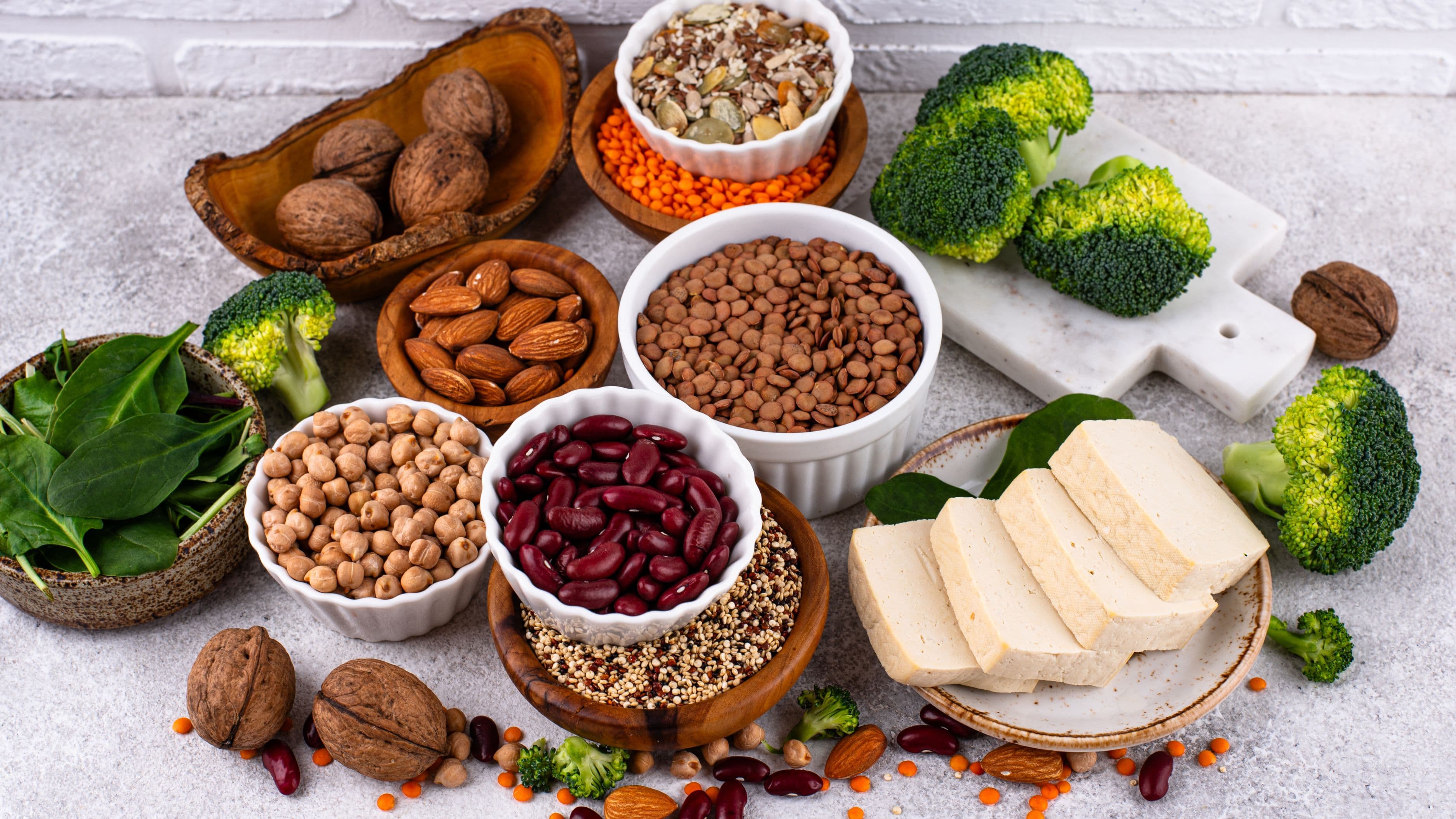
Food is information. Every meal you eat sends a chemical message to your gut, which relays that message to your brain. A diet rich in fermented foods, fiber, healthy fats, and polyphenols feeds the beneficial bacteria that support clear thinking and emotional equilibrium. A diet heavy in sugar, ultra-processed foods, and artificial additives can destabilize the microbiome, spike inflammation, and leave you feeling mentally scattered and emotionally raw.
The Mediterranean diet has been studied more extensively than perhaps any other dietary pattern for its effects on brain health. A landmark 2017 randomized controlled trial—the SMILES trial, published in BMC Medicine—found that dietary intervention alone led to significant reductions in depressive symptoms in adults. The improvements weren't subtle. Participants who shifted to a whole-food, plant-forward diet experienced meaningful mental health gains in just 12 weeks. The food-mood connection isn't just anecdotal—it's increasingly evidence-based.
6. Fermented Foods Are Mood Food
Fermented foods have been part of human diets for thousands of years, and cultures that have maintained those traditions—think kimchi in Korea, kefir in Eastern Europe, miso in Japan—tend to show interesting patterns of gut diversity. Fermentation produces live beneficial bacteria (probiotics) as well as bioactive compounds that directly support gut integrity and brain function. Adding fermented foods to your daily routine is one of the most accessible, practical shifts you can make.
A 2021 study from Stanford University, published in Cell, found that a high-fermented food diet increased microbiome diversity and reduced inflammatory markers more effectively than a high-fiber diet alone over a 10-week period. The study's participants reported feeling better—more energized, more emotionally stable. Even simple additions like a daily spoonful of unpasteurized sauerkraut, a serving of plain yogurt with live cultures, or a glass of kombucha can start nudging your microbiome in a more brain-supportive direction.
7. The Gut-Sleep-Brain Triangle
Sleep and gut health are quietly, powerfully intertwined. The gut microbiome follows its own circadian rhythm—microbial populations shift throughout the day in response to light, eating patterns, and activity. Disrupting that rhythm (through irregular sleep, late-night eating, or chronic sleep deprivation) disturbs the microbiome and, in turn, compromises the production of melatonin and serotonin—both of which are partly manufactured in the gut.
Poor sleep degrades cognitive performance, emotional regulation, and focus. But if the gut is also struggling, those effects are compounded and harder to reverse with sleep alone. Supporting gut health—through consistent meal timing, a fiber-rich dinner, and winding down with practices that activate the parasympathetic nervous system—can improve not just the quality of your sleep but the mental clarity you carry into the morning. Think of it as resetting your brain overnight from the inside out.
8. Mindfulness Practices Heal the Gut, Too
The mind-body connection runs deeper than most people realize in day-to-day life. Mindfulness-based practices—meditation, yoga, breathwork, body scanning—don't just calm the mind in the moment. They actively reduce cortisol levels, lower gut inflammation, and improve the functioning of the vagus nerve. Over time, a consistent mindfulness practice literally changes the physiological environment of your gut. The calm you cultivate on the cushion echoes through your entire digestive system.
A review published in Frontiers in Psychiatry found that mindfulness-based stress reduction (MBSR) positively influenced gut microbiota composition and reduced gastrointestinal symptoms in adults with anxiety and IBS. The researchers suggested that the benefits worked through the gut-brain axis—reducing neurological stress signals that were keeping the gut in a chronic state of agitation. This is why so many people who commit to a daily meditation practice report not just less stress, but better digestion, fewer food sensitivities, and a profound sense of mental groundedness.
9. Hydration and the Mucosal Gut Lining
The gut lining is protected by a layer of mucus—a living barrier that keeps harmful substances contained and supports the microbiome that lives within it. That mucosal layer is heavily dependent on hydration. When you're chronically dehydrated, the lining thins, the microbiome loses its ideal habitat, and gut permeability increases. The downstream effects—inflammation, disrupted neurotransmitter production, sluggish cognition—can feel like a vague, hard-to-name mental dullness.
Most wellness conversations around hydration focus on skin, energy, or athletic performance. But drinking enough water throughout the day is also an act of mental clarity. Herbal teas like slippery elm, marshmallow root, and licorice root have long been used in traditional medicine to support and soothe the gut lining—and modern research is beginning to catch up with these traditional uses. A warm mug of gut-supportive tea in the morning isn't just a ritual; it's nourishment for the ecosystem that feeds your mind.
10. The Gut as a Gateway to Intentional Living
Here's the thing that rarely makes it into the clinical research: the way you relate to your gut matters. People who eat quickly, in states of stress or distraction, activate the sympathetic nervous system—the fight-or-flight response—which literally shuts down optimal digestion. The body can't fully absorb nutrients or maintain a balanced microbiome when it believes it's under threat. Eating slowly, with awareness and gratitude, is not a spiritual luxury. It's a biological necessity.
Intentional living—slowing down, choosing quality over convenience, listening to your body rather than overriding its signals—has a tangible, physical effect on your gut and, through it, on your mind. Every time you pause before eating, choose whole food over processed convenience, or take five slow breaths before a meal, you're investing in the chemical environment from which your thoughts and emotions emerge. The clarity you're looking for isn't just a matter of mindset. It begins in the body, in the belly, in the living intelligence of a gut that is trying, constantly, to take care of you.
Closing Thoughts
There's something quietly revolutionary about understanding that your mental clarity isn't purely a product of willpower or positive thinking—it's also a reflection of what's happening in a world of trillions of microorganisms living inside you. That realization doesn't diminish personal agency. It expands it. Because the gut is responsive, resilient, and deeply influenced by the choices you make every day. The question isn't whether your gut affects your mind. It does. The more meaningful question is: what small, loving shift are you willing to make today that your gut—and your mind—will thank you for tomorrow?
📚 Sources
1. Mayer, E. A. (2016). The Mind-Gut Connection: How the Hidden Conversation Within Our Bodies Impacts Our Mood, Our Choices, and Our Overall Health. Harper Wave.
2. Jacka, F. N., et al. (2017). A randomised controlled trial of dietary improvement for adults with major depression (the 'SMILES' trial). BMC Medicine, 15(1), 23. https://doi.org/10.1186/s12916-017-0791-y
3. Sonnenburg, J. L., & Sonnenburg, E. (2021). Diet-induced alterations in gut microflora contribute to lethal pulmonary damage in TLR2/TLR4-deficient mice. Cell, 184(16), 4137–4153.
4. Cryan, J. F., et al. (2019). The Microbiota-Gut-Brain Axis. Physiological Reviews, 99(4), 1877–2013. https://doi.org/10.1152/physrev.00018.2018
5. Valles-Colomer, M., et al. (2019). The neuroactive potential of the human gut microbiota in quality of life and depression. Nature Microbiology, 4, 623–632. https://doi.org/10.1038/s41564-018-0337-x
6. Gaylord, S. A., et al. (2011). Mindfulness training reduces the severity of irritable bowel syndrome in women: Results of a randomized controlled trial. The American Journal of Gastroenterology, 106(9), 1678–1688.
7. Wastyk, H. C., et al. (2021). Gut-microbiota-targeted diets modulate human immune status. Cell, 184(16), 4137–4153. https://doi.org/10.1016/j.cell.2021.06.019