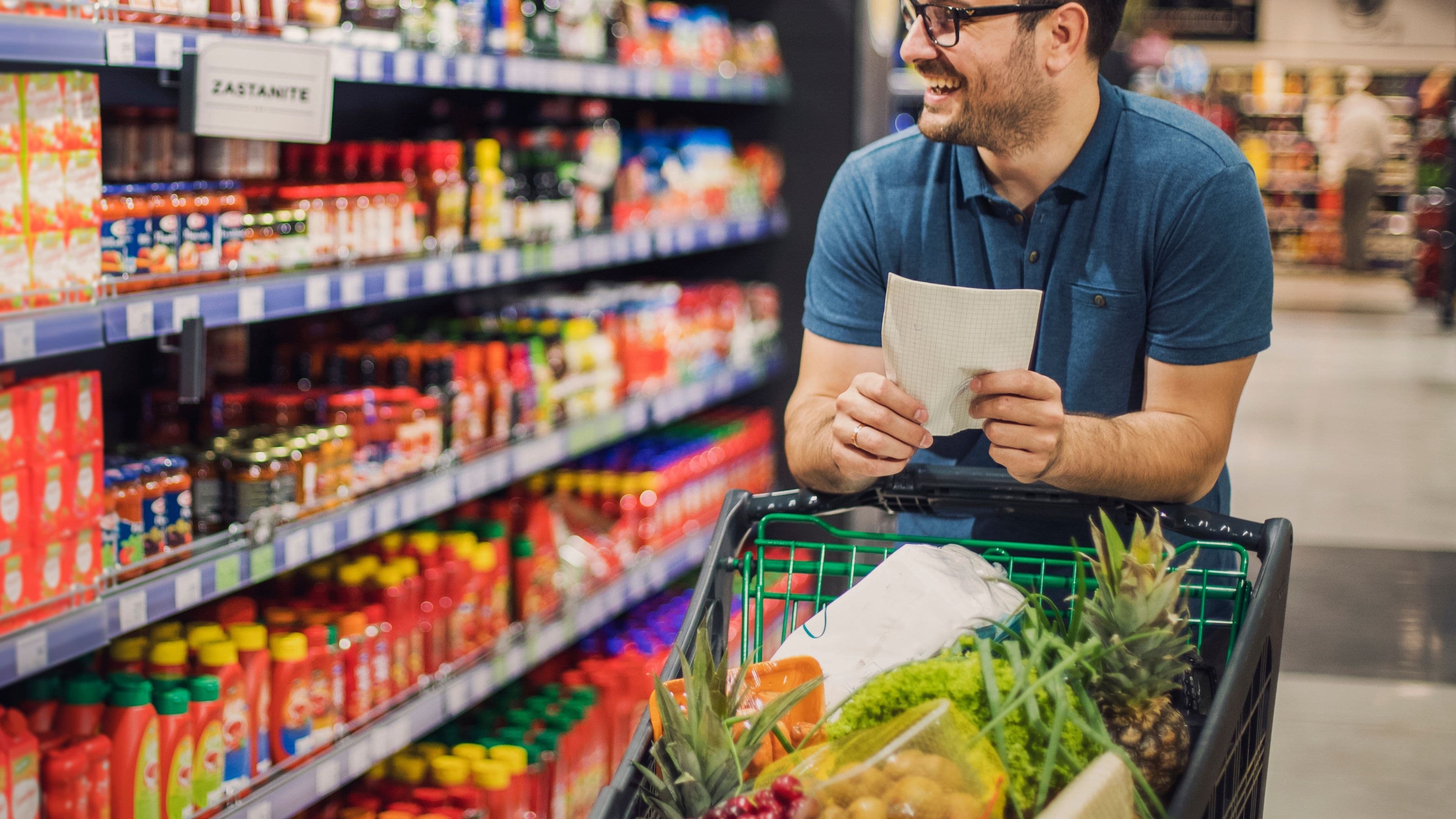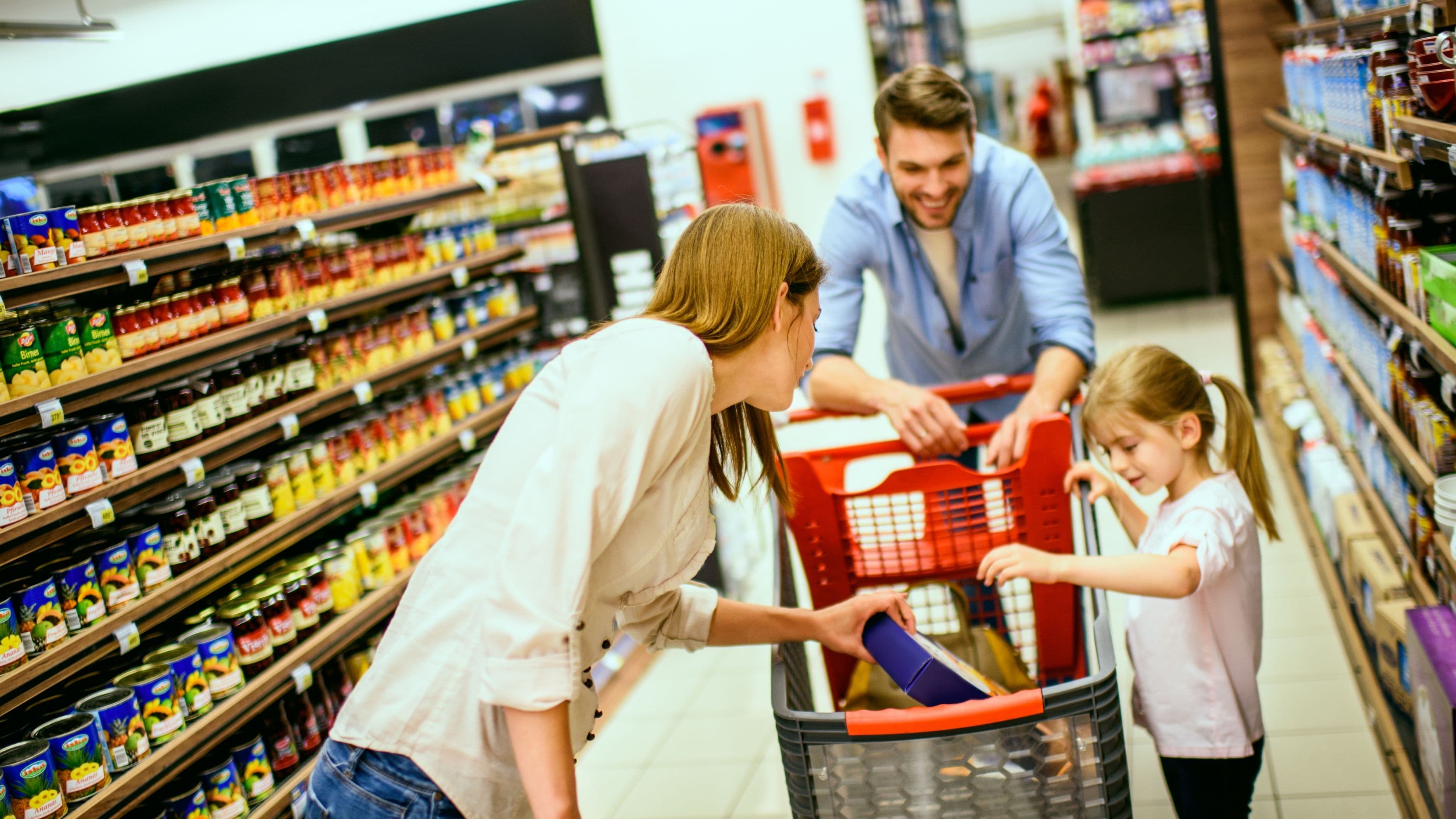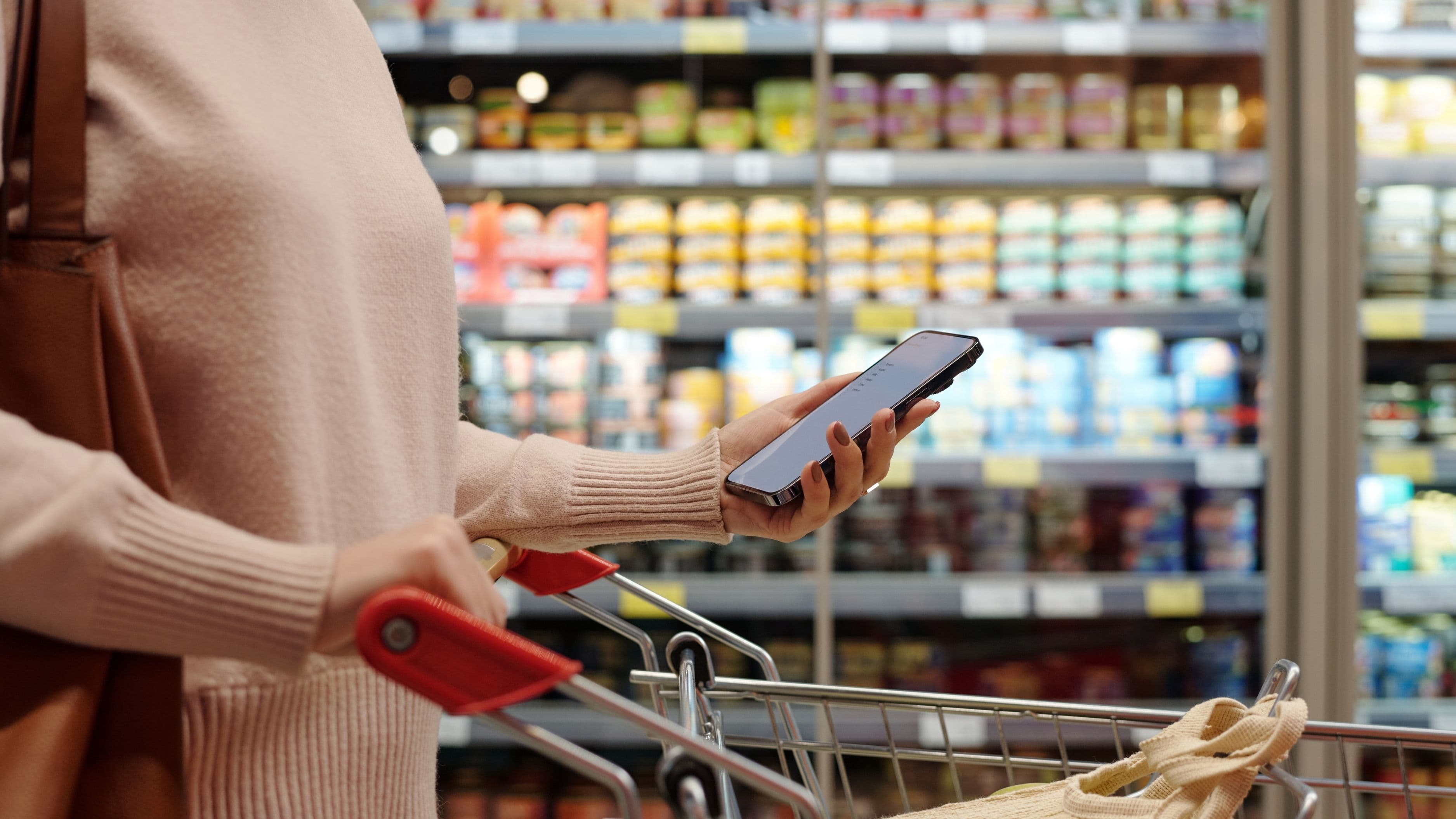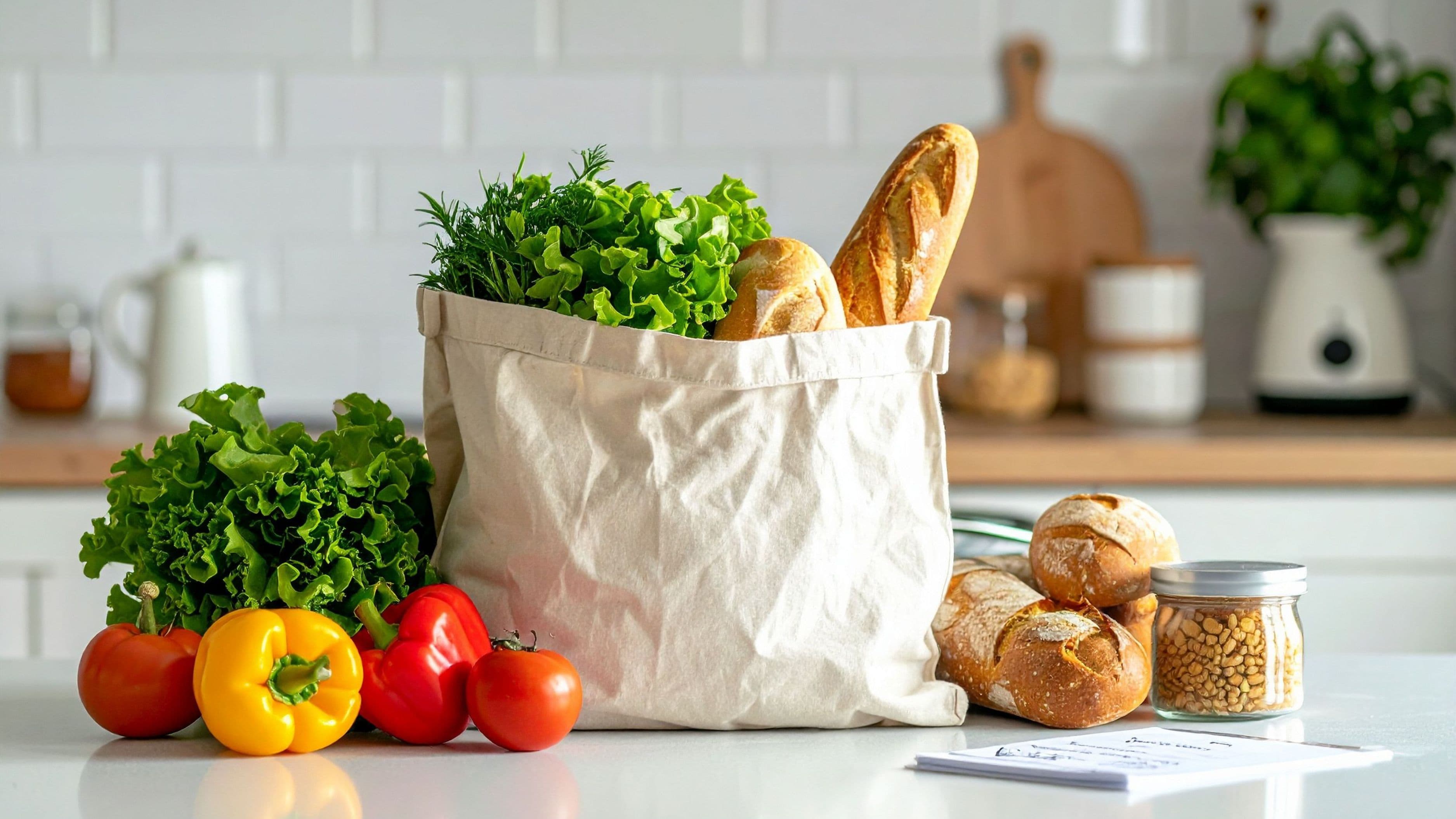
According to the Bureau of Labor Statistics, the average American household spends over $5,700 a year on groceries. That's money that could fund a wellness retreat, a meditation course, or simply a little more breathing room in your life.
Ibotta: Cash Back That Actually Adds Up
Ibotta is a rebate app that pays you real cash for buying everyday grocery items. You select offers before shopping, scan your receipt after, and watch the dollars accumulate — some users report saving $20–$40 a month without changing their shopping habits at all. It links directly to major retailers like Walmart, Kroger, and Target, so there's no friction.
Flashfood: Rescue Food, Save Big
Flashfood partners with grocery stores to sell near-expiration produce, meat, and packaged goods at up to 50% off. You browse deals in the app, pay digitally, and pick up your items at a dedicated in-store section. It's savings with a conscience — you're reducing food waste while feeding your family for less.
Fetch Rewards: Points for Every Receipt
Fetch Rewards turns every single grocery receipt into points redeemable for gift cards to Amazon, Target, and hundreds of other retailers. There's no need to pre-select offers — just snap and submit any receipt, from any store. It's one of the lowest-effort savings apps available, and the rewards stack surprisingly fast over a few months.
Grocery TV / Flipp: Your Weekly Ads, Smarter
Flipp aggregates weekly store flyers from all the grocers in your area into one clean, searchable app. Instead of flipping through paper circulars or bouncing between websites, you type in "chicken thighs" and instantly see who has them on sale. It takes about two minutes before your shopping trip and can redirect your cart toward meaningful savings.
Instacart: Price Compare Without Leaving Your Couch
Instacart isn't just a delivery service — it's a quiet price comparison tool. You can browse store inventories side by side, spot deals, and build a cart strategically before you ever leave home. Many users find that planning with Instacart actually reduces impulse buys, which is where grocery budgets quietly bleed out.
Checkout 51: Rotating Weekly Offers
Checkout 51 works similarly to Ibotta but with its own set of rotating offers refreshed every Thursday. Upload your receipt, claim matching offers, and cash out via check once you hit $20. The weekly refresh keeps it interesting, and the categories span everything from organic produce to household staples.
Store-Specific Apps: Don't Overlook Your Own Grocery Store
Apps like Kroger, Safeway, Publix, and Whole Foods (through Amazon) have their own loyalty-linked savings that most shoppers leave unclaimed. Digital coupons, personalized deals based on your purchase history, and fuel points all live inside these apps — free money sitting untouched. Spend five minutes setting up your store account and you could save on your very next shop.
Too Good To Go: Surprise Bags Worth Opening
Too Good To Go connects you with local restaurants, bakeries, and grocery stores selling surplus food in "surprise bags" at a fraction of retail cost. A bag valued at $15 might cost you $5, and it's filled with whatever didn't sell that day — fresh bread, prepared meals, seasonal produce. It feels like a mini treasure hunt, and the savings are very real.
Honey / Capital One Shopping: Coupons for Grocery Delivery
If you order groceries online through Instacart, Amazon Fresh, or similar platforms, browser extensions like Honey or Capital One Shopping automatically apply coupon codes at checkout. You don't have to search for deals — the extension does it in the background, silently finding discounts you'd otherwise miss. It's one of those tools that feels like it shouldn't be free.
Meal Planning Apps: Save Before You Even Shop
Apps like Mealime or Paprika let you plan your meals for the week and auto-generate a grocery list based on exactly what you need. This eliminates the biggest silent drain on grocery budgets: buying things you don't use. A household that cooks intentionally wastes dramatically less, and that's savings you'll feel without a single coupon.
Start With One
You don't need to download all ten apps tonight. Pick one — Ibotta if you want cash back, Flipp if you want to compare deals, or your store's own loyalty app if you want the fastest win. Open it before your next shopping trip. Savings, like mindfulness, compound quietly over time. The first small step is the only one that matters right now.
📚 Sources
U.S. Bureau of Labor Statistics. (2023). Consumer Expenditure Surveys. https://www.bls.gov/cex
ReFED. (2023). Insights Engine: U.S. Food Waste Data. https://insights-engine.refed.org/
🔍 Explore Related Topics
How to use cashback apps effectively
Healthy eating on a tight budget
Benefits of a weekly meal prep practice
Digital couponing for beginners
How to spend less without sacrificing quality