There isn't one perfect app for everyone here, since grocery budgeting touches a few different needs: tracking what you spend, planning what you buy, and finding ways to spend less on the same items. Let's walk through the tools that handle each of these well, so you can find the one that actually fits how you shop.
What These Apps Are Really Solving For
Before comparing specific tools, it helps to notice that "managing a grocery budget" usually means one of three things to different people. Some want a clear ceiling on spending and a way to see when they're approaching it. Others want help planning meals so they're not making unplanned trips that blow past their intended budget. And some are more focused on getting more value out of every dollar already being spent, through cashback or price comparison.
None of these approaches is more "correct" than another, and many people end up combining two. The goal here isn't to add another app for the sake of it, but to find the one tool that actually reduces the friction and stress around this specific part of your budget.
YNAB (You Need A Budget) – Best for Full Visibility
YNAB takes a whole-budget approach rather than focusing narrowly on groceries, which makes it a strong fit if your grocery overspending is really a symptom of a broader budgeting gap. You assign every dollar of income a job, including a dedicated grocery category, and the app shows in real time how much is left in that category as you spend.
What makes this particularly useful for grocery spending specifically is the immediacy of the feedback. Instead of realizing at the end of the month that you overspent, you can check before a shopping trip and see exactly what's available, which turns budgeting into a moment-to-moment awareness rather than a monthly surprise. The tradeoff is that YNAB has a learning curve and a subscription cost, so it tends to suit people who are ready to engage more deeply with their full financial picture, not just groceries in isolation.
Best for: People whose grocery overspending is tied to a bigger need for full budget awareness, not just a standalone category.
Goodbudget – Best for a Gentle Envelope System
Goodbudget uses a digital version of the classic envelope method, where you set aside a fixed amount for groceries each pay period and can visually watch that envelope empty as you spend. There's something genuinely calming about this visual simplicity compared to more data-heavy budgeting apps – it mirrors the tactile, intuitive feeling of physical cash envelopes without requiring you to actually carry cash.
This approach works particularly well for households sharing a grocery budget, since the app allows shared envelopes between partners or family members, keeping everyone aligned without needing constant check-ins about what's been spent. If you tend to feel overwhelmed by apps with too many features and numbers, Goodbudget's simplicity may feel like a relief rather than one more thing to manage.
Best for: People or couples who want a simple, visual way to see grocery funds without extra complexity.
Basket – Best for Grocery-Specific List and Spend Tracking
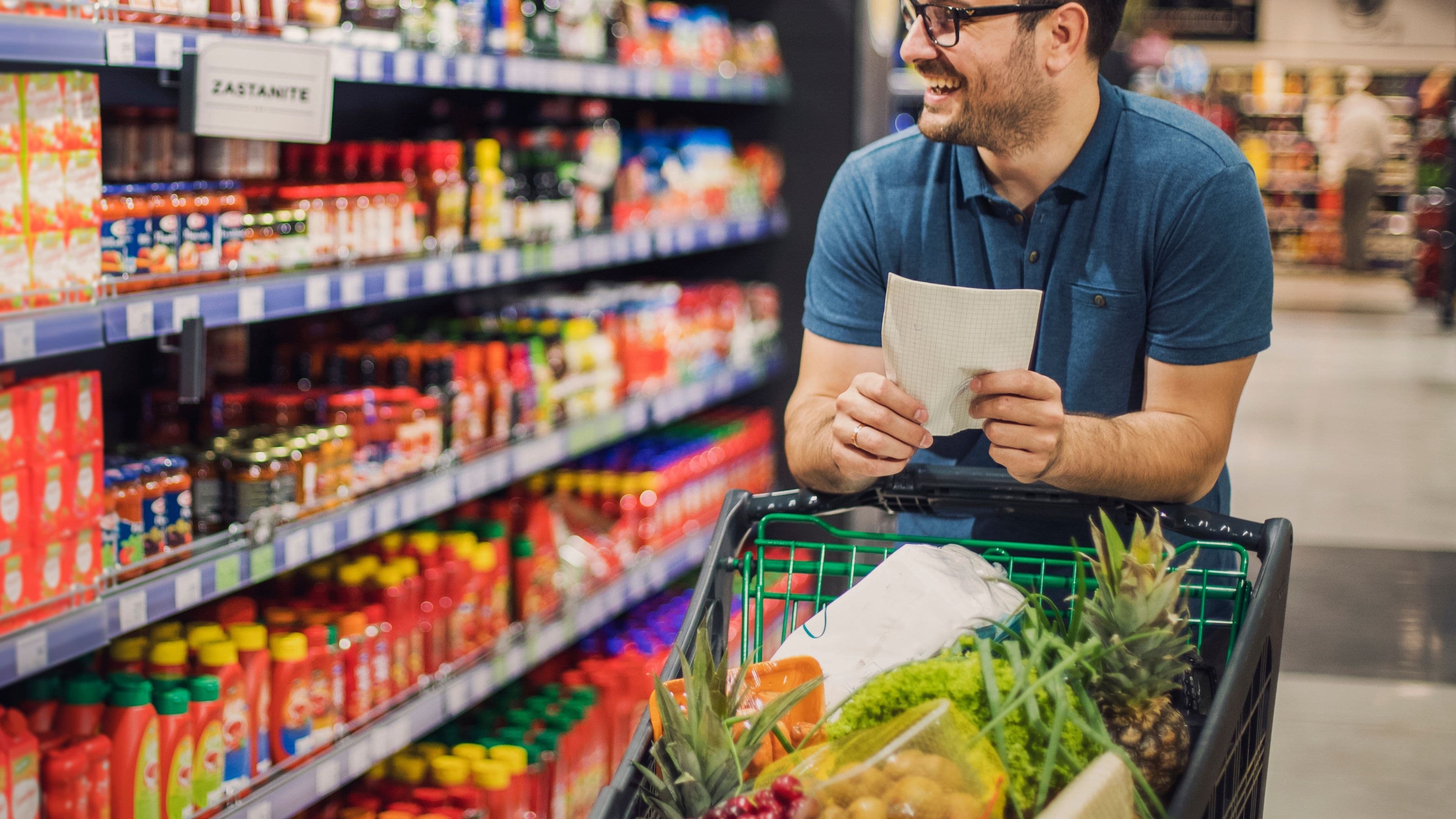
Basket is built specifically around grocery shopping rather than general budgeting, letting you build a shopping list while simultaneously tracking estimated costs as you add items. This means you can see your running total before you even reach the checkout line, which naturally encourages small adjustments – swapping a pricier item, skipping something non-essential – before the spending actually happens.
This kind of real-time, pre-purchase awareness tends to feel less restrictive than reviewing spending after the fact, since you're making informed choices in the moment rather than reacting to a number you can no longer change. It's a gentler way to build budget awareness directly into the habit of shopping itself, rather than treating budgeting as a separate task you do afterward.
Best for: People who want budget awareness built directly into their shopping list, rather than a separate app.
Fetch Rewards – Best for Getting More From What You Already Spend
Fetch Rewards takes a different angle entirely – rather than tracking or limiting spending, it rewards you for purchases you're already making by scanning your receipts, regardless of the store. Points accumulate over time and convert into gift cards, which effectively softens your grocery spending without requiring any change in shopping habits.
This tool is less about budgeting discipline and more about quietly working in the background to reduce the real cost of groceries you'd be buying anyway. It pairs well with any of the apps above, since it doesn't compete with tracking or planning – it simply adds a small return on spending you're already tracking elsewhere.
Best for: People who want a passive way to soften grocery costs without changing their existing shopping routine.
Flipp – Best for Comparing Prices Before You Shop
Flipp aggregates weekly grocery ads and deals from stores in your area, letting you compare prices across retailers before deciding where to shop. If part of your grocery stress comes from wondering whether you're paying more than you need to for the same items, this tool addresses that directly by making price comparison quick and visual rather than something you'd have to research manually.
Using Flipp alongside a tracking app like Goodbudget or Basket creates a fuller picture – Flipp helps you spend less per item, while the other apps help you stay aware of the total. Neither replaces the other; they solve slightly different pieces of the same overall goal.
Best for: People who want to actively lower per-item costs by comparing store prices before shopping.
How to Choose the Right Fit
If your grocery spending struggle is really about not having clear visibility into your overall budget, YNAB offers the most complete picture, even though it takes more time to set up. If you want something simpler and more visual, Goodbudget's envelope system might feel like a more sustainable habit long-term. If you'd rather build awareness directly into your shopping list, Basket keeps things practical and immediate. And if you're looking to soften costs without changing your routine at all, Fetch Rewards and Flipp work quietly in the background rather than asking you to change how you shop.
It's worth resisting the urge to download all five at once. Pick the one that matches what's actually been causing you stress lately – whether that's not knowing your total, overspending on individual trips, or simply wanting more value from money you're already spending – and give it a few weeks before deciding whether to add another layer.
A Few Things to Keep in Mind
No app will fix a grocery budget that was unrealistic to begin with, so it helps to set your target based on your actual recent spending rather than an aspirational number pulled from somewhere else. It's also worth remembering that these tools work best when checked regularly but briefly – a quick glance before a shopping trip does more good than an occasional deep dive once a month. And if a particular app starts to feel like one more source of pressure rather than support, that's a sign to simplify, not to add more tracking on top of it.
FAQ
Do I need more than one of these apps? Not necessarily. Many people find that pairing one tracking app with a passive reward app like Fetch Rewards covers most of what they need, without adding unnecessary complexity.
Are these apps worth it if I'm only spending a small amount monthly on groceries? Even smaller grocery budgets benefit from visibility, since overspending as a percentage can feel just as stressful regardless of the total dollar amount involved.
Will using a budgeting app make grocery shopping feel more restrictive? It doesn't have to. Many people find that clear numbers actually reduce anxiety, since uncertainty tends to feel worse than a defined, visible limit.
How long does it typically take to feel a difference? Most people notice a shift in awareness within two to three shopping trips, though building a lasting habit tends to take four to six weeks of consistent use.