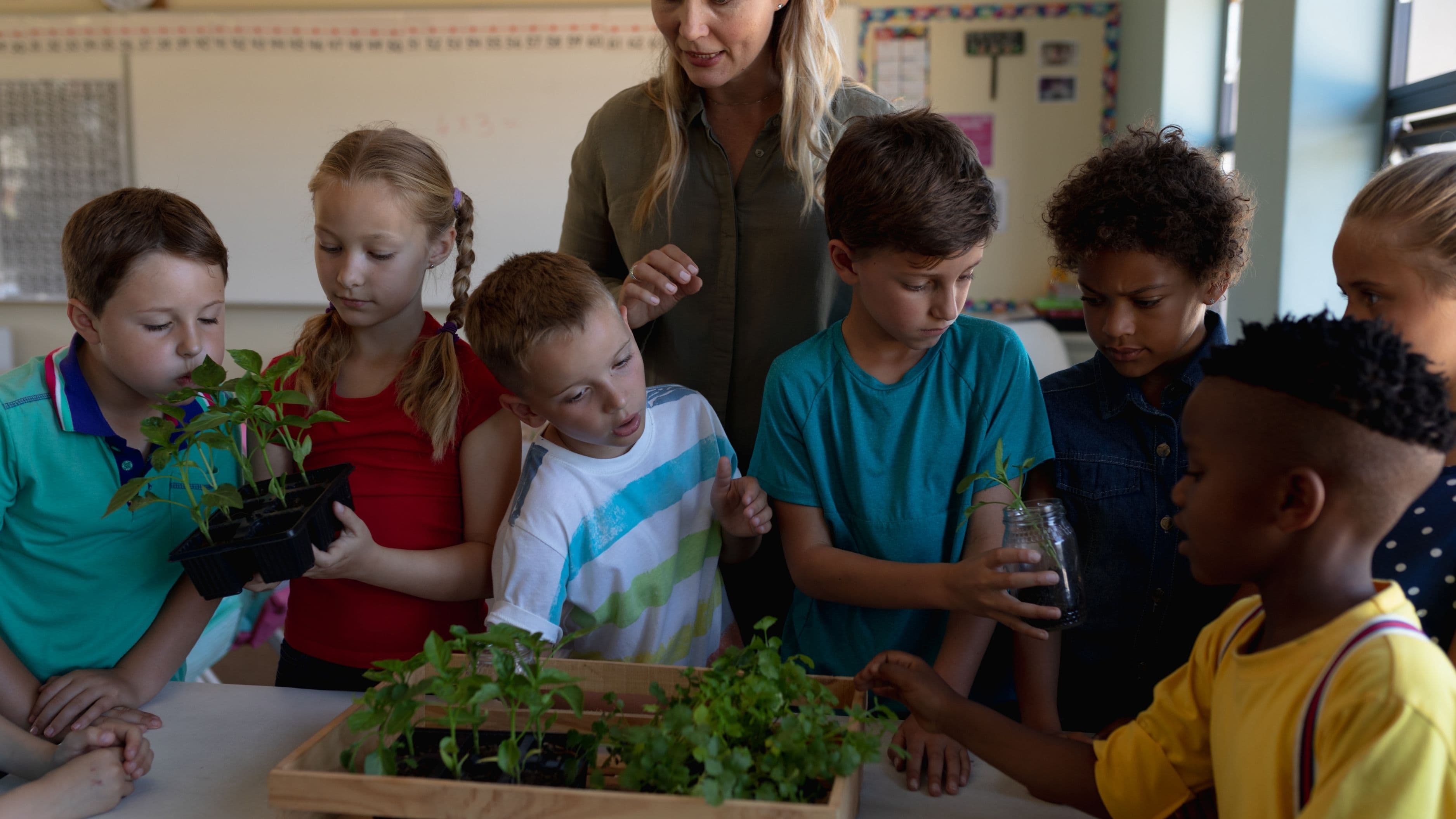
Independence isn't something that switches on at eighteen. It's built slowly, in small moments, over years – through the times you stepped back instead of stepping in, the responsibilities you handed over before you were fully comfortable doing so, and the quiet trust you extended when it would have been easier to just handle it yourself. This guide is about how to do that intentionally, without waiting until the last year to start.
Start With the Belief That They Can Handle More Than You Think
Before any practical strategy, there's a mindset shift worth examining. Most parents underestimate what their children are capable of – not out of malice, but out of love and habit. We help because we're faster, because we want things done right, because watching them struggle is genuinely uncomfortable.
But research consistently shows that children who are allowed to navigate difficulty – age-appropriate difficulty, with support available but not automatically provided – develop stronger problem-solving skills, more resilient self-esteem, and a more accurate sense of their own capabilities. The goal isn't to make things hard for the sake of it. It's to let them discover, repeatedly, that they can figure things out. That discovery is the foundation everything else is built on.
Give Responsibilities That Actually Matter
Chores are a good starting point, but the most powerful form of responsibility is one where your child can see the real-world consequence of their effort – or their lack of it. Managing their own laundry. Cooking dinner for the family once a week. Tracking their own schedule and getting themselves to activities on time. Handling a small monthly budget for their own clothing or personal expenses.
These aren't just tasks. They're rehearsals for adult life, and they work precisely because the stakes are real. When a middle schooler forgets to do their laundry and has nothing clean to wear, that's a memorable lesson – more memorable than any conversation about responsibility. When a teenager budgets poorly and runs out of money for something they wanted, they learn something no lecture can replicate. Let natural consequences teach where you can, and resist the urge to cushion every landing.
Teach Decision-Making by Narrating Your Own
Children learn how to make decisions partly by watching the adults around them make decisions. The problem is that most decision-making happens internally and invisibly. You can change that by thinking out loud more often.
When you're weighing a choice – even a small one – walk them through it. "I'm trying to decide whether to take the highway or the back roads. The highway is faster but there might be traffic at this hour. The back roads add ten minutes but they're more reliable." That kind of narration is genuinely instructive. It shows children that decisions involve gathering information, weighing trade-offs, and tolerating some uncertainty about the outcome. Over time, as they get older, invite them into your actual decisions. Ask for their input. Let them see that adults also sometimes get it wrong and adjust.
Let Them Fail in Low-Stakes Environments
Protecting children from every failure is one of the most well-intentioned ways to inadvertently undermine their confidence. A child who has never experienced failure – who has always been rescued before the consequence arrived – reaches adulthood without the most important piece of knowledge: that failure is survivable, and often instructive.
The key is matching the failure to the developmental stage. A ten-year-old who forgets their homework and faces a teacher's disappointment is experiencing an appropriate, low-stakes consequence. A seventeen-year-old who manages a summer job poorly and doesn't get asked back is learning something about reliability and follow-through in a context where the cost is manageable. These experiences build what psychologists call "self-efficacy" – the internalized belief that you are capable of handling what life brings. You can't give that belief to a child. They have to earn it themselves, through experience.
Gradually Transfer Ownership of Their Own Life
Independence isn't handed over all at once – it's transferred gradually, in domains, over years. A useful frame is to ask yourself: what am I still managing for my child that they could reasonably manage for themselves?
For a younger child, this might mean letting them choose their own outfit, pack their own bag, or decide how to spend a Saturday afternoon. For a middle schooler, it might mean managing their own homework schedule, handling their own conflicts with friends (without parental intervention), or navigating a difficult conversation with a teacher independently. For a high schooler, it should increasingly mean managing their own time, their own health appointments, their own college research, and their own relationships with the adults in their life.
Each handover should come with support, not abandonment. "I'm going to let you manage your own schedule this semester. I'm here if you want to talk through how to structure it, but I'm not going to remind you about assignments anymore." That's different from simply withdrawing. It's a conscious transfer of ownership, with the door left open.
Teach the Practical Skills That College Assumes
Beyond mindset and decision-making, there are practical life skills that many young adults arrive at college without – not because they're incapable, but because no one ever explicitly taught them. A few worth addressing before they leave:
Managing money. Not just spending it, but tracking it. Understanding how a bank account works, what a bill looks like, how to build a simple budget, and what happens when you overdraft. These conversations are easier to have before they're living them.
Basic cooking and nutrition. They don't need to be accomplished cooks, but knowing how to feed themselves something other than delivery or dining hall food gives them a meaningful degree of autonomy. A handful of simple, reliable meals is enough to start.
Managing illness independently. Knowing what to do when you feel unwell – when to rest, when to see a doctor, how to make an appointment, what information to bring – is something many young adults have never had to figure out on their own.
Navigating conflict directly. College brings proximity to people who are very different from them, and not everyone will be easy to live with. Knowing how to have a direct, calm conversation about a problem – rather than waiting for someone else to fix it – is a skill worth practicing well before move-in day.
Understanding their own emotions well enough to ask for help. This one is often overlooked. Knowing when you're struggling, being able to name it, and knowing how to reach out – to a counselor, a professor, a friend – is genuinely important. Many college mental health crises are compounded by the fact that students don't recognize what they're experiencing or don't know how to seek support.
Watch for the Patterns That Work Against Independence
Even with the best intentions, certain parenting habits consistently work against the independence we're trying to build. A few worth reflecting on honestly:
Rescuing too quickly. There's a natural pull to intervene the moment your child looks uncomfortable. But discomfort is often the exact environment where growth happens. Pause before stepping in and ask: do they actually need my help, or do they need the experience of figuring this out?
Doing things for them that they could do themselves. Every time you complete a task your child is capable of completing, you're sending a quiet message about what you think they can handle. Those messages accumulate.
Over-praising effort without honest feedback. Encouragement matters, but children also need honest, specific feedback to calibrate their sense of where they actually are. "You worked really hard on that" is valuable. "You worked really hard on that, and I think there's one part that could be stronger – do you want to talk through it?" is more valuable.
Making their problems your problems. When your child is upset about a friendship conflict, a difficult teacher, or a disappointment, the instinct to fix it is strong. But making it your problem to solve removes it from the space where they could develop the capacity to handle it themselves.
FAQ
What if my child resists taking on more responsibility? Some resistance is normal and doesn't mean the approach is wrong. Hold the expectation warmly but firmly. The goal isn't compliance without friction – it's growth through friction. Explain the why behind the expectation, acknowledge that it's new territory, and stay consistent. Resistance often diminishes once they discover they're more capable than they thought.
Is it too late to start this if my child is already in high school? It's never too late, though the timeline for transfer becomes more urgent. With a high schooler, focus on the practical life skills and the habit of making their own decisions in the domains that most directly affect college life – schedule management, health, finances, and relationships. Even a year of intentional practice makes a real difference.
How do I balance fostering independence with staying connected? These aren't in conflict. Connection is actually the foundation that makes independence feel safe enough to reach for. A child who feels securely attached to their parents is often more willing to take the risks that independence requires – because they know there's a safe place to return to if something goes wrong. Staying connected while releasing control is the goal, not choosing one over the other.
What about anxiety – mine or theirs? Parental anxiety about a child's readiness is one of the most common invisible obstacles to building independence. It's worth examining honestly. If your anxiety is driving over-involvement, working through it – whether through reflection, conversation, or support – is genuinely part of preparing your child well. For children with anxiety, the path to independence may be slower and more scaffolded, but the destination is the same.
A Closing Thought
Preparing a child for independence is one of the more counterintuitive things about parenting. The more thoroughly you do the job, the less they'll seem to need you in the ways you've been needed. That shift can feel like loss, and in some ways it is. But it's also the whole point – raising someone who can navigate their life with confidence, competence, and the quiet knowledge that they figured out how to handle things, because they were given the chance to.
That's not a small gift. It might be the most important one.
📚 Sources
American Psychological Association – Fostering Resilience and Self-Efficacy in Children: https://www.apa.org/topics/resilience
Harvard Graduate School of Education – The Science of Adolescent Risk-Taking: https://www.gse.harvard.edu/ideas/usable-knowledge/19/09/adolescent-risk-taking
Greater Good Science Center – How to Raise Independent Kids: https://greatergood.berkeley.edu/article/item/how_to_raise_independent_kids
Carol Dweck – Mindset Research Overview (Stanford University): https://mindsetonline.com
American College Health Association – National College Health Assessment: https://www.acha.org/NCHA/About_ACHA_NCHA/Overview/NCHA/About/Overview.aspx
Edutopia – Teaching Life Skills Before High School Ends: https://www.edutopia.org/article/teaching-life-skills-before-high-school-ends
Psychology Today – Self-Efficacy: Why Believing in Yourself Matters: https://www.psychologytoday.com/us/basics/self-efficacy