New this week:The Mirror Technique: Overcoming Self-Doubt in Business Meetings
Harmony Hub logo
Wellness
Growth
Lifestyle
Blog
Family & Relationships
Financial Wellness
Growth
Home & Haven
Lifestyle
Mindful Learning
Mindful Living
Mindful Shopping
Wellness
Women’s Wellness
About
Contact
Run Harmony Check
Loading...
 logo

Science-backed wellness, growth and lifestyle systems for modern professionals. Researched against primary sources, tested in real working weeks, edited by humans.
Copyright © 2026 · Visicom Media.

Library
Wellness library
Growth frameworks
Lifestyle design
Harmony Calculator
Company
About Our Health & Lifestyle Blog – Harmony Hubs
Harmony Hubs Contact us
All guides
Start here
Legal
Harmony Hubs Privacy policy
Harmony Hubs Terms of use
Legal information
© 2026 Harmony Hub. All rights reserved.
HomepageFamily & RelationshipsFinancial WellnessGrowthHome & HavenLifestyleMindful LearningMindful LivingMindful ShoppingWellnessWomen’s Wellness
Women’s Wellness

How to Create a Fertility-Friendly Lifestyle Naturally

By Caroline MillerPublished: May 21, 2026
How to Create a Fertility-Friendly Lifestyle Naturally
Share:
If you're thinking about growing your family — or simply want to support your body's natural rhythms as you prepare — the most powerful place to start isn't a prescription or a protocol. It's your everyday life. What you eat, how you sleep, how you manage stress, and even the environment you live in all quietly shape your hormonal health and reproductive well-being in ways that are both meaningful and within your reach.

This isn't about perfection. It's about creating conditions where your body can do what it's designed to do, with less friction and more support. Small, consistent shifts tend to matter more than dramatic overhauls — and many of the changes that support fertility also improve how you feel across the board.

Here's a grounded, practical guide to building a lifestyle that naturally supports your fertility.


Understand What "Fertility-Friendly" Actually Means

Before making any changes, it helps to understand what you're actually working toward. Fertility isn't just about conception — it's a reflection of your overall hormonal and metabolic health. Irregular cycles, low energy, disrupted sleep, and chronic stress are all signals that the body is under strain. Supporting fertility naturally means addressing those underlying conditions, not chasing a single supplement or superfood.

For women, the menstrual cycle is often called a vital sign — a monthly report on your body's internal balance. For men, sperm health is similarly sensitive to lifestyle factors: sleep, nutrition, heat exposure, and stress all have measurable effects on sperm quality. A fertility-friendly lifestyle benefits both partners, which is worth remembering as you approach changes together.


Nourish Your Body With Whole, Nutrient-Dense Foods

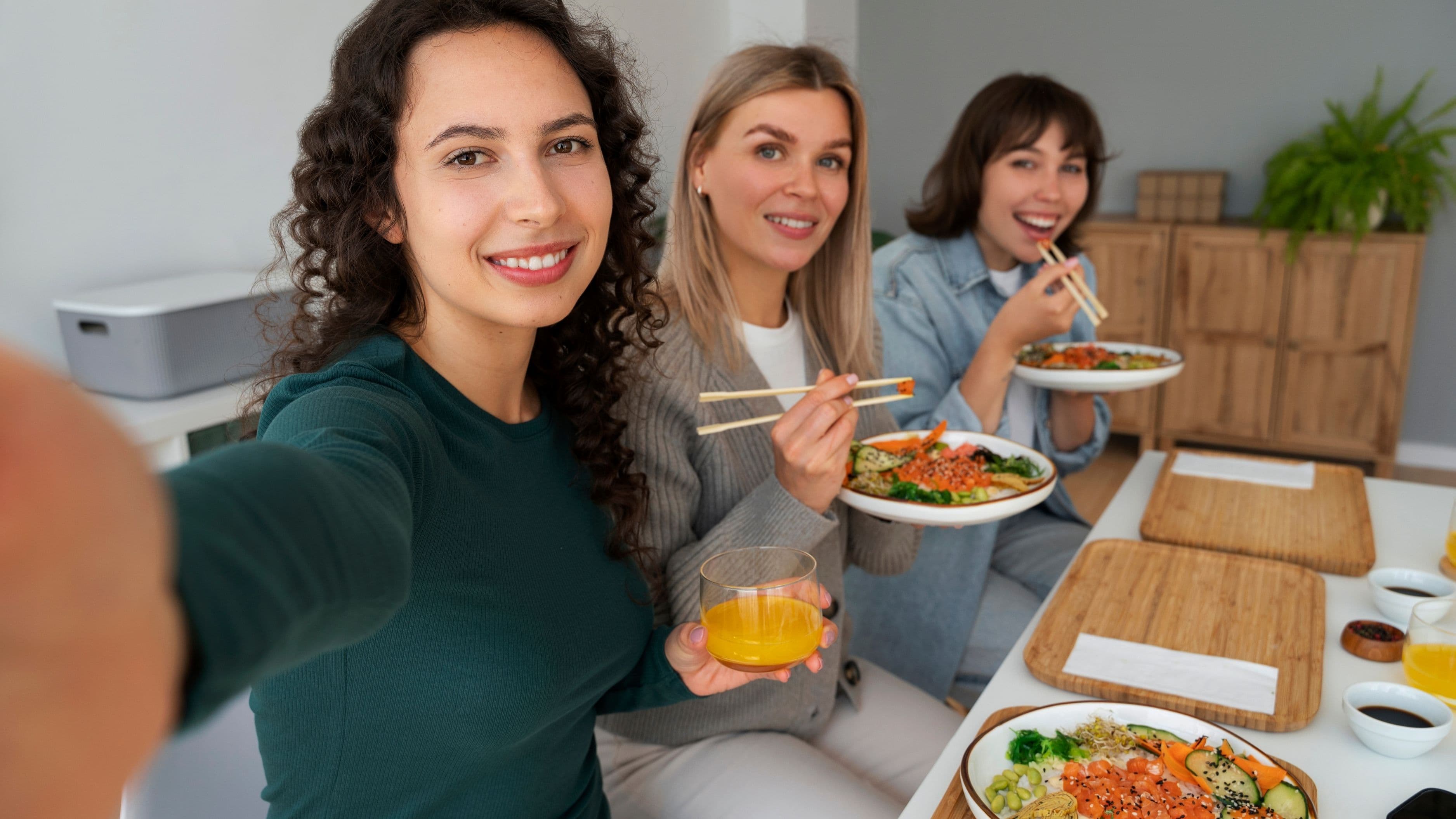
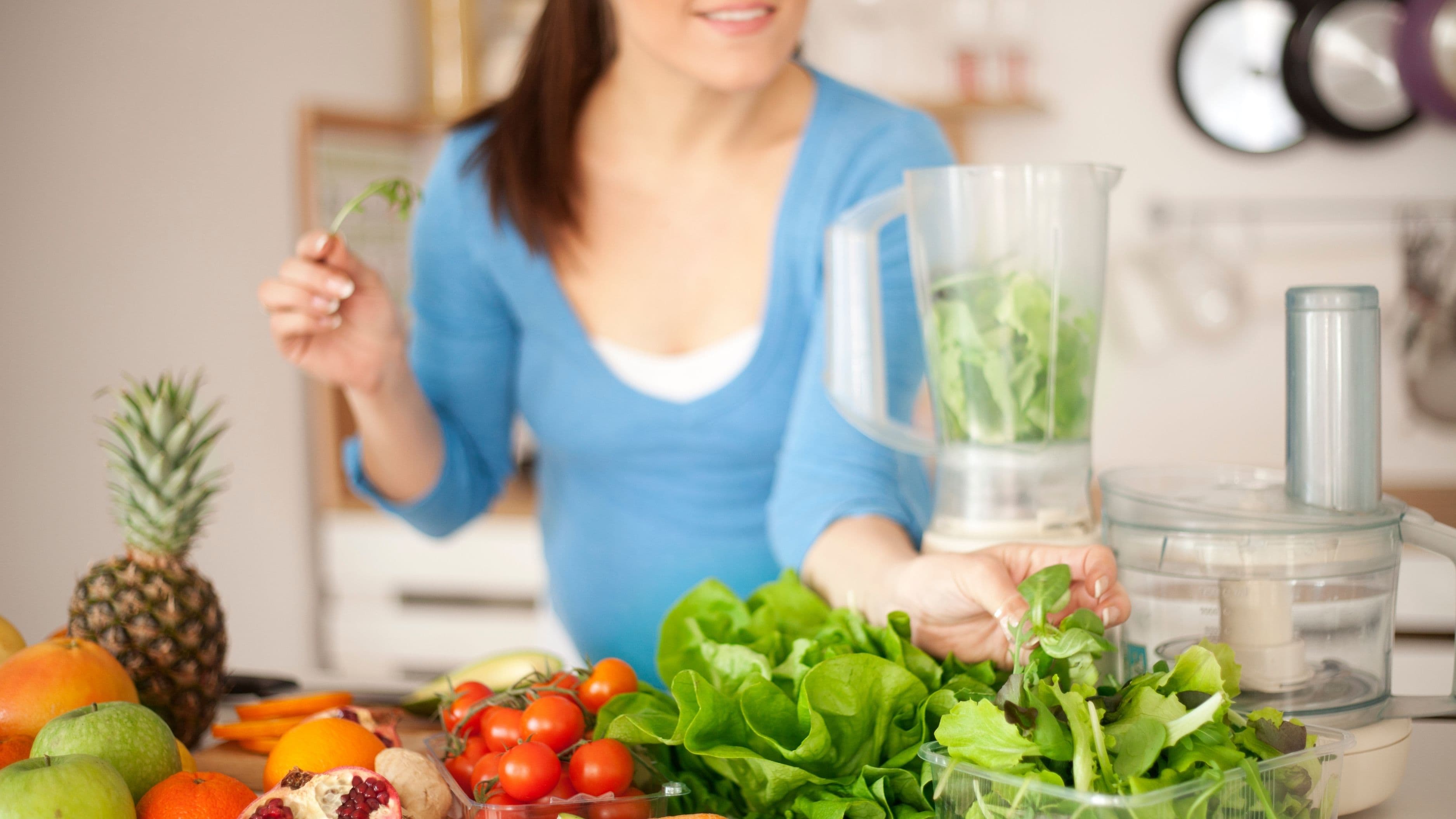
Food is one of the most direct levers you have for supporting reproductive health, and the research here is more specific than most people realize. A Mediterranean-style dietary pattern — built around vegetables, legumes, whole grains, healthy fats, and quality protein — has been consistently linked to better hormonal balance and improved fertility outcomes in both men and women.

A few nutrients deserve particular attention. Folate (found in leafy greens, lentils, and beans) is critical before and during early pregnancy for neural tube development. Omega-3 fatty acids from oily fish, walnuts, and flaxseeds support healthy inflammation levels and hormone production. Zinc, found in pumpkin seeds, eggs, and legumes, plays a role in both ovulation and sperm health. Iron from plant sources, paired with vitamin C to aid absorption, supports healthy cycles. And antioxidants broadly — from a varied, colorful diet — help protect egg and sperm cells from oxidative damage.

What to reduce matters just as much. Highly processed foods, refined sugars, and excessive alcohol have all been associated with hormonal disruption. You don't need to eliminate anything categorically, but noticing patterns in what you eat and where there's room to add more whole-food variety is a practical starting point.

A Simple Daily Approach

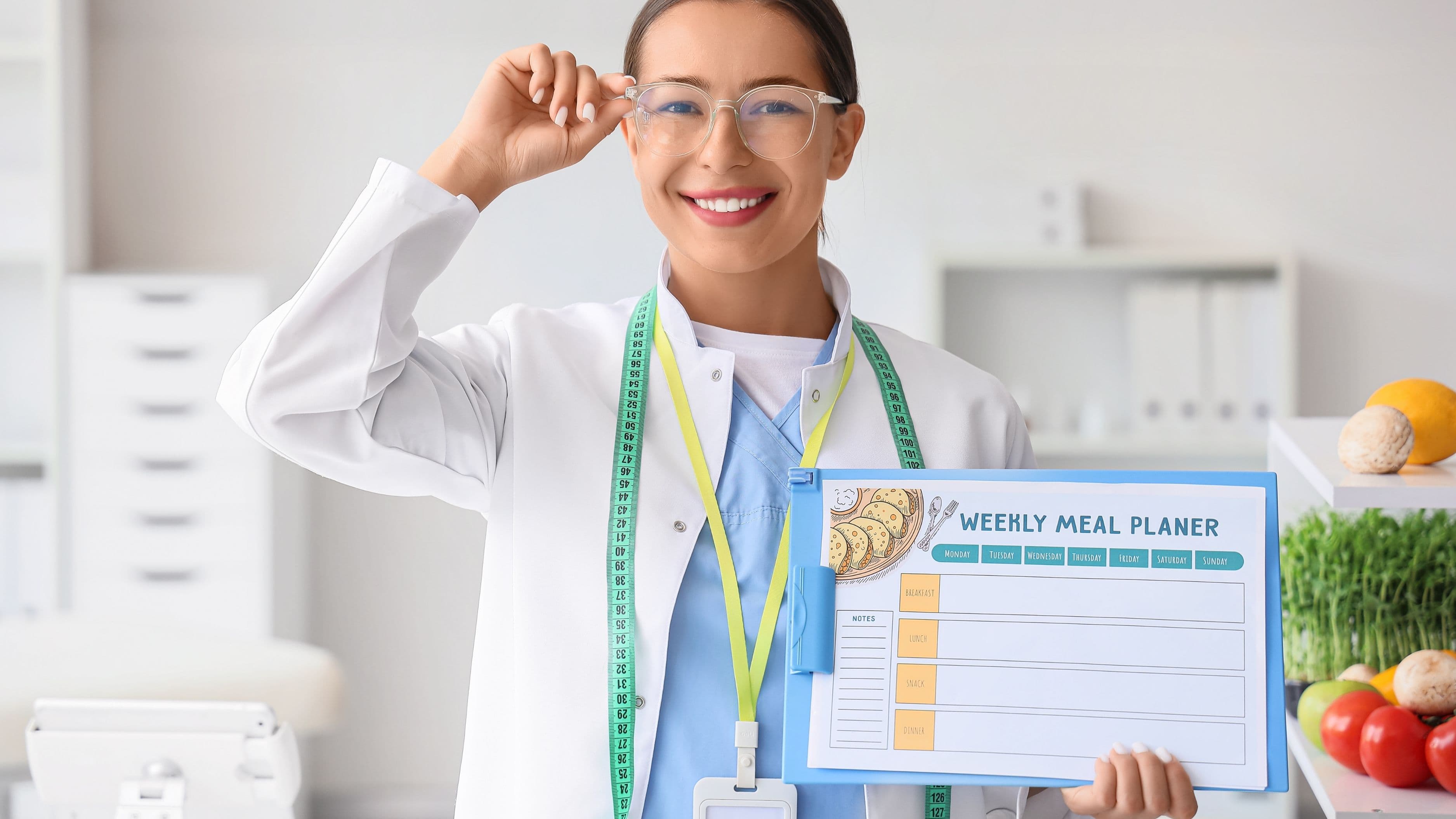
Rather than following a rigid meal plan, try building each meal around a simple framework: a good source of plant or quality animal protein, a generous portion of vegetables, a healthy fat (olive oil, avocado, nuts), and a small amount of complex carbohydrate. This pattern naturally incorporates the nutrients that matter most without requiring you to track or restrict.


Support Your Sleep — More Than You Might Think

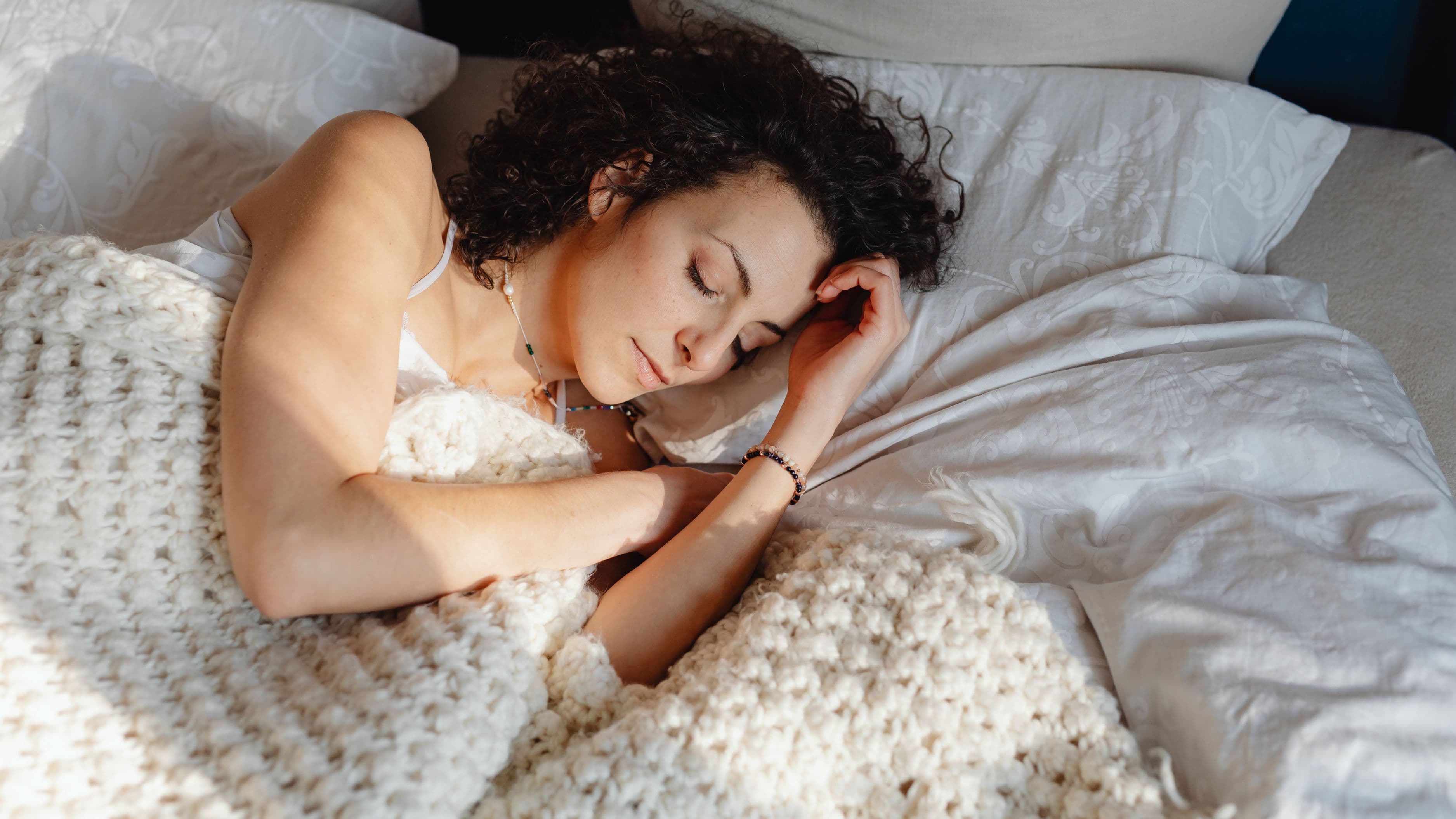
Sleep is where so much of hormonal regulation happens. Melatonin, cortisol, leptin, and the reproductive hormones FSH, LH, estrogen, and progesterone all follow circadian rhythms that are directly shaped by your sleep patterns. Chronic sleep deprivation or irregular sleep timing disrupts these rhythms in measurable ways — affecting ovulation timing, sperm parameters, and the overall hormonal environment that fertility depends on.

Seven to nine hours of quality sleep is the goal, but consistency of timing matters almost as much as duration. Going to bed and waking at roughly the same time each day — even on weekends — anchors your circadian rhythm in a way that irregular schedules simply don't. Your body produces the most melatonin in a dark room, which is worth taking seriously: blackout curtains, removing screens from the bedroom, and dimming lights in the hour before bed all help create the conditions for deeper, more restorative sleep.

For women tracking their cycles, improving sleep quality often has a visible effect on cycle regularity within a few months. It's one of the most impactful changes you can make, and it costs nothing.


Manage Stress Intentionally

Chronic stress is one of the most significant — and most overlooked — barriers to reproductive health. When the body is in a prolonged stress state, it prioritizes cortisol and adrenaline production in ways that can suppress the hormones responsible for ovulation and healthy sperm production. This isn't a character failing or a matter of simply "relaxing more" — it's a physiological response that requires deliberate, consistent management.

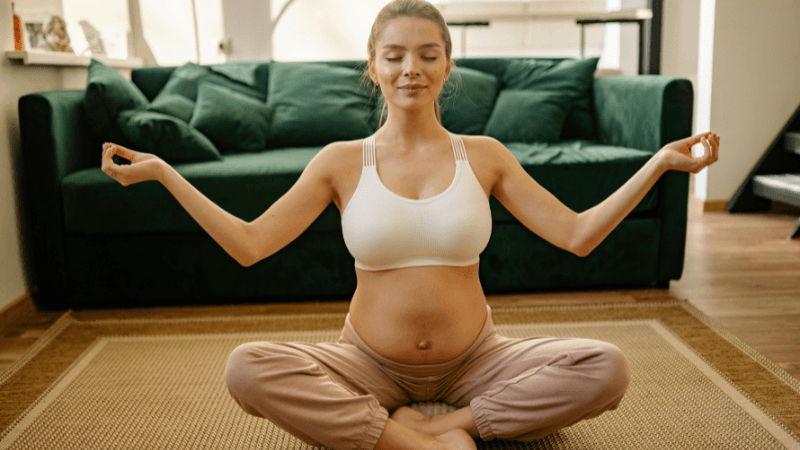
The good news is that even modest stress-reduction practices have a measurable effect. Studies on fertility and stress have found that women who participated in mind-body programs — including meditation, gentle yoga, and group support — showed improvements in both psychological well-being and pregnancy rates. The connection between the nervous system and the hypothalamic-pituitary-ovarian axis (the hormone control loop that governs the menstrual cycle) is well-established.

Practically speaking, this means building a daily practice that genuinely brings your nervous system down. It doesn't have to be meditation if that doesn't work for you — a 20-minute walk outside, slow breathing exercises, regular time in nature, journaling, or a consistent wind-down routine in the evening can all serve the same function. The key is consistency over intensity: 15 minutes of genuine rest every day matters more than an occasional wellness retreat.

A Note on Work and Boundaries

If work stress is a significant factor in your life, it's worth examining honestly. Sustainable pacing, realistic boundaries around evening work, and protecting weekend rest aren't luxuries when you're trying to support your body's reproductive function — they're part of the process.


Move Your Body Regularly — And Gently Enough

Regular moderate exercise supports fertility through several pathways: it improves insulin sensitivity (which matters greatly for hormonal balance, particularly for women with PCOS), supports healthy body weight, reduces stress, and promotes better sleep. Walking, swimming, cycling, yoga, and strength training at moderate intensity are all beneficial.

The important nuance here is intensity. Excessive high-intensity exercise — particularly when combined with under-eating — can disrupt ovulation and suppress reproductive hormone levels. This is especially relevant for women who are highly athletic or training at a competitive level. If you're doing more than about an hour of vigorous exercise most days and experiencing cycle irregularities, easing back slightly and increasing caloric intake is often the most direct intervention.

For most people, the goal is simply consistent, enjoyable movement most days. If you're currently sedentary, adding 30 minutes of walking daily is a genuinely meaningful change. If you're already active, the main consideration is ensuring you're eating enough to support both your training and your body's hormonal needs.


Reduce Exposure to Hormone-Disrupting Chemicals

This area of fertility health is increasingly well-documented and often underappreciated. Endocrine-disrupting chemicals (EDCs) — found in certain plastics, pesticides, personal care products, cleaning products, and food packaging — can interfere with hormone signaling in ways that affect both female and male reproductive health. BPA, phthalates, parabens, and certain pesticide residues are among the most studied.

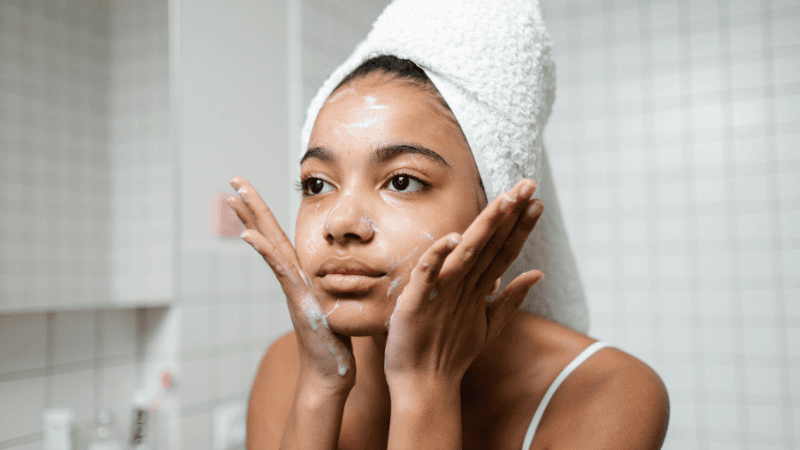
You don't need to achieve a toxin-free existence — that's neither realistic nor necessary. But reducing the most significant exposures is both practical and worthwhile. Some straightforward shifts: choose glass, stainless steel, or ceramic over plastic for food and drink storage, particularly for hot foods and liquids. Opt for fragrance-free personal care products where possible, since synthetic fragrance is often a vehicle for phthalates. Choose organic produce for the fruits and vegetables highest in pesticide residue — the Environmental Working Group publishes an annual "Dirty Dozen" list that makes this easy to prioritize. Filter your tap water if you're able.

These aren't dramatic lifestyle changes. They're quiet, consistent shifts that reduce your body's chemical load over time.


Create a Hormone-Supportive Home Environment

Your home environment has more influence on your hormonal health than most people realize. Light exposure, air quality, and even temperature all play a role in how your body regulates the rhythms that fertility depends on.

Light is particularly important. Natural light exposure in the morning anchors your circadian rhythm, which in turn supports melatonin production at night and the hormonal cascades that follow. If your home or work environment limits morning light, spending even 10–15 minutes outside shortly after waking makes a real difference. In the evening, warm, dim lighting signals to your body that it's time to wind down — smart bulbs that shift toward warmer tones after sunset are a small investment with a meaningful effect on sleep quality.

Air quality matters too. Indoor air often contains higher concentrations of pollutants than outdoor air — from cleaning products, synthetic materials, and poor ventilation. Adding air-purifying plants, opening windows when weather allows, and switching to non-toxic cleaning products are all practical steps toward a cleaner, calmer indoor environment.


Track Your Cycle and Know Your Fertile Window

One of the most empowering things you can do when trying to conceive naturally is understand your own cycle. Ovulation typically occurs around the middle of a 28-day cycle, but timing varies significantly between individuals — and even from cycle to cycle for the same person. Assuming a textbook 28-day cycle when yours runs longer or shorter means you may be timing things around the wrong window entirely.

Tracking your basal body temperature (BBT) each morning before rising gives you a data picture of your cycle over time — a slight rise in temperature signals that ovulation has occurred. Tracking cervical mucus changes, which shift from dry or creamy to clear and stretchy around ovulation, gives you a real-time signal as you approach your fertile days. Apps like Kindara or Natural Cycles bring these methods together in an accessible format.

Ovulation predictor kits (OPKs), which detect the LH surge that precedes ovulation by 12–36 hours, are another practical tool for identifying your fertile window. Used alongside cycle tracking, they give you a reasonably accurate picture of your most fertile days without requiring medical intervention.


Be Thoughtful About Supplements

The supplement landscape around fertility is noisy and, in many cases, oversold. That said, there are a handful of well-supported options worth knowing about.

Folate (or methylfolate, the more bioavailable form) is the most universally recommended for women trying to conceive — ideally starting three months before conception. Vitamin D deficiency is widespread and has been associated with both cycle irregularities and reduced fertility outcomes in both men and women; getting your levels tested and supplementing accordingly is sensible. Coenzyme Q10 (CoQ10) has emerging evidence for supporting egg quality, particularly in women over 35, though doses and evidence strength vary. For men, zinc, vitamin C, and antioxidant combinations have shown benefits for sperm quality in some research.

Before adding supplements, it's worth getting a basic panel done with your doctor — iron, vitamin D, B12, and thyroid function are the most relevant starting points. Supplementing blindly wastes money and occasionally creates imbalances. Start with a good prenatal vitamin that covers the basics, and layer in specific supplements based on what your bloodwork actually shows.


Common Pitfalls to Avoid

Trying to change everything at once is the most common way people burn out before any one change has had time to work. The body takes time to respond — egg quality, for instance, reflects the three months leading up to ovulation, which means changes you make today will show their effect in your cycle three months from now. Patience and consistency matter far more than intensity.

Ignoring a partner's lifestyle is another gap worth addressing together. Sperm are produced continuously over a roughly 70-day cycle, which means a man's diet, sleep, heat exposure (hot baths, tight clothing, laptop use), alcohol intake, and stress levels in the months before trying to conceive genuinely matter. A fertility-supportive lifestyle is most effective when both partners are participating.

Finally, pushing toward conception while under significant unaddressed stress or physical depletion is worth examining honestly. Sometimes the most fertility-supportive thing you can do is take a few months to genuinely restore your health before actively trying. That's not giving up — it's being strategic and kind to yourself in the process.


FAQ

How long does it take to see results from lifestyle changes? Most meaningful hormonal shifts take between one and three months to manifest — reflecting full egg development cycles and hormonal recalibration. Some women notice improvements in cycle regularity within 4–8 weeks of consistent changes to sleep and stress management.

Does weight affect fertility? Both very low and very high body weight can affect hormonal balance and ovulation. However, the relationship is nuanced — the quality of your diet, your stress levels, and your sleep often matter more than a specific weight target. Focus on nourishment and balance rather than a number on the scale.

Can men support fertility naturally too? Yes — and meaningfully so. Sperm health responds directly to diet, sleep, heat exposure, alcohol intake, and stress over a roughly 70-day production cycle. Many of the same lifestyle principles that support female fertility apply equally to male fertility.

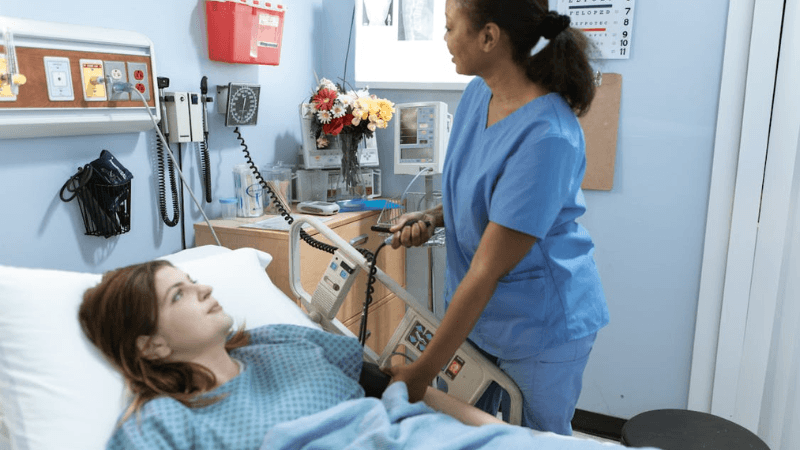
When should I see a doctor? If you've been trying to conceive for 12 months without success (or 6 months if you're over 35), it's time to get a full fertility workup with a reproductive specialist. Lifestyle optimization is a valuable complement to medical care, not a replacement for it when there may be an underlying issue to address.

Are there foods that actively harm fertility? Highly processed foods, trans fats, excessive sugar, and heavy alcohol consumption have all been associated with poorer fertility outcomes. This doesn't mean strict elimination — it means honest awareness of what your diet currently looks like and where the biggest opportunities for improvement are.


A Gentle Reminder

Building a fertility-friendly lifestyle is ultimately about caring for yourself — your sleep, your nourishment, your stress, your environment. These changes don't just support conception; they improve how you feel every day. Approach them with patience and self-compassion, and remember that the goal isn't to be perfect. It's to build a life where your body has the best possible conditions to thrive.

Progress over perfection, always.


📚 Sources

  1. Harvard T.H. Chan School of Public Health – The Fertility Diet: https://www.hsph.harvard.edu/nutritionsource/fertility-diet/

  2. ACOG – Optimizing Natural Fertility: https://www.acog.org/clinical/clinical-guidance/committee-opinion/articles/2017/09/optimizing-natural-fertility

  3. NIH – Sleep and Reproductive Health: https://www.ncbi.nlm.nih.gov/pmc/articles/PMC6016043/

  4. NIH – Stress and Female Reproductive Health: https://www.ncbi.nlm.nih.gov/pmc/articles/PMC3547546/

  5. Environmental Working Group – Dirty Dozen: https://www.ewg.org/foodnews/dirty-dozen.php

  6. NIH – Endocrine Disruptors and Reproductive Health: https://www.ncbi.nlm.nih.gov/pmc/articles/PMC5424516/

  7. Mayo Clinic – Fertility and Getting Pregnant: https://www.mayoclinic.org/healthy-lifestyle/getting-pregnant/in-depth/fertility/art-20047584

  8. NIH – CoQ10 and Oocyte Quality: https://www.ncbi.nlm.nih.gov/pmc/articles/PMC6265521/

  9. CDC – Preconception Health – Folic Acid: https://www.cdc.gov/preconception/folicacid.html

🔍 Explore Related Topics

  • Best foods to eat when trying to conceive

  • How sleep affects hormonal health and fertility
  • Natural ways to regulate your menstrual cycle

  • How stress impacts ovulation and fertility

  • Endocrine disruptors to avoid when trying to conceive

  • How to track ovulation naturally at home

  • Male fertility and lifestyle: what actually matters

  • Supplements for fertility: what the research says

  • How to build a hormone-balancing daily routine

  • Creating a wellness-focused home environment for couples

Caroline Miller
Caroline Miller

About the Author

Caroline Miller
Caroline MillerRead Full Story

Related Articles

Women’s Wellness

Female Lifespan, Hormonal Changes, and Multiple Sclerosis

Female Lifespan, Hormonal Changes, and Multiple Sclerosis

Updated: February 10, 2025 | Olivia Benson
How Alcohol Affects Well-Being in Menopause

How Alcohol Affects Well-Being in Menopause

Updated: February 10, 2025 | Claire Hewitt
How to Build a Self-Care Routine During Perimenopause

How to Build a Self-Care Routine During Perimenopause

Updated: February 23, 2026 | Laura Whitmore
How to Manage Anxiety Naturally During Pregnancy

How to Manage Anxiety Naturally During Pregnancy

Updated: March 3, 2026 | Charlotte Greene
How to Manage Mood Swings During Menopause Naturally

How to Manage Mood Swings During Menopause Naturally

Updated: April 6, 2026 | Laura Whitmore
How to Rebuild Your Confidence After a Major Life Change

How to Rebuild Your Confidence After a Major Life Change

Updated: March 11, 2026 | Caroline Miller
How to Strengthen Your Pelvic Floor After Childbirth

How to Strengthen Your Pelvic Floor After Childbirth

Updated: March 29, 2026 | Caroline Miller
How to Talk to Your Doctor About Mental Health Concerns

How to Talk to Your Doctor About Mental Health Concerns

Updated: April 14, 2026 | Caroline Miller
The Best Foods for an Upset Stomach, According to a Doctor

The Best Foods for an Upset Stomach, According to a Doctor

Updated: February 10, 2025 | Hannah Sullivan
The Hidden Impact of Chronic Stress on Women's Metabolism

The Hidden Impact of Chronic Stress on Women's Metabolism

Updated: February 10, 2025 | Caroline Miller
The Link Between Gut Health and Mental Health Every Woman Should Know

The Link Between Gut Health and Mental Health Every Woman Should Know

Updated: February 10, 2025 | Natalie Foster
The Medical Gender Gap: Why Women’s Pain Is Often Dismissed

The Medical Gender Gap: Why Women’s Pain Is Often Dismissed

Updated: February 10, 2025 | Laura Whitmore
The Truth About Perimenopause That No One Talks About

The Truth About Perimenopause That No One Talks About

Updated: February 10, 2025 | Julia Harmon
What Are the Best Natural Remedies for Pms Symptoms?

What Are the Best Natural Remedies for Pms Symptoms?

Updated: April 14, 2026 | Anya Sharma
What Is Endometriosis and How Is It Diagnosed?

What Is Endometriosis and How Is It Diagnosed?

Updated: April 7, 2026 | Laura Whitmore
What Is Hormonal Imbalance: Signs Every Woman Should Recognize?

What Is Hormonal Imbalance: Signs Every Woman Should Recognize?

Updated: February 22, 2026 | Julia Harmon
What Is Pcos and How Does It Affect Fertility?

What Is Pcos and How Does It Affect Fertility?

Updated: March 29, 2026 | Anya Sharma
What Is Postpartum Anxiety and How Is It Different From Depression?

What Is Postpartum Anxiety and How Is It Different From Depression?

Updated: March 3, 2026 | Anya Sharma
What Is the Connection Between Sleep and Women's Hormonal Health?

What Is the Connection Between Sleep and Women's Hormonal Health?

Updated: March 3, 2026 | Charlotte Greene
What ‘dense Breast Tissue’ Means for Your Health

What ‘dense Breast Tissue’ Means for Your Health

Updated: February 10, 2025 | Olivia Benson
How to Build a Strong Support Network During Major Life Transitions

How to Build a Strong Support Network During Major Life Transitions

Updated: June 28, 2026 | Emily Chen
How to Create a Hormone-Balancing Meal Plan for the Week

How to Create a Hormone-Balancing Meal Plan for the Week

Updated: August 24, 2026 | Rachel Whitman
How to Deal with Mom Guilt and Finally Let It Go

How to Deal with Mom Guilt and Finally Let It Go

Updated: August 9, 2026 | Sophie Davenport
How to Improve Your Energy Levels Naturally Without Caffeine

How to Improve Your Energy Levels Naturally Without Caffeine

Updated: July 13, 2026 | David Lee
How to Manage Work-Life Balance When You Are a Working Mother

How to Manage Work-Life Balance When You Are a Working Mother

Updated: July 30, 2026 | David Lee
How to Navigate Career Changes While Maintaining Your Wellbeing

How to Navigate Career Changes While Maintaining Your Wellbeing

Updated: May 28, 2026 | Lauren Mitchell
How to Navigate the Emotional Toll of Fertility Treatments

How to Navigate the Emotional Toll of Fertility Treatments

Updated: September 2, 2026 | Emily Chen
How to Practice Mindful Movement When You Hate Traditional Exercise

How to Practice Mindful Movement When You Hate Traditional Exercise

Updated: August 4, 2026 | Lauren Mitchell
How to Practice Self-Compassion When You Feel Like You Are Failing

How to Practice Self-Compassion When You Feel Like You Are Failing

Updated: June 23, 2026 | Caroline Miller
How to Protect Your Bone Health As You Age

How to Protect Your Bone Health As You Age

Updated: June 17, 2026 | Rachel Whitman
How to Reclaim Your Identity After Becoming a Mother

How to Reclaim Your Identity After Becoming a Mother

Updated: July 22, 2026 | Sophie Davenport
How to Recognize and Recover From Emotional Exhaustion

How to Recognize and Recover From Emotional Exhaustion

Updated: May 13, 2026 | Laura Whitmore
How to Support a Friend Going Through a Health Crisis

How to Support a Friend Going Through a Health Crisis

Updated: May 7, 2026 | Caroline Miller
What Are the Best Exercises for Women Over 40?

What Are the Best Exercises for Women Over 40?

Updated: May 13, 2026 | Laura Whitmore
What Are the Best Vitamins for Women in Their 30s and 40s?

What Are the Best Vitamins for Women in Their 30s and 40s?

Updated: July 22, 2026 | Sofia Martinez
What Are the Most Common Symptoms of Adrenal Fatigue in Women?

What Are the Most Common Symptoms of Adrenal Fatigue in Women?

Updated: August 4, 2026 | Laura Whitmore
What Are the Warning Signs of Burnout That Women Often Ignore?

What Are the Warning Signs of Burnout That Women Often Ignore?

Updated: May 28, 2026 | Laura Whitmore
What Every Woman Should Know About Heart Health After 35

What Every Woman Should Know About Heart Health After 35

Updated: June 23, 2026 | Anya Sharma
What Is Cortisol and How Does Chronic Stress Affect Women Differently?

What Is Cortisol and How Does Chronic Stress Affect Women Differently?

Updated: July 13, 2026 | Clara Rios
What Is Intuitive Eating and How Does It Help Women Heal Their Relationship with Food?

What Is Intuitive Eating and How Does It Help Women Heal Their Relationship with Food?

Updated: June 17, 2026 | Olivia Marshall
What Is Vaginal Dryness and How Can Women Address It Naturally?

What Is Vaginal Dryness and How Can Women Address It Naturally?

Updated: May 7, 2026 | Anya Sharma
What Is the Best Way to Prepare Your Body for Pregnancy After 35?

What Is the Best Way to Prepare Your Body for Pregnancy After 35?

Updated: September 2, 2026 | Emily Chen
What Is the Best Way to Track Your Menstrual Cycle for Health Insights?

What Is the Best Way to Track Your Menstrual Cycle for Health Insights?

Updated: June 28, 2026 | Emily Chen
What Is the Connection Between Autoimmune Conditions and Women's Health?

What Is the Connection Between Autoimmune Conditions and Women's Health?

Updated: July 30, 2026 | Clara Rios
What Is the Importance of Regular Pelvic Exams for Women?

What Is the Importance of Regular Pelvic Exams for Women?

Updated: August 9, 2026 | Sofia Martinez
What Is the Link Between Inflammation and Women's Chronic Illness?

What Is the Link Between Inflammation and Women's Chronic Illness?

Updated: August 24, 2026 | Olivia Marshall
What Is the Role of Nutrition in Managing Chronic Pain for Women?

What Is the Role of Nutrition in Managing Chronic Pain for Women?

Updated: May 21, 2026 | Anya Sharma
Anti-aging Skincare: These Are the 9 Things You Need to Know

Anti-aging Skincare: These Are the 9 Things You Need to Know

Updated: February 26, 2025 | Sophie Davenport
Supporting Your Health & Wellbeing in Pregnancy

Supporting Your Health & Wellbeing in Pregnancy

Updated: February 26, 2025 | Lauren Mitchell
Tips for Breastfeeding Back Pain

Tips for Breastfeeding Back Pain

Updated: February 24, 2025 | Vanessa Clarke
What to Expect After a C-Section

What to Expect After a C-Section

Updated: February 16, 2025 | Charlotte Greene
When Can I Start Running After Birth?

When Can I Start Running After Birth?

Updated: February 26, 2025 | Rachel Whitman
Female Lifespan, Hormonal Changes, and Multiple Sclerosis

Female Lifespan, Hormonal Changes, and Multiple Sclerosis

Updated: February 10, 2025 | Olivia Benson
How Alcohol Affects Well-Being in Menopause

How Alcohol Affects Well-Being in Menopause

Updated: February 10, 2025 | Claire Hewitt
How to Build a Self-Care Routine During Perimenopause

How to Build a Self-Care Routine During Perimenopause

Updated: February 23, 2026 | Laura Whitmore
How to Manage Anxiety Naturally During Pregnancy

How to Manage Anxiety Naturally During Pregnancy

Updated: March 3, 2026 | Charlotte Greene
How to Manage Mood Swings During Menopause Naturally

How to Manage Mood Swings During Menopause Naturally

Updated: April 6, 2026 | Laura Whitmore
How to Rebuild Your Confidence After a Major Life Change

How to Rebuild Your Confidence After a Major Life Change

Updated: March 11, 2026 | Caroline Miller
How to Strengthen Your Pelvic Floor After Childbirth

How to Strengthen Your Pelvic Floor After Childbirth

Updated: March 29, 2026 | Caroline Miller
How to Talk to Your Doctor About Mental Health Concerns

How to Talk to Your Doctor About Mental Health Concerns

Updated: April 14, 2026 | Caroline Miller
The Best Foods for an Upset Stomach, According to a Doctor

The Best Foods for an Upset Stomach, According to a Doctor

Updated: February 10, 2025 | Hannah Sullivan
The Hidden Impact of Chronic Stress on Women's Metabolism

The Hidden Impact of Chronic Stress on Women's Metabolism

Updated: February 10, 2025 | Caroline Miller
The Link Between Gut Health and Mental Health Every Woman Should Know

The Link Between Gut Health and Mental Health Every Woman Should Know

Updated: February 10, 2025 | Natalie Foster
The Medical Gender Gap: Why Women’s Pain Is Often Dismissed

The Medical Gender Gap: Why Women’s Pain Is Often Dismissed

Updated: February 10, 2025 | Laura Whitmore
The Truth About Perimenopause That No One Talks About

The Truth About Perimenopause That No One Talks About

Updated: February 10, 2025 | Julia Harmon
What Are the Best Natural Remedies for Pms Symptoms?

What Are the Best Natural Remedies for Pms Symptoms?

Updated: April 14, 2026 | Anya Sharma
What Is Endometriosis and How Is It Diagnosed?

What Is Endometriosis and How Is It Diagnosed?

Updated: April 7, 2026 | Laura Whitmore
What Is Hormonal Imbalance: Signs Every Woman Should Recognize?

What Is Hormonal Imbalance: Signs Every Woman Should Recognize?

Updated: February 22, 2026 | Julia Harmon
What Is Pcos and How Does It Affect Fertility?

What Is Pcos and How Does It Affect Fertility?

Updated: March 29, 2026 | Anya Sharma
What Is Postpartum Anxiety and How Is It Different From Depression?

What Is Postpartum Anxiety and How Is It Different From Depression?

Updated: March 3, 2026 | Anya Sharma
What Is the Connection Between Sleep and Women's Hormonal Health?

What Is the Connection Between Sleep and Women's Hormonal Health?

Updated: March 3, 2026 | Charlotte Greene
What ‘dense Breast Tissue’ Means for Your Health

What ‘dense Breast Tissue’ Means for Your Health

Updated: February 10, 2025 | Olivia Benson
How to Build a Strong Support Network During Major Life Transitions

How to Build a Strong Support Network During Major Life Transitions

Updated: June 28, 2026 | Emily Chen
How to Create a Hormone-Balancing Meal Plan for the Week

How to Create a Hormone-Balancing Meal Plan for the Week

Updated: August 24, 2026 | Rachel Whitman
How to Deal with Mom Guilt and Finally Let It Go

How to Deal with Mom Guilt and Finally Let It Go

Updated: August 9, 2026 | Sophie Davenport
How to Improve Your Energy Levels Naturally Without Caffeine

How to Improve Your Energy Levels Naturally Without Caffeine

Updated: July 13, 2026 | David Lee
How to Manage Work-Life Balance When You Are a Working Mother

How to Manage Work-Life Balance When You Are a Working Mother

Updated: July 30, 2026 | David Lee
How to Navigate Career Changes While Maintaining Your Wellbeing

How to Navigate Career Changes While Maintaining Your Wellbeing

Updated: May 28, 2026 | Lauren Mitchell
How to Navigate the Emotional Toll of Fertility Treatments

How to Navigate the Emotional Toll of Fertility Treatments

Updated: September 2, 2026 | Emily Chen
How to Practice Mindful Movement When You Hate Traditional Exercise

How to Practice Mindful Movement When You Hate Traditional Exercise

Updated: August 4, 2026 | Lauren Mitchell
How to Practice Self-Compassion When You Feel Like You Are Failing

How to Practice Self-Compassion When You Feel Like You Are Failing

Updated: June 23, 2026 | Caroline Miller
How to Protect Your Bone Health As You Age

How to Protect Your Bone Health As You Age

Updated: June 17, 2026 | Rachel Whitman
How to Reclaim Your Identity After Becoming a Mother

How to Reclaim Your Identity After Becoming a Mother

Updated: July 22, 2026 | Sophie Davenport
How to Recognize and Recover From Emotional Exhaustion

How to Recognize and Recover From Emotional Exhaustion

Updated: May 13, 2026 | Laura Whitmore
How to Support a Friend Going Through a Health Crisis

How to Support a Friend Going Through a Health Crisis

Updated: May 7, 2026 | Caroline Miller
What Are the Best Exercises for Women Over 40?

What Are the Best Exercises for Women Over 40?

Updated: May 13, 2026 | Laura Whitmore
What Are the Best Vitamins for Women in Their 30s and 40s?

What Are the Best Vitamins for Women in Their 30s and 40s?

Updated: July 22, 2026 | Sofia Martinez
What Are the Most Common Symptoms of Adrenal Fatigue in Women?

What Are the Most Common Symptoms of Adrenal Fatigue in Women?

Updated: August 4, 2026 | Laura Whitmore
What Are the Warning Signs of Burnout That Women Often Ignore?

What Are the Warning Signs of Burnout That Women Often Ignore?

Updated: May 28, 2026 | Laura Whitmore
What Every Woman Should Know About Heart Health After 35

What Every Woman Should Know About Heart Health After 35

Updated: June 23, 2026 | Anya Sharma
What Is Cortisol and How Does Chronic Stress Affect Women Differently?

What Is Cortisol and How Does Chronic Stress Affect Women Differently?

Updated: July 13, 2026 | Clara Rios
What Is Intuitive Eating and How Does It Help Women Heal Their Relationship with Food?

What Is Intuitive Eating and How Does It Help Women Heal Their Relationship with Food?

Updated: June 17, 2026 | Olivia Marshall
What Is Vaginal Dryness and How Can Women Address It Naturally?

What Is Vaginal Dryness and How Can Women Address It Naturally?

Updated: May 7, 2026 | Anya Sharma
What Is the Best Way to Prepare Your Body for Pregnancy After 35?

What Is the Best Way to Prepare Your Body for Pregnancy After 35?

Updated: September 2, 2026 | Emily Chen
What Is the Best Way to Track Your Menstrual Cycle for Health Insights?

What Is the Best Way to Track Your Menstrual Cycle for Health Insights?

Updated: June 28, 2026 | Emily Chen
What Is the Connection Between Autoimmune Conditions and Women's Health?

What Is the Connection Between Autoimmune Conditions and Women's Health?

Updated: July 30, 2026 | Clara Rios
What Is the Importance of Regular Pelvic Exams for Women?

What Is the Importance of Regular Pelvic Exams for Women?

Updated: August 9, 2026 | Sofia Martinez
What Is the Link Between Inflammation and Women's Chronic Illness?

What Is the Link Between Inflammation and Women's Chronic Illness?

Updated: August 24, 2026 | Olivia Marshall
What Is the Role of Nutrition in Managing Chronic Pain for Women?

What Is the Role of Nutrition in Managing Chronic Pain for Women?

Updated: May 21, 2026 | Anya Sharma
Anti-aging Skincare: These Are the 9 Things You Need to Know

Anti-aging Skincare: These Are the 9 Things You Need to Know

Updated: February 26, 2025 | Sophie Davenport
Supporting Your Health & Wellbeing in Pregnancy

Supporting Your Health & Wellbeing in Pregnancy

Updated: February 26, 2025 | Lauren Mitchell
Tips for Breastfeeding Back Pain

Tips for Breastfeeding Back Pain

Updated: February 24, 2025 | Vanessa Clarke
What to Expect After a C-Section

What to Expect After a C-Section

Updated: February 16, 2025 | Charlotte Greene
When Can I Start Running After Birth?

When Can I Start Running After Birth?

Updated: February 26, 2025 | Rachel Whitman