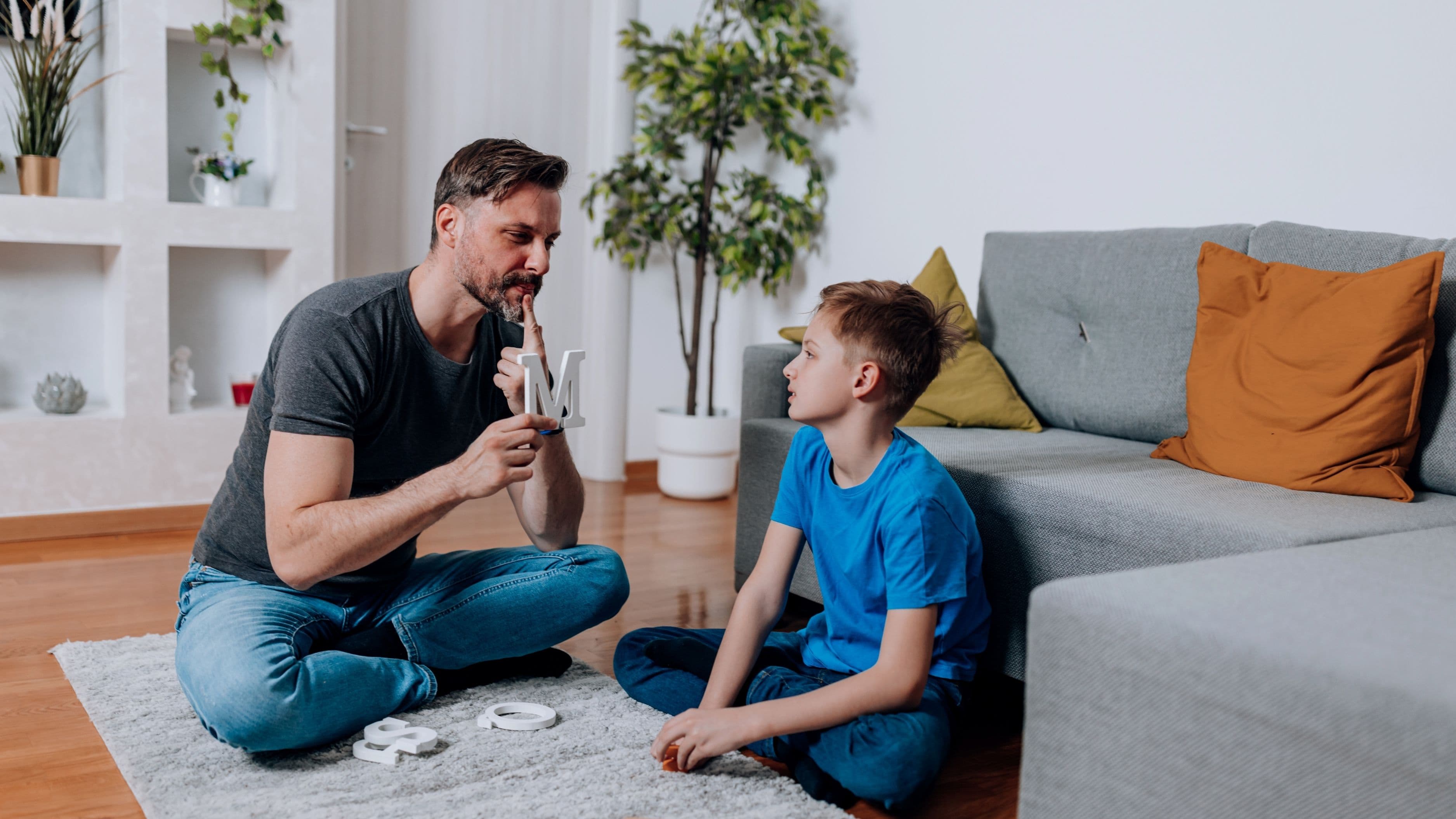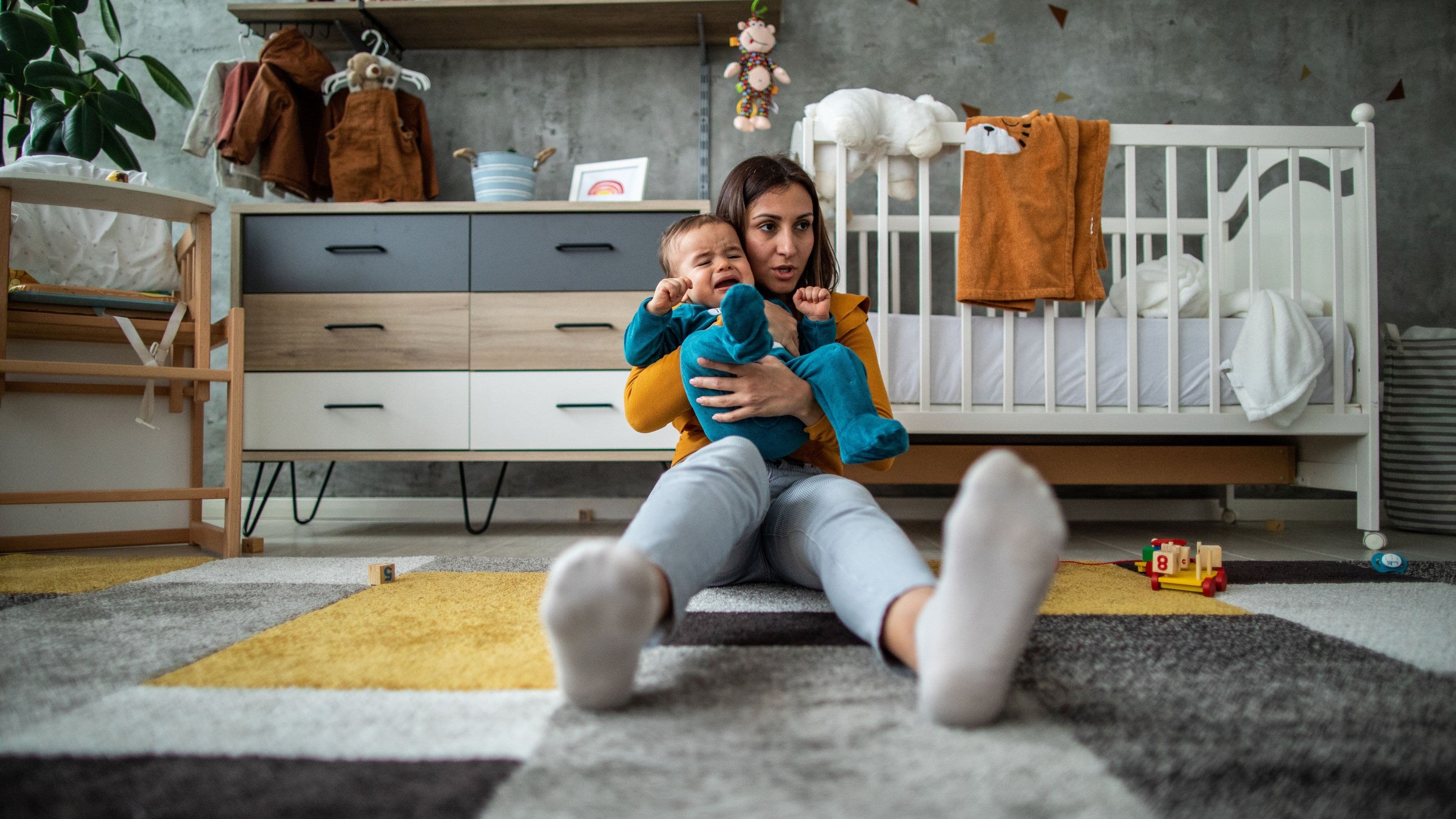
Family therapy is one of the most practical – and most underused – tools for working through exactly those moments. It's not about pointing fingers or uncovering old wounds for the sake of it. It's about helping the people who matter most to each other actually understand each other better, and finding new ways to move forward together.
What Family Therapy Actually Is
Family therapy is a form of psychotherapy that works with the family as a whole rather than with one person in isolation. A licensed therapist meets with family members – sometimes all together, sometimes in smaller groupings – to understand how the dynamics between people are shaping individual behavior and collective wellbeing.
The core idea behind family therapy is that people don't exist in a vacuum. The way we behave, communicate, and feel is deeply influenced by the relationships we're embedded in. When something is wrong in a family system – whether that's a conflict, a transition, a loss, or a pattern that's been passed down for generations – addressing it only at the individual level often misses the full picture. Family therapy zooms out to look at how everyone is connected and how the whole system can shift toward something healthier.
Sessions typically last 50–60 minutes and may happen weekly or bi-weekly depending on what the family needs. Some families attend for a few months during a specific challenge; others use it as an ongoing support over a longer period. There's no single timeline that fits everyone.
The Benefits of Family Therapy
It Creates a Space Where Everyone Gets to Be Heard
One of the quieter but most meaningful benefits of family therapy is simply the structure it provides for honest communication. In everyday life, conversations tend to get hijacked by whoever is most reactive, most persistent, or most emotionally activated in the moment. Important things go unsaid. The quieter members of a family often carry feelings that never get a proper hearing.
A skilled family therapist creates conditions where each person in the room has the space to speak and be genuinely listened to – including children, who are often the most affected by family stress but the least included in conversations about it. Over time, families learn to replicate that quality of listening outside the therapy room. That shift alone can change the texture of daily life at home.
It Helps You Understand the Patterns, Not Just the Problems
Most family conflict isn't really about what it appears to be about on the surface. The argument about the dishes, the tension around a teenager's grades, the friction between siblings – these are often expressions of something deeper: unmet needs, fear of being seen a certain way, old wounds that never fully healed, or roles that people have been playing for so long they've forgotten they chose them.
Family therapy helps everyone in the room step back and see the pattern rather than just responding to the latest incident. When a parent can see that their child's acting out is driven by anxiety rather than defiance, or when a spouse can recognize that their partner's silence is about shame rather than indifference, the response naturally changes. Understanding the pattern doesn't erase the difficulty, but it does open up new choices.
It Strengthens the Relationships That Matter Most
Research consistently shows that the quality of our close relationships is one of the strongest predictors of long-term wellbeing – for adults and children alike. Family therapy isn't only for families in crisis. It's also for families who want to invest in the health of their relationships proactively, the same way you'd invest in physical health before a problem becomes serious.
Couples who attend therapy before significant distress sets in, parents who want to navigate a major transition with more intention, siblings working through a complicated inheritance or caretaking situation – all of these are valid reasons to engage family therapy as a strengthening tool rather than a repair one. The benefit in these cases is often a deeper sense of closeness and mutual understanding that might otherwise take years to develop on its own.
It Gives Children a Healthier Template
Children absorb far more than adults realize. The way conflict is handled in a home, the way emotions are or aren't expressed, the unspoken rules about who matters and who has to stay quiet – all of this becomes part of a child's internal model for relationships. Family therapy, when children are involved, gives them the experience of seeing adults work through difficulty with honesty and care. That's a template they carry forward.
It also gives children a language for their own feelings. Many children who attend family therapy sessions – even briefly – report feeling less alone and more understood than they did before. Being included in the conversation about what's hard in the family, rather than being shielded from it, tends to reduce children's anxiety rather than increase it, particularly when the therapist is skilled at making sessions feel safe and age-appropriate.
It Reduces the Burden on Any One Person
When a family is struggling, there's often one person who ends up carrying the most weight – the one who manages everyone's feelings, who keeps the peace, who notices what's not being said. Family therapy distributes that load more evenly. As everyone develops greater awareness of their own role in the family system and their capacity to respond rather than react, the over-functioning person gets some relief, and the under-functioning person steps up in ways they couldn't before.
This redistribution doesn't happen overnight, but it does happen. And it tends to feel like a collective exhale – not just for the person who was carrying too much, but for everyone who sensed the imbalance and didn't know how to address it.
When to Consider Family Therapy
There's no single threshold that tells you it's "time" for family therapy. But there are some situations and patterns worth paying attention to.
When communication has broken down. If the same conversations keep ending in the same unresolved tension – if talking things through has started to feel pointless or too painful to attempt – that's a meaningful sign. Not because the relationship is failing, but because the tools you've been using need updating.
During or after a major transition. Divorce, remarriage, a move, a new baby, a serious illness, a death in the family, a child leaving home – these transitions are significant even when they're expected. Family therapy during a transition doesn't mean something is wrong; it means you're taking the change seriously enough to navigate it well together.
When a family member is struggling individually. If a child is experiencing anxiety, depression, behavioral challenges, or an eating disorder, individual therapy is often part of the picture – but family therapy is frequently recommended alongside it. The family environment is part of what shapes and sustains a child's wellbeing, and therapists know that treating the child in isolation while leaving the surrounding system unchanged has limited reach.
When there's been a breach of trust. Affairs, addiction, secrets that have come to light, or significant betrayals within a family system all create ruptures that are hard to repair without help. Family therapy doesn't guarantee healing, but it creates a structured container in which healing becomes possible. Without that structure, many families either avoid the conversation entirely or have it in ways that deepen the wound rather than closing it.
When you simply want to do better. This one is worth naming clearly: you don't need to be in crisis to benefit from family therapy. Wanting a closer relationship with your teenager, wanting to communicate better with your partner before resentment builds, wanting to handle the complexity of a blended family with more grace – these are all worthy reasons to seek support. Therapy as prevention rather than intervention is an idea whose time has come.
What to Expect When You Start
Starting family therapy can feel vulnerable, particularly if the idea was suggested rather than chosen by everyone involved. It's normal for some family members to approach it with skepticism or reluctance. A good family therapist will work with that resistance rather than against it, often by making the first session more about listening and understanding than about diving into difficult content right away.
Progress in family therapy tends to be gradual and non-linear. There will be sessions that feel deeply productive and sessions that feel stuck. That's part of the process. The goal isn't a perfect family – it's a family that can handle difficulty with more awareness, more honesty, and more care for each other than before.
Finding the right therapist matters. Look for a licensed marriage and family therapist (LMFT) or a clinical psychologist with specific training in family systems approaches. The fit between the therapist and your family's particular dynamics is as important as credentials. Most therapists offer a brief initial consultation, which is a good opportunity to gauge whether the relationship feels right before committing to ongoing sessions.
A Gentle Note on Asking for Help
There's still a quiet hesitation in many families around seeking therapy – a feeling that it signals failure, or that problems should be handled privately within the home. That hesitation is understandable, but it's worth gently questioning. Asking for help when something is genuinely hard is not a sign of a family falling apart. It's a sign of a family that cares enough to try.
The families that tend to fare best over time are not the ones without difficulty – they're the ones who have learned how to move through difficulty without it becoming permanent distance. Family therapy is one of the most effective ways to develop exactly that capacity.
FAQ
Does everyone in the family have to attend? Not always, though having the key people involved is generally more effective. A therapist will often work with whoever is willing to come and adapt the approach accordingly. Even partial participation can shift a family dynamic meaningfully.
How long does family therapy typically last? It varies widely. Some families complete a meaningful course of work in 8–12 sessions. Others attend for several months or longer, particularly when the issues are complex or layered. Your therapist will discuss a general timeline as you move through the process.
What if family members disagree about whether to go? This is common. One option is for the willing members to begin without everyone present – sometimes seeing a positive change in family members who attend is what brings reluctant members in. A therapist can also speak individually with a hesitant family member to address their specific concerns before the first joint session.
Is family therapy the same as couples therapy? They overlap but are distinct. Couples therapy focuses specifically on the relationship between two partners. Family therapy addresses the broader family system, which may or may not include the couple relationship as one element. Some therapists specialize in both.
What if one family member is resistant to the process? Resistance is normal and doesn't disqualify someone from benefiting. A skilled family therapist knows how to work with reluctance – often by making sure the resistant person feels genuinely heard rather than positioned as the problem.
How do I find a qualified family therapist? The American Association for Marriage and Family Therapy (AAMFT) has a therapist locator tool on their website. You can also ask your primary care physician for a referral or check with your insurance provider for covered therapists in your area.
📚 Sources
American Association for Marriage and Family Therapy – About Family Therapy: https://www.aamft.org/Families/Family_Therapy.aspx
American Psychological Association – What Is Family Therapy?: https://www.apa.org/topics/psychotherapy/family-therapy
National Institute of Mental Health – Psychotherapies Overview: https://www.nimh.nih.gov/health/topics/psychotherapies
Harvard Health Publishing – The Case for Couples and Family Therapy: https://www.health.harvard.edu/mind-and-mood/the-case-for-couples-therapy
Mayo Clinic – Family Therapy: What You Can Expect: https://www.mayoclinic.org/tests-procedures/family-therapy/about/pac-20385237