Why Shared Reading Matters More Than It Seems
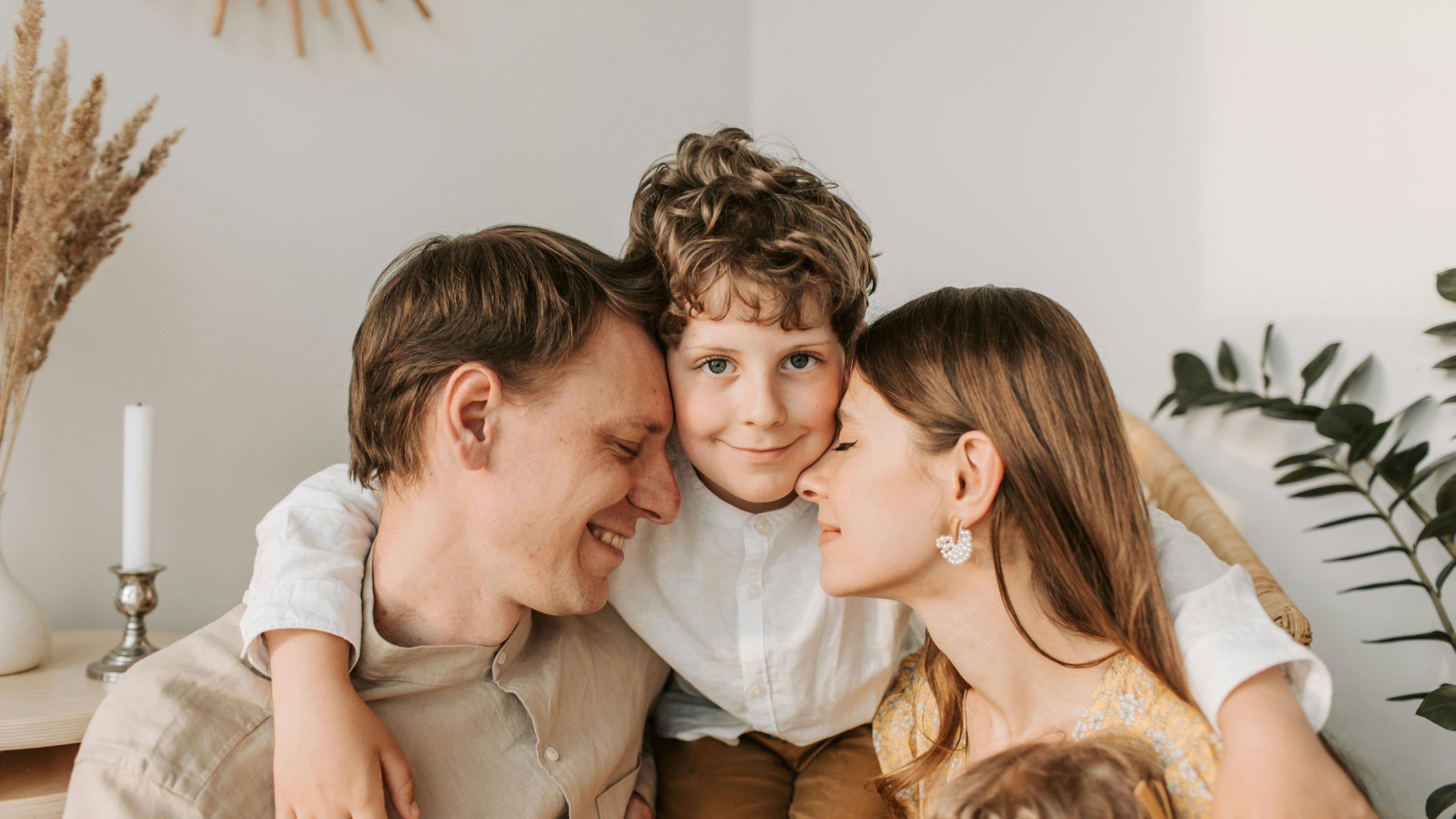
When a family reads together consistently, it creates a kind of anchor point in the week – a predictable moment of closeness that doesn't depend on a special occasion or a particular mood. Over time, this becomes less about the specific book and more about the ritual itself: the signal that says this is our time together, regardless of what else is happening that day.
This matters because connection built through small, repeated rituals tends to be more durable than connection built through occasional big gestures. A weekly reading habit says something steady and reliable, which is often exactly what both kids and adults need in busy, unpredictable stretches of life.
The Emotional Development Piece
Stories give children – and honestly, adults too – a low-stakes way to encounter difficult emotions, moral complexity, and situations they haven't personally experienced yet. Reading about a character who's scared, disappointed, or facing an unfair situation gives kids language and context for their own feelings before they have to navigate something similar themselves.
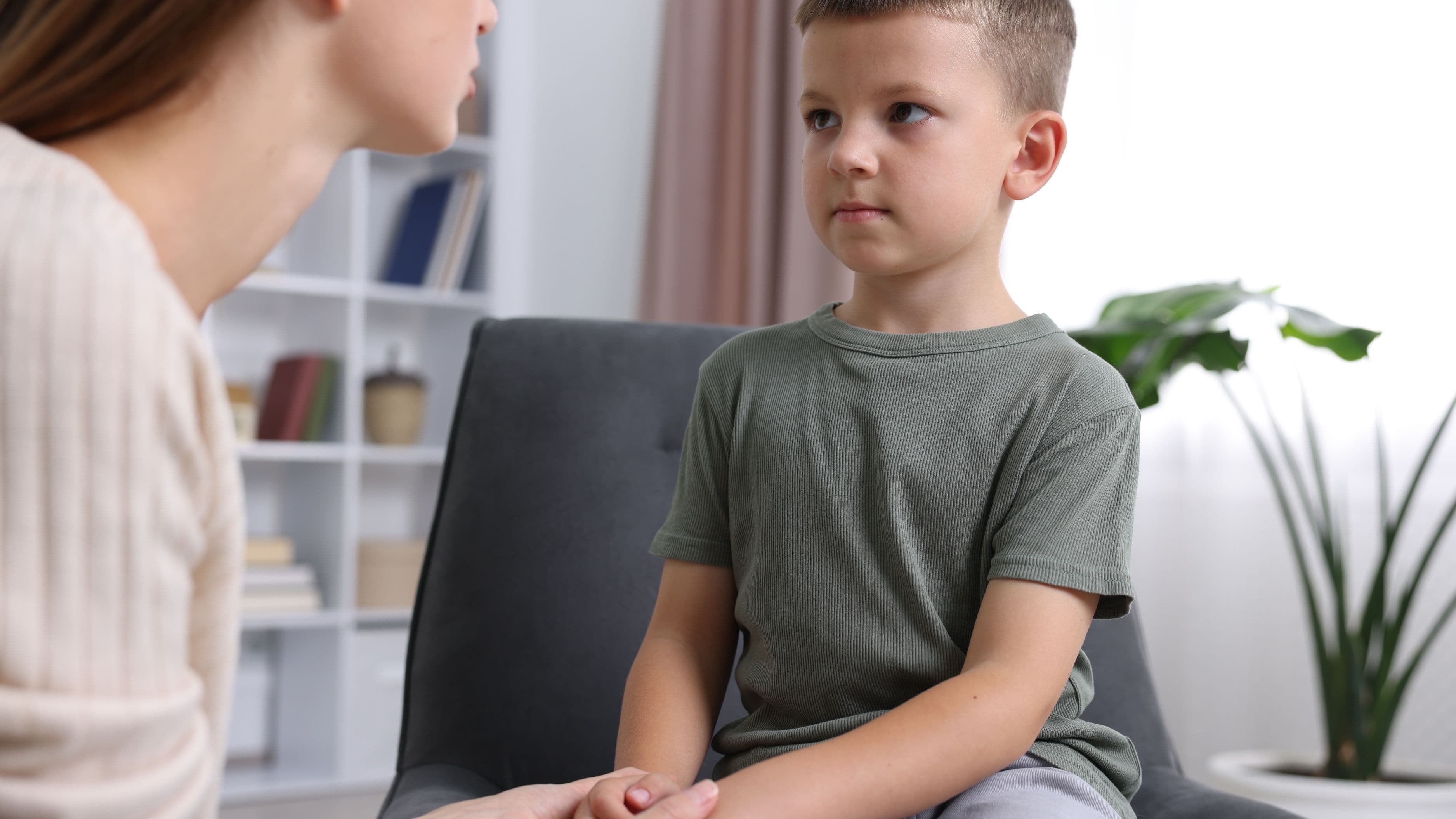
Talking about a story afterward, even briefly, extends this benefit further. Asking a child how they think a character felt, or what they would have done differently, builds emotional vocabulary in a way that feels like conversation rather than a lesson.
Building Vocabulary and Comprehension Over Years
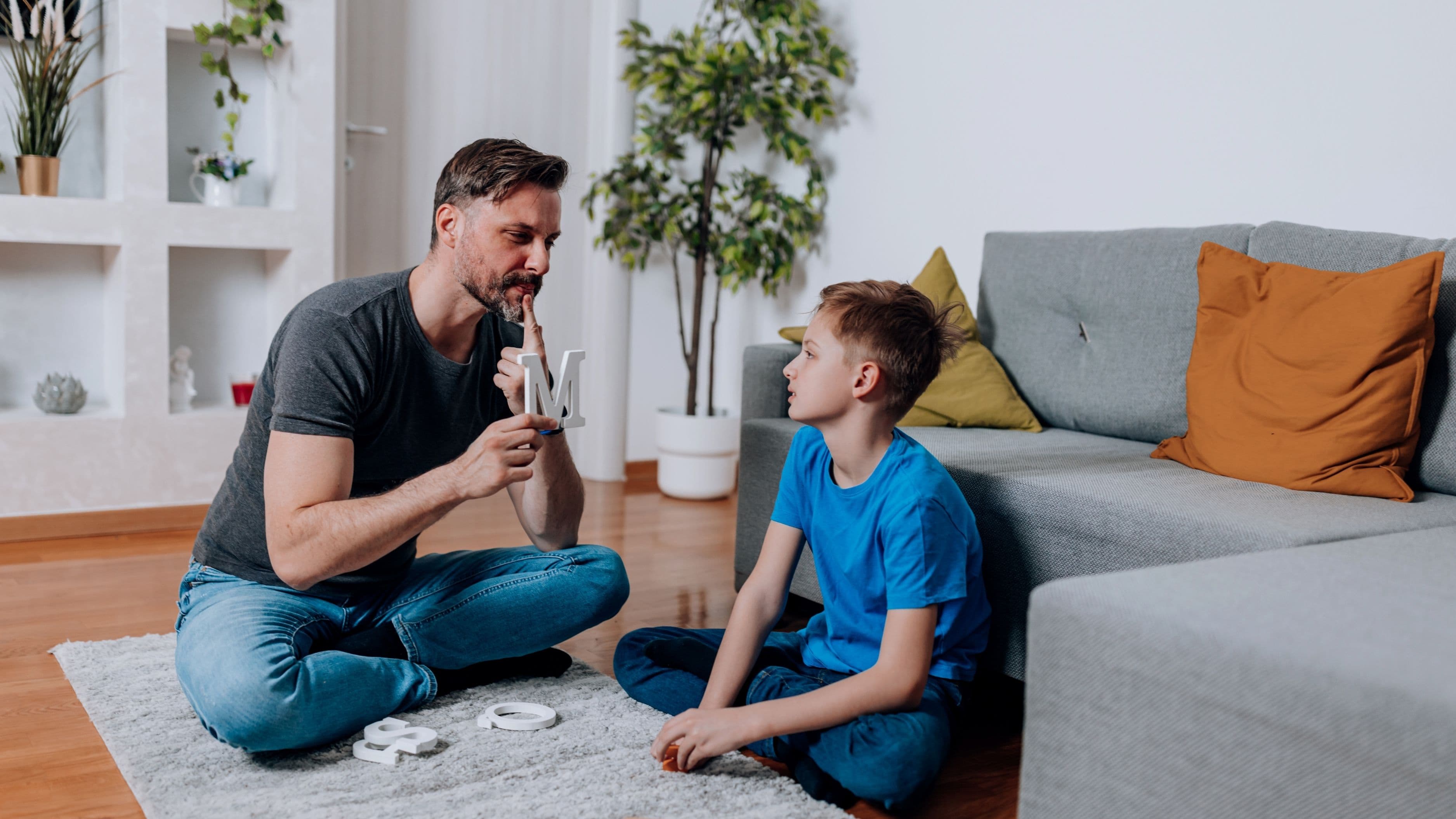
The vocabulary gap between children who are read to regularly and those who aren't tends to compound over years rather than showing up immediately. Books, particularly ones slightly above a child's independent reading level, introduce words and sentence structures that everyday conversation simply doesn't include as often. Read consistently over years, this builds a foundation that shows up later in comprehension, writing, and even how comfortably a child engages with more complex material at school.
Creating a Shared Family Language
Families who read together often develop inside references – a phrase from a favorite book, a character's name that becomes shorthand for a certain personality trait, a joke that only makes sense because everyone read the same story. This shared language becomes part of what makes a family feel like its own small culture, distinct from any other family's. It's a subtle benefit, but it's one that often surfaces years later in unexpected, warm ways.
Modeling a Lifelong Habit
Children are far more likely to become readers themselves when they consistently see the adults around them engaged with books, not just told that reading matters. A family reading habit does double duty here: it directly builds a child's own relationship with reading, while also modeling that this is simply something people in this family do, without needing to make it a lecture.
How to Apply This Without It Becoming a Chore
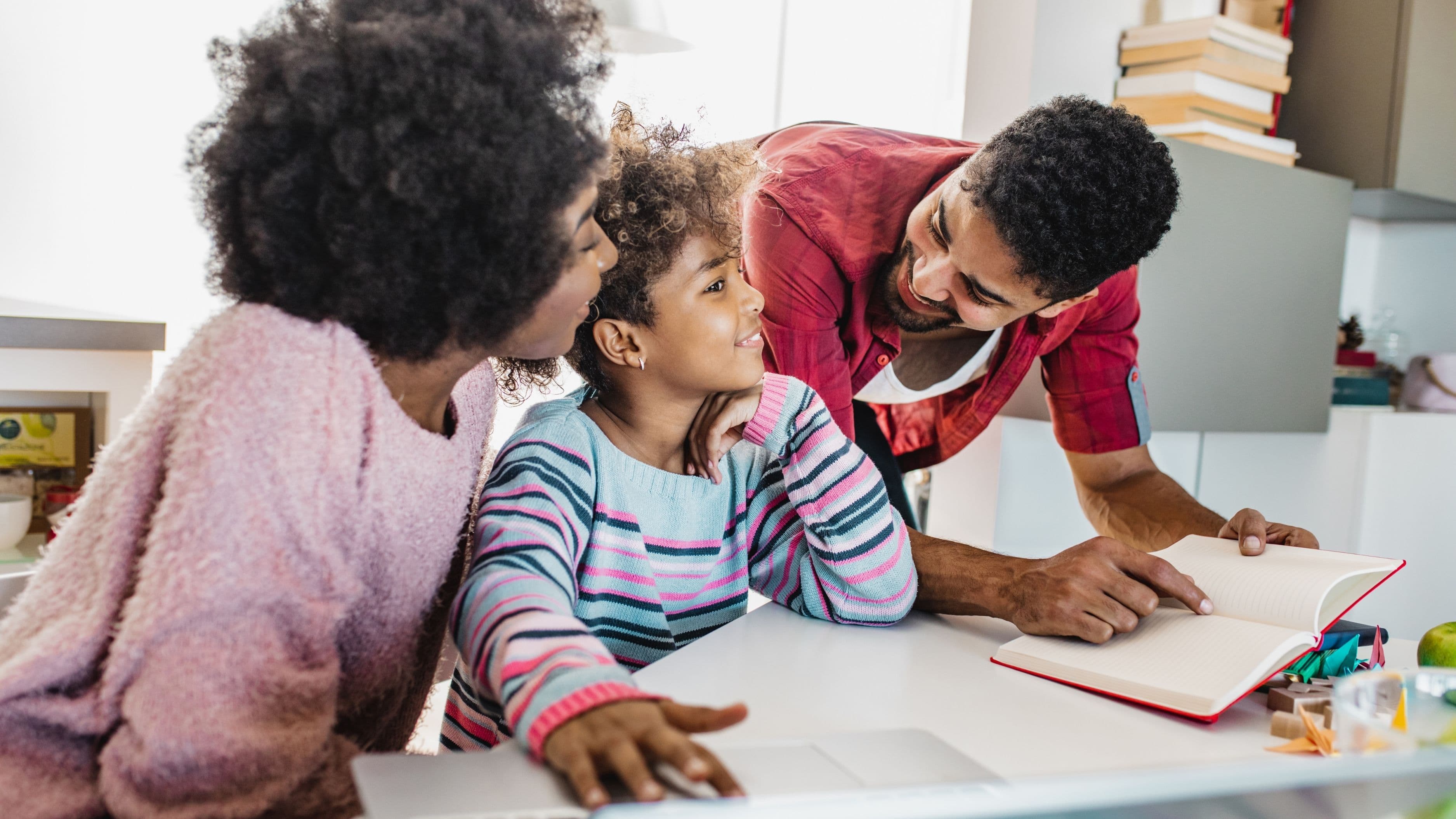
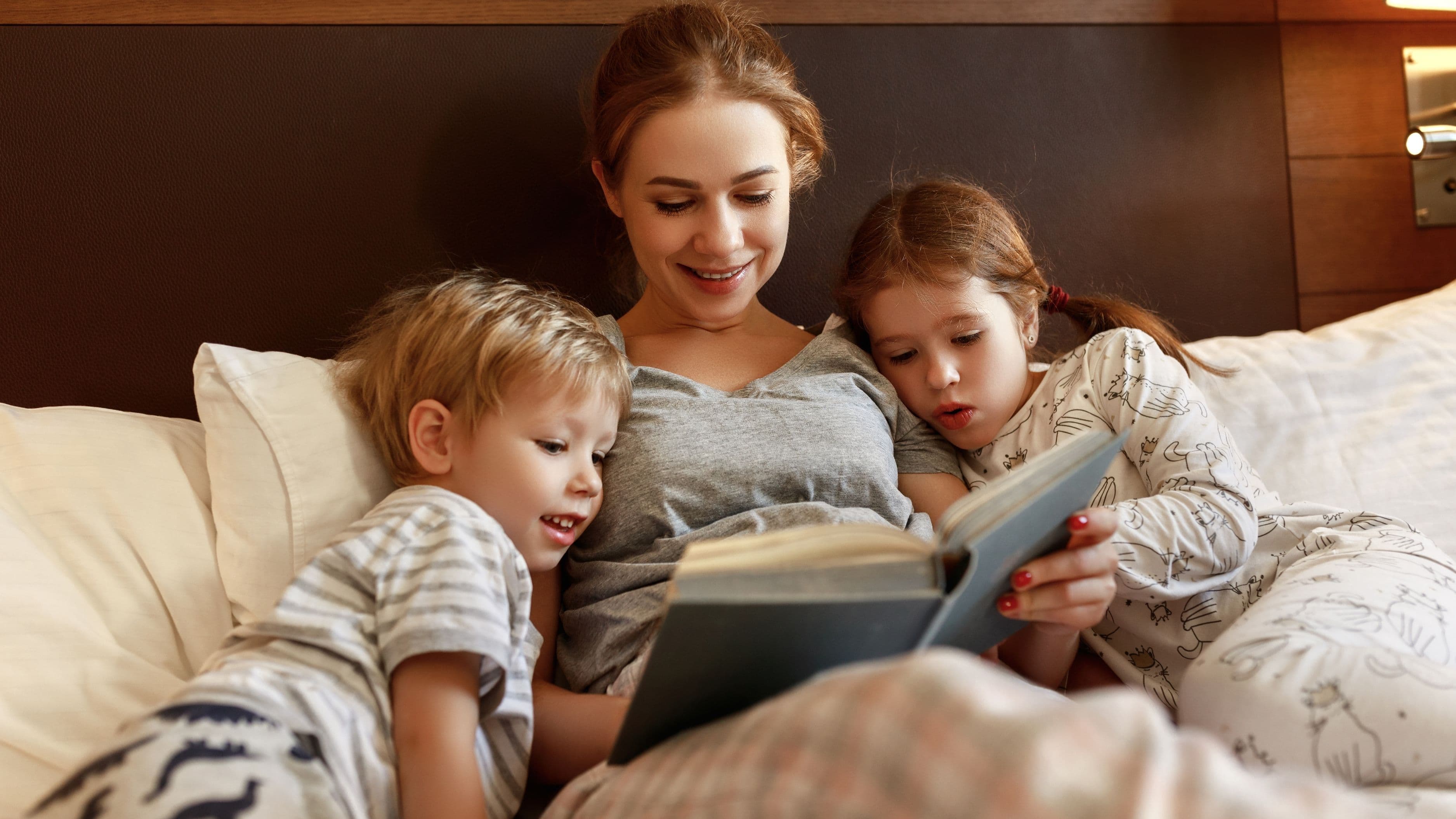
Start small and protect consistency over ambition. A shared ten minutes most nights matters more than an occasional hour-long reading session that's hard to sustain. Let the format flex with your family's actual life – bedtime stories for younger kids, a shared audiobook on a car ride, or independent reading time in the same room for older kids and teens who don't want to be read to anymore.
Let kids have real input into what you're reading together when possible. A reluctant reader is far more likely to stay engaged with a story they actually chose or helped choose, even if it's not what you would have picked yourself.
Realistic Expectations
This isn't a habit that transforms a family overnight, and it won't turn every child into an avid independent reader regardless of how consistently you do it – temperament and individual interest matter too. What it reliably does, over months and years, is build a specific kind of closeness and shared reference point that's harder to create through other means, along with the genuine cognitive and emotional benefits that come with sustained reading exposure.
What to Avoid
Avoid turning reading time into a testing ground – constantly quizzing a child on vocabulary or comprehension during a shared reading session shifts the experience from connection to performance, and kids pick up on that shift quickly. Also avoid rigid consistency for its own sake; missing a night here and there isn't a failure, and treating it that way adds pressure that undermines the whole point.
Don't force a book a child clearly isn't connecting with purely because you've already started it. Being willing to set something aside and pick a different story keeps the experience feeling like a shared choice rather than an obligation.
FAQ
What age should families start reading together? There's no wrong age to start, though many families begin during infancy with picture books and continue the habit in different forms as children grow into independent readers and even teens.
Does it still count if my teenager doesn't want to be read to anymore? Yes. Shared reading can shift into reading the same book independently and discussing it, or listening to an audiobook together, rather than one person reading aloud.
How long should a family reading session be? Even ten to fifteen minutes consistently matters more than length. Focus on regularity rather than duration.
Reading together as a family builds something that's genuinely hard to see day to day but becomes clear looking back years later – a habit of closeness, shared language, and emotional connection built one small, repeated moment at a time.
📚 Sources
American Academy of Pediatrics: Reading Aloud to Children – https://www.healthychildren.org/English/ages-stages/baby/Pages/Reading-Aloud-to-Your-Baby.aspx
Reach Out and Read: The Case for Reading Aloud – https://www.reachoutandread.org/
Scholastic: Kids and Family Reading Report – https://www.scholastic.com/site/kids-and-family-reading-report.html