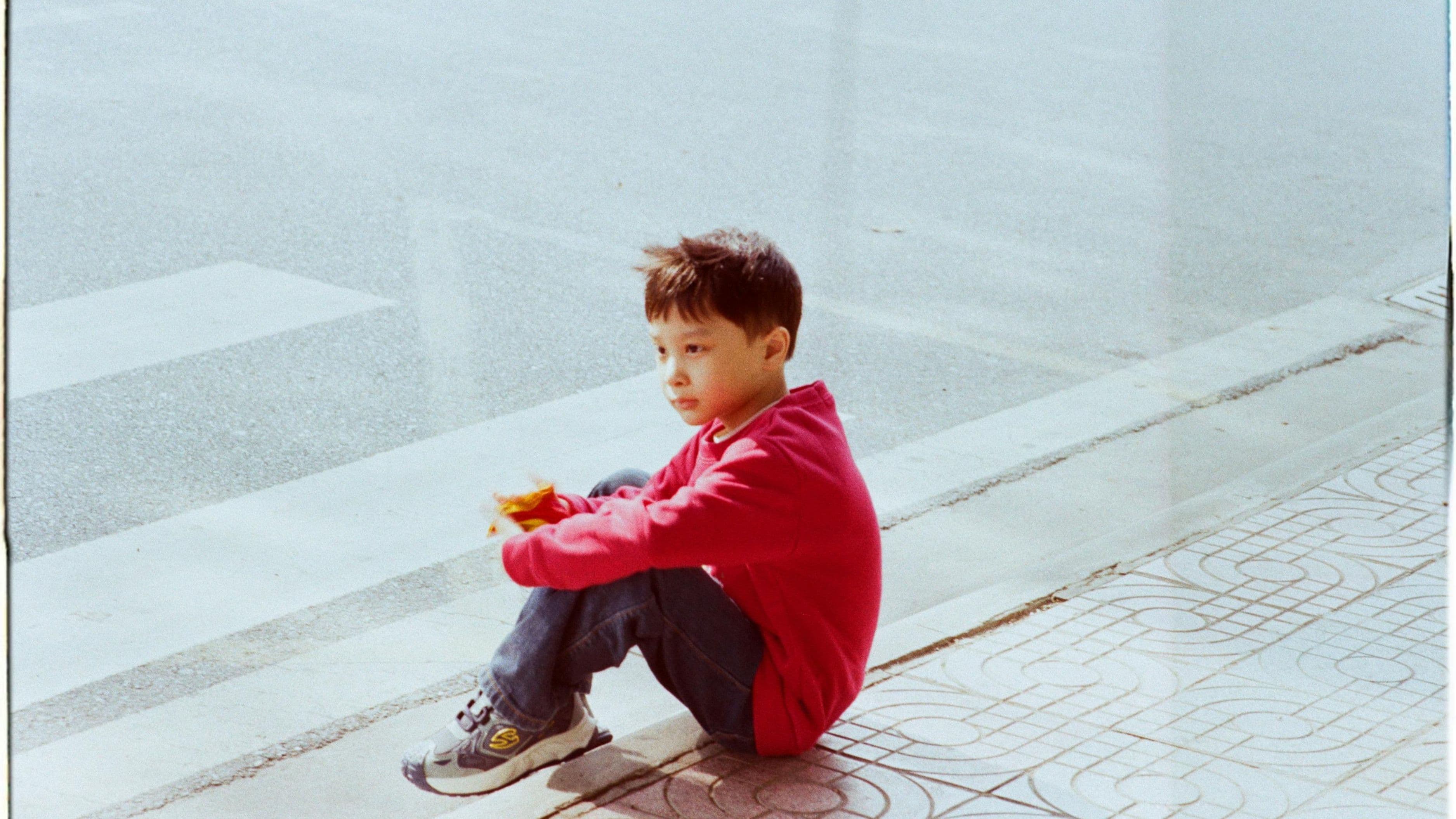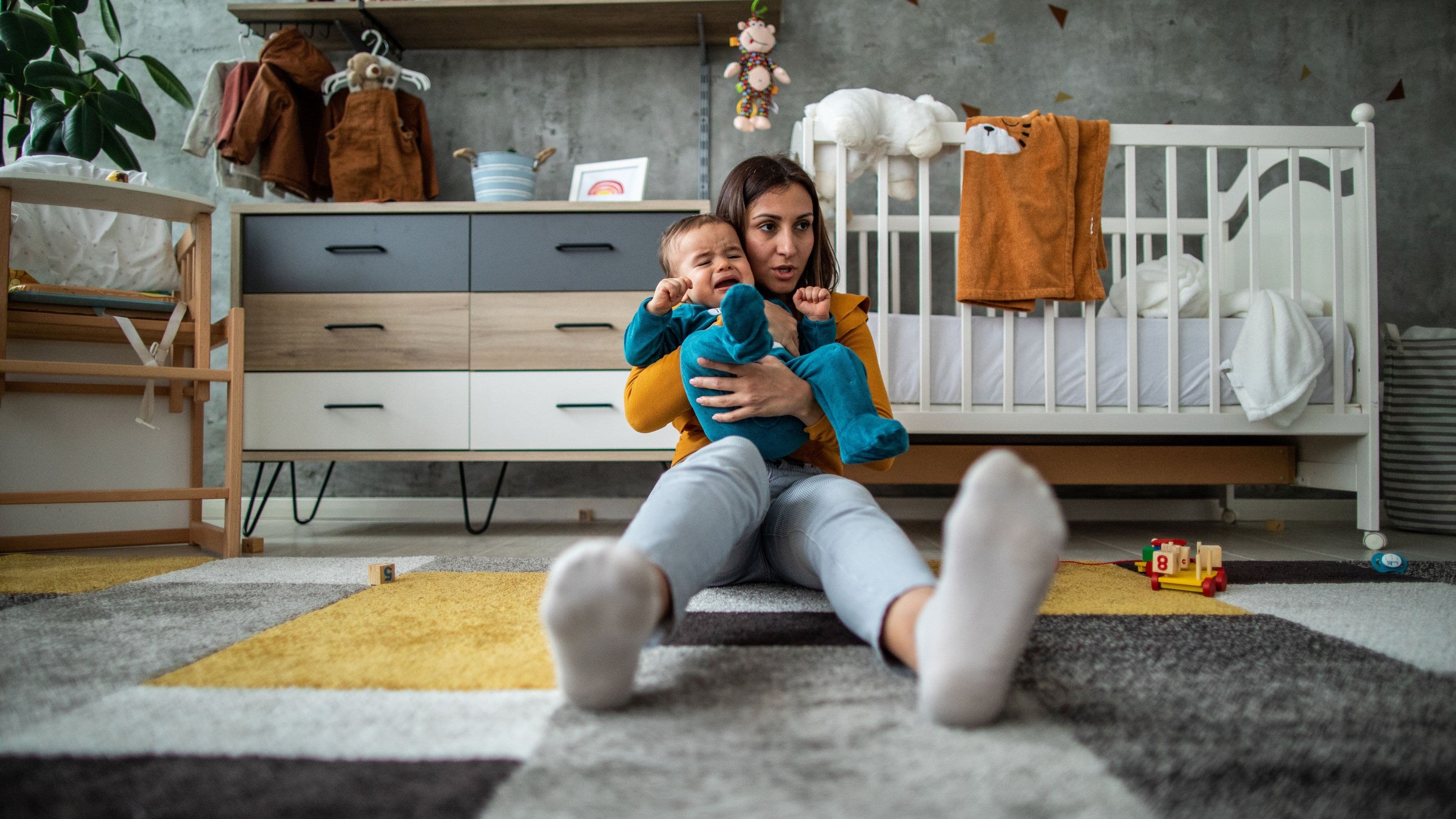
This isn't about eliminating the stress of transition entirely, some of that is a normal part of change. It's about giving your family the tools to move through it with a bit more steadiness.
Name What's Actually Changing
Kids, especially younger ones, sometimes struggle with anxiety around back-to-school not because of one big thing, but because so many small things are shifting at once, new classroom, new schedule, sometimes new friends or teachers. Sitting down together and naming these changes out loud, rather than letting them stay vague and looming, tends to reduce anxiety more than most parents expect.
You might ask your child directly what feels exciting and what feels nerve-wracking about the year ahead. Giving both feelings room to exist, without rushing to fix the nervous parts, helps kids feel heard rather than dismissed.
Rebuild Routine Gradually, Not All at Once
Jumping straight from a loose summer schedule to a full school-year routine on day one is a lot to absorb. Shifting bedtimes, wake times, and meal timing gradually over the final one to two weeks of summer gives everyone's internal clock time to adjust before the actual first day arrives.
This gradual approach reduces the shock of the transition and tends to result in smoother mornings once school actually starts, since the adjustment period happens before the pressure of an actual school day is added on top.
Validate Anxiety Without Amplifying It
It's natural for kids to feel some nervousness about a new grade, a new teacher, or new social dynamics. The way you respond to that nervousness matters. Acknowledging the feeling directly, "it makes sense to feel a little nervous about something new," tends to land better than reassurance that dismisses the concern, like insisting everything will definitely be fine.
At the same time, be mindful of your own anxiety as a parent. Kids are perceptive, and if you're visibly stressed about the transition, they often absorb that energy even when you haven't said anything directly.
Create Small Rituals Around the Transition
Rituals give the mind something concrete to hold onto during periods of change. This could be as simple as a special breakfast on the first day, a shared walk to school, or a short conversation each evening about one good thing and one hard thing from the day. These small, repeatable moments create a sense of continuity that helps offset the unpredictability of a new routine.
The specific ritual matters less than its consistency. Kids tend to find comfort in knowing something will happen the same way, even amid a lot of other change.
Reconnect Before the Rush Begins
The final days before school starts are often consumed by logistics, supply shopping, paperwork, schedule coordination. It's worth carving out at least one moment of unhurried connection before the pace picks up, whether that's a low-key outing or simply an evening without an agenda.
This kind of connection isn't about doing something elaborate. It's about being present together before the calendar fills back up, which tends to leave kids feeling more emotionally resourced heading into the transition.
Watch for Signs That Anxiety Is Bigger Than Typical Nerves
Some nervousness before a new school year is expected and usually fades within the first week or two. If you notice persistent sleep disruption, physical complaints like stomachaches with no clear cause, or ongoing reluctance to talk about school that doesn't ease as the year begins, it may be worth a conversation with your child's school counselor or pediatrician.
This isn't meant to cause alarm, most transitions settle into a new normal fairly quickly. It's simply worth paying attention to whether nervousness is easing over time or staying stuck.
Model Steady Emotional Regulation Yourself
Kids take a lot of emotional cues from the adults around them. If mornings are chaotic and rushed, or if conversations about the school year are laced with your own stress about logistics, that tone tends to transfer. Taking a few deliberate breaths before a hectic morning, or simply naming your own feelings honestly, "I'm a little stressed about the schedule change too," models healthy emotional processing rather than suppression.
This doesn't mean hiding all stress from your kids. It means showing them what it looks like to feel something and move through it, rather than either exploding or pretending it isn't there.
What to Avoid
Avoid overloading the final days before school with too much logistics at once, spreading tasks like supply shopping and schedule planning across a couple of weeks reduces last-minute pressure on everyone. Resist minimizing your child's nervousness with quick reassurances that skip past the feeling itself. Don't compare your child's adjustment pace to a sibling's or another family's, every child settles into transition differently. And be cautious about projecting your own anxiety about the school year onto conversations meant to support your child.
FAQ
How early should we start preparing emotionally for back-to-school? About two to three weeks out tends to work well, enough time to shift routines gradually without dragging the transition out too long.
What if my child says they don't want to talk about school at all? Respect that boundary while leaving the door open. Sometimes a casual conversation during a shared activity, rather than a direct sit-down talk, feels less pressured for a reluctant child.
Is some anxiety before school actually normal? Yes, mild nervousness before a new year is common and usually resolves within the first couple of weeks as routine sets back in.
The Bottom Line
Emotional preparation for back-to-school doesn't require a perfect plan, just a willingness to name what's changing, rebuild routine gradually, and stay present with your kids through the uncertainty. A little intentionality in these final weeks can make the actual first day feel far less overwhelming for the whole family.
📚 Sources
American Psychological Association – Helping Children Cope With Change – apa.org
Child Mind Institute – Back-to-School Anxiety – childmind.org
National Sleep Foundation – Adjusting Children's Sleep Schedules – sleepfoundation.org