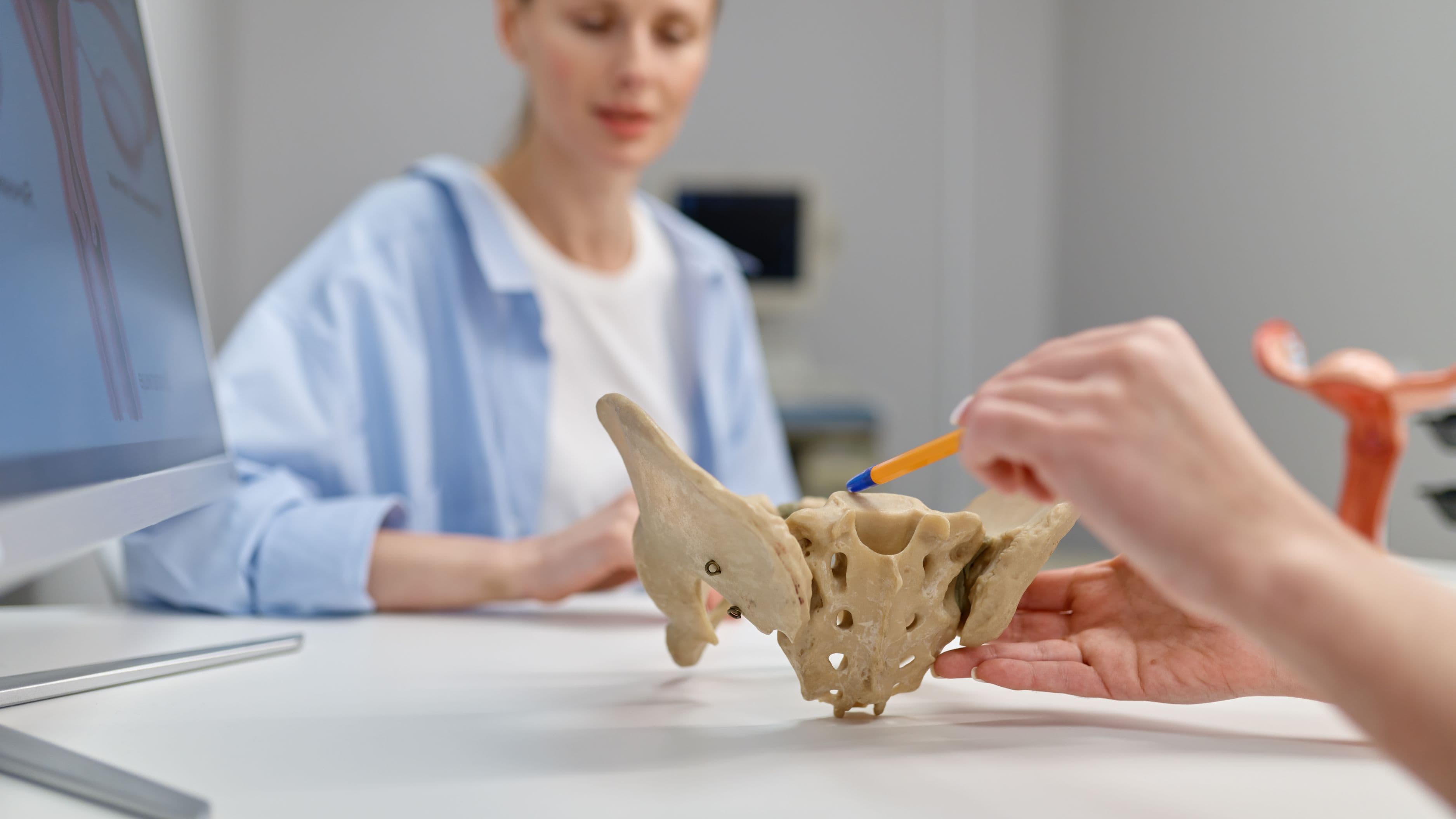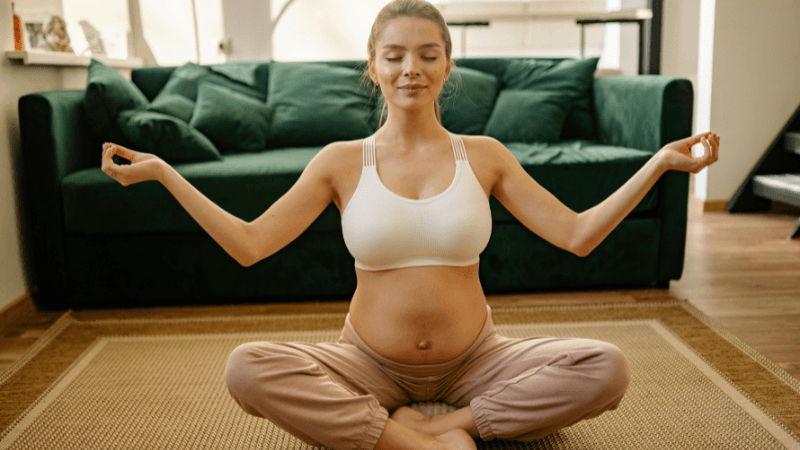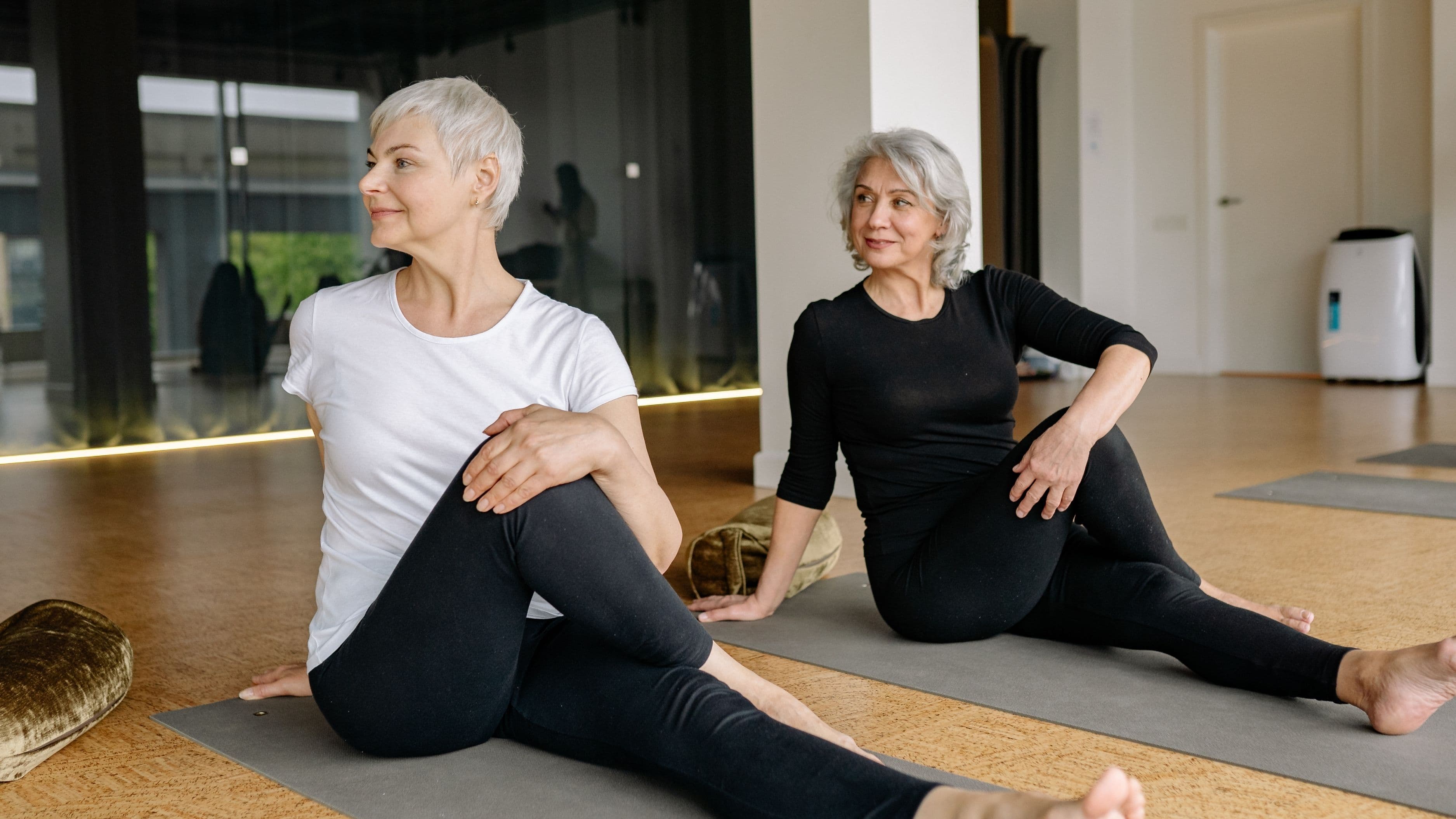
This guide covers the most effective types of movement for women over 40, why they matter, how to start, and how to build something sustainable – without overwhelming your body, your schedule, or your sense of self.
Why Exercise Shifts After 40
Starting around your late 30s and accelerating through your 40s, a few significant changes happen in the body. Estrogen begins its gradual decline, which affects bone density, muscle retention, metabolism, sleep quality, and even mood. Muscle mass naturally decreases at a rate of roughly 3–5% per decade after 30 if left unaddressed. Cortisol – the stress hormone – tends to run higher as hormonal balance shifts, which means recovery takes longer and high-intensity exercise that once felt energizing can sometimes leave you depleted instead.
None of this means you should exercise less. It means you should exercise smarter. The goal shifts away from purely aesthetic outcomes and toward strength, longevity, hormonal balance, and the kind of energy that carries you through a full, meaningful life.
Strength Training: The Most Important Investment You Can Make
If there's one category of exercise that research consistently points to as the highest priority for women over 40, it's strength training. Not because it builds a certain look, but because it directly counteracts the two most significant physiological changes of this decade: muscle loss and declining bone density.
Resistance training stimulates bone remodeling – essentially, it signals your bones to maintain and even increase density by placing controlled stress on the skeletal system. This is one of the most effective tools available for reducing the long-term risk of osteoporosis, which affects women disproportionately after menopause. At the same time, building and maintaining lean muscle mass supports metabolism, improves insulin sensitivity, stabilizes blood sugar, and makes everyday physical tasks easier and less taxing on your joints.
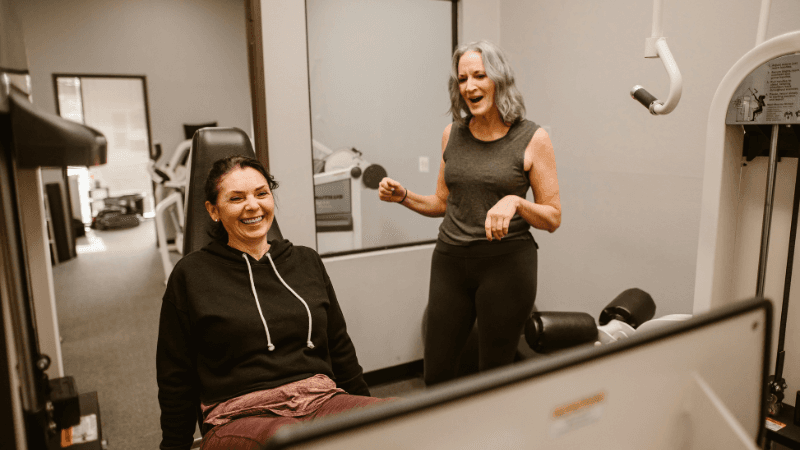
You don't need to lift heavy weights or follow a complicated program to start. Two to three sessions per week using bodyweight exercises, resistance bands, dumbbells, or machines is enough to create meaningful change. Focus on compound movements – exercises that work multiple muscle groups at once – like squats, deadlifts, rows, presses, and lunges. These give you the most return on your time and effort, and they translate directly to the movements your body makes in real life.
A gentle starting point: Three sets of 8–12 repetitions of each exercise, two to three days per week, with at least one rest day between sessions. Start with a weight or resistance level that feels challenging by the last few reps but doesn't compromise your form. Consistency over intensity is the principle that will carry you furthest here.
Walking: Underestimated and Genuinely Powerful
Walking tends to get dismissed as "not really exercise," and that's a mistake. For women over 40, regular walking is one of the most evidence-backed forms of movement available – and it comes without the recovery demands of high-intensity training or the injury risk of high-impact cardio.
Daily walking supports cardiovascular health, helps regulate cortisol, improves mood through the release of endorphins, aids digestion, and supports the kind of low-level metabolic activity that becomes increasingly important as metabolism naturally shifts. Research has consistently shown that people who walk regularly – even just 30 minutes a day – experience meaningfully better outcomes across a wide range of health markers, from blood pressure to mental well-being.
Walking outdoors adds an additional layer of benefit. Natural light exposure during a morning walk helps regulate your circadian rhythm, which supports better sleep – something that becomes more elusive for many women during perimenopause. The combination of gentle movement, fresh air, and a change of environment also makes walking one of the most effective stress-management tools available without requiring any equipment, memberships, or recovery time.
How to build it in: Start with 20–30 minutes most days of the week. A walk after dinner is particularly effective for blood sugar regulation. If your schedule feels tight, two shorter walks can be just as useful as one longer one. The threshold for benefit here is lower than most people think.
Yoga and Mobility Work: The Foundation Everything Else Rests On
As connective tissue loses some of its elasticity with age, flexibility and joint mobility become less something you maintain passively and more something you actively cultivate. Yoga, Pilates, and dedicated mobility work address this directly – and the benefits extend well beyond simply being able to touch your toes.
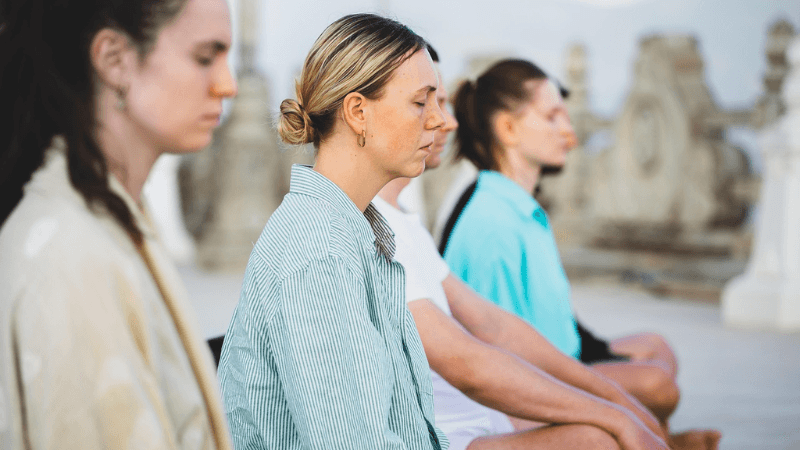
Regular yoga practice has been shown to reduce cortisol, improve sleep quality, alleviate lower back pain, support balance and coordination, and provide a consistent space for the kind of mindful rest that the nervous system genuinely needs. For women navigating the hormonal shifts of perimenopause, this nervous system regulation piece is particularly valuable. Practices that emphasize slow, conscious movement and breath – yin yoga, restorative yoga, gentle Hatha – are especially effective for calming the stress response.
Pilates deserves its own mention here. It emphasizes deep core strength, spinal alignment, and controlled movement in ways that complement strength training beautifully. Women who combine Pilates with resistance work often find they move more efficiently and experience fewer aches in daily life, because the stabilizing muscles that support the spine and joints become more capable over time.
Getting started: Even two 20–30 minute sessions per week will create noticeable improvement in how your body feels within a month.
YouTube offers excellent free beginner yoga and mobility classes. You don't need to attend a studio or practice for an hour to benefit – consistency and gentleness matter more than duration here.
Swimming and Low-Impact Cardio: Kind to the Body, Hard on Calories
For women over 40 who love cardio but find high-impact activities like running hard on the joints, swimming, cycling, rowing, and elliptical training offer a way to get meaningful cardiovascular work without the repetitive stress that can cause injury over time. This matters more than it might seem – joint health and injury prevention become significant factors in whether a fitness routine stays consistent for years or keeps getting interrupted.
Swimming in particular is exceptional for this stage of life. It works the entire body, challenges the cardiovascular system, requires constant stabilization that builds functional strength, and places almost zero compressive load on the joints. Many women find it deeply calming as well – there's something about the rhythm of swimming laps and the muffled quiet of being underwater that feels genuinely meditative.
Cycling, whether outdoor or on a stationary bike, is similarly joint-friendly and highly effective for cardiovascular health, leg strength, and mood. The resistance element of cycling also provides a degree of bone loading, which is a benefit that pure swimming doesn't offer.
How much cardio is useful? The general guidance from major health organizations points to around 150 minutes of moderate-intensity cardio per week as a baseline for meaningful cardiovascular health. That works out to five 30-minute sessions, or three slightly longer ones – an entirely manageable target when broken into activities you actually enjoy.
Balance and Stability: Often Skipped, Always Worth It
Balance training rarely makes it into fitness conversations because it's not glamorous and the benefits aren't immediately visible. But for women over 40, it's one of the most practical investments you can make in your long-term physical independence.
Balance begins to subtly decline from your 30s onward as proprioception – your body's ability to sense its own position in space – gradually shifts. This affects everything from how steady you feel during exercise to how you navigate uneven terrain. Falls become a more significant risk as decades pass, and the foundation you build now directly shapes your physical capability in your 60s and 70s.
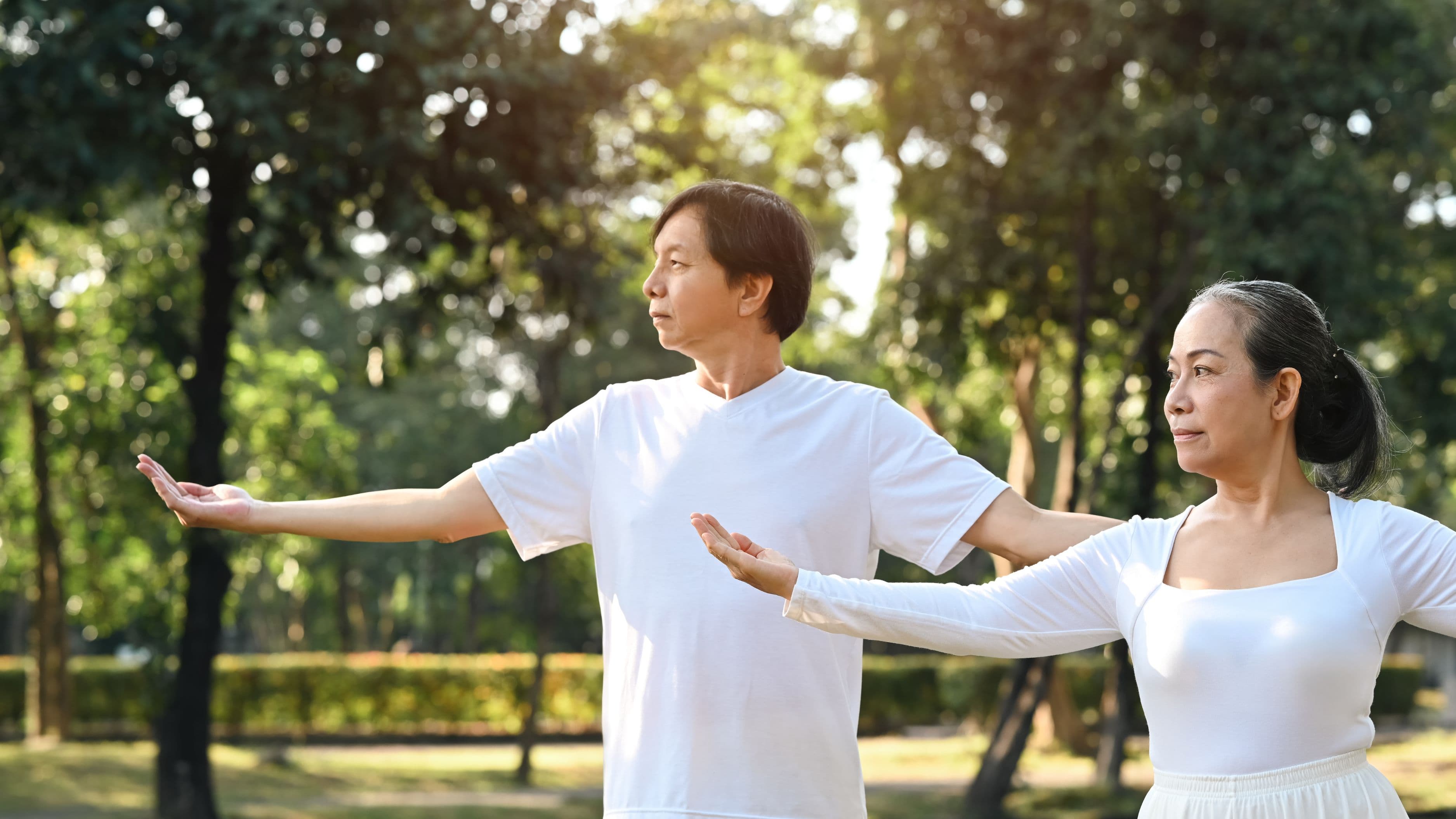
Balance work doesn't require specialized equipment or a lot of time. Single-leg exercises like single-leg deadlifts, step-ups, and lunges naturally challenge stability. Standing on one foot while you brush your teeth, using a balance board during TV time, or incorporating yoga poses that emphasize balance – tree pose, warrior III, half-moon – all contribute meaningfully to this foundation. Tai chi is also worth exploring if you're drawn to a more meditative form of movement; research consistently shows it to be one of the most effective practices for improving balance and reducing fall risk in adults.
What to Be Gentle About
A few common patterns tend to undermine fitness routines for women in this age group, and they're worth naming honestly.
Doing too much too soon – especially with high-intensity training – can backfire when cortisol is already running high. Chronic overtraining without adequate recovery doesn't just plateau your results; it can worsen sleep, mood, and hormonal balance. If your training leaves you consistently exhausted rather than energized, that's a signal to dial back the intensity and add more recovery, not push through.
Skipping rest days in the belief that more is always better is one of the most common mistakes at any age, but it has more immediate consequences after 40. Muscle is built during recovery, not during training – and your body needs that time. Two to three strength sessions per week with genuine rest or gentle movement in between is more effective than five or six sessions that leave you too fatigued to perform well.
Ignoring protein intake is another gap that often goes unaddressed. Building and maintaining muscle after 40 requires adequate protein – most research suggests somewhere between 1.2–1.6 grams per kilogram of body weight per day for active women. Exercise creates the stimulus for muscle growth, but nutrition provides the raw material.
Building a Weekly Routine That Actually Works
You don't need a complex program. A simple, consistent week might look like this:
Two or three strength training sessions spread across the week, each 30–45 minutes. Daily walking, even if it's only 20 minutes. One or two yoga or mobility sessions, either as standalone practices or as a cooldown after strength work. Low-impact cardio once or twice a week if you enjoy it, or simply let walking cover that base.
The most important factor isn't which exercises you choose. It's whether you'll actually do them consistently over months and years. A routine you enjoy and can maintain will always outperform the "optimal" program that you find punishing or unsustainable.
FAQ
Do I need to work out every day? Not necessarily. Three to five sessions per week that include a mix of strength, mobility, and cardio is sufficient for most women. Active rest – gentle walking, stretching, or yoga – on non-training days supports recovery without being completely sedentary.
Is it too late to start strength training if I've never done it before? Not at all. Research consistently shows that women who begin strength training in their 40s, 50s, or even later make significant and measurable gains in muscle mass, bone density, and functional strength. Starting later just means starting – it's never a disadvantage in the way many people fear.
Will lifting weights make me bulky? This is one of the most persistent myths in women's fitness. Women have significantly lower levels of testosterone than men, which makes the kind of muscle bulk associated with bodybuilding extremely difficult to achieve without deliberate, years-long effort and specific nutritional support. What strength training does produce for most women is a leaner, stronger appearance and meaningfully better functional health.
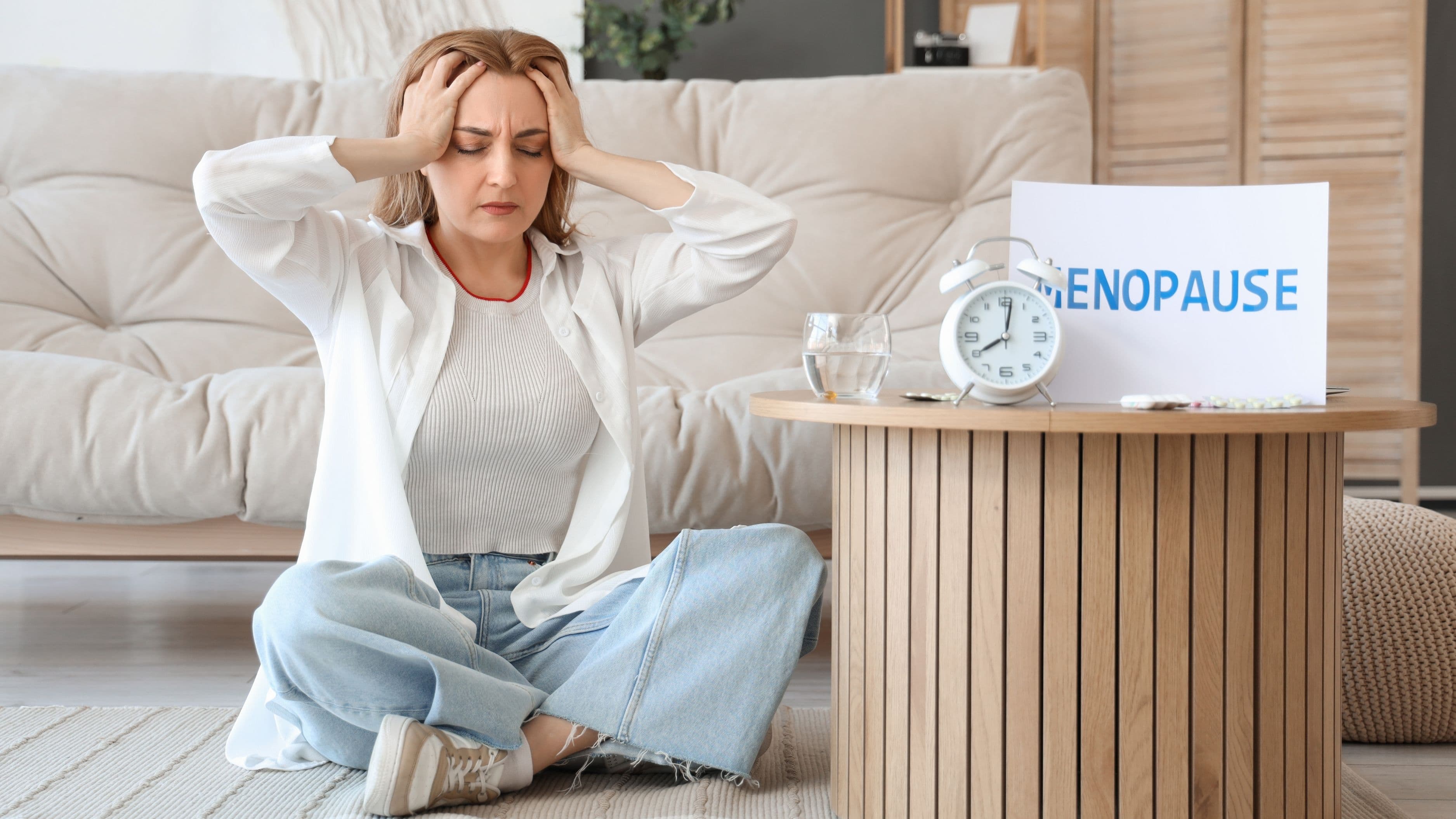
How does exercise affect perimenopause symptoms? Regular movement – particularly strength training, yoga, and cardio – has been shown to reduce the frequency and severity of several common perimenopause symptoms, including mood fluctuations, sleep disruption, and weight changes around the midsection. It doesn't eliminate symptoms, but it consistently improves quality of life during this transition.
How do I know if I'm working out too hard? Consistent fatigue that doesn't resolve with rest, poor sleep, irritability, and a plateau or decline in performance are all signs of overtraining. Exercise should leave you feeling better overall, not chronically depleted. If it doesn't, the solution is almost always more recovery and less intensity, not more effort.
The best fitness routine for you at this stage of life is one that respects where your body is right now, challenges it in ways that create genuine strength and resilience, and leaves room for the rest and recovery that actually makes the work worthwhile. Start with one or two of the practices here. Add more when they feel natural. You don't need to overhaul everything at once – you just need to begin.
📚 Sources
Mayo Clinic – Strength Training: Get Stronger, Leaner, Healthier: https://www.mayoclinic.org/healthy-lifestyle/fitness/in-depth/strength-training/art-20046670
NIH National Institute on Aging – Exercise and Physical Activity: https://www.nia.nih.gov/health/exercise-physical-activity
Harvard Health Publishing – The Truth About Metabolism: https://www.health.harvard.edu/staying-healthy/the-truth-about-metabolism
Menopause Society (NAMS) – Exercise and Menopause: https://www.menopause.org/for-women/menopauseflashes/exercise-and-menopause
Journal of Bone and Mineral Research – Resistance Training and Bone Density in Women: https://asbmr.onlinelibrary.wiley.com/journal/15234681